





 Portuguese
  English
  Spanish
  4 min of reading
  0 comments


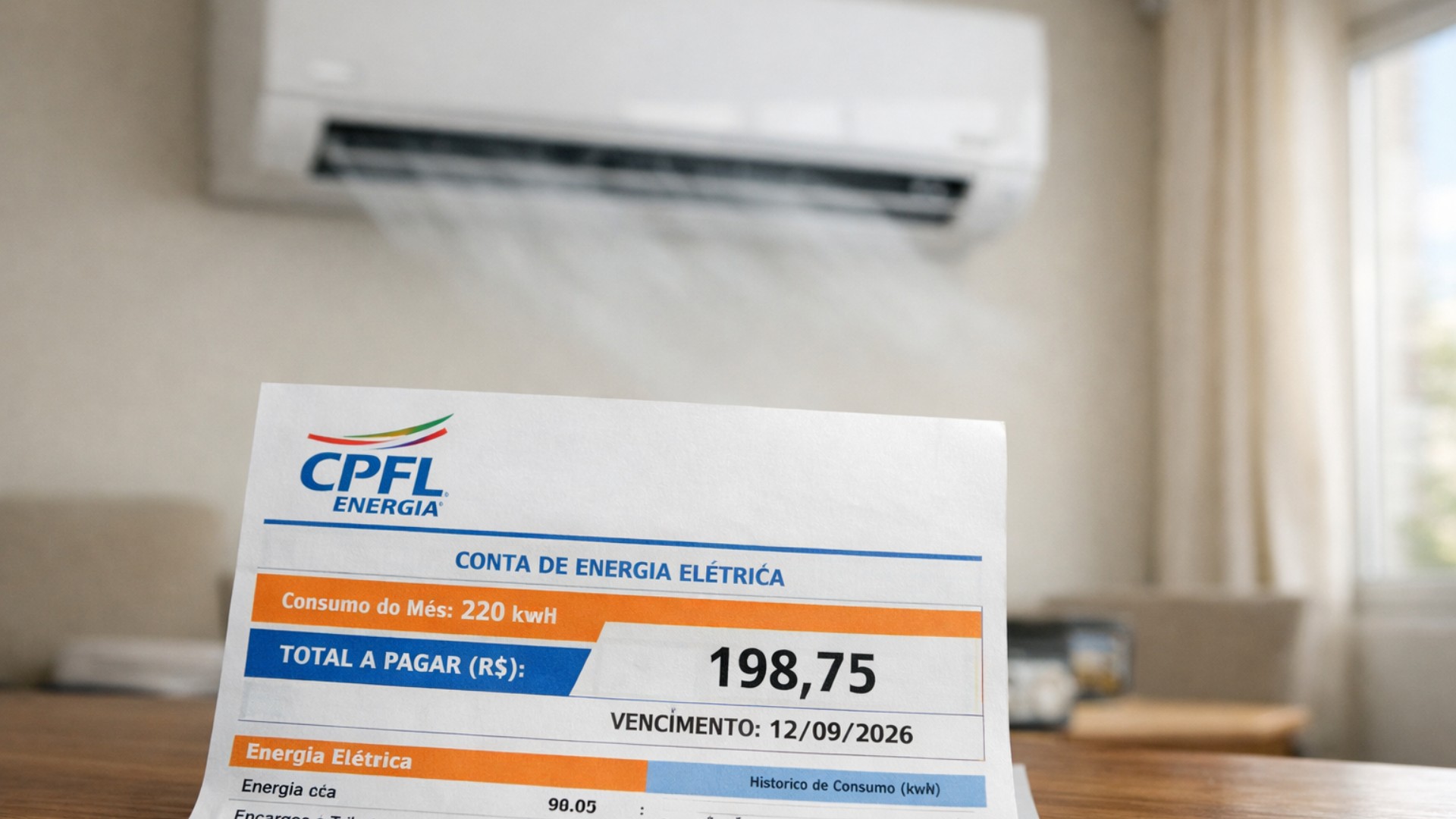
Extended use of air conditioning directly affects the household budget in 2026, with costs that vary according to power, usage time, and equipment efficiency, making energy planning essential amid high tariffs and accumulated consumption over the months.
The daily use of air conditioning for long periods continues to be one of the main contributors to the increase in electricity bills in Brazilian households, especially in warm climate regions, where the equipment remains on for several consecutive hours.
In 2026, with average tariffs close to R$ 0.90 per kWh, the financial impact may already exceed R$ 200 per month, depending on usage conditions and the efficiency of the device.
This cost is not fixed and varies according to factors such as equipment power, operating time, and environmental characteristics, making it essential to understand how these elements directly influence the final amount paid by the consumer.
-
In 2026, the results of a study involving 140,000 people are expected to be released regarding a blood test capable of detecting 50 types of cancer before any symptoms appear, and this could be the greatest advancement in medicine since penicillin.

-
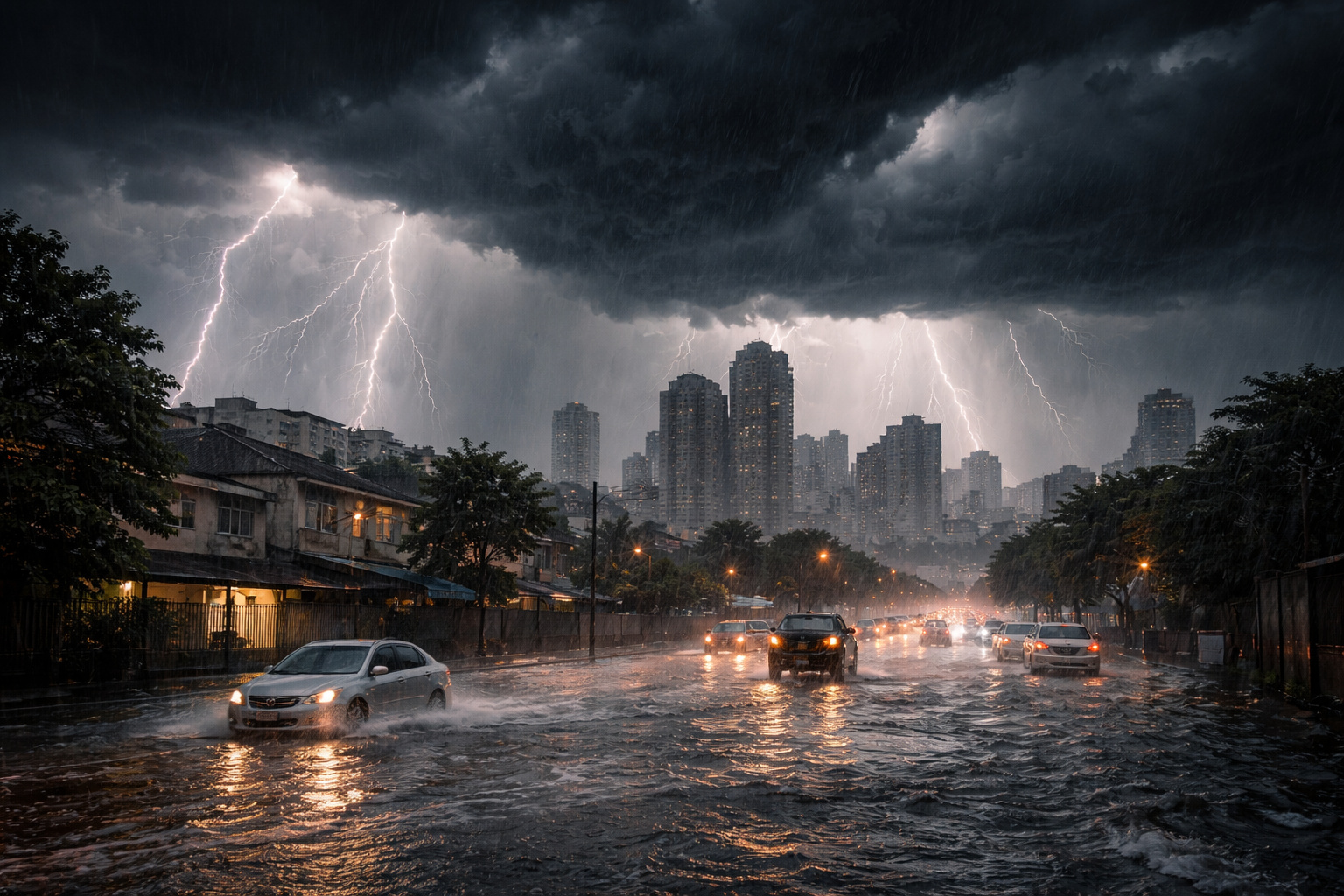
Spring 2026 could be the most dangerous season of the year, according to Climatempo and MetSul, with the peak of El Niño between September and November, an increase in Mesoscale Convective Complexes that caused historic floods in Rio Grande do Sul, and an advancing risk for São Paulo and Mato Grosso do Sul.
-
With the wingspan of a Boeing 747 and 160 times lighter, a solar drone flies for 90 days without landing, without fuel, and without a pilot, carrying 17,248 photovoltaic panels, a 200 km radar with AI, and has already crossed storms in the Gulf of Mexico during tests for the U.S. Navy.

-
Butantan Institute will produce pembrolizumab for the SUS and could change everything in cancer treatment by expanding access to innovative immunotherapy that strengthens the body and reduces high costs.


Still, estimates indicate that usage for about eight hours daily already represents a significant burden on the household budget.
Daily air conditioning consumption and monthly impact on the electricity bill
In practical terms, a residential air conditioner can record an average consumption of over 2.5 kWh per day during continuous cooling periods, according to data published in international academic studies.
Although the isolated number may not seem high, the accumulated effect over weeks turns this consumption into a significant expense.
When considering a common 12,000 BTU unit operating daily for eight hours, the daily cost can reach approximately R$ 6.50, depending on the tariff applied in the region.
Over a month with 30 days, this amount approaches R$ 195, potentially exceeding this range in hotter locations or with higher tariffs.
Moreover, the scenario worsens when the equipment has low energy efficiency or does not receive adequate maintenance, as these conditions increase the system’s effort and progressively raise electricity consumption.
How to calculate air conditioning consumption in practice
To estimate the cost of air conditioning usage, the starting point is to identify the power of the device and convert it into energy consumption, usually measured in kWh.
Next, simply multiply this consumption by the current energy tariff in the region.
The monthly projection is obtained by considering the number of usage days, allowing the consumer to anticipate the impact on the bill and adjust habits accordingly.
This type of calculation, although simple, is still not adopted by most users, making it difficult to control expenses.
Another relevant aspect involves seasonal variation, as usage tends to increase during periods of intense heat, raising monthly consumption without any change in the usage pattern perceived by the user.
Energy efficiency and environmental conditions influence spending
Not all devices exhibit the same energy performance, and this difference is directly reflected in the electricity bill.
Older models or those without efficiency certification consume more energy to achieve the same level of cooling, while modern equipment can operate with lower consumption.
The thermal insulation of the environment also affects consumption, as spaces with constant heat entry require more effort from the air conditioner to maintain the desired temperature.
Well-sealed environments tend to preserve cold air for longer, reducing the compressor’s operating time.
Another often-overlooked factor is preventive maintenance, which includes regular cleaning of filters and checking the overall functioning of the system, preventing overload and loss of efficiency over time.
Ideal air conditioning temperature and energy savings
The temperature setting is one of the points that most impacts energy expenditure, although it does not always receive the due attention from users.
Very low adjustments increase the device’s effort and raise energy consumption, without necessarily providing a proportional gain in comfort.
Experts recommend keeping the air conditioning between 23°C and 25°C, a range considered adequate for balancing thermal comfort and energy efficiency.
Small changes in this setting are already sufficient to noticeably reduce monthly consumption.
On the other hand, very low temperatures, especially in poorly insulated environments, cause the equipment to operate continuously, increasing costs over time.
Tips to save energy with air conditioning in daily life
Adopting simple measures can significantly reduce the impact of air conditioning on the electricity bill without compromising thermal comfort inside the home.
The use of timers, for example, allows for programming the automatic shutdown of the device, preventing unnecessary operation during unoccupied periods.
Another effective practice involves keeping doors and windows closed while the equipment is in use, preventing the entry of hot air and facilitating the maintenance of internal temperature.
This action reduces the system’s effort and contributes to energy savings.
Using it in combination with fans can also improve the distribution of cold air, decreasing the need for high power in the air conditioning.
Additionally, installing thermal curtains helps block direct solar radiation, especially during peak hours.
Regular cleaning of filters, in turn, ensures better air circulation and prevents the device from having to work harder to achieve the expected performance, being a low-cost measure with a direct impact on efficiency.
How much air conditioning affects the bill over the year
When usage remains constant throughout the year, the accumulated cost becomes even more significant, potentially exceeding R$ 2,300 over a 12-month period, considering average consumption and tariffs practiced in 2026.
This amount represents a significant portion of household expenses, especially in homes where the equipment is used daily.
In regions with high temperatures for most of the year, usage tends to be even more frequent, amplifying the financial impact and requiring greater attention to the household’s energy planning.
The choice of efficient devices and the adoption of conscious habits emerge as determining factors in controlling this type of expenditure.






Seja o primeiro a reagir!