





 Portuguese
  English
  Spanish
  2 min of reading
  0 comments


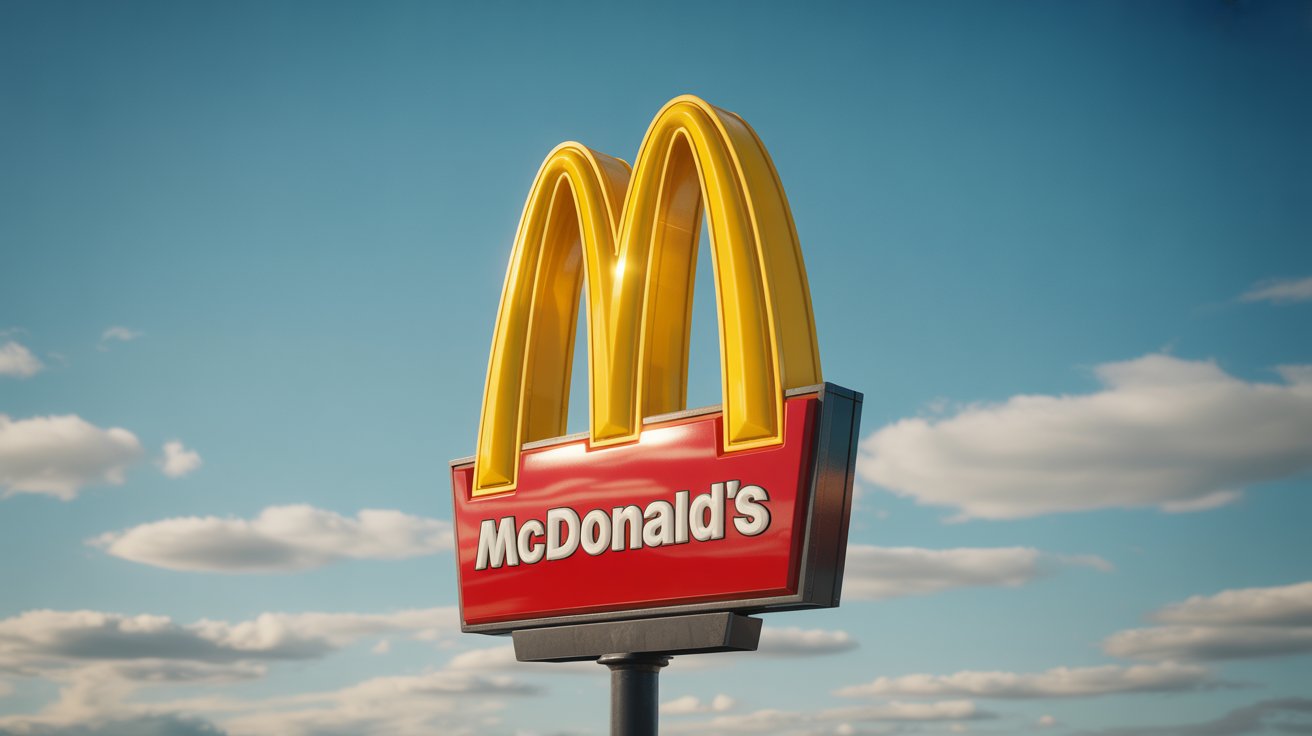
McDonald’s Faces Significant Decline in Low-Income Customer Presence in the United States
Between 2019 and 2024, average menu prices rose by about 40%, a pace above U.S. inflation. The increase affected even iconic items like the Big Mac, making them less accessible for families and low-income workers.
This change altered the perception of the chain among price-sensitive consumers, who previously viewed McDonald’s as a practical and economical option. Today, for many, a meal at the chain has stopped being a convenience and has become an avoided expense.
Market research points to a double-digit decline in the frequency with which these consumers visit fast-food chains, a trend that extends beyond McDonald’s.
-
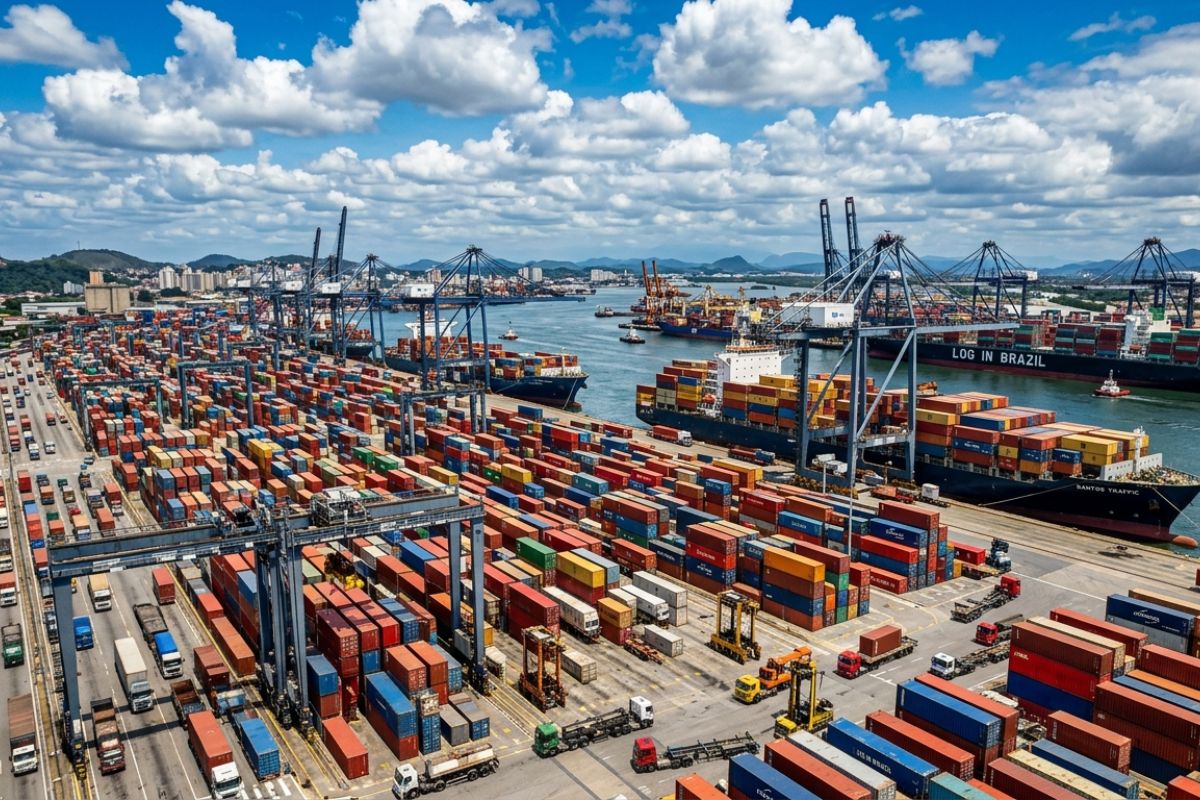
Ports like Santos and Paranaguá are operating at their limits and may block containers as early as 2030, warns a study by Macroinfra; bottlenecks increase costs and delays and push cargo to Rio, Salvador, Pecém, and Suape across Brazil.
-
Lula reveals in an interview that he asked President Xi Jinping three times to invest in a major project in Brazil, the Salvador-Itaparica bridge, which is set to begin in June with the participation of a Chinese consortium and is expected to be extraordinary, according to the president.

-
Neighboring city of Belo Horizonte has properties starting at R$ 139,000 with 90 m² and a price per square meter much lower than the capital, even concentrating automotive, petrochemical, and logistics hubs.

-
Drought in northern Bahia forces family farmers to invest in expensive irrigation and seek microcredit from Banco do Nordeste; with high interest rates and a default rate of 6.5%, the debt becomes a threat to the crops.


Promotional Strategies to Counter the Decline
To try to win back this audience, the chain launched the McValue menu, with meals priced at $5, along with combos with additional items for $1 and snacks under $3. These offers have been maintained for over a year in different regions of the country.
The measure brought partial results: global sales rose by 3.8% in the second quarter, and in the United States, the increase was 2.5% at the same stores. However, the rise was mainly driven by middle and high-income customers.
In other words, despite the efforts, the low-income audience has not yet resumed its frequency at the chain’s restaurants.
Challenge Beyond Promotions
The current scenario reflects a structural challenge: high-income consumers maintain their habits, while low-income individuals reduce spending on dining out. This contraction particularly affects sectors that previously relied on competitive pricing and high sales volume.
According to experts, McDonald’s will need to rethink its balance between profit margin and value perception, considering rising costs and the stagnant income of millions of Americans.
According to the Financial Times, part of this pressure comes from the brand’s own strategy of passing operational costs onto the final consumer, which may widen the gap between the brand and its historically most loyal audience.
How Hamburgers Are Made


The information was released by international agencies such as AFP and by outlets like Financial Times and O Antagonista, which highlight the impact of inflation and changes in consumer behavior in the fast food sector.
McDonald’s maintains a robust presence and global recognition, but the continuation of this decline in frequency among low-income customers raises alarms about more permanent changes in the U.S. market.






-

Uma pessoa reagiu a isso.