






 Portuguese


Casas Bahia, Braskem and Marabraz Turn to Recovery Mechanisms to Restructure Billions in Debt in 2026. The retailer seeks to restructure R$ 17 billion, the petrochemical company about R$ 56 billion, and Marabraz R$ 140 million, amid a scenario marked by high interest rates, restricted credit, and changing consumption patterns in Brazil.
Casas Bahia, Braskem and Marabraz have joined the list of major Brazilian companies that turned to recovery mechanisms to reorganize their debts. Casas Bahia aims to restructure R$ 17 billion, Braskem about R$ 56 billion, and Marabraz reported liabilities of R$ 140 million, while other retail chains have also adopted similar measures in recent years.
The information was published by g1 on August 25, 2026, in episode 1790 of the podcast O Assunto, hosted by Natuza Nery. The analysis featured Stella Fontes, assistant editor of Companies at Valor Econômico, and Adriana Mattos, special reporter on Retail, Industry, and Consumption for the same newspaper, discussing the challenges faced by the petrochemical sector and retail.
Braskem Filed for Extrajudicial Recovery for R$ 56 Billion
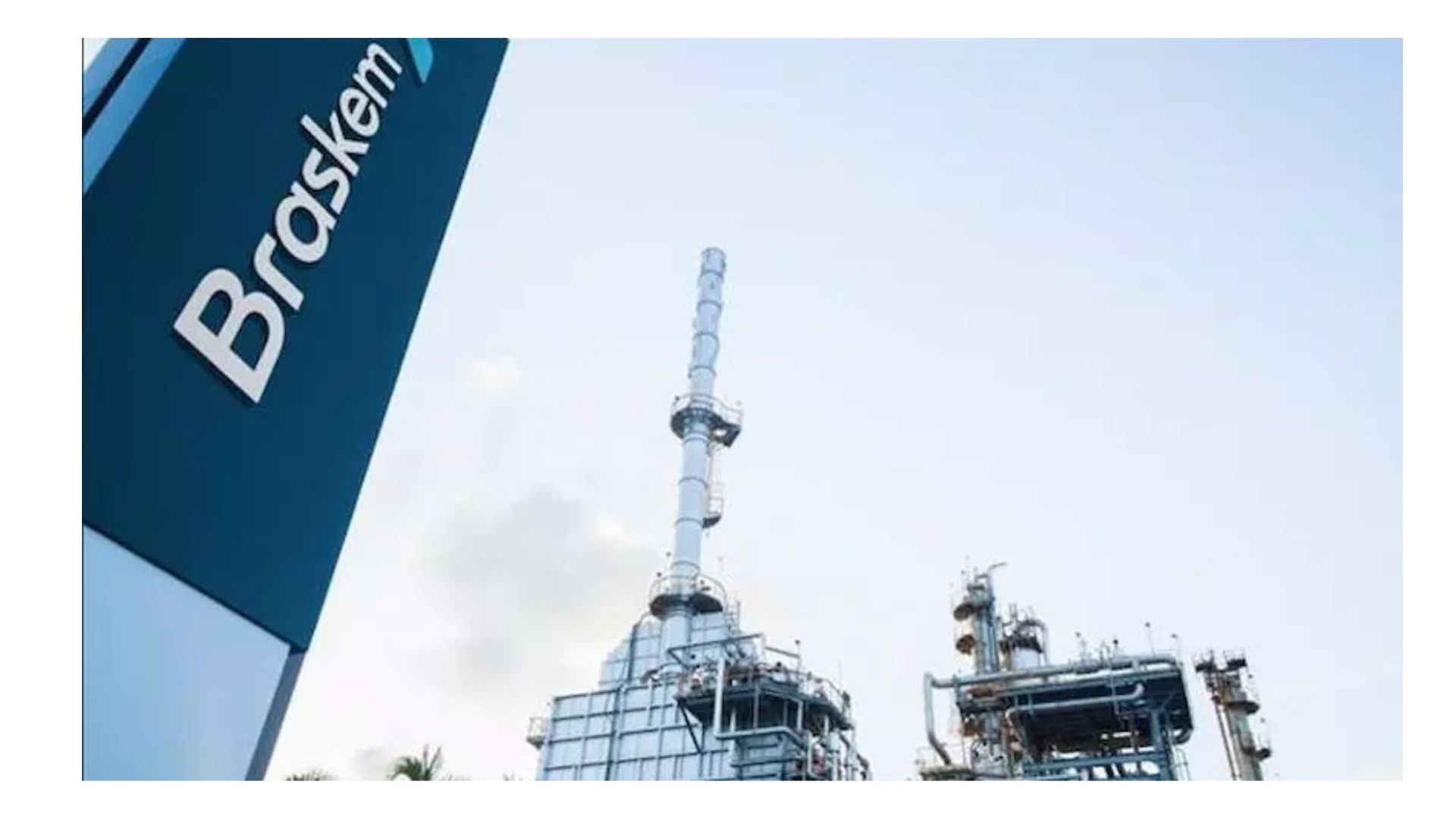
On Monday, August 24, Braskem filed a petition for extrajudicial recovery.
-
Xi Jinping Prepares for First Visit to India in Seven Years During BRICS Summit, Leading Delegation of Up to 400 Participants, Putting Two Asian Powers Face to Face Again Amid Longstanding Territorial Dispute

-
Court Declares Oi Bankrupt Following Recovery Plan Breach and Financial Shortage; Operator Faces R$ 44.3 Billion in Debt, Negative Assets at R$ 22.6 Billion; Appeal Possible

-
Retirees Could Receive an Additional R$ 120 Per Month in 2027: Government Projects Minimum Wage of R$ 1,741, Adding New Billion-Dollar Floor to Budget
-
Rio Grande do Sul Opens Permanent Representation in China to Boost Investments in Key Sectors


This mechanism will be used to try to restructure approximately R$ 56 billion in debts, positioning the petrochemical company as one of the largest financial cases mentioned in the current corporate reorganization scenario.
Casas Bahia Aims to Restructure R$ 17 Billion in Debt
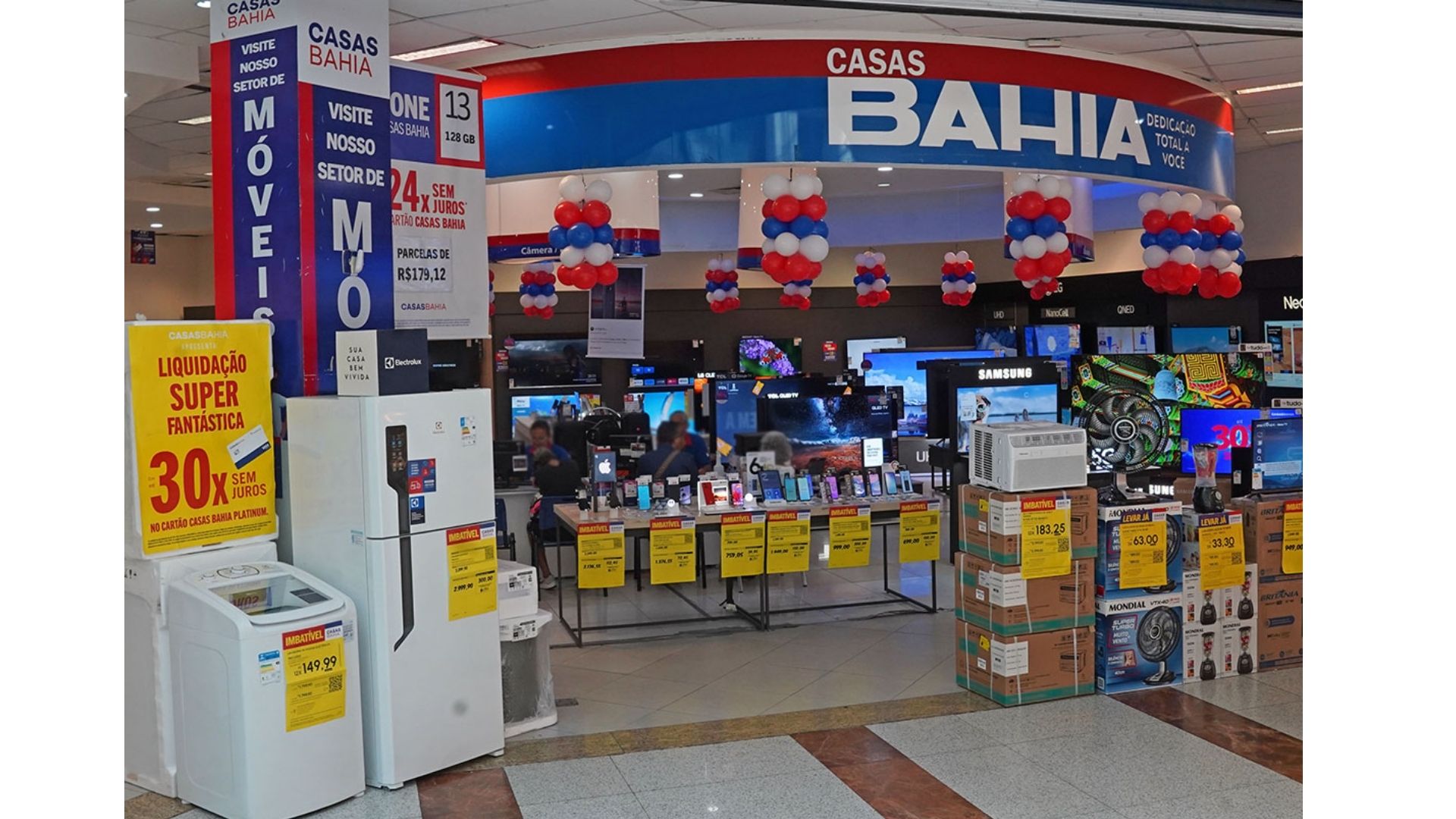
Casas Bahia had filed for judicial recovery the previous week.
The retailer plans to utilize the process to reorganize approximately R$ 17 billion in debts, in light of the challenges faced by major retail chains in the sector.
Marabraz Files for Bankruptcy Protection with Liabilities of R$ 140 Million
Marabraz also sought bankruptcy protection in the same week.
The reported liabilities are R$ 140 million, a significantly smaller amount than those attributed to Casas Bahia and Braskem, but still part of the same environment of financial pressure on Brazilian companies.
Tok&Stok, Pão de Açúcar, and Dia Also Sought Restructuring
These recent cases add to moves made by other companies in recent years.
Tok&Stok, Grupo Pão de Açúcar, Grupo Dia, and St. Marche are among the major retailers that pursued bankruptcy protection or extrajudicial restructuring during this period.
High Interest Rates Increase Difficulty for Indebted Companies
The economic conditions cited to explain the pressure on these companies include high interest rates.
For companies managing debts and financing their operations, this environment combines with less favorable credit conditions, amplifying the challenges of reorganizing their businesses.
Reduced Credit Availability Also Pressures Companies
The availability of financing emerges as another relevant factor.
Companies are facing a reduced credit supply, a condition that compounds with high interest rates and complicates the environment for companies already managing substantial liabilities.
Changing Consumer Behavior Challenges Retail
Retail is also facing changes in purchasing habits.
The shift in consumer behavior was identified as one of the elements explaining the challenging environment experienced by retailers, along with high interest rates and reduced credit availability.
Braskem Faces Critical Context in the Petrochemical Sector
Braskem’s case has characteristics specifically tied to the market in which the company operates.
Stella Fontes analyzed the request for extrajudicial restructuring and the context deemed critical for the company within the petrochemical sector, differentiating its situation from the problems faced by retail networks.
Retailers Seek Alternatives to Escape Industry Crisis
Adriana Mattos focused her analysis on strategies adopted by retail companies in light of current challenges.
Casas Bahia and Marabraz are mentioned among the most recent cases, while other networks had already sought judicial or extrajudicial recovery in recent years.
Bankruptcy Filings Increased by 20% in the Second Quarter of 2026
This trend is not limited to individual cases of large companies.
In the second quarter of 2026, the number of companies that filed for bankruptcy increased by 20% compared to 2025, according to information highlighted by g1.
This data expands the dimension of the phenomenon beyond well-known retail networks and corporate groups.
Bankruptcies Affect Companies Across Different Sectors
The amounts involved show that financial pressure is not limited to a single segment.
Casas Bahia is attempting to reorganize R$ 17 billion in retail, while Braskem is looking to restructure approximately R$ 56 billion in petrochemicals. Marabraz, also a retailer, entered the process with liabilities of R$ 140 million.
Judicial and Extrajudicial Recoveries Gain Ground Amid Pressure
The surge in requests places recovery mechanisms at the center of strategies for companies needing to reorganize debt and preserve their operations.
Recent cases involve companies of different sizes and sectors, but emerge in a common environment of high interest rates, reduced credit availability, and shifting consumer habits.
Casas Bahia and Braskem Bring Debt Reorganization to Billions
The processes involving Casas Bahia and Braskem collectively put tens of billions of reais in liabilities under restructuring efforts, while Marabraz and other chains are part of a broader sequence of companies resorting to similar solutions.
The 20% increase in judicial recovery requests in the second quarter of 2026 underscores the expansion of this movement. In retail, high interest rates, reduced credit supply, and changes in consumer behavior remain among the major pressures cited to explain the situation.
In your opinion, what weighs more on large Brazilian companies today: high interest rates, difficulties in obtaining credit, or changes in consumer behavior? Share your thoughts in the comments.


