





 Portuguese
  English
  Spanish
  4 min of reading
  7 comments





The TRT-4 Decision Recognized Horizontal Moral Harassment and Reinforced That the Employee’s Silence Does Not Mean Consent, Expanding Companies’ Responsibility to Curb Abusive Practices.
The case of the worker known as “Patrola” for over two decades exposes how Labor Justice has hardened its stance regarding moral harassment. The episode was revealed by Diário do Nordeste and shows that the insistence on a pejorative nickname can transform into a hostile work environment, deeply affecting the employee’s dignity. Emotional insecurity and psychological harm were decisive for the Regional Labor Court of the 4th Region (TRT-RS) to raise the compensation from R$ 5,000 to R$ 15,000.
The decision makes it clear that the company’s responsibility is objective and does not depend on formal complaint. Even if the worker remained silent out of fear or resignation, the duty to intervene rests with the management and organization, which must act preventively against any form of moral harassment.
Who Was the Worker and What Happened
The employee worked at a body shop and, for 25 years, was called by the nickname by colleagues.
-
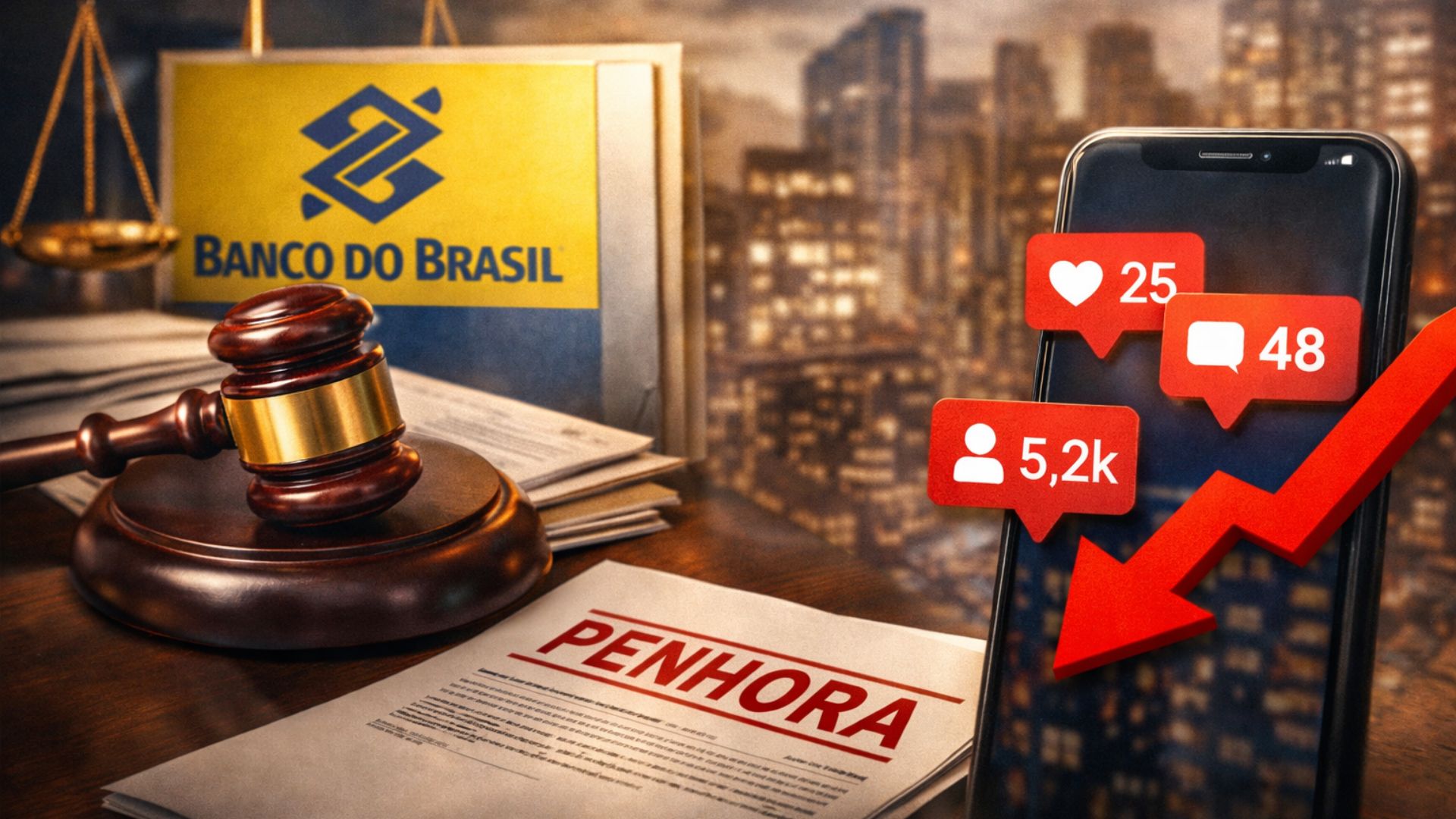
Banco do Brasil sues famous influencer for million-dollar debt and intensifies debate on delinquency, risks of seizure, and direct impact on Gkay’s credibility.
-
The Senate approves a bill that criminalizes misogyny, hatred, or aversion towards women, and includes the crime in the Racism Law with a penalty of up to 5 years.

-
Chamber Approves Bill That Allows Pepper Spray for Women Over 16 and Imposes Strict Rules for Purchase, Possession, and Use as Self-Defense

-
Chamber Approves Law to Combat Leucaena, Fast-Growing Plant That Dominates Land and Threatens Native Species in Various Regions of the Country


According to the case, the nickname became a constant source of mockery, damaging his self-esteem and creating a climate of humiliation in the workplace.
Despite the practice being known by superiors, there was no attempt to intervene or stop the aggression, which reinforced the feeling of complicity and normalization of harassment.
For the former employee, this institutional silence aggravated the moral damages suffered throughout his career.
How Much Was Defined as Compensation
In the first instance, the 1st Labor Court of Caxias do Sul set the compensation at R$ 5,000.
However, on appeal, the 1st Panel of the TRT-RS increased the amount to R$ 15,000, considering the prolonged duration of the offenses and the company’s omission.
The court recognized that the case went beyond common jokes and constituted continuous moral harassment.
The compensation, which is exclusively compensatory in nature, was the only request from the worker.
For the judges, the higher amount also serves a pedagogical function, alerting companies that still tolerate humiliation practices among their employees.
Where the Justice Identified Company Failures
The company’s defense argued that there were internal reporting channels and that the worker never used them.
However, Judge Daniela Floss rejected this argument, stating that silence cannot be confused with consent.
Employees may remain silent out of fear, insecurity, or because they believe nothing will be done.
Judge Roger Ballejo Villarinho reinforced that the repetition of offensive nicknames does not absolve the organization of responsibility.
The omission of management was considered a decisive element in characterizing the failure of the duty of protection.
Why the Decision Is Important for the Labor Market
The case was classified as horizontal moral harassment, that is, among colleagues of the same hierarchical level, but with the company’s tolerance and omission.
This understanding consolidates the view that companies cannot evade responsibility even when attacks do not come directly from superiors.
The decision also strengthens the jurisprudence that the dignity of the worker is a non-negotiable right.
If the organization does not create effective prevention mechanisms, training, and punishment for abusive conduct, it is civilly liable for damages.
Is It Worth It for Companies to Review Their Practices?
Labor law experts say that the precedent increases pressure on employers.
Jokes that are considered harmless can become subject to compensation if they are repeated and cause proven suffering.
The Justice has given weight to the duration and company omission, factors that increase the amount of compensation.
Investing in compliance programs, active ombudsman offices, and internal awareness campaigns is seen as essential to avoid similar convictions.
After all, inaction can be costly, both financially and in the company’s image.
The decision that raised the compensation from R$ 5,000 to R$ 15,000 for the worker nicknamed sends a clear message: silence does not mean acceptance, and the company has a duty to protect its employees against moral harassment practices, even when they come from colleagues.
Do you believe that the compensation was fair or should it have been even higher to punish the company? Have you witnessed cases of nicknames or jokes that crossed the line in the workplace? Share your opinion in the comments — your insights could help broaden this debate.









O assédio agora virou moda. Encontraram até uns nomes mais bonito. A 25 anos atrás não existia tanto buling e assédio. Agora com a justiça obrigando a indenização todos recorrem a justiça.
…Uns 50 mil no mínimo…
Acho que é pouco 15 mil. Na verdade é simbólico. Deveria ser ums 50 mil no mínimo por ser humilhado durante tantos anos. A autoestima ferida e o “calar” do cara pra tentar viver num ambiente de trabalho sem “climão” pra poder sustentar a família, podem gerar muito prejuízo pra saúde mental e até física dele…Ainda mais por tanto tempo tendo que aturar isso.