





 Portuguese
  English
  Spanish
  3 min of reading


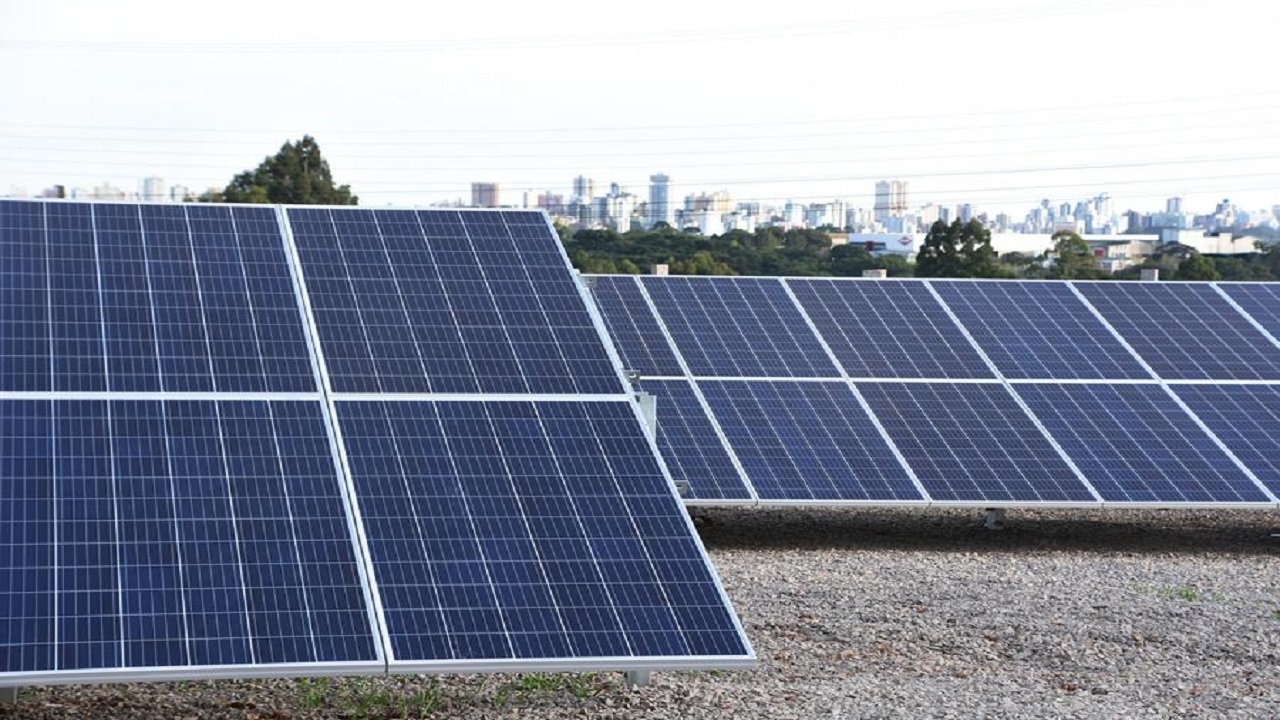
FUPF Is Investing Millions in 03 New Solar Plants to Reduce CO2 Emissions. With Solar Energy and Other Sources, the Foundation Has Already Reduced More Than 680 Tons Since 2018
In order to reinforce its commitment to sustainability, the Fundação Universidade de Passo Fundo (FUPF) is investing in three new solar plants in its infrastructure. With a capacity to generate 400,000 kWh of power per year, the solar energy plants will feature 682 photovoltaic modules and will supply 100% of the demand of the units they serve. According to Rangel Casanova Daneli, the engineer responsible for UPF’s infrastructures, the energy generated by these plants will be able to power about 150 homes with a consumption of up to 200 kWh per month. The return on the investment of R$ 1.3 million could come in just five years, and the savings generated will be R$ 11 million over the estimated 25-year lifespan of the solar energy equipment.
Read Also
FUPF’s Sustainability Investments Generate Jobs and Income for the Region
The investment reinforces FUPF’s environmental commitment and moves towards its Social Responsibility Policy and Institutional Development Plan. According to Dr. Antônio Thomé, the administrative vice-rector, FUPF has been engaging in sustainable practices for several years, so the investment in solar energy is of utmost importance, as it is a low-cost venture, meaning that with the savings in consumption, FUPF can pay off the investment, and the significance is very large, as the solar plants generate clean, non-polluting energy.
-
Jacareí advances with a photovoltaic plant and bets on sustainability to transform public management with clean solar energy, reducing operational costs and strengthening energy efficiency in essential services.
-
Maricá transforms Risca-Faca into Leonel Brizola Neighborhood with solar energy and promises to reduce costs for families while promoting dignity, urbanization, and social development in a historically vulnerable community.

-
The Ministry of Defense installs a giant photovoltaic plant and ensures a stable supply of clean energy in Maturacá, in the Amazon.
-
Itaipu receives proposals in the renewable energy tender and reinforces the role of public universities in the energy transition with projects that can reduce costs, increase academic investments, and accelerate sustainable innovation in the country.
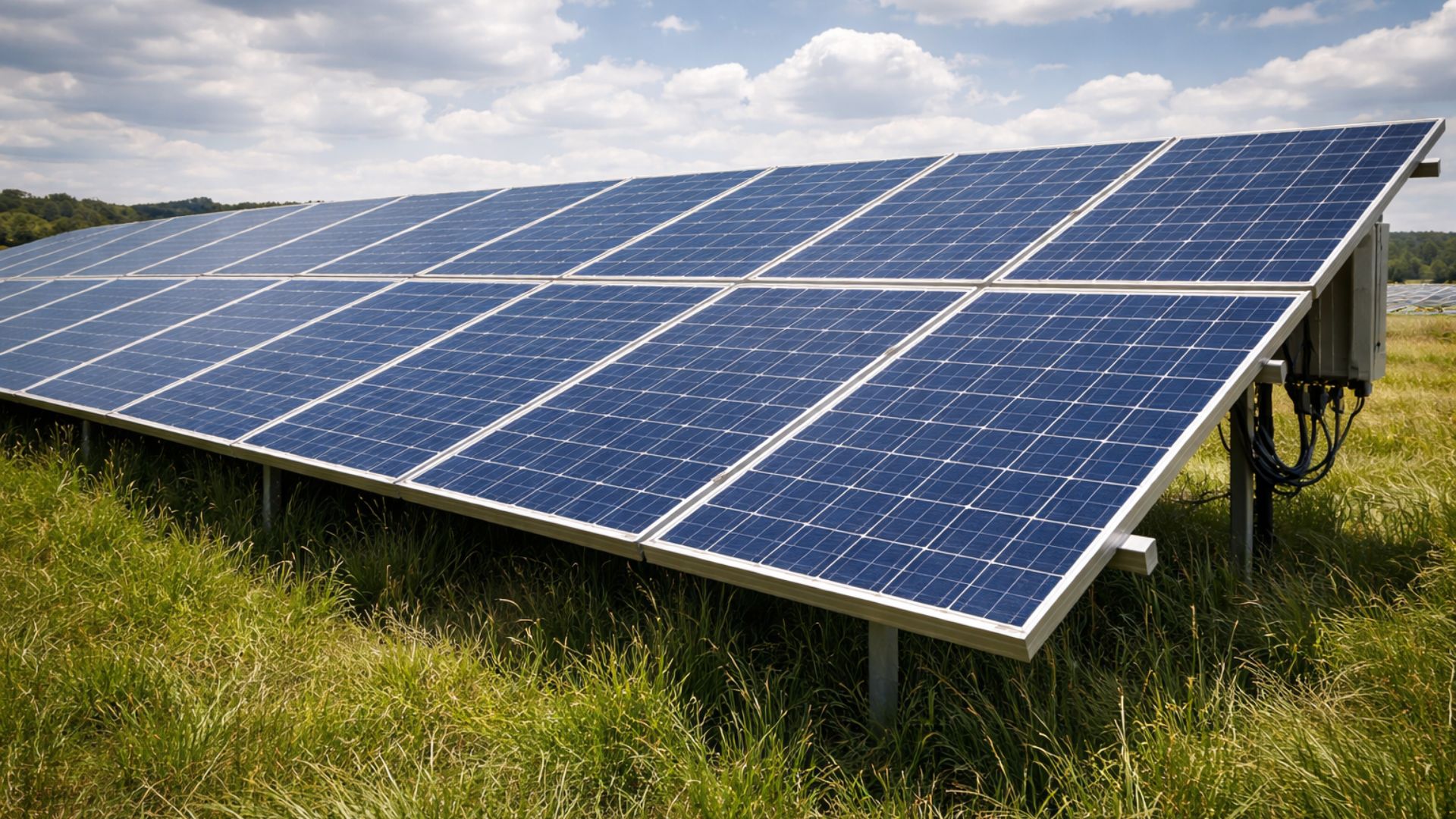
The solar plants also form part of the three pillars of sustainability. Daneli explains that the pillars are: economic, through the redirection and optimization of resources; social, through all the benefits impacting the regional and local communities; and environmental, with a reduction of 400 tons of CO2 annually in the atmosphere.
FUPF Has Reduced More Than 680 Tons in Recent Years
The installation of the new solar energy panels will be completed by this December on Campus I, Campus II, and the Center for Agricultural Extension and Research.
The president of FUPF, Luiz Fernando Kramer Pereira Neto, recalls that since 2018, the institution has used only energy from clean sources that are fully renewable and do not impact the environment. The acquisition project via the Free Energy Market, combined with the institution’s solar energy park, has already reduced more than 683,411 tons of CO2, with 216,000 tons in just the last year.
Renewable Energy Certificate 2021
FUPF has been recognized for its work in reducing CO2 emissions and received the Renewable Energy Certificate from Ludfor Energia Ltda this year. The president of the institution states that along this path, the foundation has been increasingly committed to producing energy from various clean sources.
The electricity consumed by the institution comes from government-incentivized sources such as solar, wind, hydropower, and biomass with the mission of achieving a sustainable and clean energy matrix.








Seja o primeiro a reagir!