





 English
  Francês
  Alemão
  Italiano
  Japonês
  Norueguês
  Portuguese
  Spanish
  2 min of reading


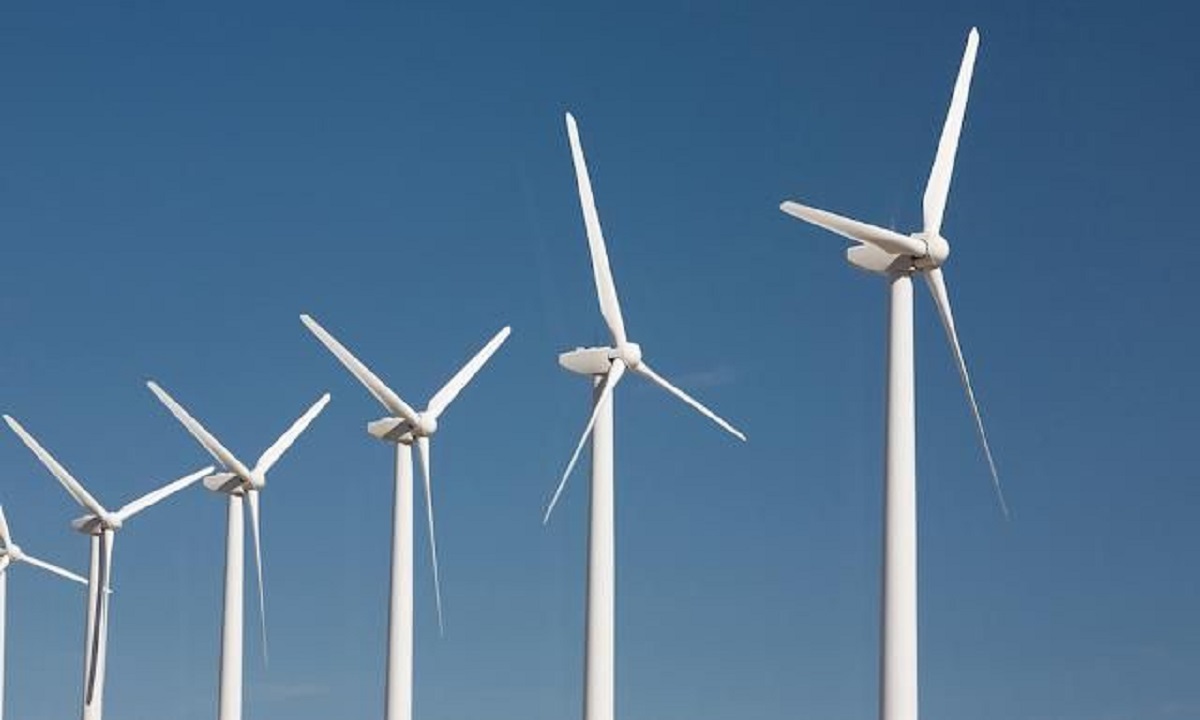
Cities Affected By This Natural Disaster Could Continue Operating With Generated Energy
Wind energy is an alternative for generating clean, renewable electricity without producing greenhouse gases by harnessing the wind. Surprisingly, according to American astrophysicist Neil DeGrasse Tyson, it is possible to use hurricane winds for generating this type of energy. (Source: Site Escola Educação).
The astrophysicist presented his idea on a television show in the United States and opined that hurricane winds would be a unique raw material for generating wind energy. He even poked fun at scientists when he said that science should find a way to leverage this wind. According to Tyson, a city hit by hurricanes could continue operating with the energy generated by them.
Is The Scientist’s Idea Of Generating Energy From A Hurricane Really Viable?
According to information released by Terra, it is estimated that a hurricane could generate a force of 600 terawatts. That number represents more than double the wind energy production of the United States over a year. However, a large magnitude hurricane has an enormous destructive power, making this idea not easy to implement.
-
Rio Grande do Sul accelerates energy transition: State invests in renewable technologies and consolidates decarbonization strategies and pathways to attract billions in new industrial investments.

-
With 160,000 m² of collectors, an area larger than 20 football fields, Silkeborg, in Denmark, hosts a solar thermal plant that heats 19,500 homes and could become the largest solar heating plant in the world.

-
A study reveals the expansion of renewable energy procurement in Brazil and shows how companies are taking advantage of opportunities to reduce expenses, ensure energy efficiency, and strengthen strategic environmental commitments.

-
Mato Grosso do Sul excels in the sugar-energy sector: the state reaches a milestone of 22 operating mills and accelerates the production of clean energy in MS with a focus on sustainability.


Furthermore, the investment in equipment would be massive, as the common blades used to “capture” the wind are very fragile and lightweight. Thus, one of the biggest challenges for engineering would be to design equipment capable of withstanding the average of 108 km/h of a hurricane.
A Hurricane Is Not Composed Only Of Wind
Contrary to popular belief, wind is just a part of a hurricane’s formation. In fact, most of the energy of a hurricane or cyclone is stored in the form of heat. This heat is released as water vapor condenses into rain.
However, research is ongoing and hopes are never lost. According to the article released by Terra, scientists are indeed working on a continuous electricity generation system that can withstand the force of a hurricane to harness its energy.






Seja o primeiro a reagir!