Portuguese
  Spanish



Cities Affected By This Natural Disaster Could Continue Operating With Generated Energy
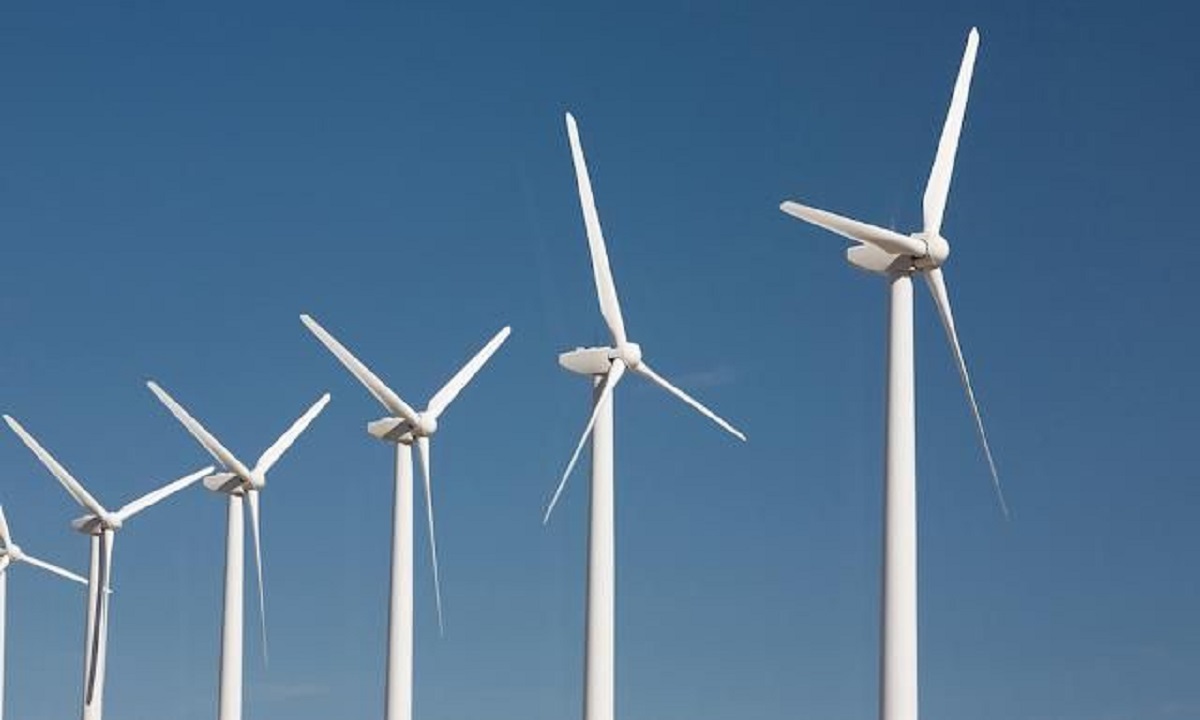
Wind energy is an alternative for generating clean, renewable electricity without producing greenhouse gases by harnessing the wind. Surprisingly, according to American astrophysicist Neil DeGrasse Tyson, it is possible to use hurricane winds for generating this type of energy. (Source: Site Escola Educação).
The astrophysicist presented his idea on a television show in the United States and opined that hurricane winds would be a unique raw material for generating wind energy. He even poked fun at scientists when he said that science should find a way to leverage this wind. According to Tyson, a city hit by hurricanes could continue operating with the energy generated by them.
Is The Scientist’s Idea Of Generating Energy From A Hurricane Really Viable?
According to information released by Terra, it is estimated that a hurricane could generate a force of 600 terawatts. That number represents more than double the wind energy production of the United States over a year. However, a large magnitude hurricane has an enormous destructive power, making this idea not easy to implement.
-
Fired during apartheid and with a little borrowed money, an electrician started with a borrowed truck and transformed electrical services into a group connected to energy, real estate, and infrastructure in South Africa.

-
Wood has ceased to be just a construction material in Yale research and has become insulation for electrical transformers that face intense heat, aging, and increasing pressure from the renewable energy-powered grid.
-
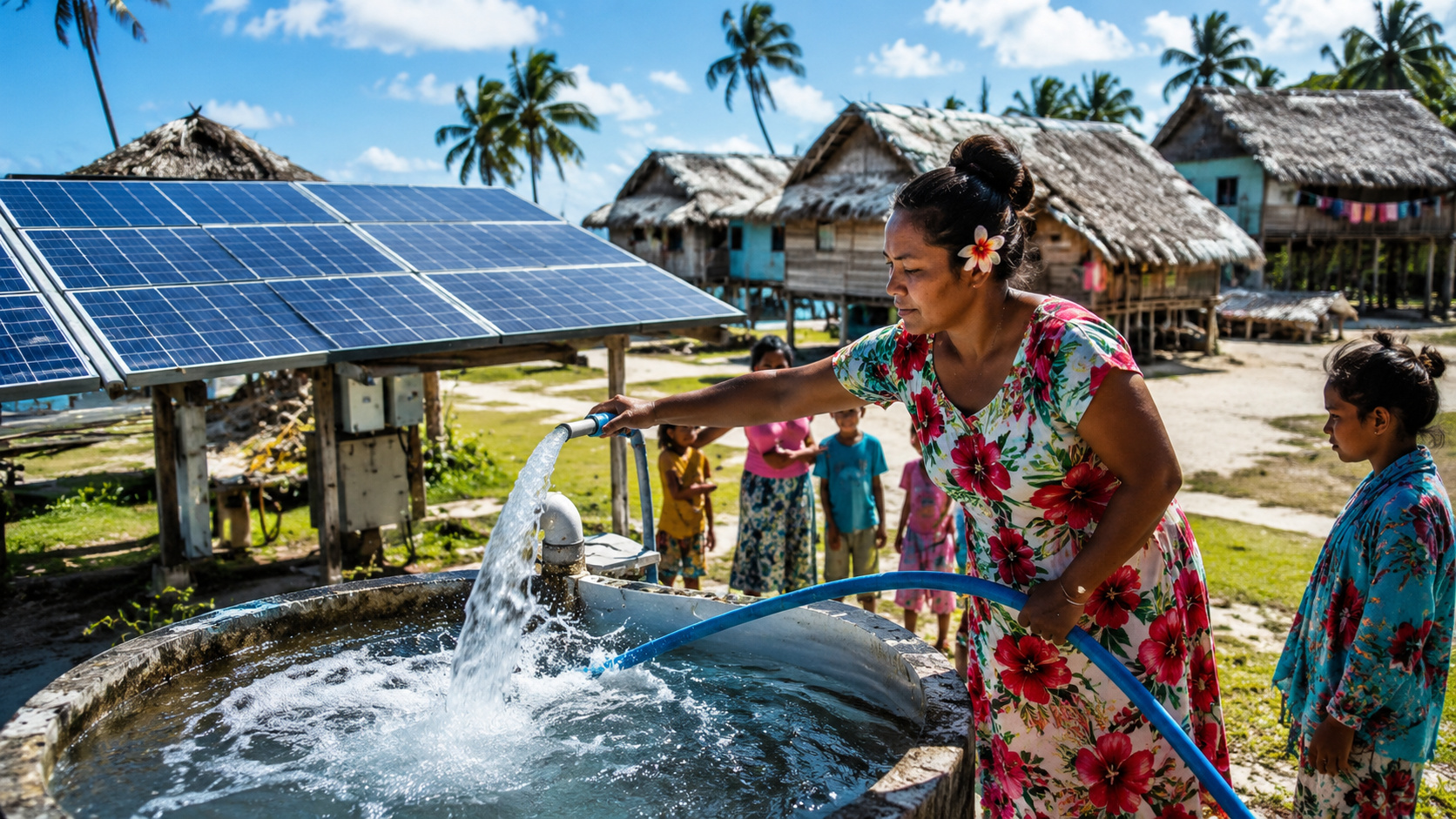
More than 1,000 residents of a remote island in Kiribati now have clean water and electricity with solar systems operated by the community itself.
-
Ceará brings together 7 giants and R$ 66 billion to transform Pecém into the largest green hydrogen hub in Brazil, with final decisions expected by the end of 2026.

Furthermore, the investment in equipment would be massive, as the common blades used to “capture” the wind are very fragile and lightweight. Thus, one of the biggest challenges for engineering would be to design equipment capable of withstanding the average of 108 km/h of a hurricane.
A Hurricane Is Not Composed Only Of Wind
Contrary to popular belief, wind is just a part of a hurricane’s formation. In fact, most of the energy of a hurricane or cyclone is stored in the form of heat. This heat is released as water vapor condenses into rain.
However, research is ongoing and hopes are never lost. According to the article released by Terra, scientists are indeed working on a continuous electricity generation system that can withstand the force of a hurricane to harness its energy.