





 Portuguese
  English
  Spanish
  5 min of reading
  0 comments


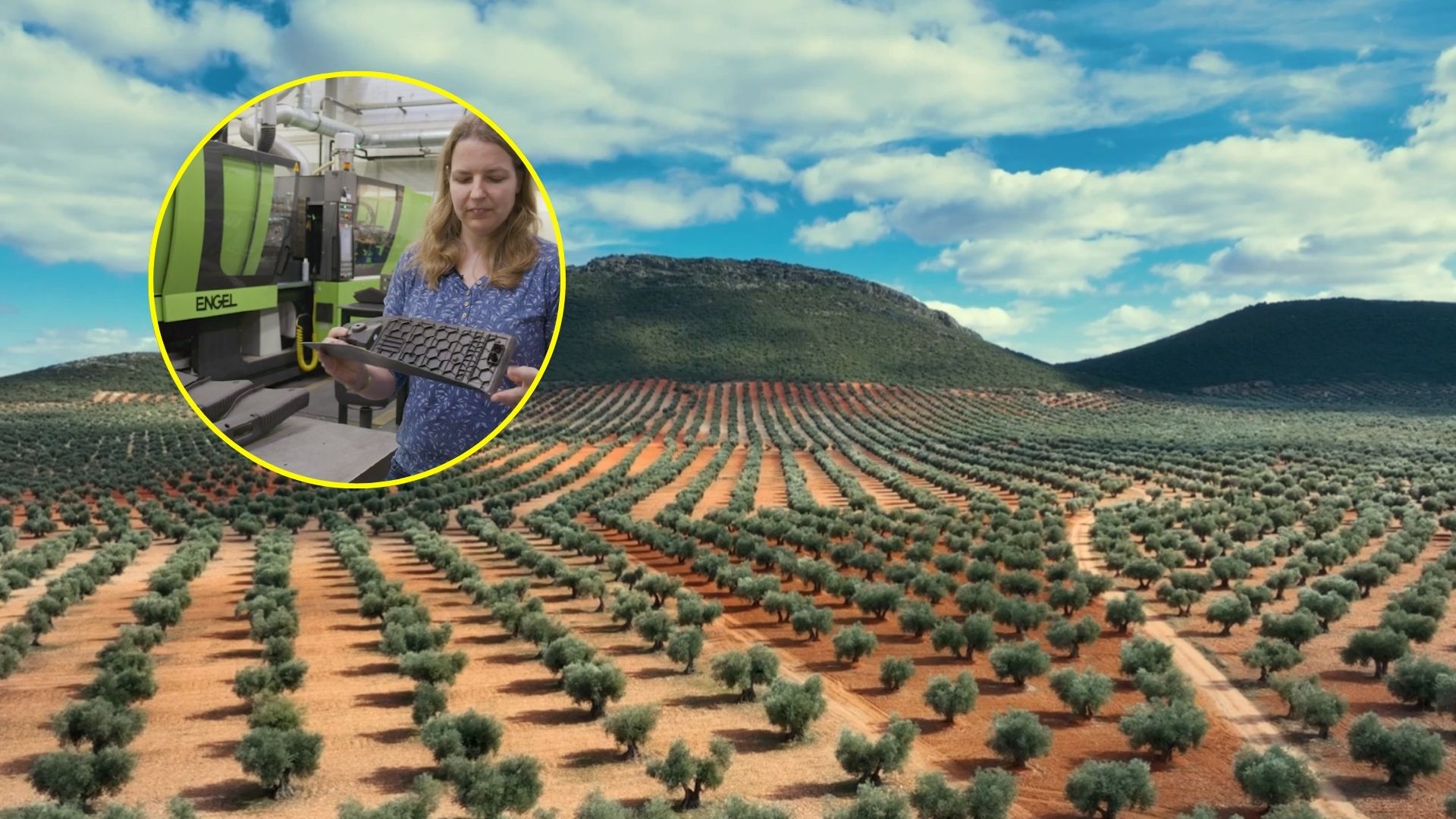
Olive Tree Pruning Waste Begins To Gain Ground In The Automotive Industry, In Tests That Combine Plant Fibers And Recycled Plastic To Manufacture Internal Parts For Vehicles. Movement Brings Agriculture, Materials Engineering, And Circular Economy Closer Together In A Higher Value Chain.
Branches, leaves, and twigs removed from the pruning of olive trees have started to be integrated into tests in the automotive industry in an initiative that seeks to replace part of fossil-based plastic with residual raw material from the field.
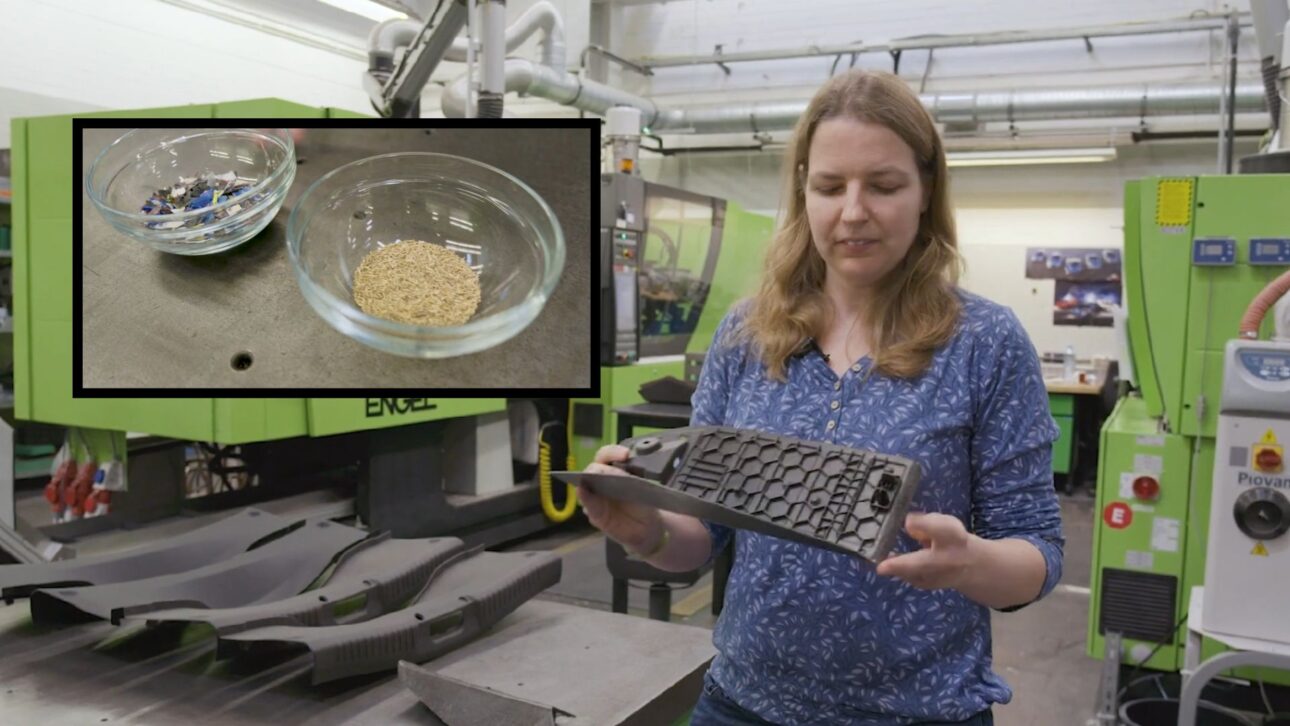
Ford reported that it has transformed this biomass into prototypes of footrests and trunk area components, produced with a composite made up of 40% olive fibers and 60% recycled polypropylene.
According to the automaker, the waste was collected in olive groves in Andalusia, in southern Spain, and sent to the company’s European headquarters in Cologne, Germany, where it underwent simulations to assess durability, resistance, and moldability.
-
A gigantic dam project in the Himalayas could solve one crisis but silently create another for millions of people.

-
Nikola Tesla said that intelligent people tend to have fewer friends, and now science partially confirms this: a study with over 15,000 people showed that for the more intelligent, socializing too much can even reduce life satisfaction.

-
A superyacht worth US$ 17 million is delivered in impeccable condition, sets out to sail, and hits a bridge in the Bahamas just two hours later.

-
Residents of Australia woke up to a sky completely red like blood before the arrival of Cyclone Narelle, which hit the coast with winds of 250 km/h, tearing off roofs and lifting iron dust in a scene they described as apocalyptic.


After this stage, the material was heated and molded through injection, a process already widely used in the manufacture of plastic parts for vehicles.
Olive Waste Becomes Automotive Parts
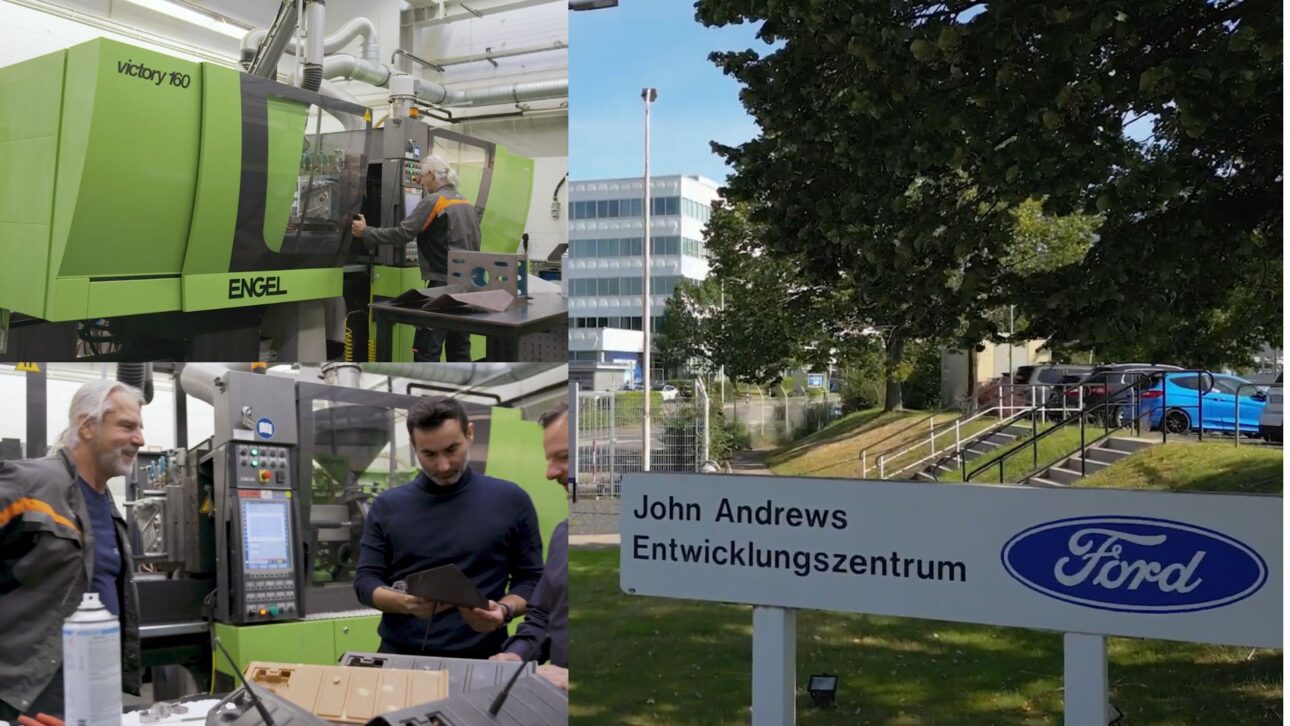
The initiative was linked by Ford to the COMPOlive project, while the European Union’s executive agency for climate, infrastructure, and environment, CINEA, presents the action under the structure of LIFE COMP0LIVE, the official spelling adopted by the European platform of the LIFE program.
In both references, the proposal is the same: to reuse olive pruning waste in biocomposites intended primarily for the automotive and furniture sectors.
In tests released by the company, the produced parts demonstrated robustness and durability, which led Ford to state that the process has entered evaluation for potential larger-scale use.
The company also stated that the material did not compromise requirements for resistance, durability, and flexibility, which are key points for any component aiming to move beyond the experimental phase.
This movement helps explain why agricultural waste has begun to be treated as technical input rather than just seasonal disposal.
Instead of ending its cycle in burning, composting, or energy use, part of the biomass generated in olive groves is starting to be directed towards higher value-added chains, with applications in engineering materials.
Andalusia Concentrates Biomass And Olive Oil Production
Andalusia is at the center of this process due to its concentration of production at a scale that is hard to ignore.
On an official page about the project, CINEA reports that 1.5 million hectares of the region are dedicated to olive cultivation, equivalent to 30% of the regional agricultural area, a level that helps to size the volume of pruning generated annually.
A study published in the journal Sustainability reinforces this concentration by pointing out that Andalusia accounts for 57% of the biomass generated by olive grove pruning in Spain.
The same work reports that Andalusia, Castilla-La Mancha, Extremadura, and Catalonia together account for 90% of this total, a fact that helps explain why the reuse of this waste has gained economic and industrial relevance in the country.
It is not, therefore, a marginal flow.
The regional availability of raw material, combined with the industry’s need to reduce reliance on conventional polymers, has opened space for a production route that attempts to connect Mediterranean agriculture, recycling, and advanced manufacturing without abandoning the technical requirements of the automotive sector.
Less Fossil Plastic And Lower Environmental Impact
The environmental justification for the project is not limited to the final composition of the part.
By diverting pruning from traditional disposal methods, especially burning, the initiative aims to reduce emissions associated with biomass management while simultaneously decreasing the use of petroleum-based raw materials in internal vehicle components.

CINEA itself states that LIFE COMP0LIVE aims to utilize between 800 to 1,600 tons of pruning waste annually by 2030, reduce the use of fossil-based plastic by 800 tons per year, and cut more than 1,500 tons of CO2 per year by combining less burning with the substitution of conventional materials.
These numbers show that the European project is trying to move out of the laboratory scale and build a market route.
A review published in Frontiers in Sustainable Food Systems helps to size the environmental problem associated with the sector.
The article estimates that Spain generates about 1.25 million tons per year of olive leaf waste, treated as an inevitable byproduct of olive oil production and pruning, with a direct impact on the environmental footprint of the chain when disposal is poorly managed.
Biocomposites Gain Space In The Materials Industry
In practice, Ford’s test signals that the race for more sustainable materials is advancing over waste that previously had restricted use or low commercial value.
The combination of plant fibers with recycled plastic allows the industry to seek parts with appearance, rigidity, and processability compatible with large-scale production, without relying exclusively on virgin resins.
Still, mass adoption depends on steps that go beyond the prototype.
The industry needs to validate repeatability, supply stability, material behavior under different usage conditions, and economic viability, especially when it comes to components that require strict standardization across thousands of units produced.
The case of olive trees, however, already offers a clear picture of a transformation in progress.
Waste that for decades circulated mainly as a logistic problem or secondary energy source has begun to be treated as raw material for industrial biocomposites, in a chain that connects the field to materials engineering and the attempt at partial decarbonization of automotive manufacturing.








-

Uma pessoa reagiu a isso.