





 English
  Francês
  Alemão
  Italiano
  Japonês
  Norueguês
  Portuguese
  Spanish
  4 min of reading


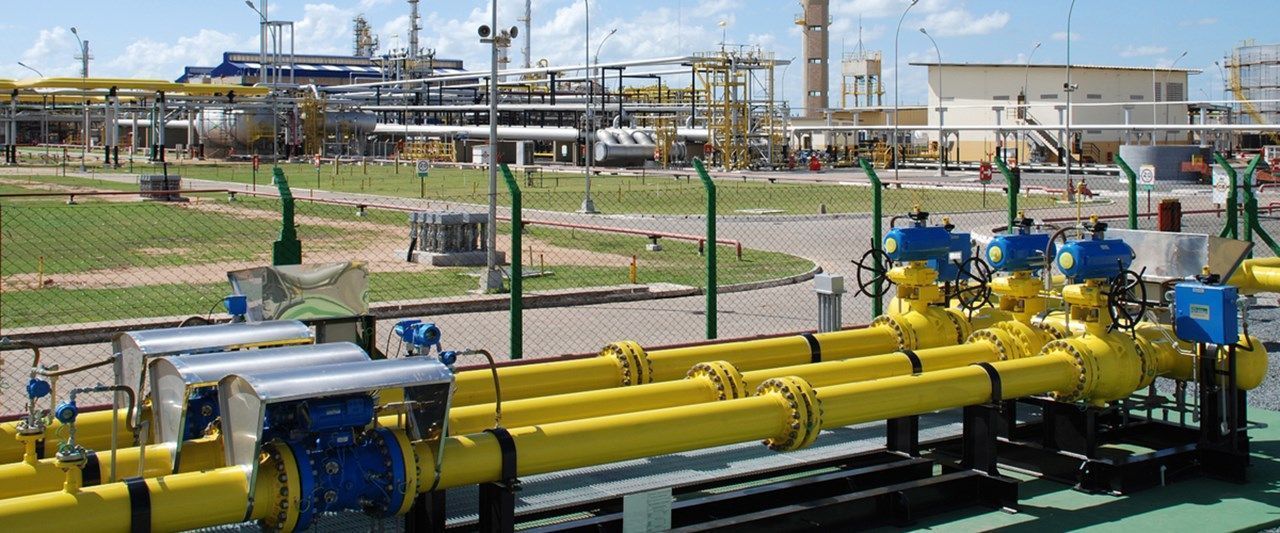
Harnessing Natural Gas Potential in Brazil, International Investors Are Turning Their Attention to This Segment in the Country
The natural gas sector in Brazil is preparing for profound changes. In addition to Petrobras undergoing a radical withdrawal from its gas portfolio, a series of government reforms aim to increase participation and investments in the sector, such as the proposal for the New Gas Market.
Also See Other News
- Port of Rio de Janeiro has New Projects to Increase Competitiveness
- Government Measure Zeroes Taxes on Importing Solar Energy Equipment
- Aneel Approves Commissioning of Wind Energy Plant in Bahia by EDF Renewables Brazil
But while the sales of Petrobras pipelines and infrastructure are not yet consolidated, foreign investors are already looking for alternatives to tap into the significant gas potential of the country.
Golar Power, a Brazilian supplier focused on LNG, signed an agreement in early July with Galileo Technologies to market and distribute 30 million tons/year of gas through the Brazilian road network.
-
Chinese giant worth nearly R$ 4 billion that manufactures cables for electric cars, solar energy, and robotics wants to open a factory in SC.
-
Many employers do not know, but the law guarantees domestic workers a 25% increase in salary during trips, 50% for overtime, 20% for night shifts, and 17 additional benefits that can lead to labor lawsuits if not paid.

-
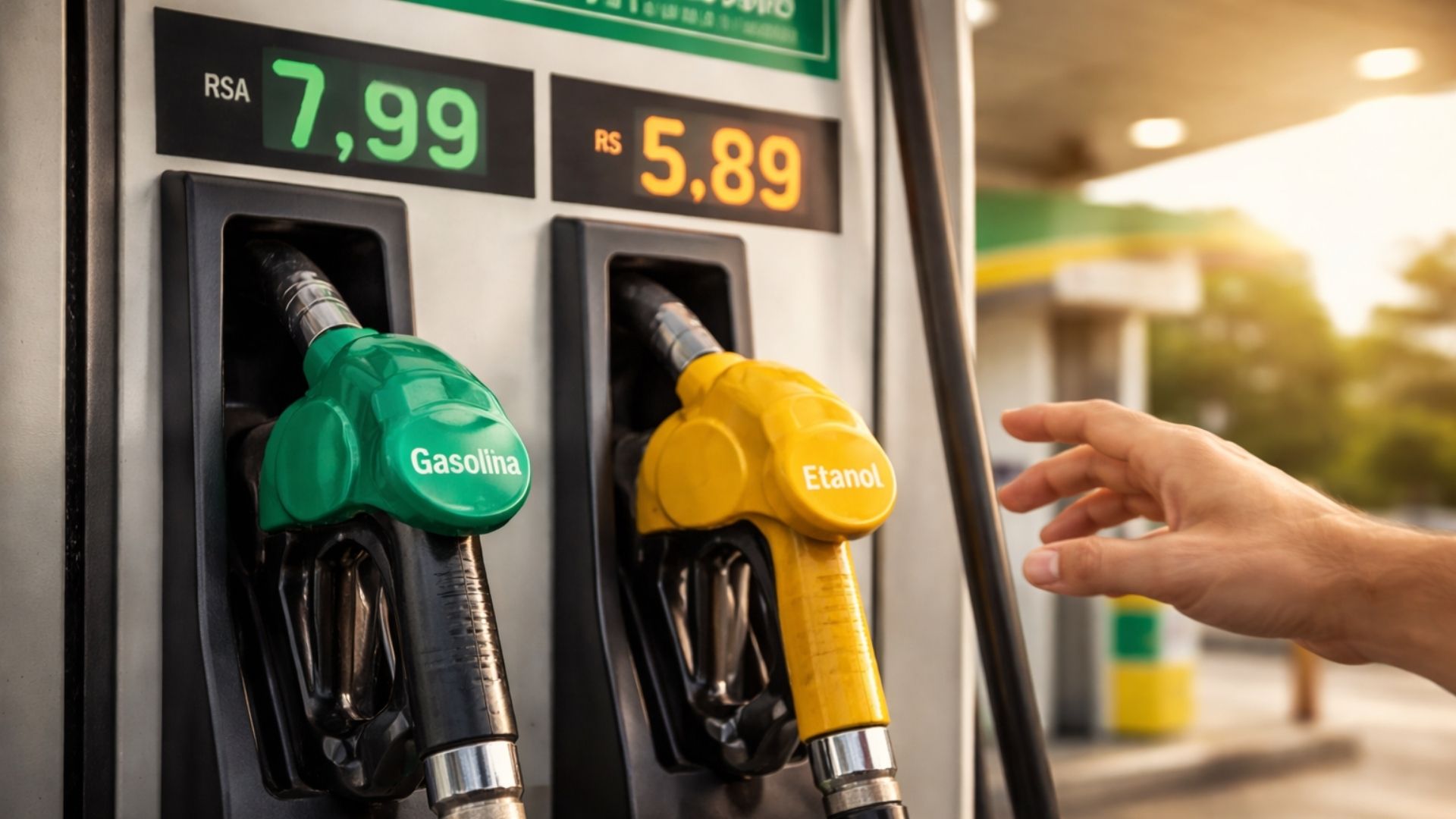
Gasoline prices soar and the question arises: is ethanol more advantageous? The 70% rule reveals the limit with gasoline.
-
The government has made a decision and is starting a test with more ethanol in gasoline, anticipating a mixture of up to 35%, diesel with 25% biodiesel, and a study to assess the impacts on engines.

The Galileo aims to combat the lack of pipeline capacity and adequate infrastructure in the country through the use of tanker trucks.
In an Interview with Petroleum Economist, Galileo CEO Osvaldo del Campo Spoke About the Project and Other Growth Prospects for the Natural Gas Sector in Brazil. Check It Out in Full.
How Will Galileo’s Technologies Help Promote LNG Supply in Brazil?
Del Campo: Our Gas 3.0 technologies make it possible to supply gas anywhere, regardless of scale. We can process and liquefy gas at the source, transport it by road as LNG, and transfer it to vehicles or regasify it with less complexity and at a lower cost compared to current practices. This brings greater efficiency that can serve new customers at distances greater than those served by conventional pipeline infrastructure. Galileo is forming alliances worldwide with other companies to enable the development of these innovative concepts.
The Brazilian government is in the process of liberalizing the domestic gas sector. What opportunities does this present for companies?
Del Campo: A few years ago, the Brazilian government established that road transportation of natural gas, where Galileo has great experience, is a free and unregulated market. Brazil is a market with significant industrial development, but paradoxically, conventional pipeline coverage is relatively low. This is a great opportunity for both companies.
How Limiting is the Lack of Domestic Gas Infrastructure in Brazil?
Del Campo: More than a limitation, it is an opportunity. The lack of pipeline infrastructure makes transporting gas through virtual pipelines [by road] the most efficient and cost-effective alternative for the vast Brazilian territory. Thanks to virtual pipeline technology, the deforestation involved in building pipelines can be avoided, as we can use the existing road network. This is an important environmental benefit for Brazil and for the planet.
What Are Your Expectations for LNG Growth in Energy in Brazil?
Del Campo: We understand that the countries of southern South America, given the availability of natural gas in Brazil and Argentina, have great potential for the distributed generation of LNG, as costs and environmental impact are reduced compared to conventional fossil fuel use. This is also true in the case of LNG for industrial consumers. There is significant opportunity for converting freight transportation to LNG: distances in the subcontinent are long, and current transportation costs are very high. Utilizing an abundant and inexpensive fuel like LNG will contribute to cargo movement savings in the Mercosur region. This massive reach will be especially relevant in southern Brazil and central Argentina, hubs of agricultural, livestock, and industrial activity in the region.
What Role Can LNG and Other Gas Sources Play in Decarbonizing the Brazilian Economy?
Del Campo: LNG reduces emissions and facilitates the energy transition. Furthermore, Brazil is a key player in the biofuels business. Thanks to its bioethanol production industry, Brazil is one of the world’s leading biomass producers. Therefore, Brazil has significant potential for biogas, and we have the treatment and liquefaction technology to convert this resource into liquid biomethane or bio-LNG and negative emissions. At Galileo, we believe that the methane/biomethane platform is the only realistic and tested platform to reduce heavy transport system emissions at competitive costs. We have been working in this line for 30 years.
The Covid-19 pandemic caused gasoline prices to drop this year, and a global oversupply is expected to last for the coming years. How Much of a Long-Term Threat Does This Represent for the Growth of Brazil’s Natural Gas Sector?
Del Campo: Yes, we have seen a reduction in prices, but we are thinking beyond this emergency. This is a project for the future. In this world, the consequence of Covid-19 is a deeper environmental consciousness that will demand technologies and solutions. The reduction of emissions over these months has been evident, and we have witnessed it worldwide. The issue is no longer a discussion among climate change experts. Now we must be prepared for a world returning to full activity, and societies will not be willing to give up this unexpected and benign environmental outcome.
Source: Petroleum Economist









Seja o primeiro a reagir!