





 Portuguese
  English
  Spanish
  3 min of reading


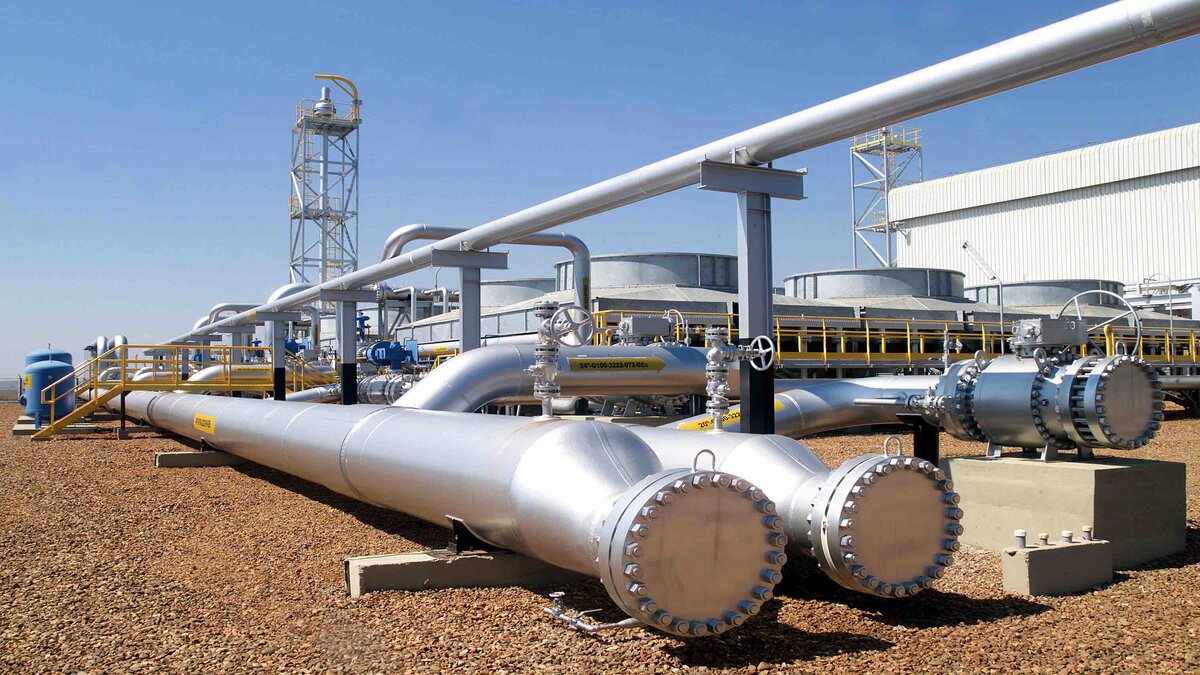
Natural Gas Consumption Increases by 21% in Minas Gerais in 2021, 35% More Than the Same Month Last Year, and It May Be Related to the New Gas Law Passed in April 2021.
Unfortunately, natural gas prices will have some adjustments throughout the year, as well as in the coming years. This increase is related to the rise in consumption and production, as well as the New Gas Law. The outlook is that the economic sector will experience positive impacts once new investments are made in infrastructure, especially in Minas Gerais.
In April, the daily production volume of this gas was 131 million m3. This value experienced a 6% increase compared to the same month (April) of 2020, regarding the production of such fuel. By 2050, the target to be achieved is to produce a total of 220 million m3, which means an increase of 89 million m3 compared to 2021.
You Might Be Interested In:
How the New Gas Law May Affect Natural Gas Prices?
In June, there was a change regarding the regulation of the New Gas Law, and with it, an estimated investment of R$ 74 billion may be on its way. According to data published by the Ministry of Mines and Energy, the expectation is that, through this money, 33 thousand jobs will be created.
-
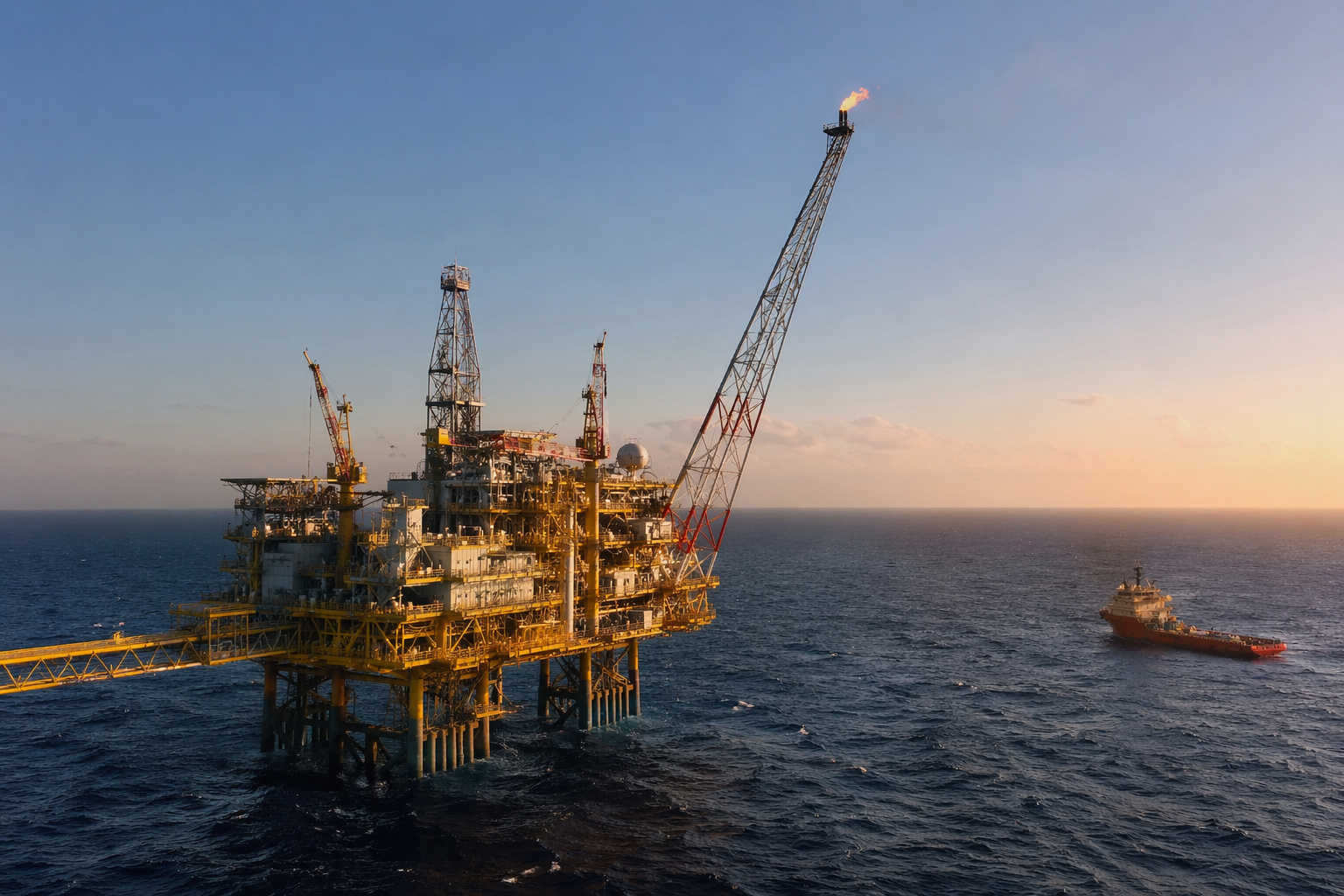
The next exploration auction in the pre-salt will offer 23 blocks in the Campos and Santos basins and could change the interest of oil companies in Brazil.
-
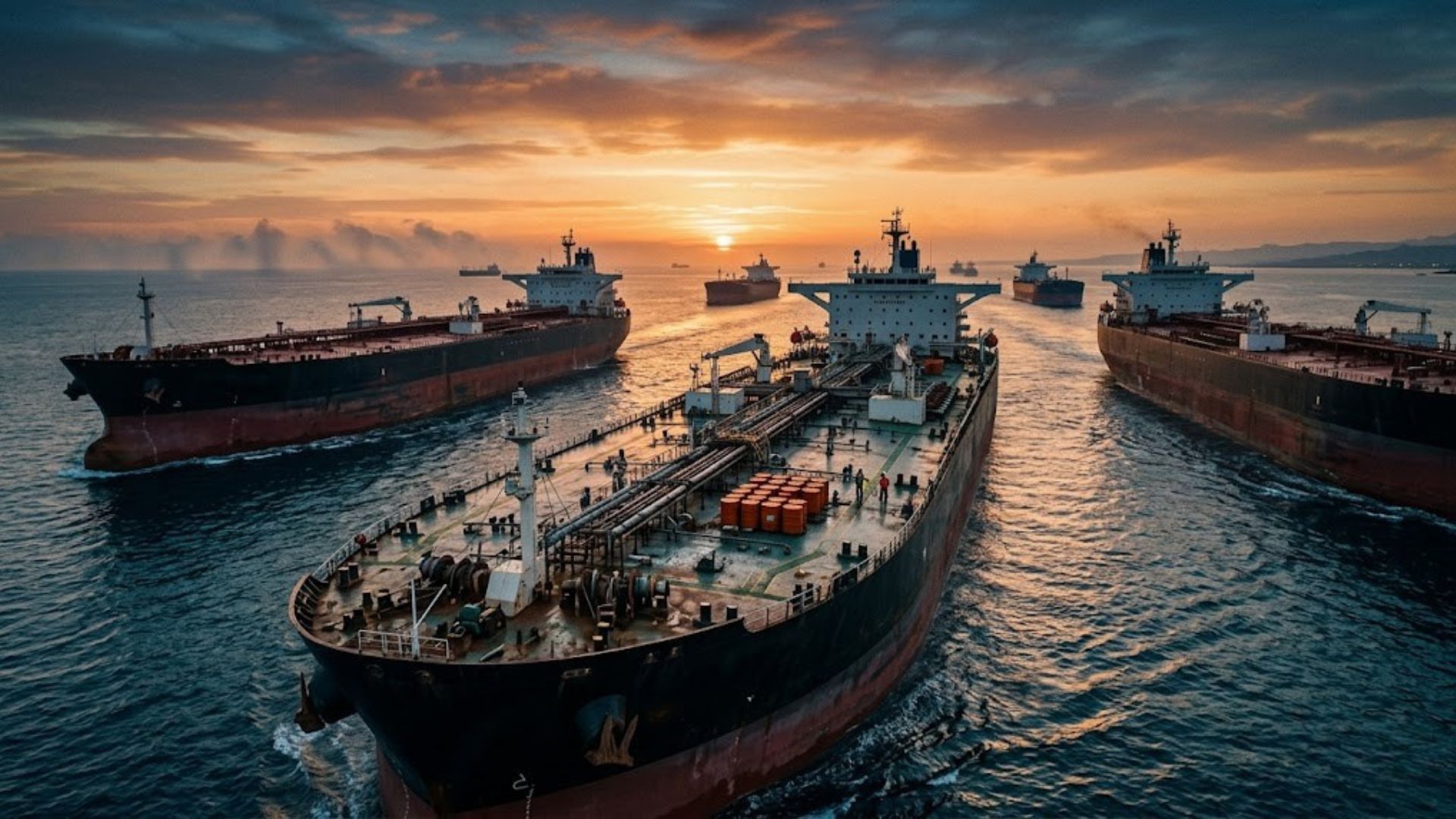
Red Sea, from biblical site to oil hope: South Korea reveals ambitious plan to create new oil routes through the Red Sea with the dispatch of 5 ships, agreements with 3 countries, and a focus on the strategic port of Yanbu.
-
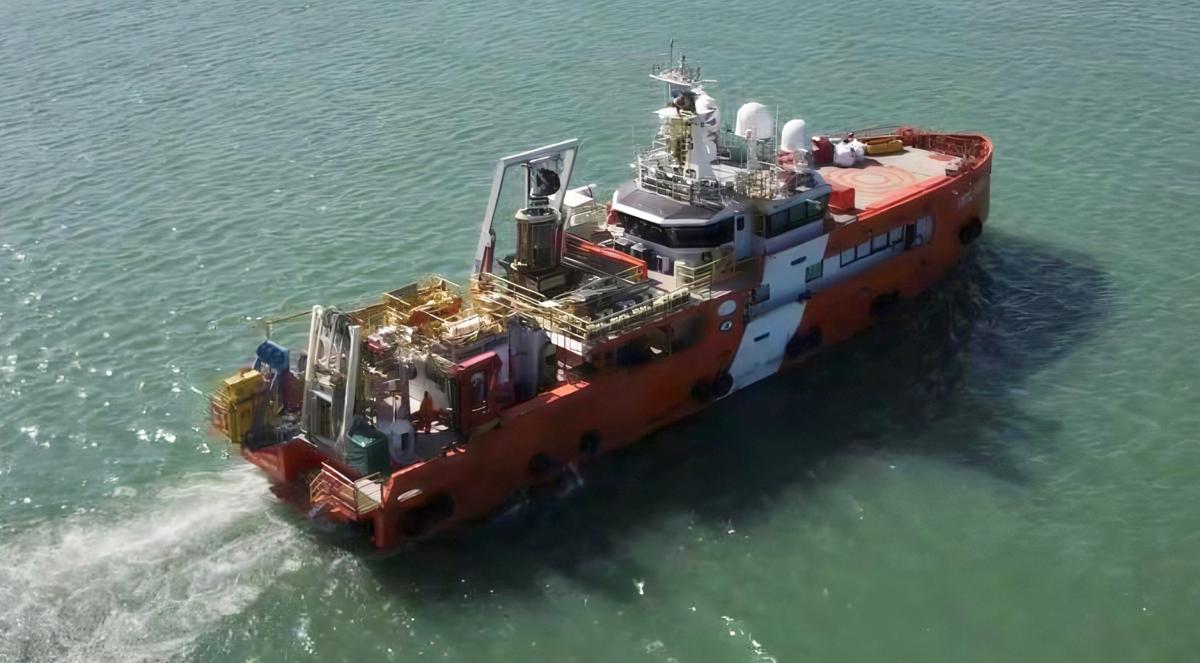
SISTAC expands contract with Petrobras for maintenance of platforms in the Santos, Campos, and Espírito Santo basins using ROV and specialized underwater operations.
-
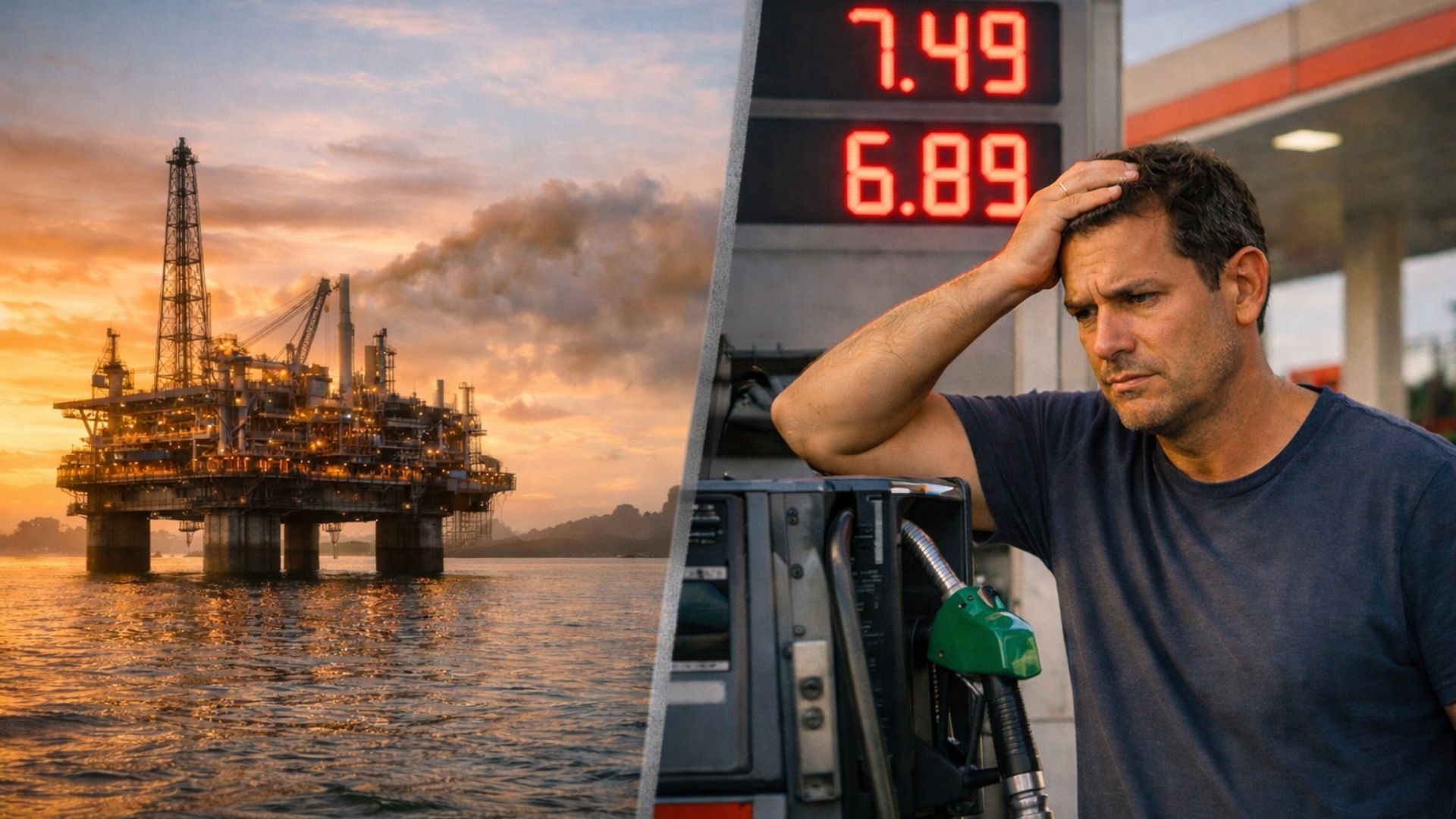
Brazil has oil, but not gasoline: the country produces more than 4 million barrels per day, consumes less than half, but remains dependent on imports, says former CEO of Petrobras.
The forecast for such positions is for the next 10 years, so there are opportunities for direct or indirect hiring. Just stay tuned for the upcoming updates regarding these positions. Among Brazilian states, natural gas was consumed the most in the Southeast region, precisely in the state of Minas Gerais.
In July of this year, the pipelines transported the equivalent of 116 thousand m3. This value is 21% higher than what was seen in June and 35% higher than the value recorded in July 2020.
However, in an interview with Brasil 61, Fernando Montera, Coordinator of Relationships, Oil and Naval Gas at Firjan, issued an important warning. According to him, “the rules are in place and there is a regulatory agenda to be addressed at both federal and state levels. It is pointless to have established federal rules if states cannot advance in the regulations for opening distribution markets.”
Thus, if Minas Gerais produces and consumes more natural gas than other states, it is necessary to review the current regulations. After all, the New Gas Law applies to all of Brazil, and it is up to states to be more productive to match consumption.
After All, What Is This New Gas Law and How Does It Work?
What was previously known as bill 6407/2013 has been transformed into Law No. 14.134, of April 8, 2021. One of the main factors that led to the modification of the old law, which was considered the regulatory framework, was the change from a concession regime to an authorization regime.
To change a law, much more than a single factor is required. Therefore, other factors that can be listed include: permission for third parties to access gas pipelines, terminals for Liquefied Natural Gas (LNG), new rules for tariff application, and units for processing and treatment of natural gas.
The Federal Government expects that, with this New Gas Law, there will be a reduction in the bureaucratic aspects of constructing new pipelines. If this occurs, new jobs will be created as there will be a decrease in transportation costs, and labor will be needed to build the pipelines.
Therefore, the law aims for a partnership with the Ministry of Mines and Energy (MME), the National Agency of Petroleum, Natural Gas and Biofuels (ANP), and the Brazilian states, so that regulations prevail throughout Brazil. And not just in the state of Minas Gerais.








Seja o primeiro a reagir!