





 Portuguese
  English
  Spanish
  4 min of reading
  0 comments


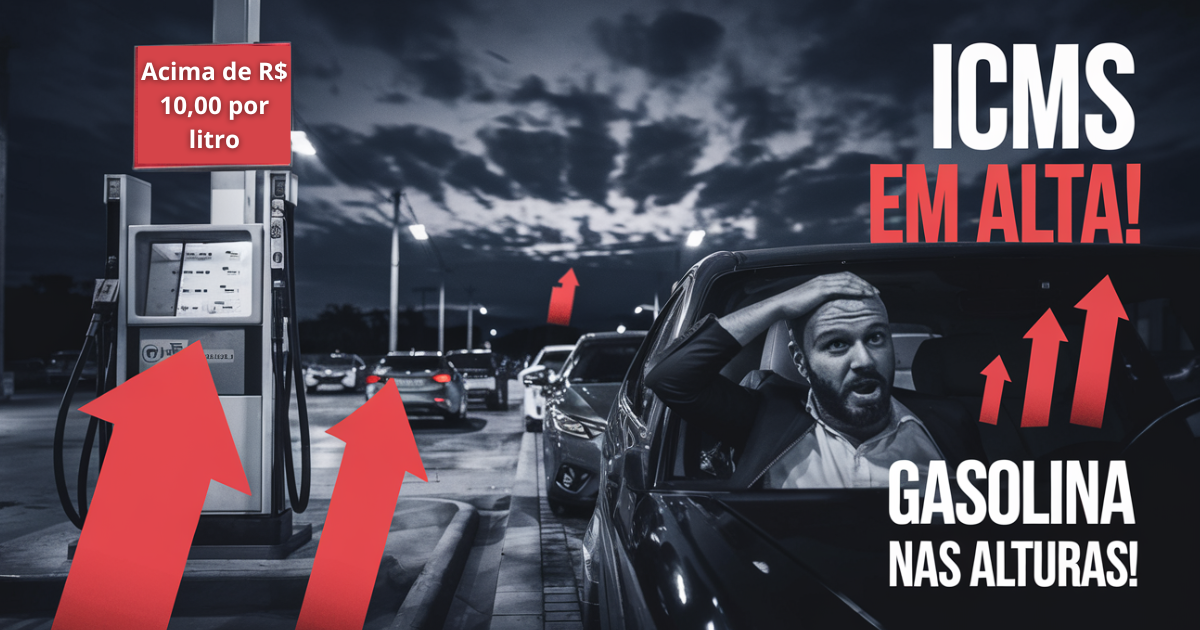
Explosion In Fuel Prices In 2025! With The Increase Of ICMS, The Rise Of The Dollar And Oil At New Heights, Gasoline And Diesel Weigh Even More On The Wallets Of Brazilians. Understand What Is Behind This Crisis And How It Can Impact The Economy And Your Day To Day In This Challenging Year
The Year 2025 Began With News That Is Already Causing Concern In Brazilian Households: Fuel Prices Are Higher, And The Outlook For The Coming Months Is Not Encouraging.
Between The Increase In ICMS, The Rise Of The Dollar, And The Recovery Of International Oil Prices, Gasoline And Diesel Prices Continue To Rise And Impact The Budgets Of Drivers And Industry.
ICMS And Fuels: What Changed In 2025
According To The Portal Folha de S.Paulo, Starting In February, The Tax On Circulation Of Goods And Services (ICMS), Which Applies To Fuels, Underwent A Significant Adjustment In Almost All Of The National Territory.
-
The institute that trained the greatest aerospace engineers in Brazil has just opened its first campus outside São Paulo after 75 years: ITA Ceará will have R$ 445 million, new courses in energy and systems, and classes are expected to start in 2027.

-
Luciano Hang, owner of Havan, goes to Juiz de Fora after the tragedy in February, brings R$ 1 million, hands out R$ 2,000 cards, and donates up to R$ 15,000 to victims in the region.

-
The Brazilian passport allows legal residence in dozens of countries without the need for a prior visa, and most Brazilians are unaware that they can apply for residency directly upon arriving in nations in South America, Africa, and even Europe.

-
Petrobras sends a message to Brazilian truck drivers after fuel collapse and reveals plan to have 100% domestic diesel.
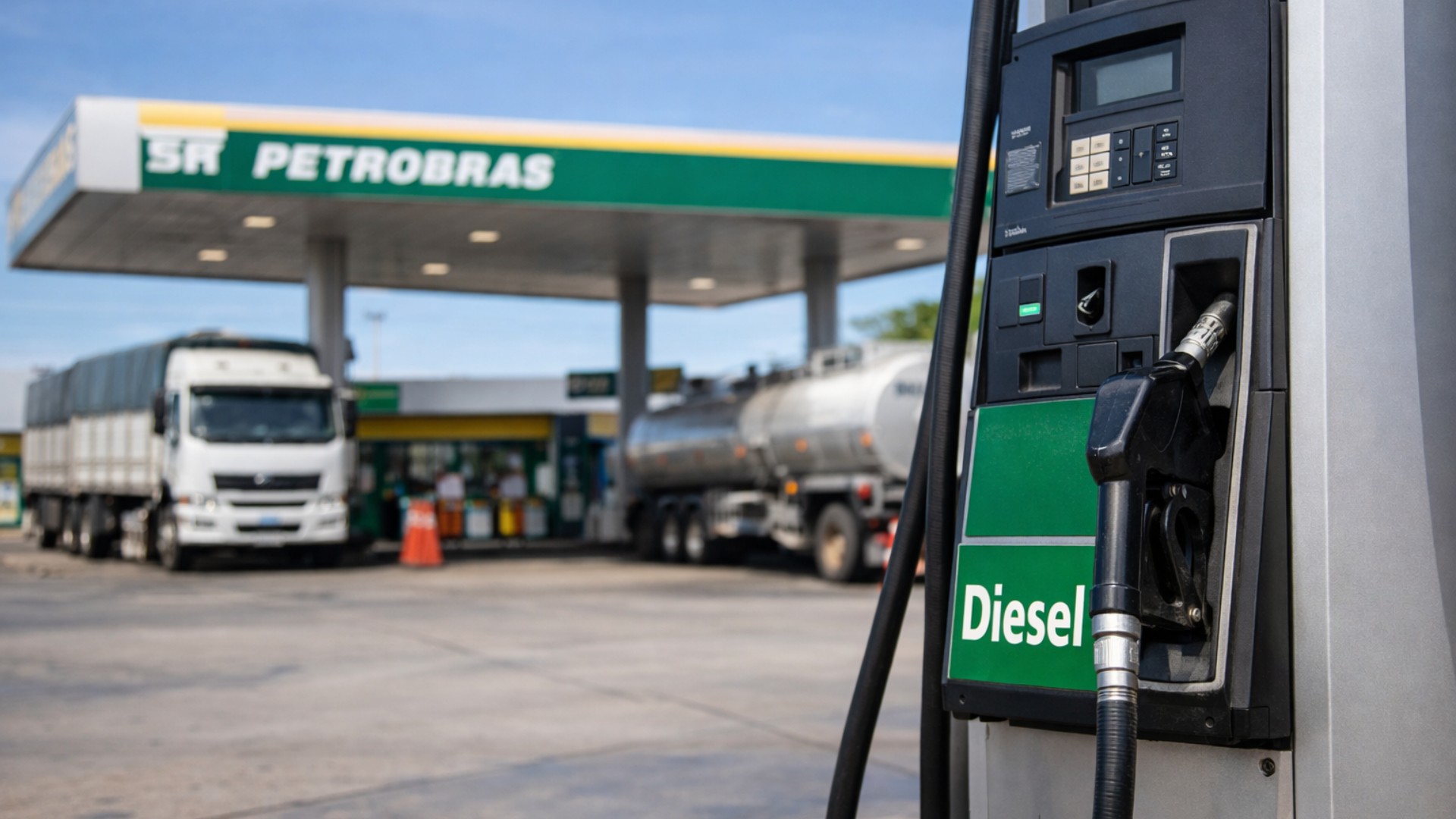
This Change Occurs In A Context Where States Seek To Reinforce Their Revenues In Light Of The Need To Balance Public Accounts.
- For Gasoline, The ICMS Increased From R$ 1.37 To R$ 1.47 Per Liter, A Rise Of 7.3%.
- In Diesel, The Rate Rose From R$ 1.0635 To R$ 1.12 Per Liter, Representing A Growth Of 5.31%.
According To Experts, This Increase Is One Of The Main Factors Responsible For The Immediate Rise In Fuel Prices At The Pumps.
According To The National Federation Of Fuel And Lubricants Trade (Fecombustíveis), The Impact On The Final Consumer Could Reach R$ 0.25 In The Price Of A Liter Of Gasoline.
Increase In Oil And Dollar Worsens Scenario
Another Factor Contributing To Price Pressure Is The Recent Increase In Oil Prices In The International Market. Between December 2024 And January 2025, The Price Of Brent Crude Oil, A Global Benchmark, Increased From US$ 72 To US$ 76.
Analysts Predict That The Political Tensions Involving Sanctions On Iran And Other Producing Countries Could Keep Prices High In The Coming Months.
The High Dollar Has Also Directly Influenced The Cost Of Fuels, Since Brazil Imports Part Of Its Consumption. In Recent Months, The American Currency Surpassed The Barrier Of R$ 5.30, Making Imports Even More Expensive.
Petrobras And Private Refineries: Divergent Policies
Petrobras, The Main Fuel Supplier In The Country, Announced That It Will Still Assess Market Conditions Before Making New Adjustments.
In 2024, The State-Owned Company Made Few Changes To Prices: There Was Only An Increase In Gasoline And No Changes In Diesel.
This Stance Contrasts With That Of Private Refineries, Such As The Mataripe Refinery, Controlled By Acelen, Which Continues To Pass On International Market Fluctuations More Frequently.
At The End Of December 2024, For Example, Mataripe Increased The Selling Prices Of Gasoline And Diesel, Justifying The Move By The Rise Of The Dollar.
This Model Of Frequent Adjustment Could Widen Regional Disparities In Fuel Prices, As Private Refineries Have A Greater Impact In Some Regions Of Brazil, Such As The Northeast.
Impacts On Consumer And Economy
The Increases In Fuel Prices Have A Cascading Effect Across The Economy, Raising Transportation And Logistics Costs And, Consequently, The Prices Of Goods And Services. For Consumers, This Means Less Money In Their Pockets And Greater Inflationary Pressure.
Experts Point Out That The Rise In Fuel Prices May Also Hinder The Central Bank’s Outlook To Lower Interest Rates, Which Needs To Control Inflation Before Easing Monetary Policy.
The Role Of Government And The Search For Solutions
In Light Of This Scenario, The Federal Government Has Been Discussing Alternatives To Mitigate The Impact Of Fuel Prices On The Population.
Among The Options Considered Is The Expansion Of Subsidies To Lower Consumer Prices, But This Measure Faces Resistance Due To Its High Fiscal Cost.
Another Alternative Would Be To Invest In Renewable Energy Sources And Encourage The Use Of Electric Vehicles, A Global Trend That Still Faces Structural Challenges In Brazil, Such As The Lack Of Charging Infrastructure.
With The Combination Of Increased ICMS, Rising Oil Prices, And Currency Pressure, The Outlook For Fuels In 2025 Requires Attention From Both The Government And Society.
Consumers Need To Adapt To These New Prices, While The Government Must Seek Sustainable Solutions To Mitigate Impacts And Ensure A More Balanced Energy Future.
And You, Do You Believe That The Price Of Gasoline Could Exceed R$ 10 Per Liter In 2025? Share Your Opinion!









Seja o primeiro a reagir!