





 Portuguese
  English
  Spanish
  3 min of reading


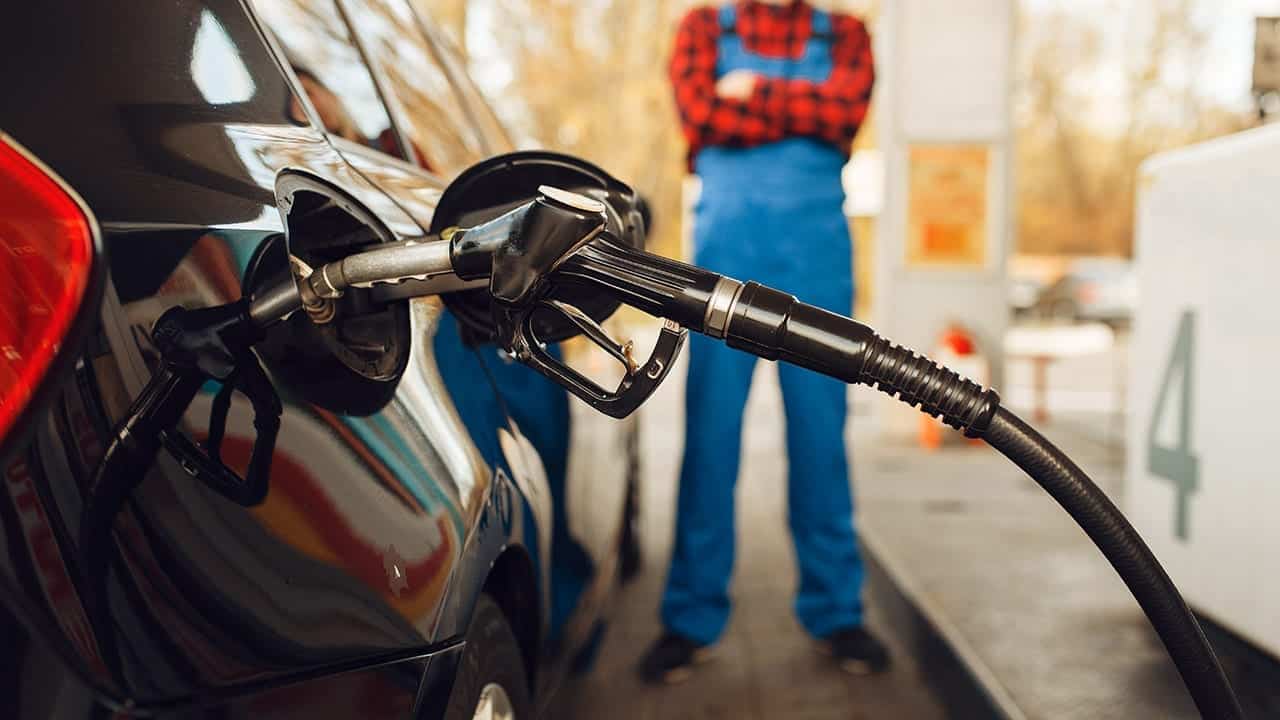
The Gasoline Price Is a True Mystery of the Economy for 2023. Due to the Tax Cuts on Fuels at the Pump, Decreed by the Bolsonaro Government, Elected President Luiz Inácio Lula da Silva (PT) Will Face a Major Challenge Alongside the International Fuel Scenario. See If Gasoline and Diesel Will Become Cheaper in 2023.
This is because, with the threat of recession in the global economy, Lula may still implement changes at Petrobras that could eventually affect the pocketbook of those looking to fuel their vehicles.
In this sense, specialists from Financial Intelligence point out that Brazil should prepare for cuts in the global oil chain starting next year. With no prospects for resolution regarding the Ukraine War, fuel demand is expected to continue increasing due to tighter supply.
Currently, the average price of gasoline is R$4.98 per liter, according to Petrobras. However, the value may rise, meaning potential adjustments will affect the population. According to ANP (National Agency of Petroleum), the average resale price of fuels is R$5.02 at Brazilian gas stations.
-
Global trade hit a record and surpassed $35 trillion in 2025, but one-third of the growth came from a single sector that did not exist on a large scale five years ago, and the countries that profited the most were not the United States or China, but Taiwan, South Korea, and Southeast Asia, which have become the heart of the AI revolution supply chain.

-
Retirees receive double after error that left employees without salary.

-
It may seem like an exaggeration, but it’s not: your financial life can remain weak even with a high income if you don’t cut expensive debts, invest half of the increase for 12 months, and turn R$ 2,000 or R$ 3,000 monthly into assets.

-
Toyota confirms the end of an era with the closure of a historic factory after nearly 30 years, transfers Corolla production, maintains 1,500 jobs, opens 500 positions, and announces an investment of R$ 11 billion by 2030 in a new phase in Brazil.
Gasoline Price Drop Is Already a Reality, Says Rystad
On the other hand, the outlook for oil barrels through the end of the year is stability. In this regard, the Norwegian research company Rystad Energy states that the future price of Brent will remain above US$90 per unit; however, it will be below the range of US$100 or US$110.
The vice president of Rystad in Brazil, Gabriel Roisenberg, points out that the pressure on gasoline prices will not have the same inflationary impact seen in the middle of this year.
Before the federal government sanctioned the Fuel PEC in June of this year, gasoline was one of the major villains driving inflation increases in the country, rising by 2.48% in April.
According to Roisenberg: “Today, what keeps the Brent price lower is the impact of the ‘zero-covid’ policy implemented by China.”
The Asian country has maintained demand in the fuel chain, easing prices in the international market driven by increased demand for aviation kerosene (QOD) as well as highway traffic fuel, according to Roisenberg.
Will Oil Barrels Be Cheaper in 2023?
According to the Norwegian energy company, the current zero-covid policy is not expected to last. Therefore, Rystad predicts that the Chinese government will abandon the measure in December.
Moreover, based on Rystad’s calculations regarding the global supply and demand chain of oil, the oil sector in 2023 will feel less inflationary pressure on Brent and, therefore, the prices of gasoline and fuels should decrease.
Thus, Roisenberg reiterates that “the impact on gasoline could be positive. We believe that Brent will return in 2023 to the vicinity of US$ 80 per barrel. Today we have an unbalanced supply and demand chain, but it should return to normal next year.”
Finally, the elected president has not shown signs of intending to revoke the Fuel PEC. However, Lula aims to discuss the measure with governors during the government transition.








Seja o primeiro a reagir!