






 Portuguese
  Spanish
  3 min of reading


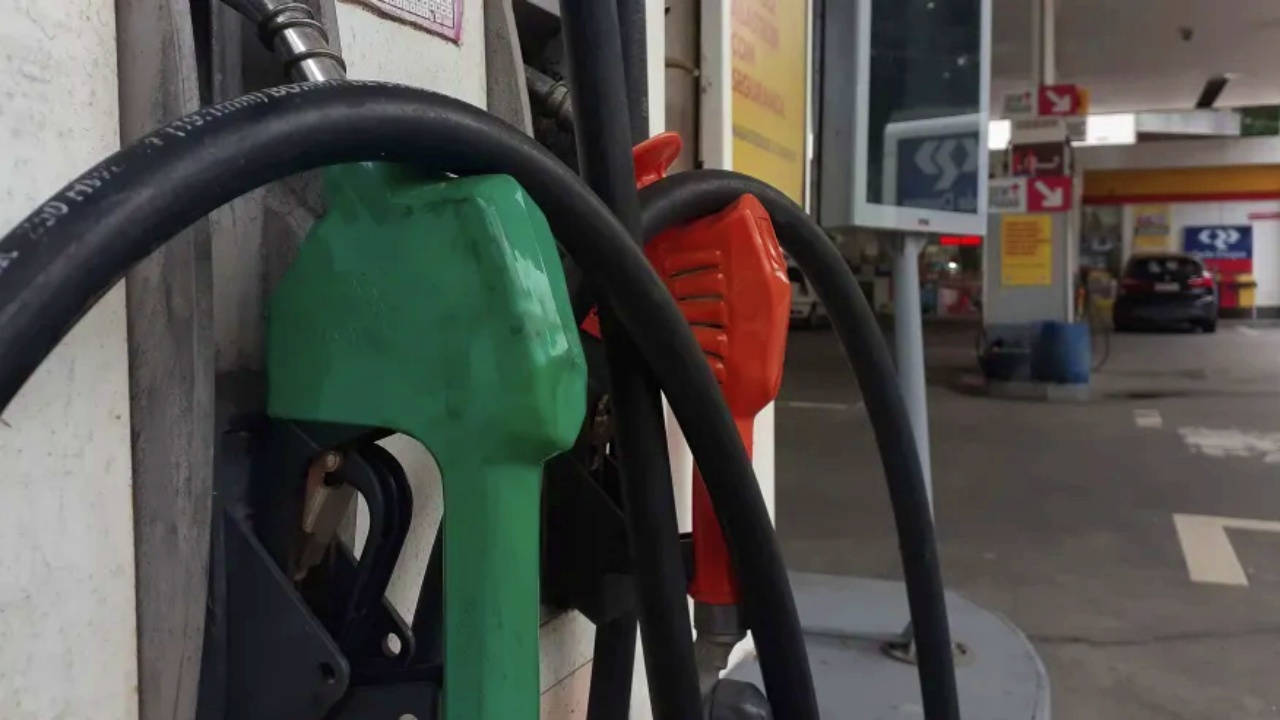
The Aid PEC and ICMS Reduction Are Insufficient to Reduce Logistics Costs. Measures Have an Expiration Date and There Are Pass-Throughs of Previous Adjustments That Have Not Yet Been Adopted by Logistics Companies.
The Brazilian consumer had a small relief in their pocket when facing two announcements from the federal government: the reduction of ICMS for fuels from 25% to 18%, and the so-called Aid PEC, which, if its text is fully approved, will free R$ 1,000 per month for self-employed truck drivers. In this case, the hope is that the reduction in final fuel prices and the aid to those transporting cargo can lower the prices of various products for the final consumer, but this would theoretically be the case.
However, according to the National Agency of Petroleum, Natural Gas and Biofuels (ANP), the price of diesel fell by only R$0.05. The Ministry of Mines and Energy had expected a reduction of R$0.13.
One of the Major Drivers of Inflation Is Diesel
“Currently, one of the major drivers of inflation is diesel, given that the majority of goods are transported by road. The trouble began last year, with a 46.8% increase compared to 2020. And between January and May of this year, the increase has already surpassed 28%. Logistics companies have entered into a loop, as it was not viable to pass everything on to the buyer, who, in turn, also has problems in passing costs to the final consumer immediately. These increases have caused real chaos in various sectors of the economy,” assesses Antonio Wrobleski, chairman of the Administrative Council of Pathfind.
-
Why can the crane operator only obey the correct signalman on the construction site: among dozens of workers, a hand raised by the wrong person can confuse the maneuver and turn a load of tons into an immediate risk.

-
What changes with the new public transportation rules that can reduce pressure on fares and pave the way for zero fare in Brazil?
-
Argentina confirms Belgian giant to lead strategic Paraná River waterway and promises to reduce logistical costs on one of South America’s most important routes
-
MBRF surprises the logistics sector by demonstrating how Artificial Intelligence can directly influence deliveries throughout Brazil by reorganizing distribution routes in seconds, optimizing fleet usage, reducing logistics costs, and speeding up product arrivals even in the face of unforeseen road incidents.

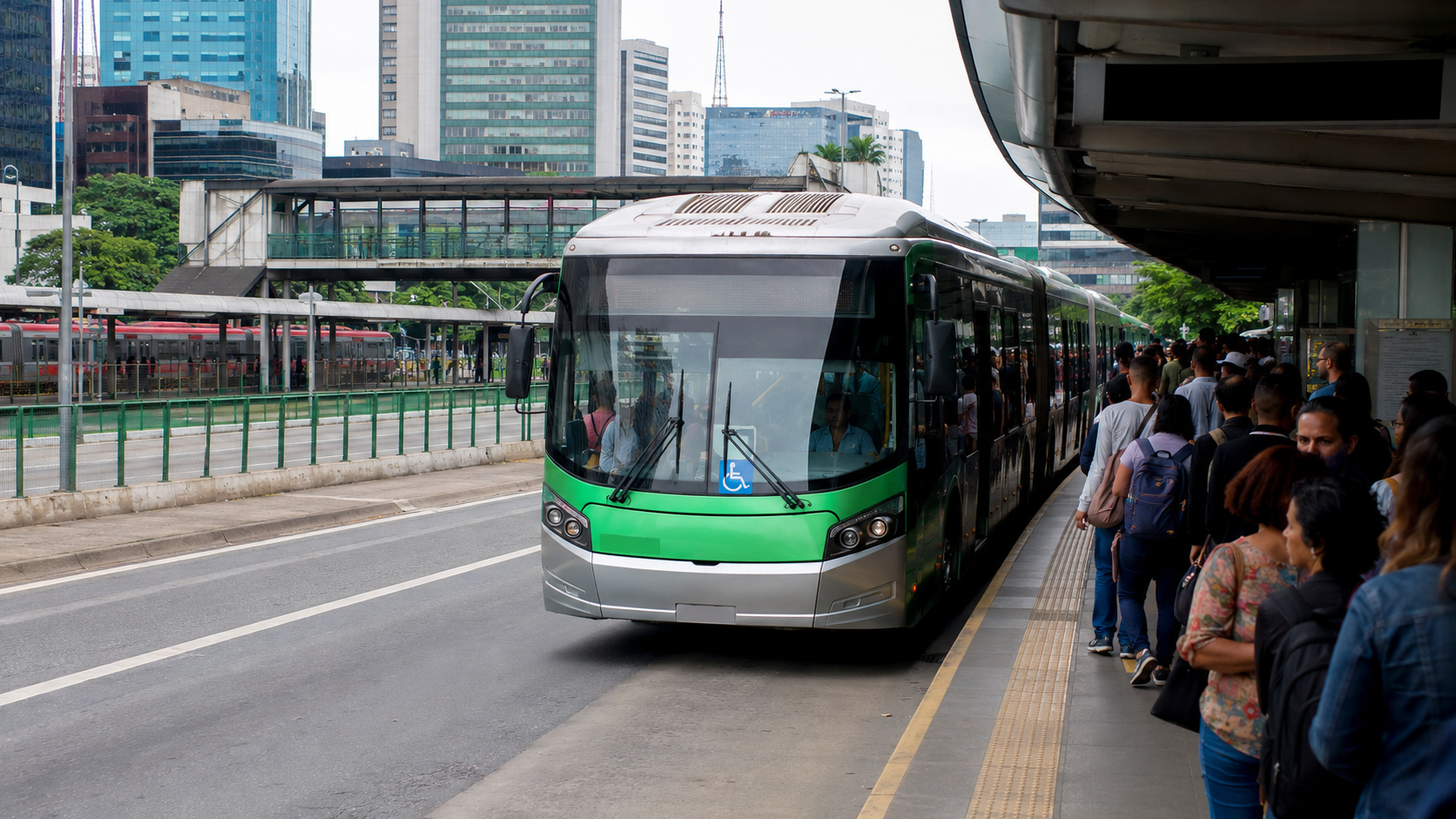

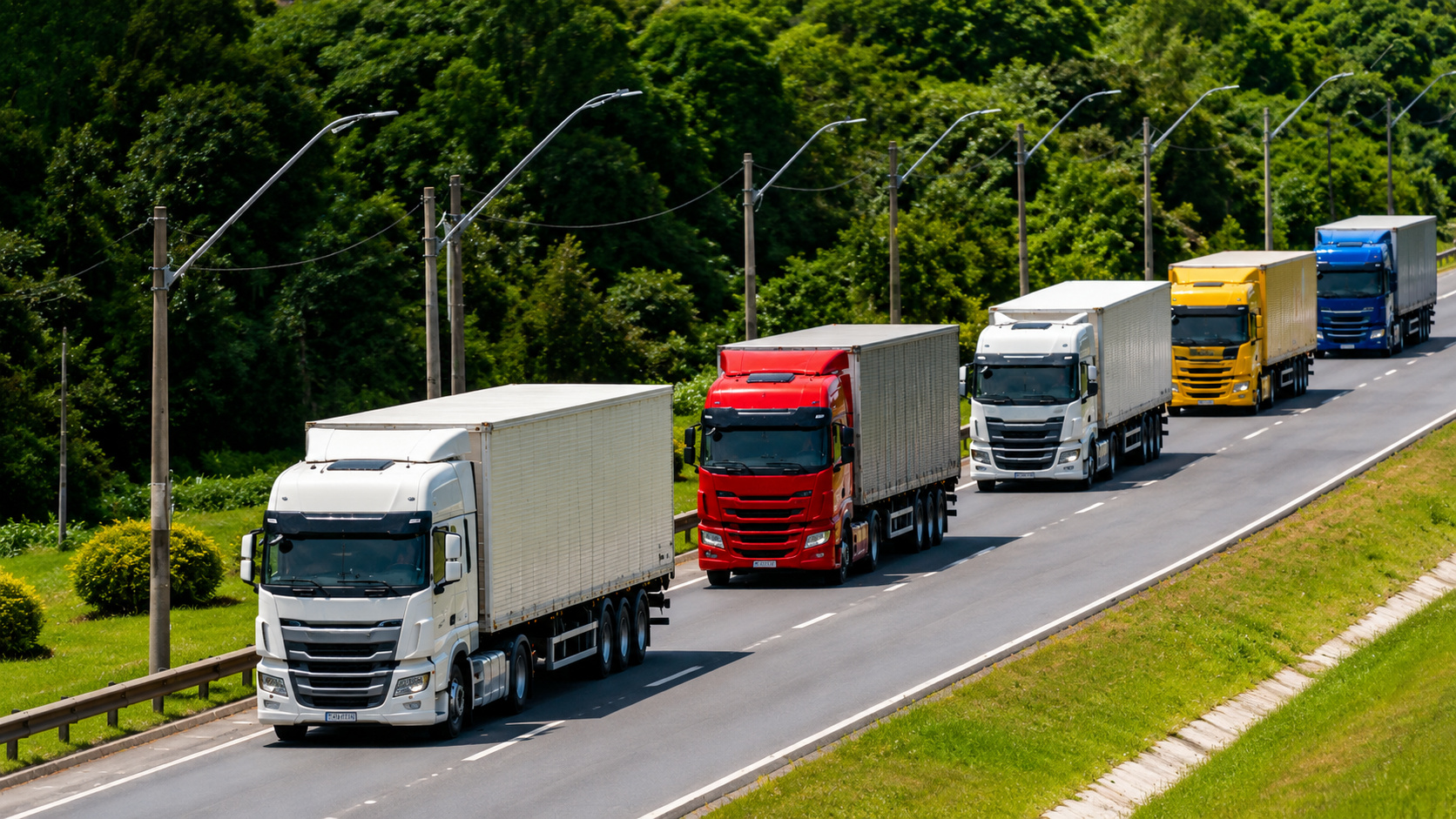
According to the expert, the other obstacle for the logistics sector is the unpredictability of fuel price increases. “The current pricing format, price parity policy, takes into account international oil prices. Additionally, the diesel provided by Petrobras contains imported components. In other words, the price goes up because it has to go up, regardless of the ICMS charge. Another issue is the insufficient diesel stock in the country, even though stock represents idle money and generates costs of over R$1 million per month,” he states.
The Aid PEC Will Benefit Only Self-Employed Truck Drivers
According to Wrobleski, the Aid PEC will benefit only self-employed truck drivers – with undefined effectiveness, as diesel expenses are expected to continue rising with price parity – and will not directly affect the costs of logistics companies. “The PEC creates benefits for some categories and not for others. Companies will end the year with 10% inflation that is not being passed on. We are reaching a limit. Next year, regardless of the incoming government, there are expectations for pass-throughs, especially since current measures [aid and ICMS reduction], directed towards an election year, are valid until December. The road to good ideas is paved with hell,” he concludes.
About Antonio Wrobleski
Partner and advisor at Pathfind and Chairman of the Administrative Council of BBM Logistics, specialist in logistics. Engineer with an MBA from NYU (New York University) and also partner at Awro Logistics and Holdings.
He served as president of Ryder in Brazil from 1996 to 2008, and in 2009, he established AWRO Logistics and Holdings, focusing on M&A and consolidation of platforms in Brazil. He was Country Manager at DHL and Executive Director at Hertz.
Antonio Wrobleski’s work has significant exposure in the international market, with projects in over 15 countries in both import and export trade. Additionally, he is a black belt in jiu-jitsu, having practiced the sport for 30 years.





Be the first to react!