





 Portuguese
  English
  Spanish
  4 min of reading


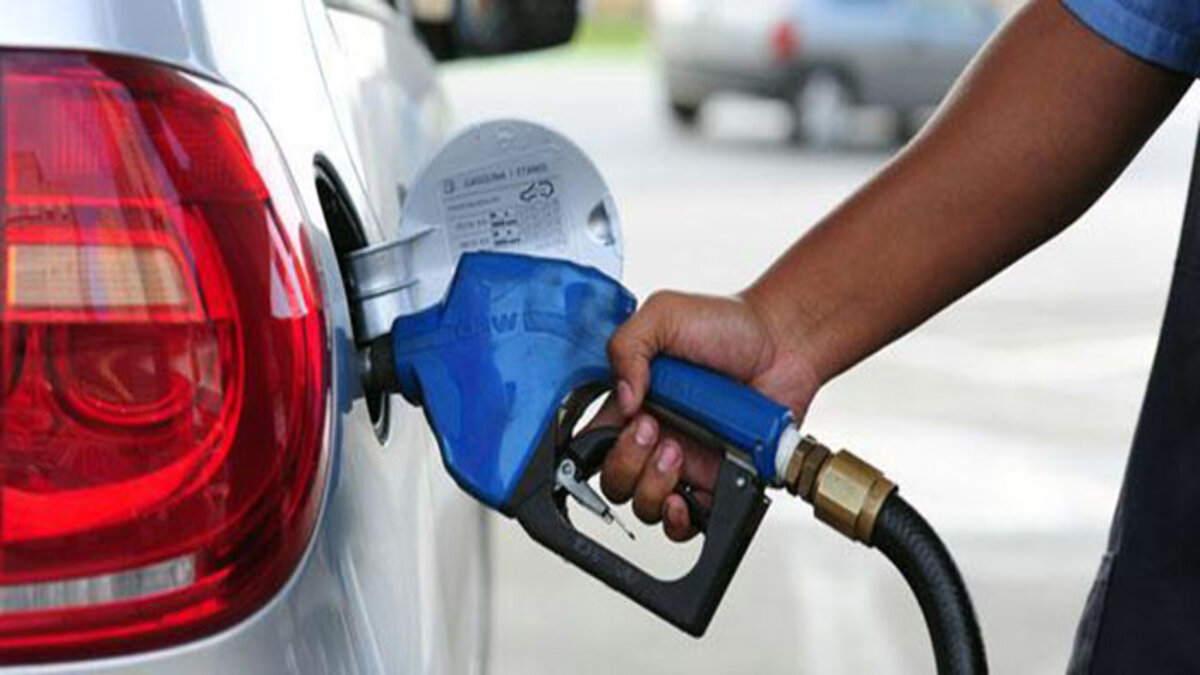
State And Federal Taxes And High Dollar Are The Main Factors For Gasoline To Have Such A High Price In Brazil.
Every day, one of the biggest concerns for Brazilians is refueling their means of transport. With constant news that prices are always changing, there is no way to predict what the gasoline price will be when we arrive at the gas station. For a long time, we haven’t been lucky enough to encounter a reduction in prices in Brazil. It’s always increases, and forecasts suggest more hikes throughout the year. Taxes have a significant contribution to this increase.
But what are the factors that cause this value to rise so rapidly, almost daily? There is no specific formula to lower the price; after all, if the problem were only one, it would be easier to solve. However, it is internal and external factors that determine the final price.
Also Read:
When Prices Rise At Refineries, Gasoline Rises At Gas Stations
For example, if we take the values from the beginning of the year in January to the current month of August, the prices jumped from R$ 2.86% to 3.62% at refineries. However, this is not the final price that consumers will pay. When they arrive at gas stations to refuel, Brazilians encounter prices that can reach an average of R$ 6.00. Of course, there may be a difference from one state to another in Brazil, but currently, this is the average.
-
A study confirms that the natural gas sector will reduce greenhouse gas emissions in Brazil by 0.5% and accelerate the energy transition by 2026.

-
Petrobras implements a severe adjustment and confirms a 55% increase in the price of aviation kerosene with a proposal for installment payments for the companies.

-
The rise in oil prices could ensure an extra revenue of R$ 100 billion for the Federal Government, indicates a recent economic study.

-
Naturgy begins an investment of R$ 1.6 million to expand the gas network in Niterói and benefit thousands of new residences and businesses.

According to Paulo Roberto Tavares, President of the Federal District Retail Trade Union of Fuels and Lubricants, one of the main factors for this increase is the prices from Petrobras. This is, from the moment the company decided to tie its prices to the international market, everything began to get more expensive. After all, as the dollar rose, Petrobras needed to raise prices at refineries.
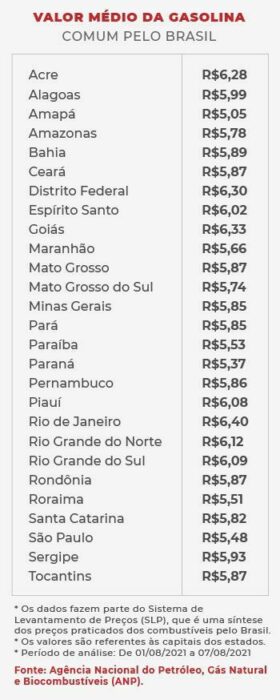
Besides the dollar, there are two more factors that contribute to the increase in the final value of fuel. The first is the federal tax, also known as PIS/Cofins and Cide. This tax has a cost of R$ 0.70 for each liter of gasoline. Therefore, for every liter of fuel placed in your tank, R$ 0.70 will go to federal taxes.
How The State Profits From Taxes?
For states, if the Federal Government can profit from taxes, it’s their right to do so as well. Thus, ICMS is the state tax where the rate is charged according to the pump. Therefore, as gasoline prices rise, the collection of ICMS will have a larger numerical sequence.
In this case, the tax rate doesn’t increase, but the price at the pump does. As this value increases, more taxes will be generated for the state to collect. This is one of the reasons why fuel prices do not follow a standard throughout Brazilian territory. It happens that, even in municipalities that make up a specific state, the final price tends to vary.
According to Dirson Alberto Brendler, if the fuel maintained the price at which it leaves the refineries and arrives at gas stations for the population, the total spent would not be so excessive. In the end, the process for fuels to reach Brazilians works as follows. To leave the refinery, a few cents for freight will be added; another freight to be paid is when the product leaves the distributors for the gas stations, adding a few more cents with freight; upon reaching the final state, state taxes will be added, that is, ICMS.
When all this is added together, the final amount will be paid by Brazilians. Therefore, it is for these reasons that gasoline has such a high price in almost all of its territory, with a large part being taxes.







Seja o primeiro a reagir!