Portuguese
  Spanish


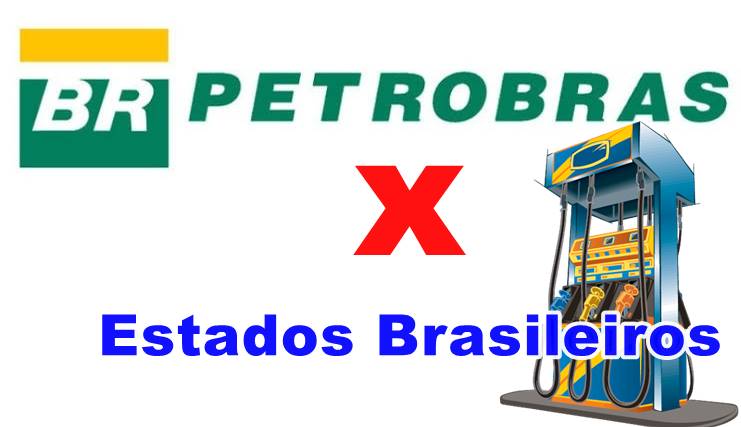

On Social Media, The Current President Stated That Petrobras Is Doing Its Part, But State Governments Do Not Want to Lose Revenue Through ICMS
President Jair Bolsonaro today (2) emphasized that Petrobras has reduced fuel prices at refineries (gasoline and diesel) for the 3rd consecutive time, but under popular inquiry, he placed the responsibility on the governors of each state to reduce the largest of all taxes, ICMS (Tax on Circulation of Goods and Services). See here some ICMS rates in RJ as an example.
You May Like
- Many Job Openings for Technicians Without Experience to Work in the Oil Industry of RN
- Leader in the Paper and Pulp Segment, Suzano Requires Professionals for the Maintenance Area
- New Southeast Transport Company (NTS) with Many Job Openings
In an attempt to ensure these reductions reach the final consumer and do not solely depend on Petrobras, the president wants to change the legislation so that the tax is collected differently, directly at the “source”, to prevent state surcharges. Understand Bolsonaro’s explanation better below:
-
Brazil’s ANP Opens 86 New Oil Blocks in the Equatorial Margin, Expanding the Amazon River Mouth Frontier

-
OPEC+ Boosts Oil Supply by 188,000 Barrels per Day in July 2026, Leading to Price Drop from $112 to $89 per Barrel in Under Two Months

-
TotalEnergies Signs 20-Year Deal to Purchase 2 Million Tons of LNG from Alaska, Boosting Project Viability
-
Turkey Deploys Çağrı Bey Drilling Ship to Explore New Oil Frontier Off Somalia’s Coast
“For the third consecutive time, we have lowered gasoline and diesel prices at refineries, but prices do not decrease at gas stations, why?
Because governors charge, on average, 30% of ICMS on the average price charged at gas station pumps and update it only every 15 days, harming the consumer.
As a rule, governors do not admit to losing revenue, even if the price per liter at refineries drops to R$ 0.50 per liter.
What can the president of the Republic do to then lower the price of diesel/gasoline for the consumer?
Change the legislation through Complementary Law so that ICMS is a fixed value per liter, and no longer based on the average of gas stations (in addition to other measures).
And now? How long? What about the interests of the governors? Etc …
The President of the Republic will submit a proposal to the Legislature and will fight for its approval”, concludes the president.