





 Portuguese
  English
  Spanish
  3 min of reading


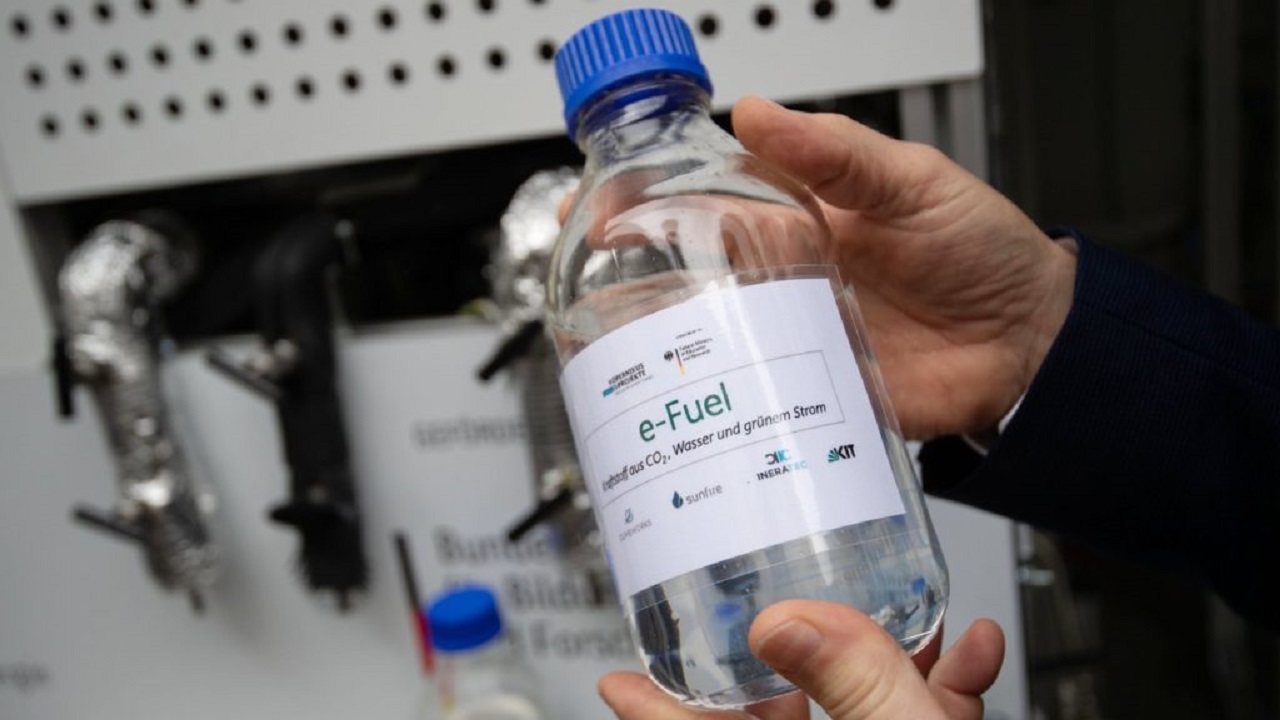
Audi, Bosch, and Porsche Alongside the German Government Are Developing a New Synthetic Gasoline That Could Mark the End of Oil Use in the Fuel Market.
Observing the rising fuel prices and considering the end of dependency on oil in the international market, scientists are working on creating a synthetic gasoline called efuel. The new product is not derived from oil and uses water and carbon dioxide as raw materials, promising to save the fuel market.
Read Also
Audi, Bosch, and Porsche Join Forces to Develop New Gasoline


The companies Audi, Bosch, and Porsche, alongside the German government, have invested in the new synthetic gasoline. Porsche has already begun testing the new fuel in a competitive environment.
At the same time, Formula 1 is already assessing the use of efuel starting in 2025, when the new engine regulations will take effect, maintaining hybrids but with the new fuel and also electrification. The expectation is that the new synthetic gasoline will ensure the survival of internal combustion engines, whether purely or with some level of electric assistance.
-
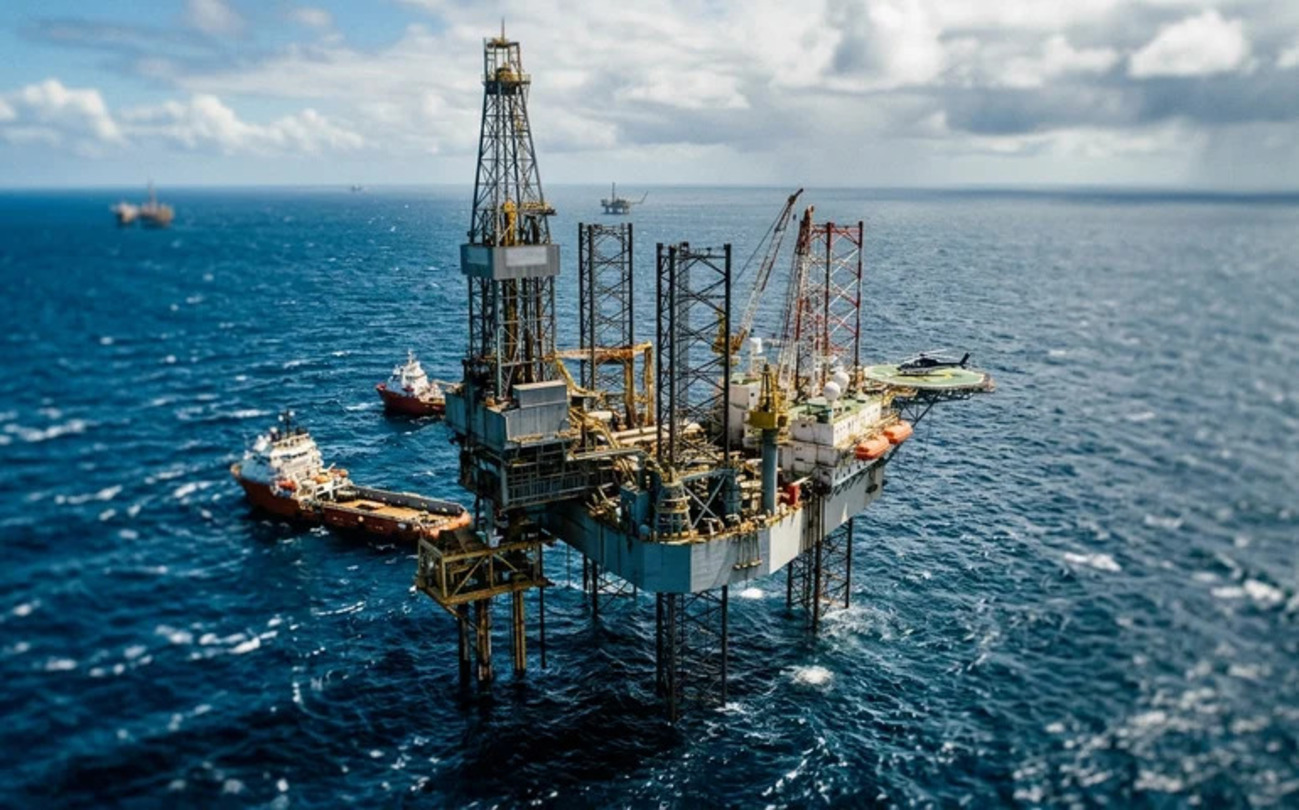
Brazilian giant expands borders in the Southeast: Petrobras confirms new oil discovery in ultra-deep waters in the pre-salt of the Campos Basin.
-
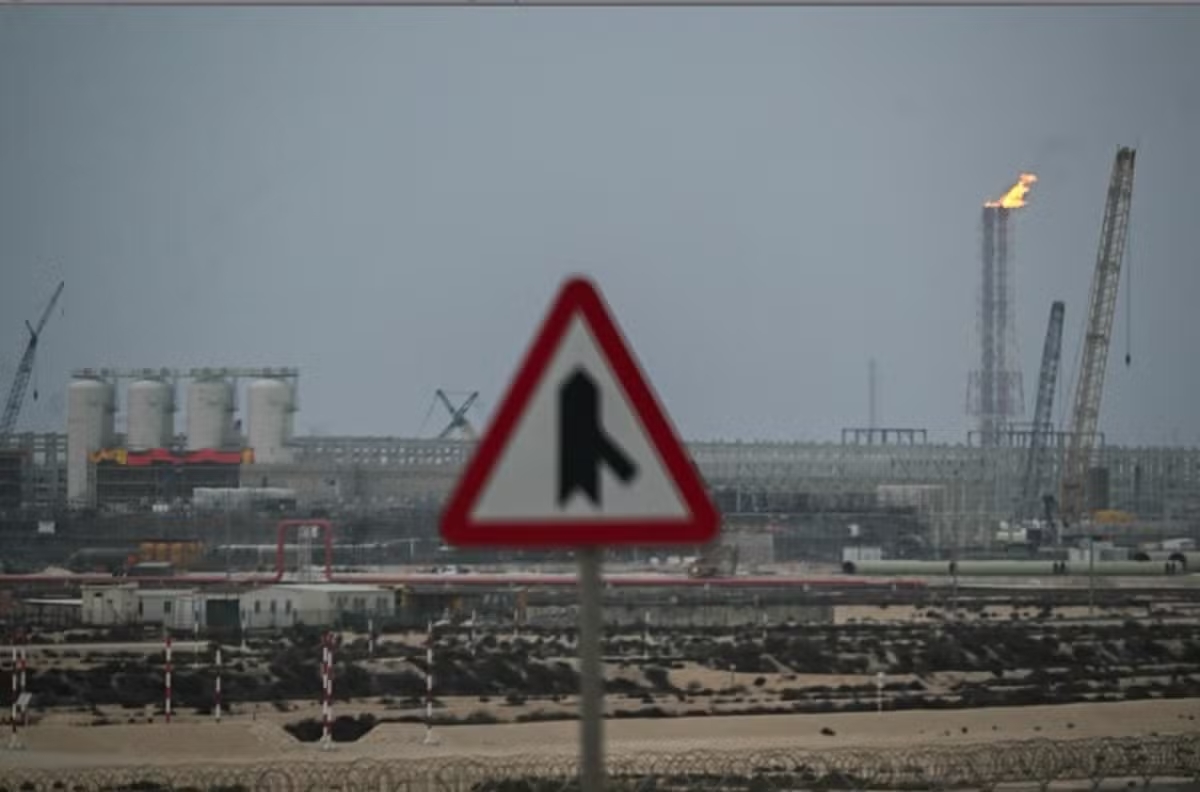
Alert in the global energy market: Severe tropical cyclone hits the coast and disrupts gas production at major plants in Australia, threatening global supply.
-
Petrobras finds high-quality oil in the pre-salt at 113 km from RJ and reignites expectations about strategic reserves in the Campos Basin.

-
Ocyan opens registrations for startups focused on innovation in the oil and gas sector and will select projects for Innovation Day with the support of Nexio.


Currently, all signs point to the end of regular gasoline engines due to the pollutant emission limits proposed by governments. Oil-free gasoline could also contribute to combating the greenhouse effect, primarily caused by carbon dioxide, and would eliminate one of the uses of a natural resource that could be depleted soon and will become increasingly expensive.
Engineer Speaks Out
According to engineer Everton Lopes, fuels similar to synthetic gasoline have the advantage, much like ethanol, of neutralizing the carbon generated during their combustion, in addition to utilizing existing refueling infrastructure. They can be extracted in the form of diesel or gasoline, hence not requiring modifications to old engines that used the fossil version of fuels.
According to Everton, the projected economic and environmental benefits generated by synthetic gasoline are of utmost importance, but its production is still more expensive compared to gasoline derived from oil. The goal is to reduce the cost of extracting the hydrogen needed to make synthetic gasoline through a process called electrolysis.
Lopes states that the large amount of energy used to separate the hydrogen present in water must come from clean sources, such as solar, wind, or hydroelectric energy. Synthetic gasoline was already used during World War II, and since then, research has evolved significantly. However, oil remains cheaper and more ‘easily accessible’ to obtain.
Toyota Model Already Uses Hydrogen
Hydrogen is a major bet for several countries, such as Germany, to renew their energy matrix. In addition to being used in the synthesis of liquid fuel, the gas can also be used instead of batteries in electric vehicles.
Through fuel cells incorporated into vehicles, hydrogen generates energy to power the wheels. Models like the Toyota Mirai already use this technology and are fueled with hydrogen, achieving a record range with the fuel of 1,000 kilometers.










Seja o primeiro a reagir!