Portuguese
  Spanish


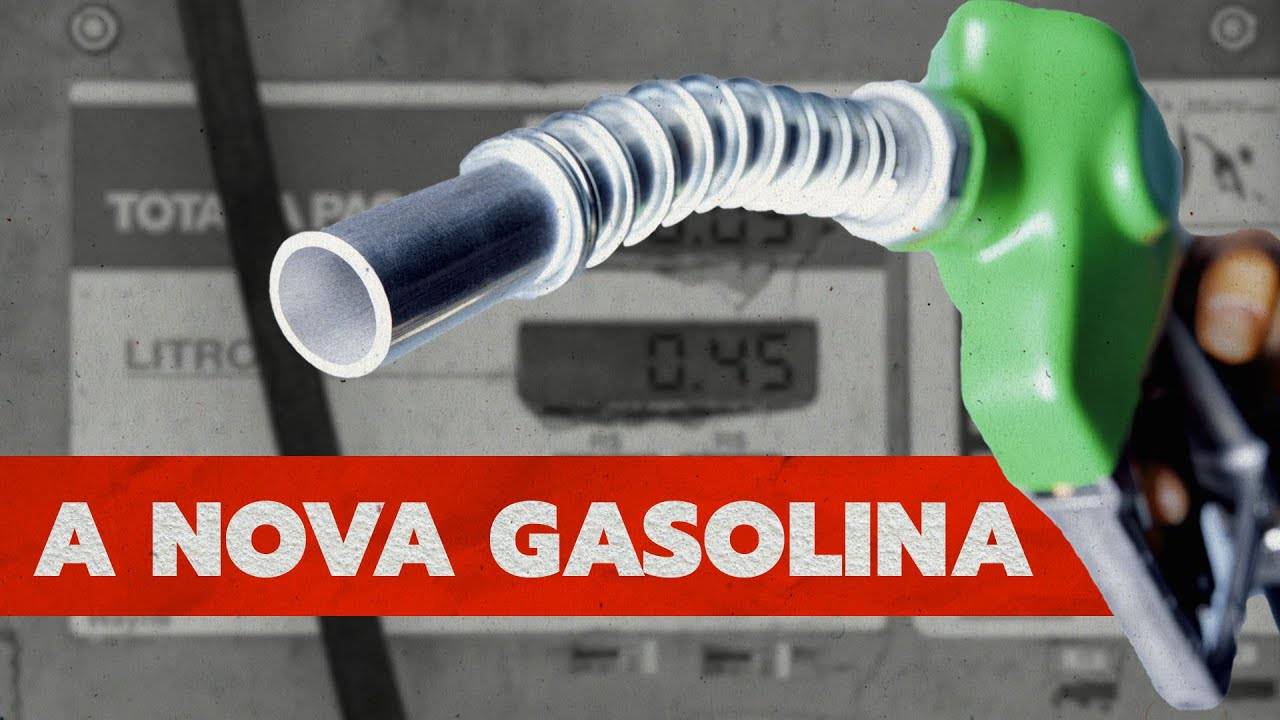

The New Gasoline Will Be Available at Bosch’s Refueling Stations This Year, and the Partnership with Volkswagen and Shell Made All the Difference in the Final Result of the New Fuel
The automobile manufacturer Volkswagen, technology supplier Bosch, and the multinational energy and petrochemical company Shell have jointly developed Blue Gasoline. The companies’ innovation is a gasoline capable of reducing carbon dioxide (CO2) emissions by 20%.
Read Also
Words from the Companies About the New Gasoline


Bosch indicated in a statement that the new gasoline is composed of the equivalent of 33% renewable energy, allowing its emissions to be reduced by 20% compared to regular gasoline.
-
Qantas and Airbus Invest in Company Aiming to Convert Unsorted Household Trash into Jet Fuel

-
Brazil’s ANP Opens 86 New Oil Blocks in the Equatorial Margin, Expanding the Amazon River Mouth Frontier

-
OPEC+ Boosts Oil Supply by 188,000 Barrels per Day in July 2026, Leading to Price Drop from $112 to $89 per Barrel in Under Two Months

-
TotalEnergies Signs 20-Year Deal to Purchase 2 Million Tons of LNG from Alaska, Boosting Project Viability


According to Uwe Gackstatter, president of Bosch’s Powertrain Solutions division, in the journey to transform mobility into something 100% sustainable, companies must ensure that no opportunity has been left unexplored, starting with electric cars and ending with renewable fuels. Thus, he emphasized that every gram of CO2 not emitted can help achieve sustainable goals.
This new gasoline will be available for use at Bosch’s stations later this year. Volkswagen’s Director of Internal Combustion Engine Development, Sebastian Willmann, emphasized that the new gasoline is a crucial piece in reducing CO2 emissions from combustion vehicles and will also be suitable for use in hybrid models.
According to Shell’s Head of Special Fuels, Felix Balthasar, this type of gasoline follows the Blue Diesel, expanding the range of renewable and low CO2 emission fuels. According to the Shell executive, the new gasoline will give combustion engines a significant step towards sustainability.
Understand Synthetic Fuels
Despite all the studies and efforts already made, a little more is still needed for synthetic fuels to establish themselves in gasoline markets. The facilities are still costly and there are only a few pilot plants.
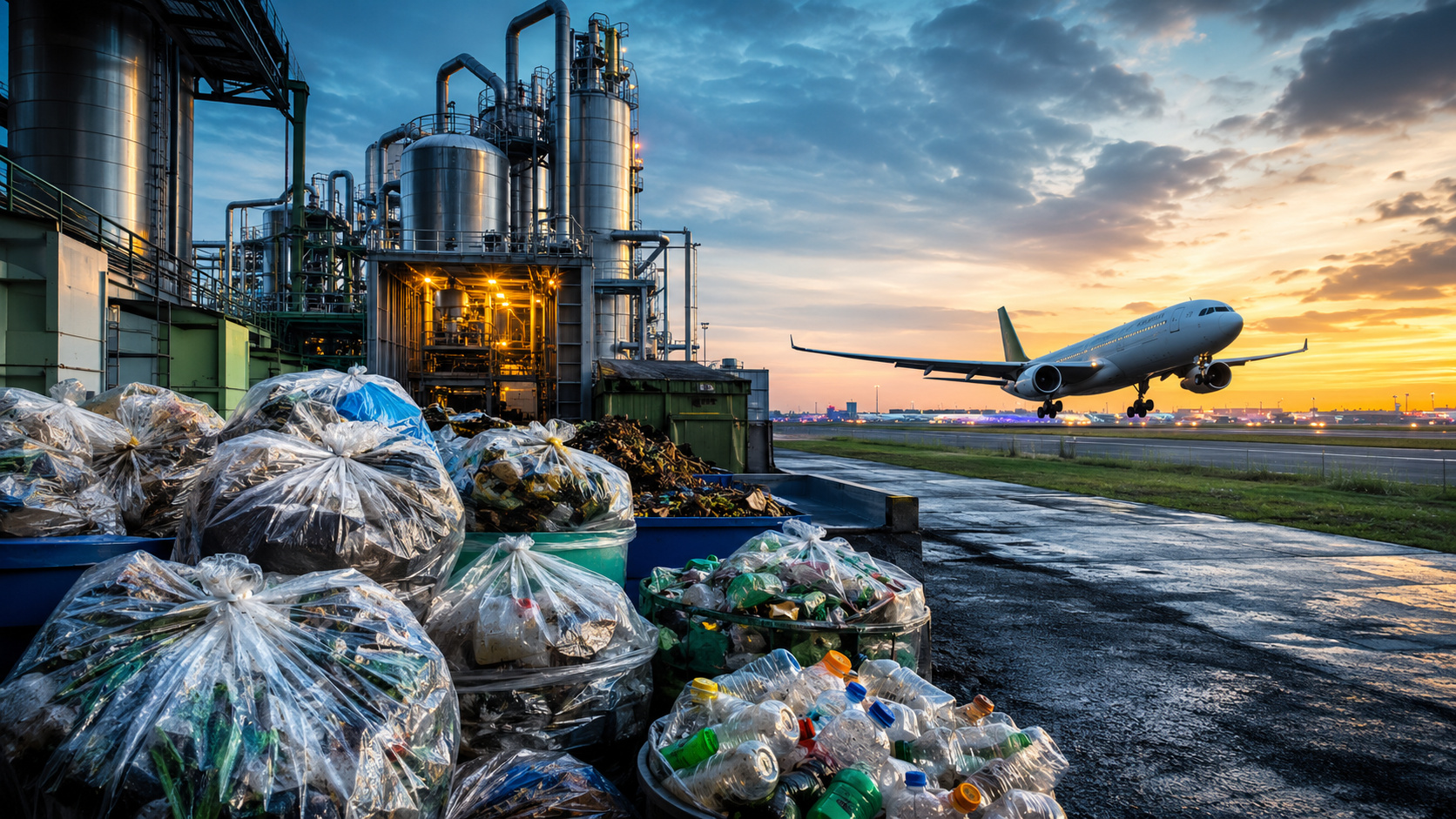
Synthetic fuels, like those from Bosch, Volkswagen, and Shell, are produced exclusively to support renewable energy. In the first stage, hydrogen is made from water. Afterward, carbon is added to produce the liquid fuel, which can be recycled through industrial processes or even captured from the air through filters. The combination of CO2 and H2 results in the famous synthetic fuels, which can be diesel, gas, gasoline, or even kerosene.
About Bosch, Volkswagen, and Shell
Having been in Brazil for 65 years, Bosch employs about 8,000 employees and reported a net profit of around R$ 5.2 billion in 2019 from products and services offered in the mobility sector, among many others.
Volkswagen, which started in the 1930s, operates in 150 countries and is now one of the largest automobile manufacturers in the world. It came to Brazil in 1953 when the first units of the Beetle were assembled using parts imported from Germany.
Shell is a global energy company with around 92,000 employees, operating in over 70 countries. In Brazil, Shell has one thousand employees.