





 Portuguese
  English
  Spanish
  3 min of reading


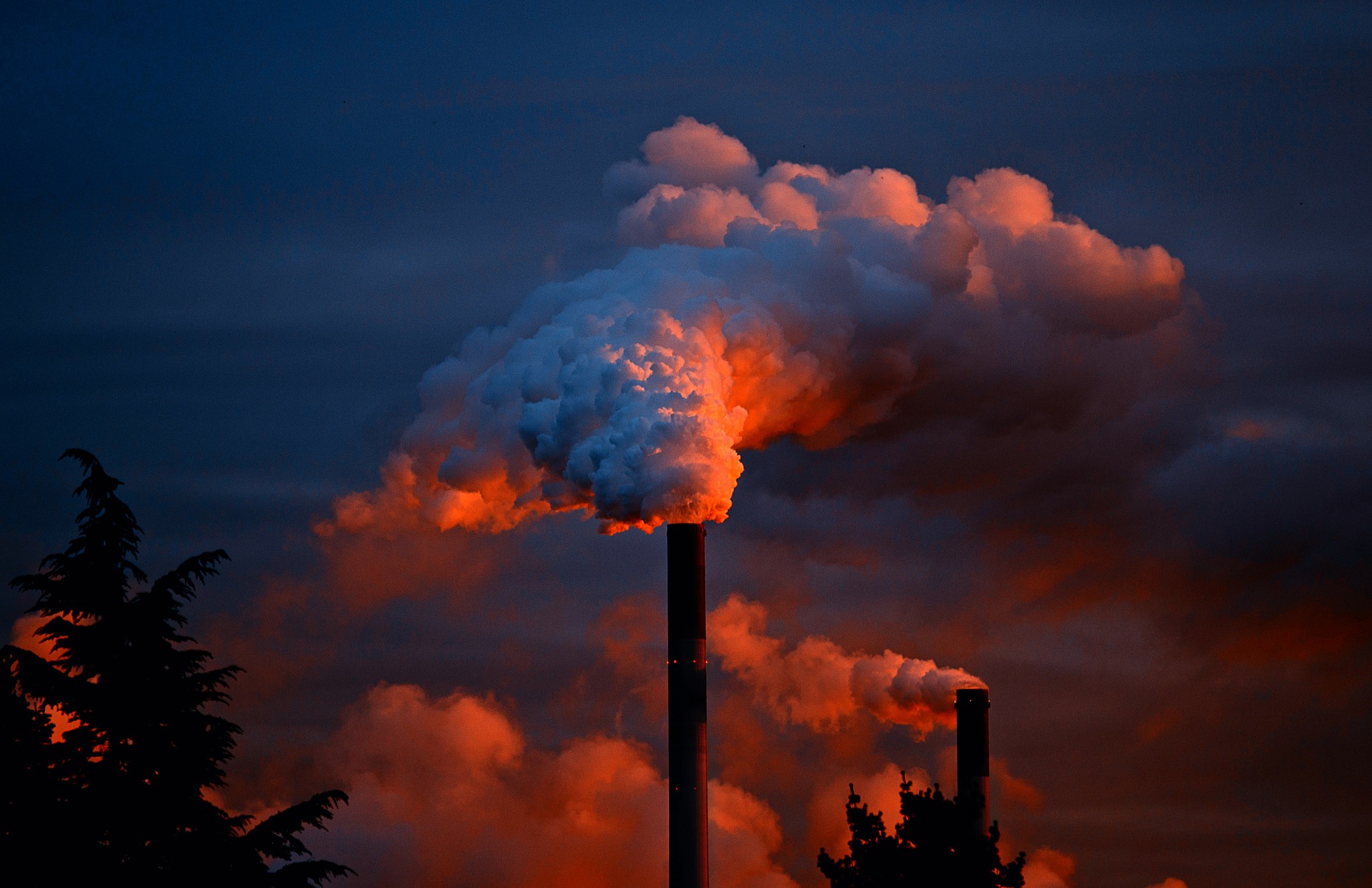
Water Crisis Generated Cost Of R$ 16.8 Billion According To The Ministry Of Energy. During 2021, All Thermoelectric Plants Were Used
The cost of measures taken due to the water crisis exceeded the government’s expectations. According to the Ministry of Mines and Energy (MME), spending on the use of thermoelectric plants and on the import of electricity from Argentina and Uruguay totaled R$ 16.8 billion by October. During 2021, all thermoelectric plants were used, including the more expensive ones, in order to maintain the supply of energy in Brazil, thereby avoiding a new blackout. The costs are borne by all consumers through the electricity bill.
Check Also:
- 100% Scholarships Are Offered In Canada For Business Courses
- Renova Energia Builds New Wind Farm In Bahia To Rebuild Itself, With A Capacity Of 432 MW
- Billion-Dollar Christmas Gift: Petrobras, Which Decided To Focus On Pre-Salt Oil Fields, Sells Eleven Onshore Fields In Sergipe To The Cobra Group For Over R$ 6 Billion
In July, the MME predicted that these same actions would total R$ 13.1 billion by November 2021. “The variation in the costs compared to the forecast is due to the worsening operating conditions throughout 2021, as well as the increase in fuel costs for electricity generation from thermoelectric plants,” stated the Ministry.
The capital spent by October is the result of all costs related to the need to additionally activate thermoelectric plants and the import of energy from neighboring countries, including charges and hydropower displacement.
-
With the new law, shopping malls will no longer operate on Sundays, similar to supermarkets; the rule imposes closure by 9 PM, foresees a fine of R$ 15,000, suspension, and even revocation of the license in Salvador.

-
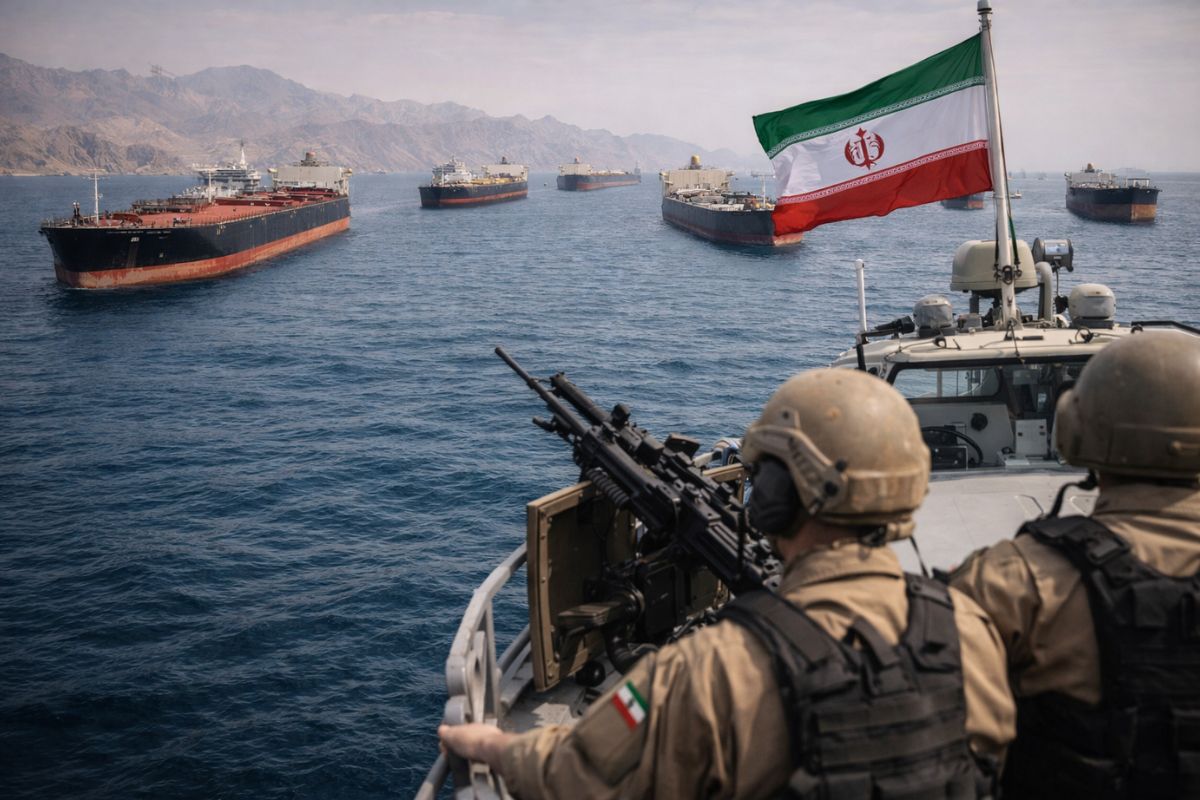
Only 7 ships have crossed the Strait of Hormuz in the last 24 hours when the normal is 135 per day, and the United Arab Emirates confirms that 230 oil tankers loaded with oil are ready to depart but are prevented from leaving while Iran turns the waterway into a sovereign control post.
-
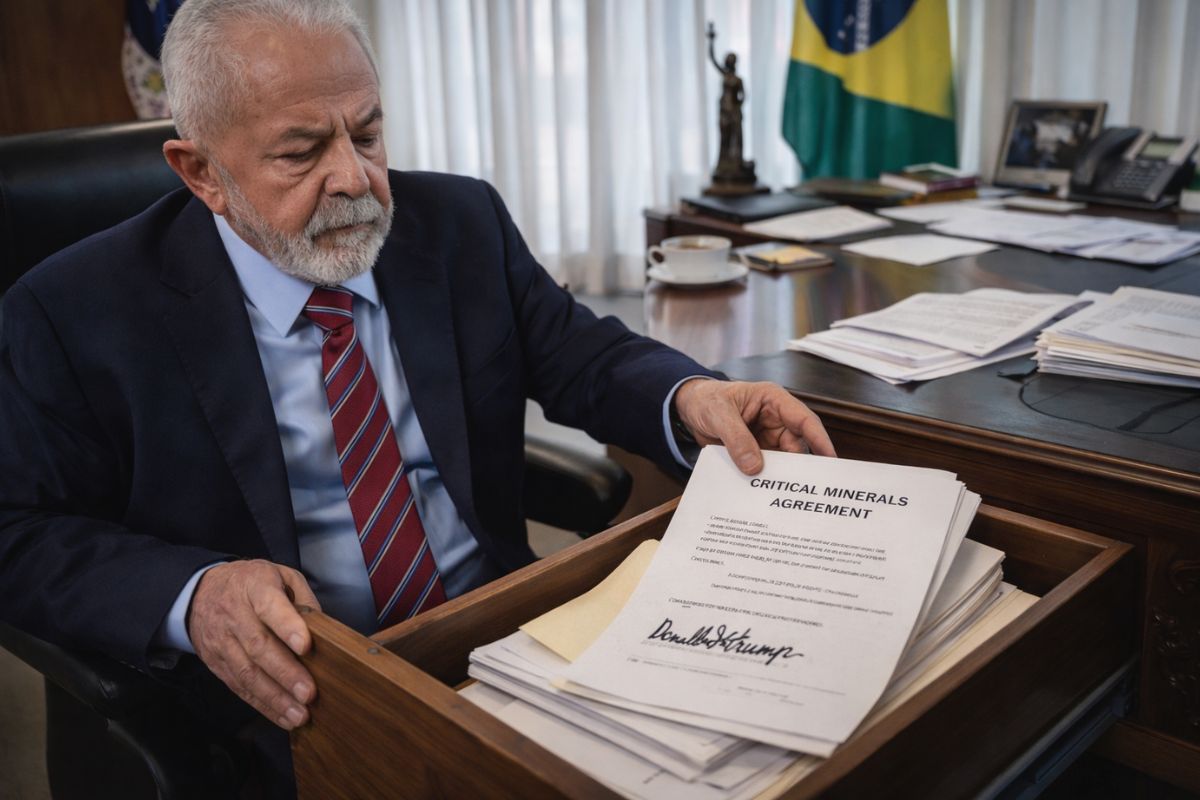
Trump sent a treaty on critical minerals to Lula in early 2026, and the document is sitting in the president’s drawer unsigned because the Brazilian government considers the proposal too generic and refuses to turn the country into a mere exporter of raw materials.
-
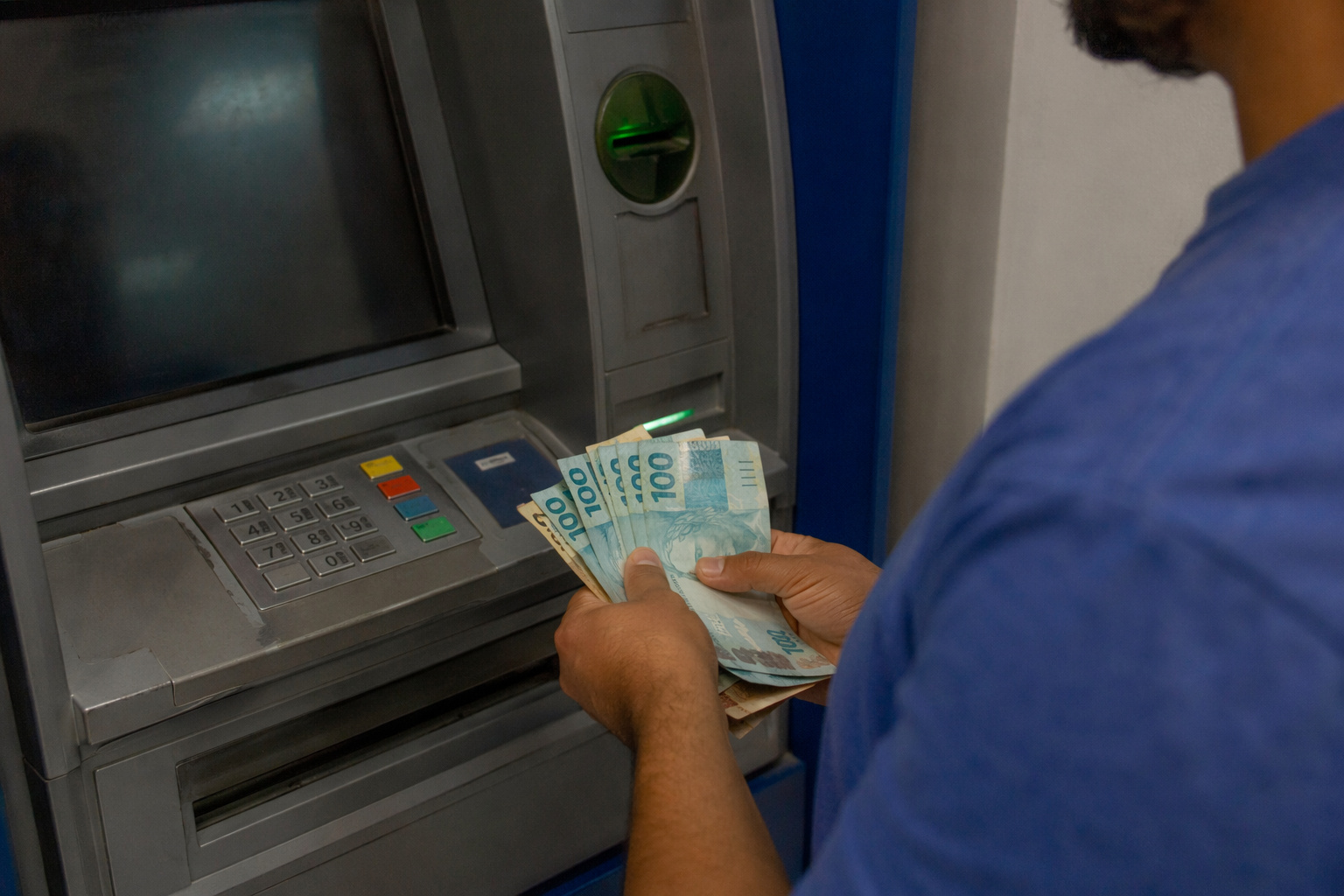
R$ 7 billion forgotten in the FGTS may finally be released after failures in the 2025 measures, while millions of workers find out they may have unclaimed money.
This occurs because generating plants receive reimbursement for the cost of replacing hydropower production with another source, like thermoelectric plants, or through importation, via charges borne by consumers. The measure is used to make it possible to recover the reservoirs’ stocks.
Tariff Flags
The tariff flags – a fee charged when there is a need to activate more expensive plants to generate energy – cover the use of thermoelectric plants, passing the costs on to consumers. With the aggravated water crisis, the National Electric Energy Agency (Aneel) adjusted the fee by 52% and declared that the resources might not be sufficient.
For this reason, the government created the so-called “water scarcity flag,” which represents an extra charge of R$ 14.20 for every 100 kilowatt-hours (kwh) consumed. The new measure took effect in September 2021 and is expected to remain in place until April of the following year.
Despite the higher fee, the total collected is still not enough to cover all the emergency costs associated with the use of thermoelectric plants. According to Aneel’s data, the Tariff Account recorded a combined loss of R$ 12.01 billion by October. To avoid an extremely high tariff in 2022, an election year, the executive branch issued a provisional measure allowing for a new line of credit for companies in the sector to face these costs.
Consumers will pay off the financing over the next few years, with interest accruing. However, the MP does not provide details on the loan, which will need to be structured through a presidential decree by Jair Bolsonaro. According to the Ministry of Mines and Energy, “the items and amounts to be covered by the credit operation supported by MP 1078/2021 are still under evaluation by the technical teams of the MME and Aneel.”







Seja o primeiro a reagir!