





 Portuguese
  English
  Spanish
  3 min of reading


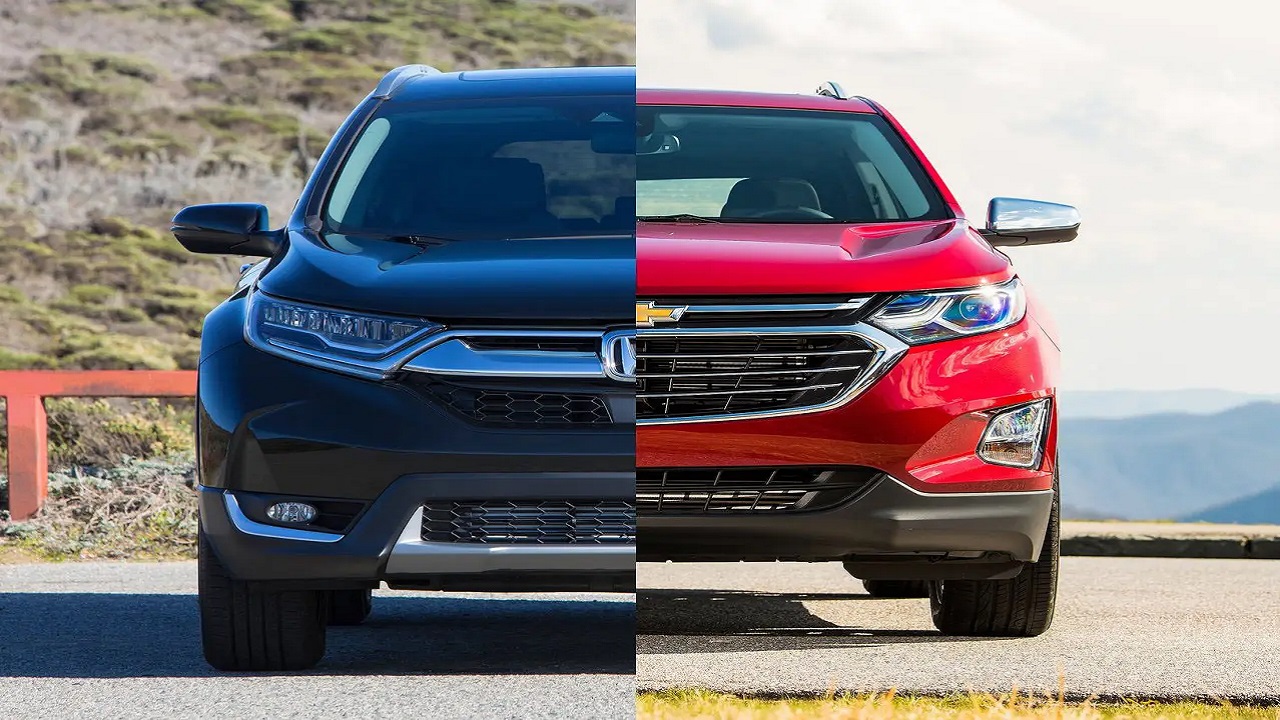
General Motors (GM) and the Multinational Honda Closed a Partnership to Manufacture a New Line of More Affordable Electric Cars by 2027. The Companies Will Also Be Able to Develop Battery Projects Together with Greater Range
Honda and General Motors announced this Tuesday (5) that they plan to expand their strategic partnership with the mission of popularizing electric mobility, through the production of more affordable electric cars equipped with GM’s next-generation batteries. The plan projects that, by 2027, a new family of electric cars, including models with greater sales appeal, such as compact SUVs, will hit the market.
Partnership May Also Bring New Generations of Batteries for Electric Cars
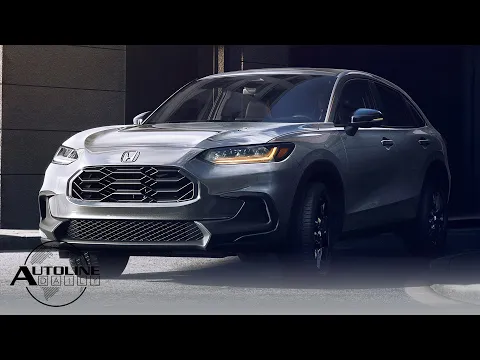

All of this will be carried out using Honda and General Motors’ technology and experience. In general terms, the partnership aims to standardize processes and components with a focus on greater productivity and cost reduction through economies of scale.
The partnership between the companies also leaves open the possibility for the joint creation of new generations of batteries aimed at continuously reducing the costs of electric cars. On another front, BYD has been working with technologies such as silicon lithium-ion batteries and solid-state batteries. Honda has also been working on studies of solid-state batteries, which the company sees as the key element of the future of electric cars, along with other major companies.
-
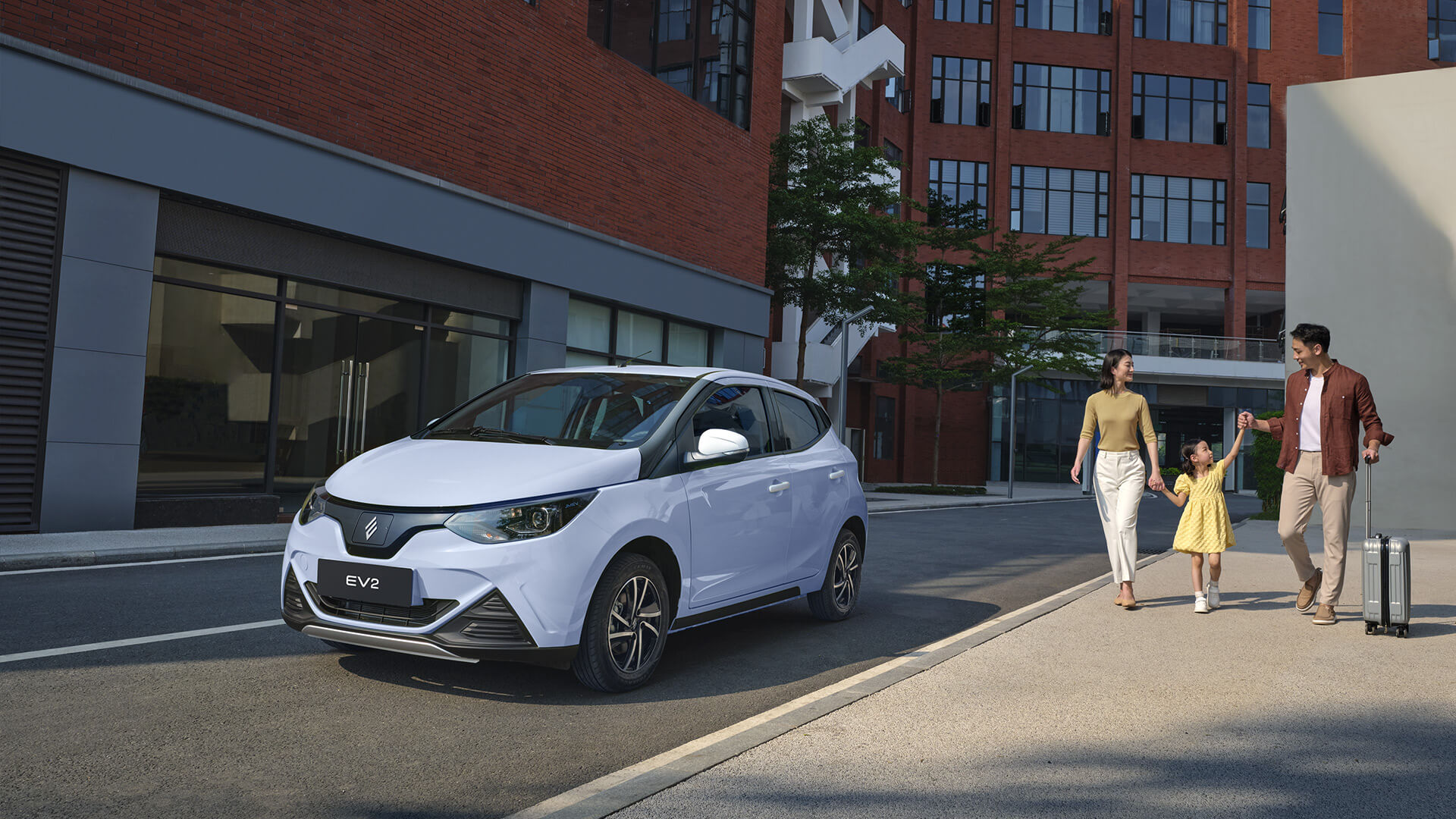
Goodbye expensive popular car: electric vehicle for less than R$ 70,000 starts being sold in Brazil with a range of 200 km and targets those looking to escape gasoline.
-
OMODA & JAECOO grows in Europe in 2026 with an integrated strategy of sales, innovation, local production, and technological advancement in the United Kingdom, Italy, and Spain.
-
OMODA & JAECOO expands after-sales service in Brazil with competitive maintenance, a 7-year warranty, and high availability of parts for technological SUVs.
-
OMODA & JAECOO appoints Alessandra Souza as executive marketing director in Brazil and accelerates brand expansion with a focus on innovation, networking, and hybrid portfolio.


Although the debut of General Motors and Honda’s new line of electric cars is scheduled for 2027 in the United States, Mary Barra, GM’s CEO, highlights that the identification plan is global and encompasses markets such as China and South America, making it possible for these electric cars to be produced domestically.
Honda Plans to Accelerate Its Energy Transition Worldwide
The executive of General Motors also states that her company and Honda will share their best technology, manufacturing, and design to make a more attractive and affordable line of electric cars available on a global scale, including their key markets in North America, China, and South America.
Meanwhile, Honda is still in the early stages of the energy transition and states that it plans to speed up its pace, but emphasizes that it is essential to lower vehicle production costs for them to become truly popular. Thus, the partnership with General Motors is crucial to achieving its goal. According to Honda’s President and CEO, Toshihiro Mibe, the company is committed to reaching its carbon neutrality goals by 2050, which necessitates reducing the cost of electric cars to make EV acquisition easier for the largest number of consumers.
The partnership between Honda and General Motors is not something new, as other companies have been joining forces to develop the electric mobility sector since the last decade, both in battery cell production and hydrogen systems.
BYD and Shell Also Close Partnership for Expansion of Charging Stations
BYD and Shell have also signed a strategic cooperation agreement to contribute to the energy transition and improve the charging experience for BYD’s electric and plug-in hybrid vehicle owners.
The companies plan to form a joint venture to advance electric vehicle charging stations in China, with a network of 10,000 charging points in Shenzhen.
Additionally, vehicles will also be able to access Shell’s 275,000 charging stations in Europe, as well as operate over half a million electric car charging points worldwide by 2025.









Seja o primeiro a reagir!