






 Portuguese
  Spanish


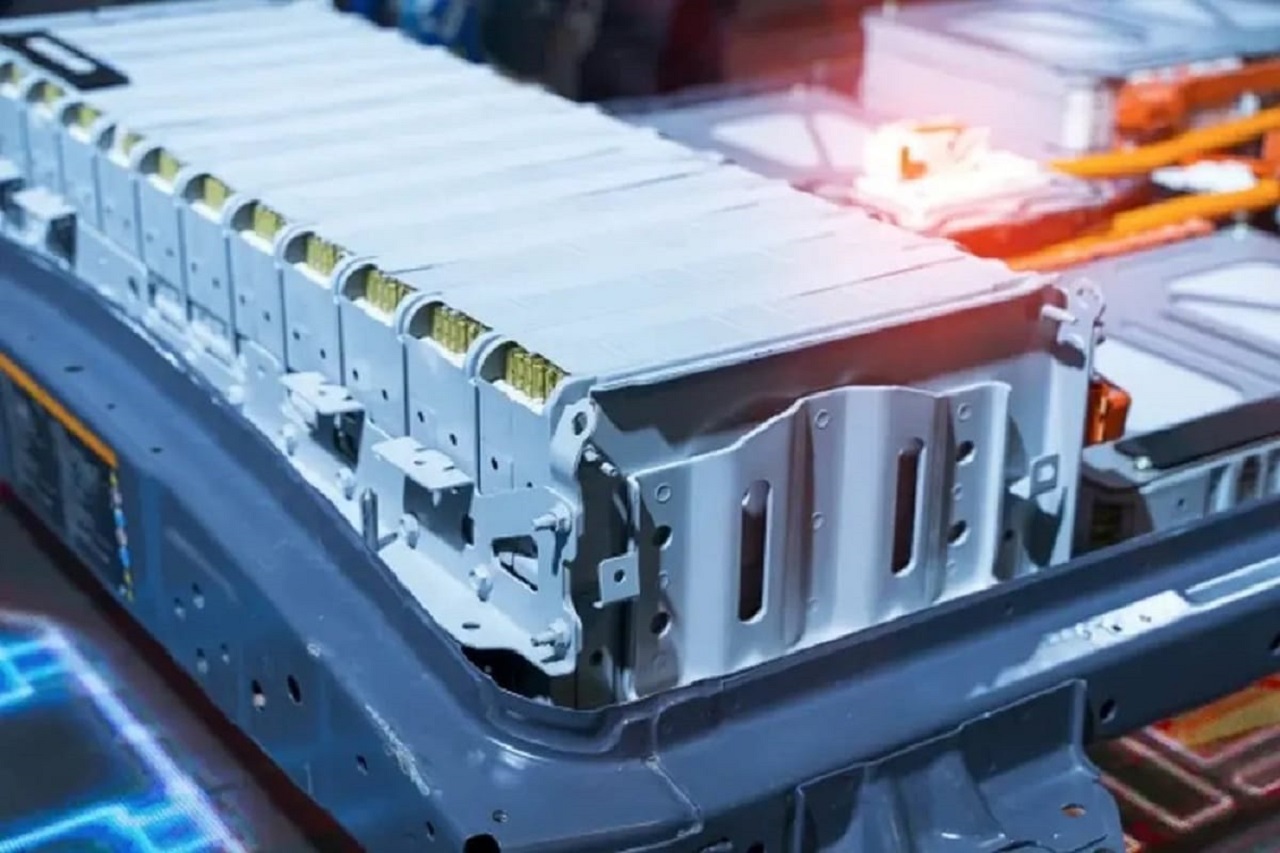

After Official Announcement by Israeli Electric Car Battery Manufacturer StoreDot Regarding Its New Goal of Achieving 160 km of Range with Just 5 Minutes of Charging by 2024, Startup Mullen Is Developing Its New Solid-State Battery That Allows for 480 km of Range in 18 Minutes of Charging
It is believed that solid-state batteries are the next big thing on the path to electrification. The technology promises to offer greater range, improved charging times, and, above all, safety. The problem is that, at least at this stage, the solid-state batteries for electric cars being showcased are still not suitable for the broad market; they are only for testing. Mullen, a California-based electric car startup that has joined the race to develop solid-state automotive batteries, believes it has found a way to bridge the gap to commercial solid-state batteries.
Related Articles
- Hyundai Forms Partnership with IonQ to Increase Range of Its Lithium Batteries for Electric Cars
- Partnership Between the Largest Niobium Producer in the World, CBMM, and Canadian Multinational Nano One Expects New Investments in Lithium-Ion Batteries
- Chinese Manufacturer Partnering with Nissan and Renault Starts Mass Production of Batteries with 1,000 km Range for New Electric Cars
- Scientists Want to Combine Lithium-Oxygen Batteries to Give Electric Cars the Same Range as Combustion Engines
- Company Creates New System Capable of Recharging Electric Car Batteries in Less Than 2 Minutes
Mullen’s Solid-State Battery Promises Over 400 km Range and Charging in Under 20 Minutes


There is still much development to be done before engineers resolve issues such as the reduced lifespan of a solid-state battery. Various companies are racing to be the first to market with a solid-state battery suitable for automotive applications. Although everyone claims to be “very close” to breaking the ice in this promising technology, results have not yet been seen in any commercial application.
The startup Mullen, which recently unveiled its first electric crossover called “Five,” announced that it is testing a solid-state battery with impressive results.
-
Turbocharged Engines with Direct Injection: Why High-Performance Engines Over 130 HP/Liter and Turbines at 200,000 RPM Challenge Durability

-
Electric and Hybrid Cars Set to Transform Brazilian Streets: A New Era Begins

-
Chevrolet’s Parent Company to Invest Billions in Brazil to Modernize Factories, Update Cars, and Accelerate Hybrid Launch by 2028
-
Practical Driving Tests in Brazil Surge by 23.5%, Exceeding 2.2 Million by 2026, as New Rules Make the Process Cheaper and Simpler

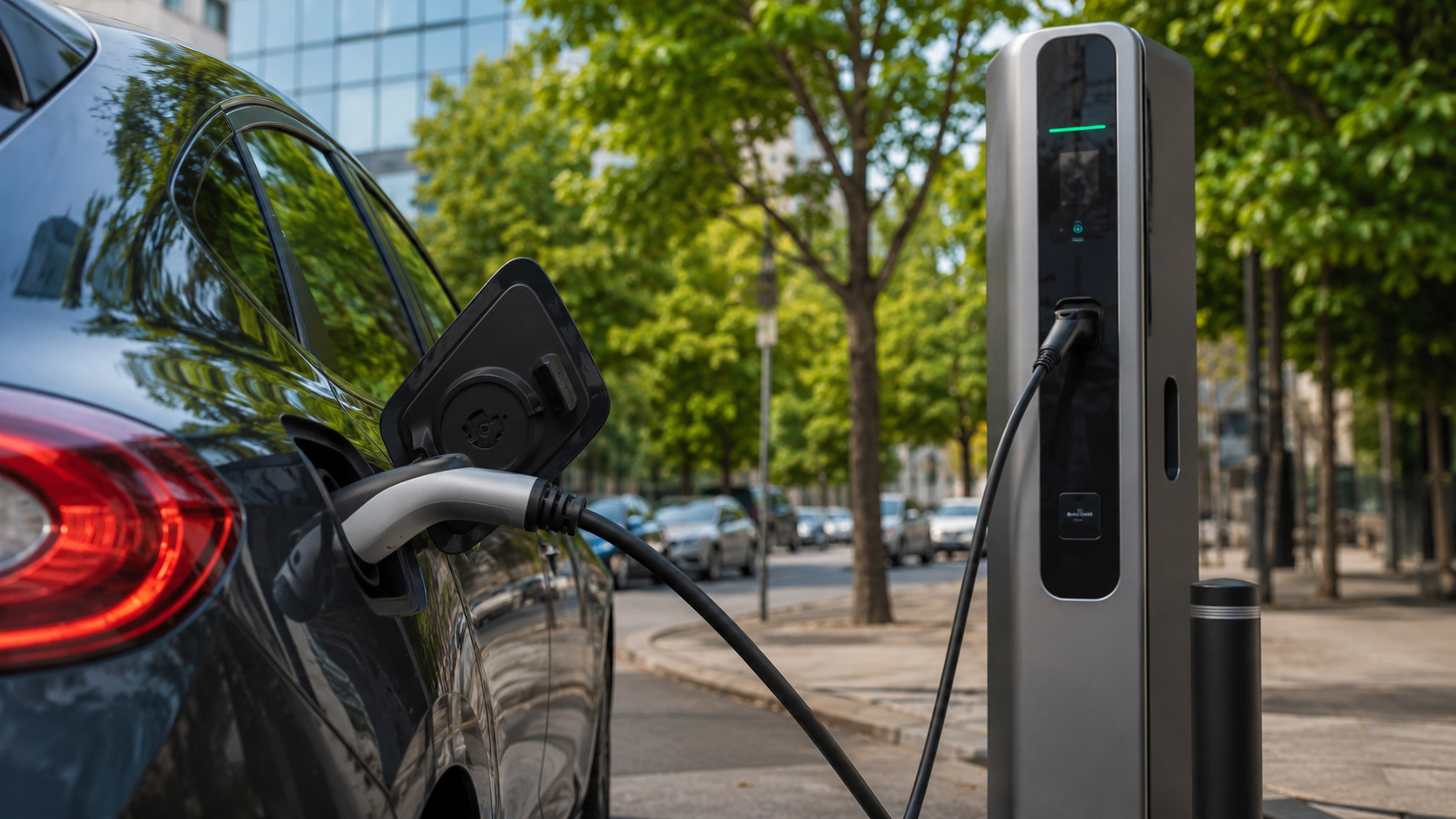


These include a range of 966 km with a full charge for a 150 kW engine and fast charging capabilities able to recharge 483 km of range in 18 minutes. The new solid-state battery that Mullen is working on uses polymer technology, which they claim is a significant advancement over current lithium-ion batteries.
“We conducted successful tests and will begin higher-level development next,” said David Michery, CEO and President of Mullen Automotive.
“In summary, we tested our 300 Ah (ampere-hour) cell that yielded 343 Ah at 4.3 volts, and the results exceeded all expectations. We can say with almost certainty that this technology, once implemented in the Mullen Five, will deliver over 900 km of range on a single full charge,” added the CEO.
Startup Is Already Working on Other Patents for Electric Car Charging Using Lithium-Sulfur and Lithium-Iron-Phosphate Technologies
While the technology looks quite promising, it is worth noting that Mullen will produce its first-generation five crossovers using the older Li-Ion technology. Mullen’s battery is slated to hit the market in 2024, so we still have a long way to go before we see the first commercial application of solid-state batteries developed by the company.
In fact, the startup only hopes to conduct the first prototype test on the vehicle in 2025. Mullen also stated on its official portal that it is not putting all its eggs in one basket. In addition to solid-state polymer cells, the company is also working on other technologies, including lithium-sulfur and lithium-iron-phosphate.
The ultimate goal of the startup is to find the best trade-off between efficiency, energy density, costs, and risks. The Mullen Five electric vehicle was presented last year during the Los Angeles Auto Show with promising specifications and a starting price of US$ 55,000. The 95 kWh battery allows for an estimated range of 523 km, nearly half of what the new solid-state polymer battery promises to offer, if successful.
About the Company
Mullen is a company based in Southern California that owns and partners with several synergistic businesses, all working towards the same goal of creating electric vehicles and clean, scalable energy solutions.
Currently, the startup Mullen is diligently working to provide electric vehicle options built entirely in the United States and designed to fit seamlessly into the lives of American consumers.


