





 Portuguese
  English
  Spanish
  4 min of reading
  0 comments


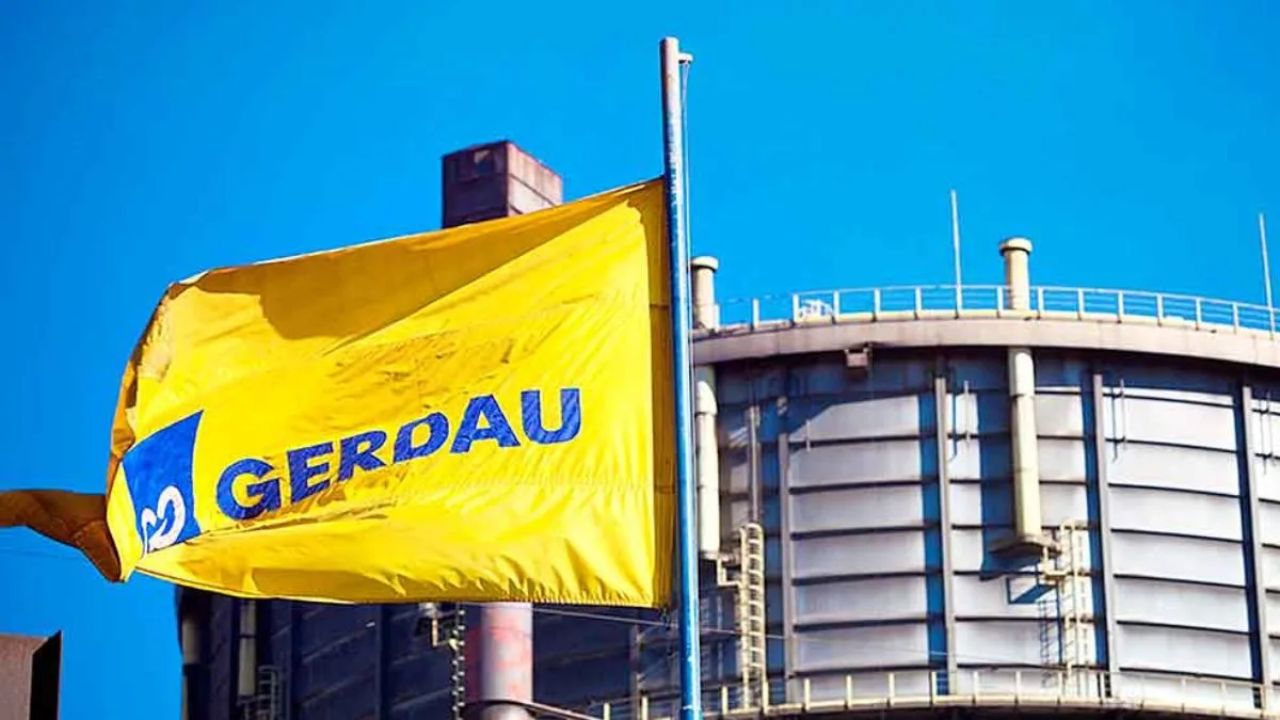
Gerdau’s Investment Plan Collapses in Brazil: Mills Threaten to Close and Layoffs Multiply Without a Response from Brasília
Gerdau, the largest long steel producer in the Americas, confirmed this week that it will reduce its investments in Brazil starting in 2026. The decision comes amid a growing sense of dissatisfaction with the rise of imported steel — especially from China — and what the company classifies as the lack of effective measures by the federal government to protect the domestic industry.
Despite maintaining its investment plan of R$ 6 billion in 2025, with R$ 4 billion allocated to Brazilian operations, the company has already indicated that it will reassess this scenario in the coming years. The confirmation came directly from Gerdau’s CEO, Gustavo Werneck, during the quarterly results presentation.
“We are studying, over the next few months, a revision of industrial investments in Brazil. The competitive environment is deteriorating. And without more effective protection, investments will need to be reallocated,” Werneck stated during a conference with investors, as reported by Terra.
ARTICLE CONTINUES BELOWSee also
“No one will make us change the Pix,” says Lula after the US report.

Lula responds directly to Trump and says that Pix is from Brazil and will not change under pressure from anyone, after a report from the United States pointed out the Brazilian payment system as an American trade barrier.

Amazon has just announced a new fee on all deliveries, and your online purchases will become more expensive starting April 17, including for those buying from the United States here in Brazil.

He sold his share for R$ 4 thousand, saw the company become a giant worth R$ 19 trillion, and missed the opportunity of a lifetime.


Pressure from Foreign Steel and Layoffs in the Country
The decision comes after a series of warnings that Gerdau and the steel sector have made to the government since early 2024. The main complaint is that the domestic market is being invaded by imported steel at predatory prices, particularly from China, which benefits from subsidies and a much cheaper industrial structure.

According to data from the Brazilian Steel Institute, the share of imported steel in the Brazilian market surpassed 23% in the first half of 2025, reaching 26% in the second quarter — a historical record. The consequence was immediate: Gerdau has already laid off about 1,500 employees since January, mainly at the plants in Pindamonhangaba and Mogi das Cruzes in São Paulo.
These layoffs are the harbinger of a more serious scenario, according to the CEO. If the federal government does not adopt additional measures beyond the import quotas and tariffs announced in July, mills could be shut down and production lines suspended.
Investments Will Continue Outside Brazil
While reducing its plans in Brazil, Gerdau confirmed that it will continue to expand its presence abroad, especially in the United States, where it operates large-scale steel operations.
The reason? According to Werneck, the business environment in the U.S. is more predictable, transparent, and has clear policies to encourage domestic industry. The so-called “American reindustrialization” has encouraged companies in the sector to invest heavily in modernization, productivity, and technology.
“We are facing extremely unfair international competition. The countries that export the most steel today do not play by the same rules as Brazil. The lack of action forces us to consider other geographies for growth,” said the executive in an interview reported by NeoFeed.
Additionally, the company warns of the loss of revenue that this invasion of foreign steel causes in the country. Internal estimates indicate that the sector may fail to generate between R$ 6 billion and R$ 7 billion in taxes per year if the current pace continues — an amount that directly affects states and municipalities.
Federal Government and Industry: Impasse Without a Solution
The criticisms from Werneck and other steel industry leaders directly target what is seen as a timid posture from the Lula government. Although the Ministry of Development, Industry, Commerce, and Services (MDIC) has announced control measures, such as limits on the entry of imported steel and surcharges on some categories, the perception among industrialists is that they have come too late — and in insufficient volume.
The sector has been demanding, for over a year, a structured industrial policy, with clear rules, predictability, and incentives for technological modernization and decarbonization of manufacturing plants. So far, however, these issues have not progressed at the expected pace.
In light of the frustration, Gerdau has already confirmed that it will make an official announcement about investment cuts at its Investor Day in October, after completing internal analyses during August and September.
“This is not a retaliation, but a consequence. The lack of protection compromises our competitiveness. We need a minimally balanced environment to continue investing here,” reinforced Werneck.
A Decision That Echoes Beyond the Steel Industry
The measure announced by Gerdau raises a larger alert for the Brazilian economy. The company is just one among several industrial giants facing difficulties due to the advance of aggressive imports, unstable exchange rates, and tax uncertainties.
In addition to steel, sectors such as footwear, automotive, chemicals, and machinery are also reporting market losses and factory closures. The impact on employment, revenue, and the country’s growth tends to be significant if the government does not react swiftly.
For experts like economist Paulo Gala from FGV, Gerdau’s decision is a clear signal that the Brazilian industry is at real risk of deindustrialization.
“We are seeing a slow and gradual exit of large industrial companies. It is the opposite of the neo-industrialization that the government claims to defend,” Gala told Estadão.
The expectation now rests on the response from the Planalto and the Ministry of Finance. If no additional measures are adopted, Gerdau’s message could become a trend — and the national industry may pay a high price for this omission.









-

-

-

-

-

10 pessoas reagiram a isso.