





 Portuguese
  English
  Spanish
  3 min of reading
  0 comments


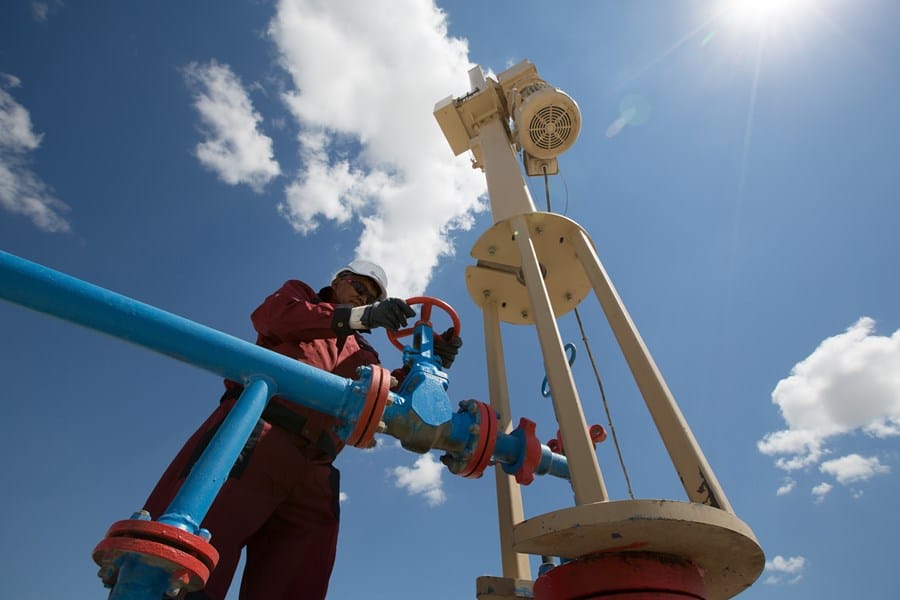
Previously, This Initiative Was Planned For A Five-Year Period.
The Equatorial Margin remains the focus of Petrobras for oil exploration in the next five years. Despite facing challenges in obtaining environmental licenses to drill in the Amazonas River Basin, the state-owned company is determined to meet its goal of drilling 16 exploratory wells by the end of 2027. This campaign was originally scheduled for five years but will now be conducted over four years.
During a presentation at OTC Brasil, which is taking place in Rio de Janeiro, Petrobras’ General Manager of Data Technology and Exploration Applications, Otaviano Pessoa, defended the importance of the Equatorial Margin, especially the Amazonas River Mouth, as the region with the greatest exploration potential in the country. He emphasized that the Equatorial Margin area is larger than the Campos, Santos, and Espírito Santo basins combined, and its potential has not yet been fully tested.
Pessoa mentioned that there have been several discoveries off the coast of Africa and also in the Latin American region, such as in French Guiana, Suriname, and Guyana. He believes that the conditions found in these basins will be similar to those encountered in the Equatorial Margin, making it the new frontier to ensure the country’s energy security in the coming years.
-
Petrobras evaluates suspension of sales to distributors and considers canceling the cooking gas auction following guidelines from the Federal Government.
-
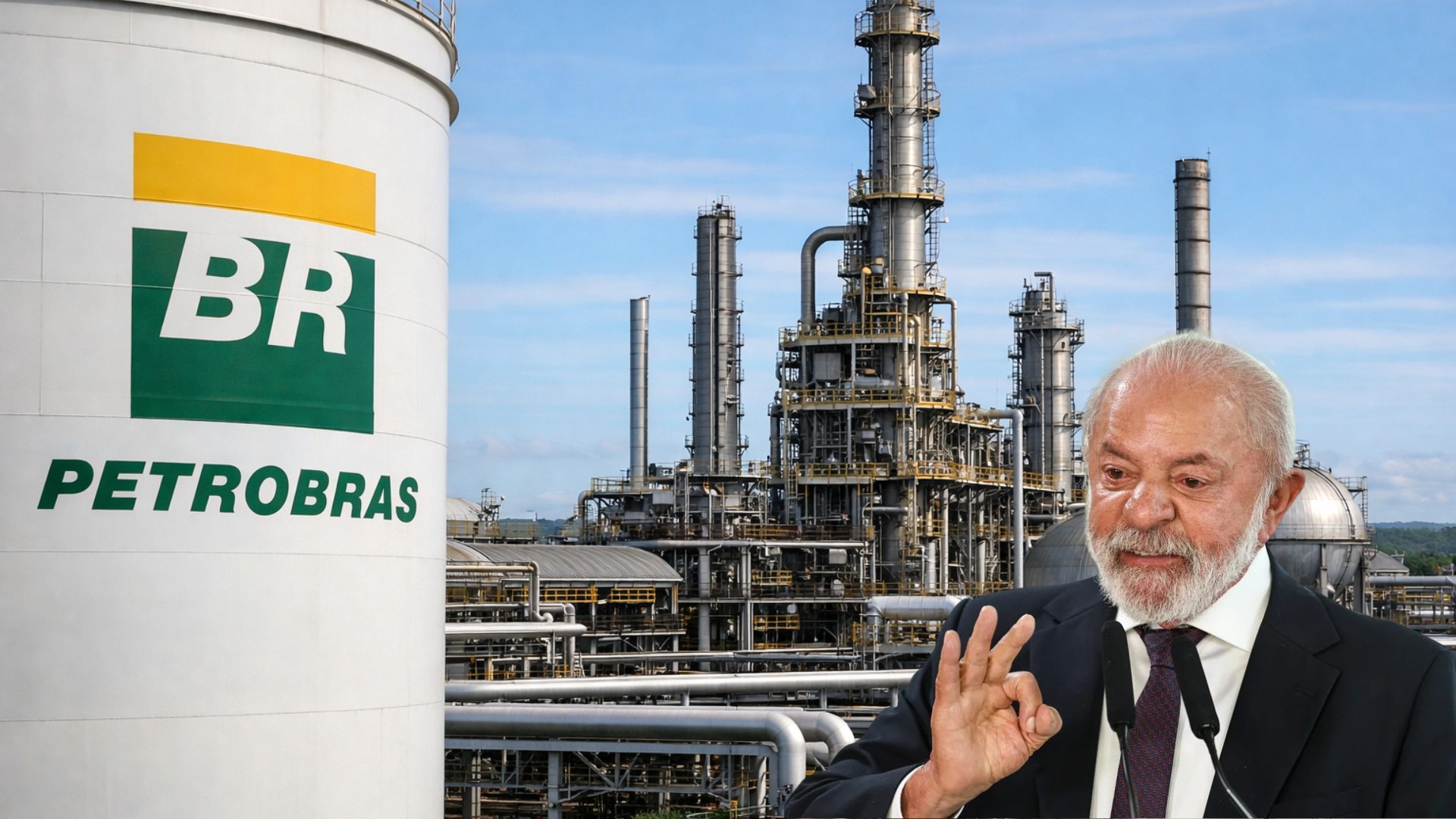
Lula reveals a masterstroke by Petrobras to undo a deal made by Bolsonaro, which involves the return of an important refinery that currently produces less than half of what was expected and makes Brazil dependent on international diesel.
-
A study confirms that the natural gas sector will reduce greenhouse gas emissions in Brazil by 0.5% and accelerate the energy transition by 2026.

-
Petrobras implements a severe adjustment and confirms a 55% increase in the price of aviation kerosene with a proposal for installment payments for the companies.


Petrobras has set aside US$ 6 billion for well drilling in the next five years, with 49% of that amount, approximately US$ 3 billion, allocated to the Equatorial Margin. In total, 42 new wells will be drilled across the country, with 16 of them in the Equatorial Margin, according to Pessoa.
Although there are challenges related to environmental licenses and requirements from Ibama, Petrobras is confident that it will be able to meet its goals. The license for drilling in the Amazonas River Basin was denied by Ibama in March, but the state-owned company is seeking alternatives to overcome this obstacle. The company has already addressed environmental concerns, such as the impact on the lives of local indigenous communities, and hopes to obtain the necessary approval to continue exploration activities.
Pessoa noted that drilling the first well in the Potiguar Basin, called Pitu, is scheduled for 2023, followed by a second well in 2024. He believes that the results of these drillings will reflect in the Amazonas River Basin. The executive acknowledged that the company does not have a plan B for the Equatorial Margin but is always looking for alternatives to ensure the success of its exploration activities.
It is important to emphasize that even if oil is discovered in a new frontier like the Equatorial Margin, it will take time for production to begin. According to Pessoa, the average timeframe is seven to 14 years, but Petrobras is working to shorten this time through the “Prod 1000” program, which aims to start production within 1000 days after discovery. Currently, this timeframe can reach around 3,000 days, but the state-owned company intends to be more efficient and reduce this period in the coming years.








Seja o primeiro a reagir!