





 Portuguese
  English
  Spanish
  3 min of reading
  0 comments


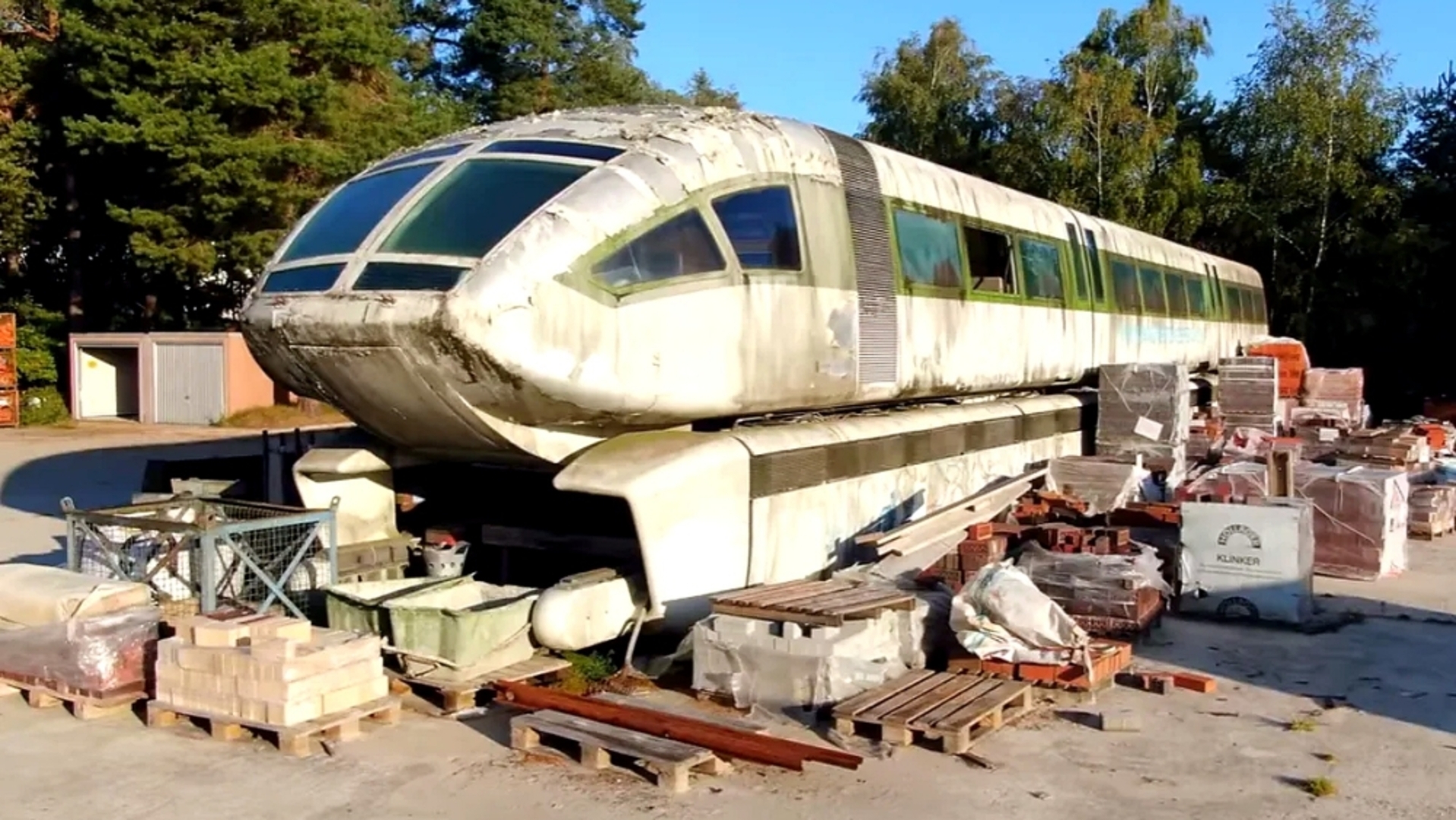
High infrastructure costs and lack of integration with existing networks led to the cancellation of the German railway project.
The Transrapid project, a high-tech magnetic levitation train developed in Germany, was officially terminated in the country after an investment exceeding 1.25 billion euros.
Capable of reaching speeds of 450 km/h, the system promised to revolutionize European rail transport by eliminating friction between wheels and tracks through electromagnetic fields. Despite advanced technical development, the German government chose not to put the system into commercial operation in its territory.
The German technology, although pioneering, faced insurmountable obstacles related to high infrastructure costs and a lack of political support for its domestic implementation. The definitive closure of the project in Europe marks the end of decades of research and testing conducted on the Emsland track. While the magnetic levitation train remains as a piece of museum in Germany, the technology found commercial viability on the other side of the world, being fully adopted by China.
-
Stanford scientists develop new cement with volcanic rock capable of cutting carbon emissions by 67% in construction.

-
Research from the University of Manchester confirms that waste heat from combustion engines increases city temperatures by up to 0.35 °C.

-
Researchers convert plastic waste into fuel with high thermal efficiency and a 60% yield in gasoline.
-
A true “invisible ocean” of fresh water has been found beneath the Atlantic and could sustain a metropolis like New York for centuries while challenging everything that was known about natural water reserves on the planet.

Exclusive commercial operation in China
China has become the only country to put the system into regular service, connecting the financial center of Shanghai to its international airport via the Shanghai Maglev.
Operating with technology originally developed by German engineers, the Chinese service demonstrates the practical functionality of the system on high-density routes. The success of the operation on Asian soil contrasts with Germany’s decision to prioritize conventional high-speed rail networks (ICE).
The implementation in China required massive investments to create elevated tracks and specific electrical substations for the magnetic levitation train. Since its inauguration, the Chinese system has served as the world’s main showcase for magnetic transport, maintaining record punctuality and speed rates. The project in Shanghai validated the safety of the German model, proving that the technology was viable, although it required a financing model that Europe was not willing to maintain.
High costs and the 2006 accident
One of the decisive factors for the decline of the project in Germany was the astronomical construction cost per kilometer, which exceeded several times the value of a traditional railway line.
The need to build entirely new magnetic tracks prevented the integration of the magnetic levitation train with the existing railway network on the continent. In addition to financial challenges, a tragic accident during a test in 2006, which resulted in 23 deaths, shook public and political confidence in the safety of the system.
The incident occurred due to a human communication failure, not a defect in the levitation technology, but the reputational impact was profound. After the disaster, plans for the construction of a commercial line between Munich’s central station and the city’s airport were canceled due to rising cost estimates.
The German government concluded that the magnetic levitation train represented an excessive financial risk compared to the benefits offered by competing railway technologies.
Technological legacy and future of transport
The abandonment of the Transrapid in Germany resulted in the dismantling of part of the test tracks and the interruption of the manufacturing of new vehicles in the country. The vast knowledge accumulated during the development of the magnetic levitation train served as a foundation for other innovations in the transport and electrical engineering sectors. Currently, the original vehicle is preserved as a landmark of German engineering that, despite its sophistication, failed to sustain itself economically in its home market.
Experts point out that the German experience serves as a lesson on the importance of network compatibility and economic viability in large-scale infrastructure projects.
The fate of the magnetic levitation train highlights how leadership in innovation does not necessarily guarantee practical application in the country of origin. Today, Germany focuses on modernizing its traditional fleet, while German magnetic technology continues to transport thousands of passengers daily hundreds of kilometers away.
Click here to access the study.






Seja o primeiro a reagir!