Portuguese
  Spanish


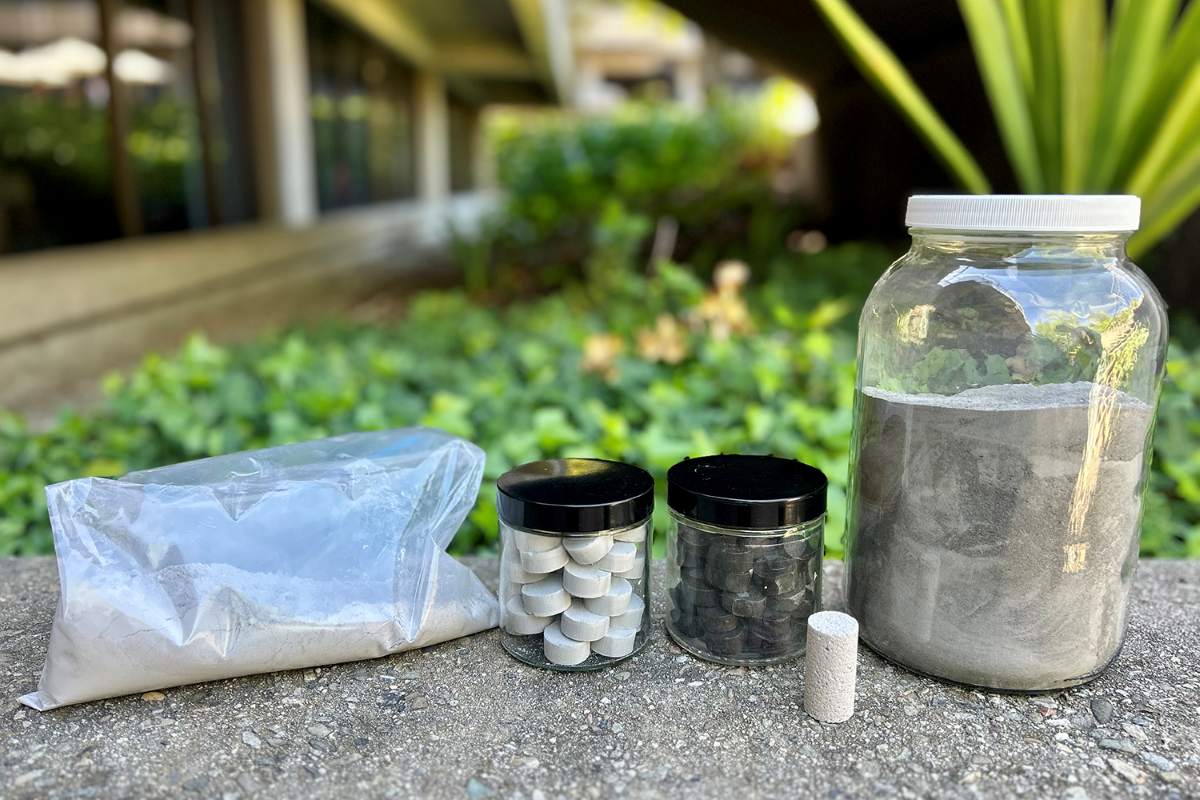

Technological innovation replaces traditional limestone with volcanic materials to reduce the environmental impact of construction.
Researchers at Stanford University have developed a sustainable alternative to traditional cement that uses volcanic rock to reduce carbon dioxide emissions by 67%.
The new material replaces part of the limestone used in conventional manufacturing, a process that has historically contributed significantly to global atmospheric pollution. The innovation maintains the structural strength necessary for civil construction while drastically reducing the environmental impact of production.
The production of conventional cement requires the burning of limestone at extremely high temperatures, releasing large amounts of greenhouse gases during decarbonization. By integrating the new cement with volcanic rock into the process, scientists have managed to reduce dependence on this polluting chemical reaction.
-
Engineers Develop Fridge-Sized Machine to Produce 95-Octane Synthetic Fuel from Air and Water, Aiming to Sustain Combustion Engines Without Oil

-
Two-Armed Robot Uses AI to Reassemble Destroyed Pompeii Frescoes, Solving an “Impossible” Puzzle
-
New Law in Brazil Requires Breaks for Type 1 Diabetes Management at Work, School, and Public Exams

-
Scientists Confirm “Greening” of Antarctica: Ice on the World’s Coldest Continent Turns Green as Mosses Multiply Over Tenfold in Four Decades


The technique leverages the natural properties of volcanic ash and rocks, which already possess favorable chemical characteristics for the formation of hydraulic binders without the need for intensive thermal processing.
Chemical efficiency and heat reduction
The method developed at Stanford focuses on replacing clinker, the main component of cement, with processed volcanic materials. The new cement with volcanic rock requires much less heat to be produced, saving fuel and reducing the burning of fossil sources in factories. This change not only cuts direct carbon emissions from the raw material but also decreases the total energy consumed during the manufacturing cycle of the input.
In addition to the thermal issue, researchers have demonstrated that the volcanic material reacts efficiently with the other components of the mix, ensuring long-term durability.
The new cement with volcanic rock features reduced porosity, which can increase the lifespan of concrete structures by preventing the infiltration of corrosive agents. Laboratory tests confirmed that the mechanical integrity is comparable to that of ordinary Portland cement, validating its technical applicability.
Sustainability in civil construction
The construction industry has been seeking ways to decarbonize its production chain for decades, and this advancement offers a scalable route. As volcanic rock is abundant in various regions of the planet, the logistics for producing the new cement with volcanic rock can be optimized locally in several countries. The 67% reduction in pollution positions this technology as one of the most effective tested to combat the carbon footprint of the real estate and infrastructure sector.
The Stanford project also highlights that the use of waste or natural deposits of volcanic rock does not interfere with the aesthetic quality of constructions. The implementation of the new cement with volcanic rock does not require drastic changes in the equipment already used by current cement plants, facilitating the industrial transition. The simplicity of the chemical component exchange is one of the strengths highlighted by the team for the economic viability of the project.
Feasibility and future of the sector
Although traditional cement is the most widely used construction material in the world, its environmental cost has become a critical challenge for international climate goals.
The new cement with volcanic rock emerges as a direct response to this crisis, offering a balance between urban development and ecological preservation. Researchers continue to conduct compression and tensile strength tests to ensure that the material can support large loads in buildings and bridges.
The expectation is that the adoption of stricter regulatory standards will drive the use of solutions like the new cement with volcanic rock in the coming years. With the scientific validation from Stanford, the sector gains important technical backing to attract investments in pilot production plants. The success of this technology could transform the image of heavy industry, proving that it is possible to build efficiently while emitting only a fraction of current pollutants.
Click here to access the study.