





 English
  Francês
  Alemão
  Italiano
  Japonês
  Norueguês
  Portuguese
  Spanish
  3 min of reading


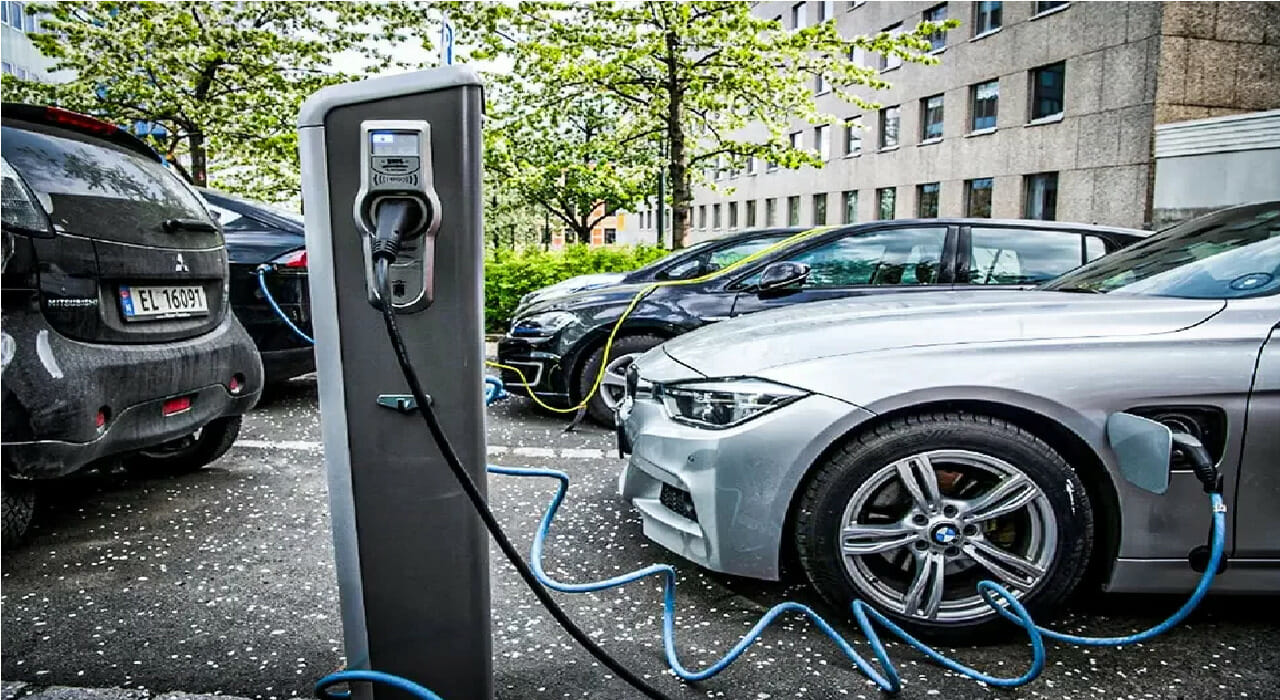
Great Wall Motors (GWM), The Chinese Electric Vehicle Manufacturer, Is Planning an Undertaking in Brazil and Aims to Stand Out in the Country
Great Wall Motors (GWM), a Chinese manufacturer, is planning to invest a total of R$ 10 billion in Brazil by 2032, consolidating its position in the Brazilian automotive market and, particularly, in the growing electric vehicle sector. GWM is already surprising with its performance in the country, outpacing even traditional brands, according to Isto é.
GWM arrived in Brazil in 2021 with the acquisition of the Mercedes-Benz factory in Iracemápolis, São Paulo. Since then, the company has already invested R$ 4 billion in the factory, with plans to increase its investments further in the coming years. Ricardo Bastos, director of institutional and governmental relations at GWM, and also president of the Brazilian Electric Vehicle Association (ABVE), states that GWM aims to become a major company in Brazil and is committed to investing in the local market.
State-of-the-Art Production Facility
The GWM factory in São Paulo, inaugurated in January 2022, is undergoing significant modernization. With a total area of 1.2 million square meters, the factory aims to quintuple its production capacity by 2025, directly employing around 2,000 people, in addition to 8,000 indirectly.
-
Engineers propose a fourth traffic light for intersections – the change promises to affect crossings, queues, and waiting times.

-
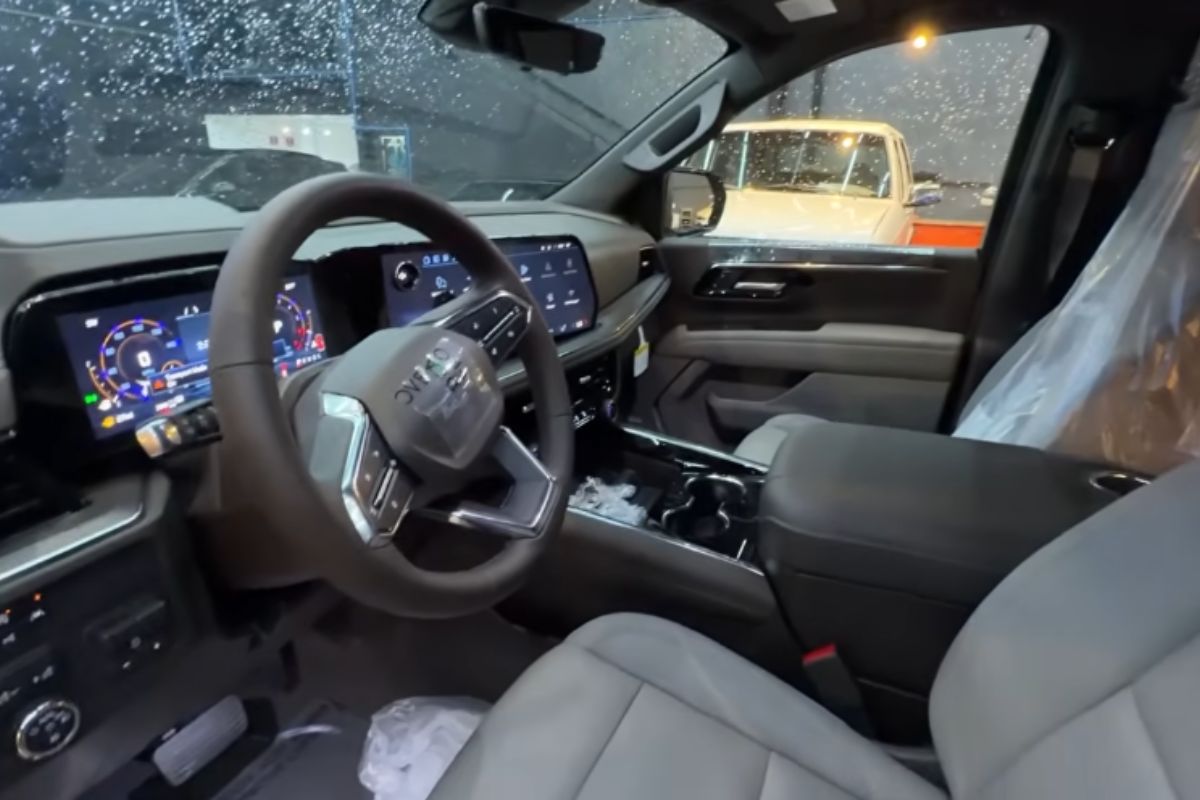
Chevrolet Suburban Z71 lands in Brazil with a V8 engine, off-road design, air suspension, seven seats, and colossal size, a rare version imported for around R$ 1.3 million with luxury and exclusivity.
-
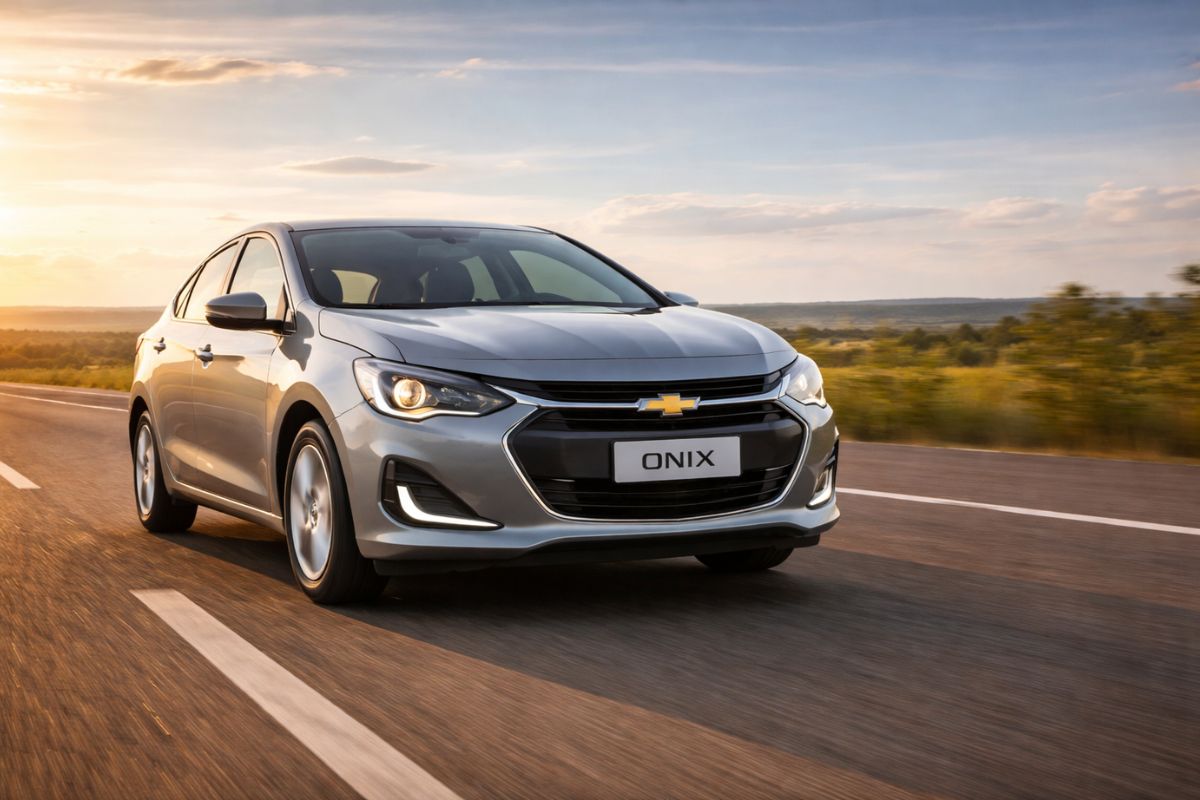
The Chevrolet Onix 1.0 turbo achieves 17.7 km per liter on the highway and ranks among the three most economical cars in Brazil in 2026, alongside two more expensive Toyota hybrids available at dealerships.
-
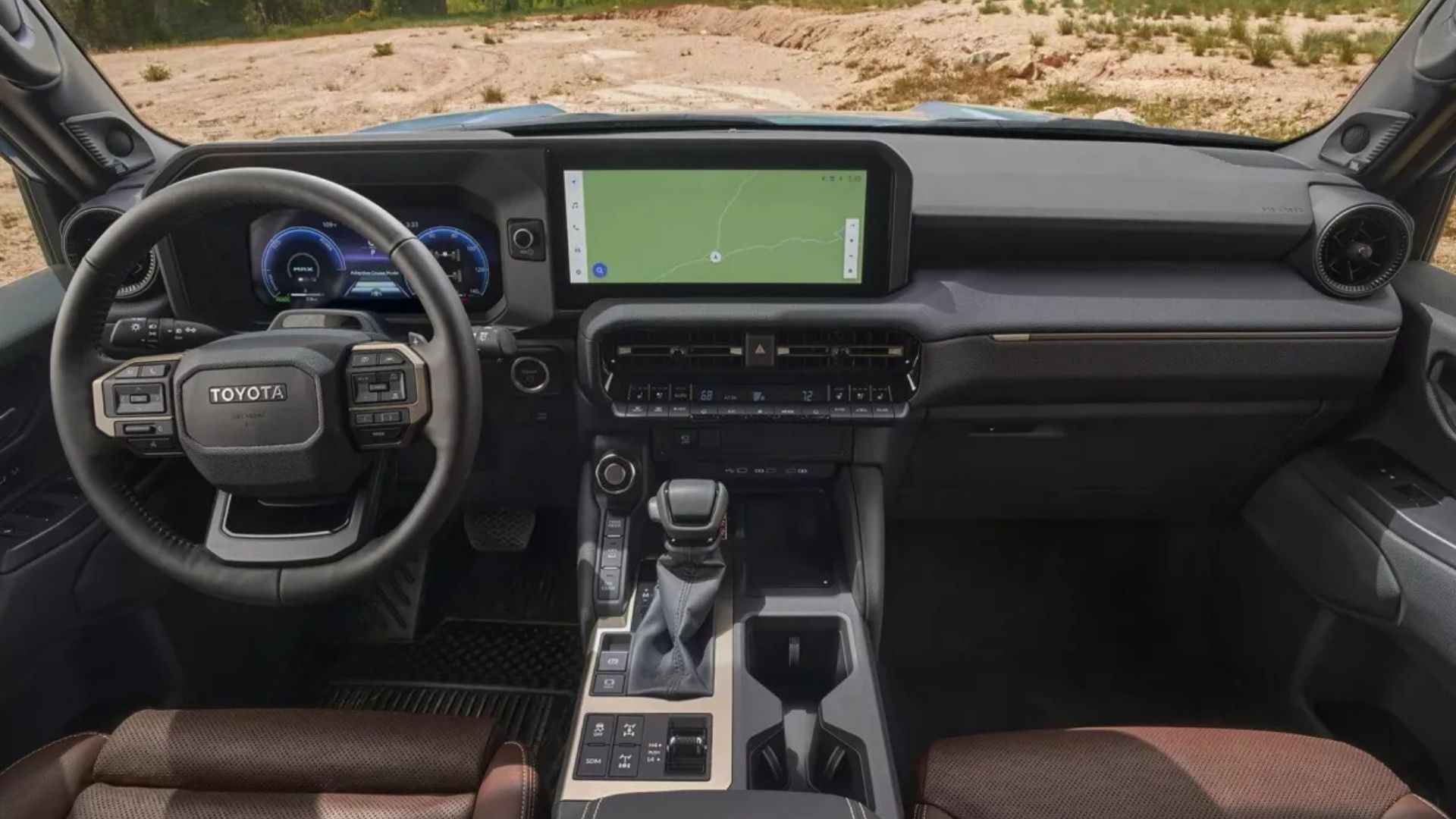
Little sister of the Hilux: Toyota launches Land Cruiser FJ with 4 radical versions, 2.7 engine with 166 hp and 4×4 traction with locking.

GWM aims to transform its Brazilian operation into the largest export hub for the Americas. The company already has an assembly line in Ecuador and sells its models in several countries in the region, including Argentina, Chile, Peru, and Uruguay. Furthermore, GWM maintains several factories in China and one unit in Russia.
Ten Products in Three Years
The Chinese manufacturer plans to launch ten products in the Brazilian market over the next three years, with some of them being produced locally. One of its first models, the mid-size SUV Haval H6, was launched in Brazil in plug-in hybrid (PHEV) and conventional hybrid versions, surprising by selling over 3,100 units in just a little over three months.
The success of the Haval H6 has led it to lead the hybrid vehicle market in Brazil, surpassing models such as the Toyota Corolla Cross and the Toyota Corolla Sedan. GWM expects to reach 10,000 sales of the Haval H6 in Brazil this year, thanks to a pre-sale strategy and extensive marketing.
Expansion of the Electric Vehicle Line
GWM continues its expansion in the electric vehicle market with the launch of the Ora 03, its first fully electric imported car in Brazil. With competitive prices ranging from R$ 150,000 to R$ 184,000, GWM is increasing its presence in the accessible electric car market, competing with rival brands such as BYD, JAC, and Renault.
GWM’s leadership in the Brazilian market is noteworthy, especially as it has surpassed other Chinese manufacturers, such as BYD. BYD is also seeking to establish a manufacturing presence in Brazil, with a planned investment of R$ 3 billion for the construction of three factories.
Diversification Strategy with the Factory
GWM plans to produce hybrid pickups and SUVs in Brazil starting in the second half of 2024. Its strategy of importing products adapted to the Brazilian market, well-equipped, and competitively priced is being praised by automotive industry experts.
The company is working to expand its dealership network in Brazil, with plans to reach around 130 dealerships by the end of 2024. Additionally, it is looking to develop a local supply chain for parts and components of its electric vehicles.
GWM is committed to not only offering a variety of electric vehicles to the Brazilian market but also to creating a connection with society and demonstrating how electromobility can be beneficial for the country and the environment. With the growing demand for electric vehicles in Brazil and GWM’s commitment to providing accessible and efficient options, the Chinese manufacturer is playing an important role in transforming mobility in the country.








Seja o primeiro a reagir!