





 Portuguese
  English
  Spanish
 4 min of reading
  0 comments


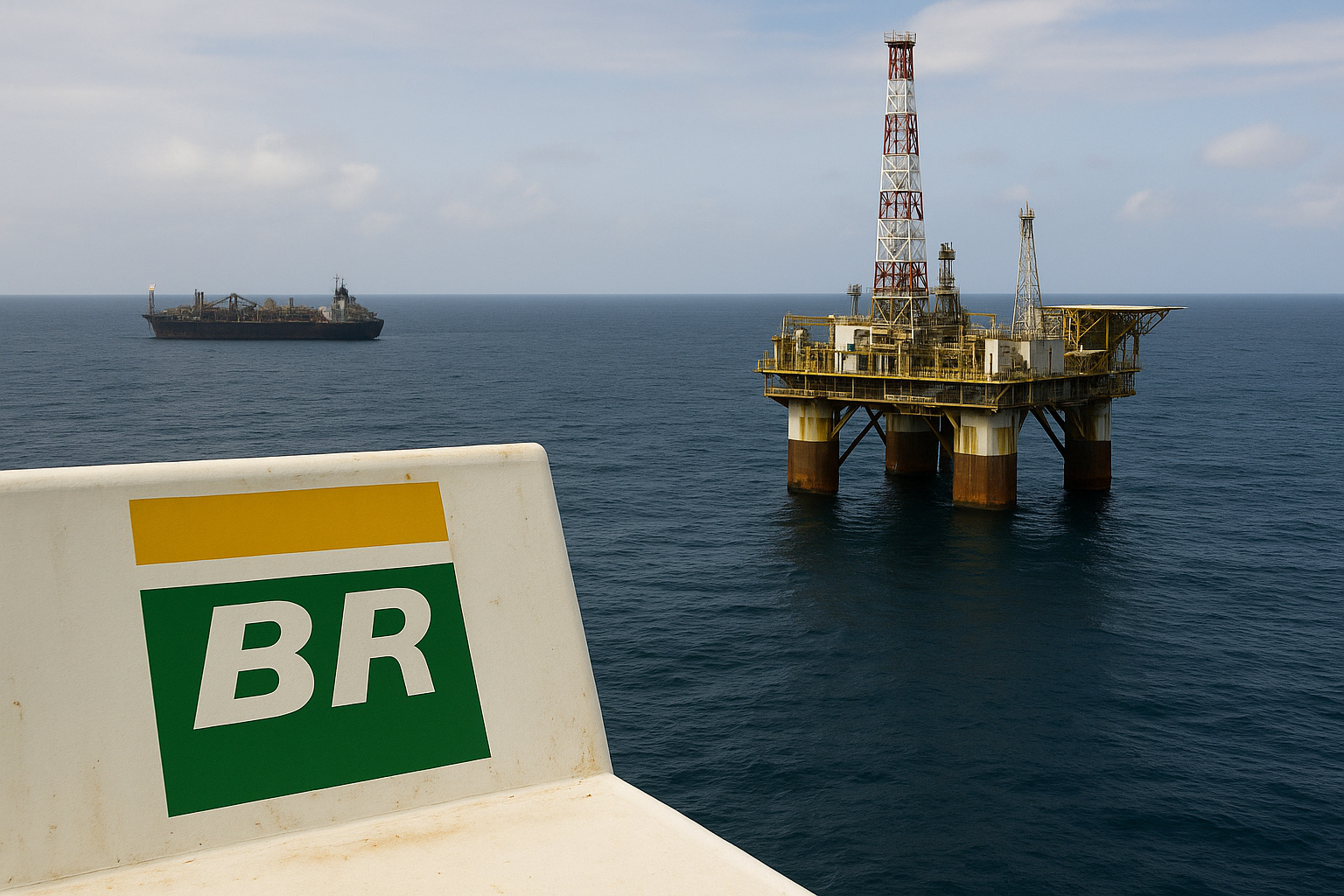
More Than 50 Thousand Barrels Daily Should Resume Production in the Tupi Field in the Santos Basin After ANP Release and Technical Adjustments from the State-Owned Company.
The Petrobras announced, on October 13, 2025, that it is ready to resume operations of the FPSO Angra dos Reis, a platform installed in the Tupi field, in the pre-salt Santos Basin. The unit can produce up to 50 thousand barrels of oil per day. It had been halted by the National Agency of Petroleum, Natural Gas and Biofuels (ANP) following inspections that identified necessary reinforcements in operational safety.
Additionally, according to an official statement, the company has completed all actions required by the regulatory body. Now, the state-owned company is preparing to gradually resume activities, which should occur in the coming days, depending on weather conditions.
Technical Adjustments Ensure Safety and Stability
The state-owned company stated that “it continues to work to finalize the safe return process of the unit as quickly as possible.” Therefore, the company’s technicians reported that the FPSO Angra dos Reis underwent structural and environmental checks. The goal is to ensure safety for workers and operational integrity.
-
Petrobras evaluates suspension of sales to distributors and considers canceling the cooking gas auction following guidelines from the Federal Government.
-
Lula reveals a masterstroke by Petrobras to undo a deal made by Bolsonaro, which involves the return of an important refinery that currently produces less than half of what was expected and makes Brazil dependent on international diesel.
-
A study confirms that the natural gas sector will reduce greenhouse gas emissions in Brazil by 0.5% and accelerate the energy transition by 2026.

-
Petrobras implements a severe adjustment and confirms a 55% increase in the price of aviation kerosene with a proposal for installment payments for the companies.


In addition to the technical aspect, the platform has been operating since October 2010 and was the first large-scale unit installed in the Brazilian pre-salt. It marked a historical advance in offshore exploration and symbolizes the national technological strength.
Initially named Lula, in honor of President Luiz Inácio Lula da Silva, it was renamed Tupi during the government of Jair Bolsonaro, in 2020. Thus, the change sought to standardize the names of the pre-salt fields.
The resumption of operations occurs after the contract extension of the unit until 2030. The agreement, signed in January 2025 between Petrobras and the field partners, reinforces the commitment to the continuity of activities in the pre-salt, maintaining productivity and stability even in a challenging scenario.
Consortium Reinforces Operation and Strategic Participation
The Tupi field is operated by a consortium led by Petrobras, which holds 67% of total production. Additionally, Shell Brasil participates with 23%, Petrogal Brasil with 9%, and PPSA (Pré-Sal Petróleo S.A.) with 0.551%. This structure reflects the collaborative strength of the Brazilian oil sector, contributing directly to technological and operational advancements.
Tupi was once the largest producing field in the pre-salt. However, in August 2025, Búzios surpassed it, according to official data from the ANP. Búzios produced 821.8 thousand barrels daily, while Tupi recorded 780.4 thousand bpd. Nevertheless, the field remains a technological reference and is essential for national production, especially in times of price fluctuations in oil.
FPSO Angra dos Reis: A Pioneer That Remains Relevant
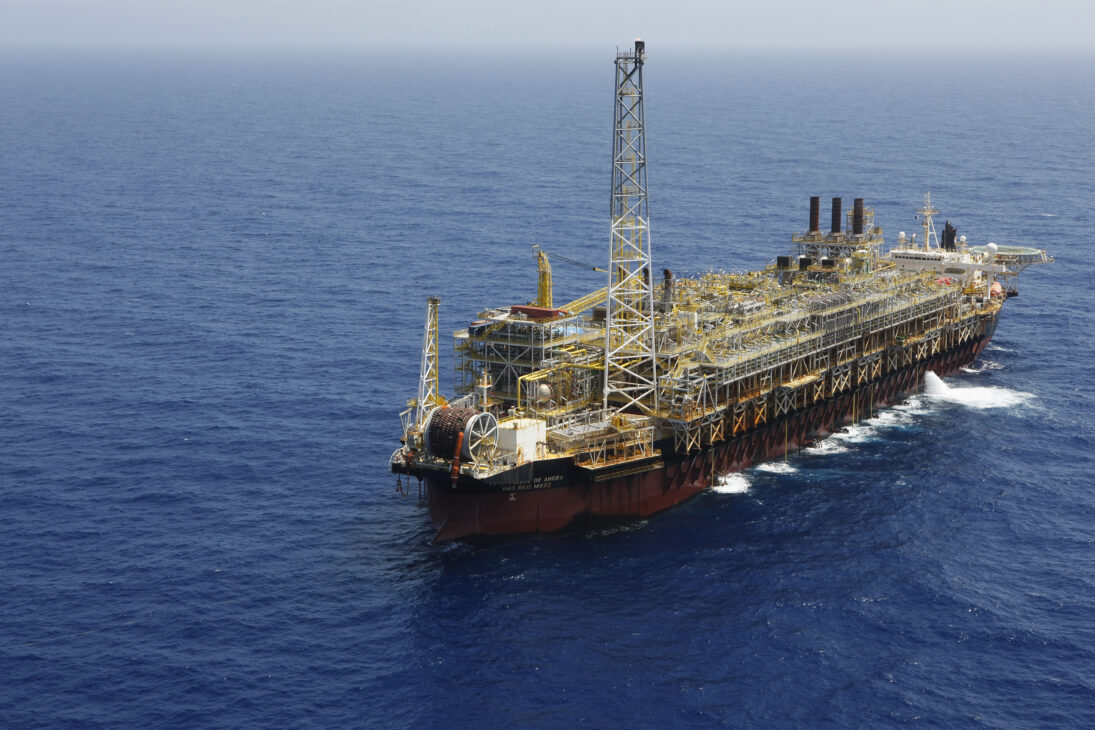
With a capacity of 50 thousand barrels daily, the FPSO Angra dos Reis performs below the new Búzios platforms, which reach 225 thousand bpd. Nevertheless, the unit is vital for balancing production in the Santos Basin.
Furthermore, experts highlight that, in times of market instability, keeping platforms active and safe is critical for Petrobras’s stability. Currently, the barrel of oil is below US$ 65, underscoring the need for operational efficiency and cost optimization.
For this reason, Petrobras stated that the resumption will follow strict safety and sustainability standards. Technicians continuously monitor environmental and structural conditions to ensure the return within ideal parameters, demonstrating the state-owned company’s focus on responsibility and governance.
Economic Importance and Symbolism of the Resumption
The return of the FPSO Angra dos Reis symbolizes resilience and commitment to Brazil’s energy future. Moreover, it reinforces Petrobras’s leadership role in pre-salt exploration, a sector that is crucial for the national economy and for balancing the trade balance.
Analysts evaluate that the return to production will help compensate for declines in mature fields, as well as reinforce investor confidence. Thus, the state-owned company demonstrates agility and responsibility in the face of operational challenges and solidifies its image of strength in the market.
The Future of Pre-Salt and the Challenge of Efficiency
Even with a lower volume than Búzios, the Tupi field continues to be a symbol of Brazilian technological advancement in deep waters. Since its inception, the field has helped the country achieve production records and keeps Petrobras as a global reference in offshore engineering.
Additionally, the company intends to maintain operations until 2030, investing in efficiency, safety, and innovation. The goal is to ensure sustainability, job creation, and technological advancement, even amidst the global energy transition. In this way, Petrobras seeks to balance economic growth and environmental responsibility.
What do you think should be a priority for Petrobras at this moment: accelerating production to increase revenue or investing in cleaner and safer technologies to secure the future of the pre-salt? Share your opinion!









Seja o primeiro a reagir!