





 Portuguese
  English
  Spanish
  5 min of reading
  0 comments


Unigel, A Giant in the Chemical Sector That Once Generated Over R$ 9.7 Billion, Faces the Biggest Crisis in Its History. Burdened with R$ 3.8 Billion in Debt, It Seeks to Avoid Bankruptcy and Save Thousands of Jobs.
Few Brazilian companies represent the rise and turmoil of the national industry as well as Unigel. Founded in 1966, the company grew with the impetus of the petrochemical hub in Camaçari (BA), became one of the largest producers of nitrogen fertilizers and plastic resins in the country, and recorded annual revenue exceeding R$ 9.7 billion in its best years. However, in 2025, the same giant that symbolized the strength of Brazilian chemistry faces the biggest challenge in its history: R$ 3.8 billion in debt, market pressures, and a daily fight to avoid financial collapse.
From Expansion to Collapse: The Empire That Went Awry
The recent trajectory of Unigel is marked by ambition and turbulence. In search of expansion, the company invested US$ 135 million in the construction of a new sulfuric acid plant in Bahia, increased its presence in Sergipe, and sought to diversify products to serve agribusiness and the heavy chemical industry. However, the global landscape changed — and the company was hit hard.
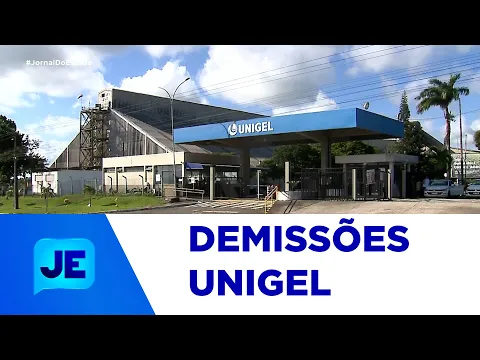

The explosion in natural gas prices, the main input in fertilizer production, combined with the competition from cheaper imported products and the depreciation of the real, eroded margins and drained cash flows.
-
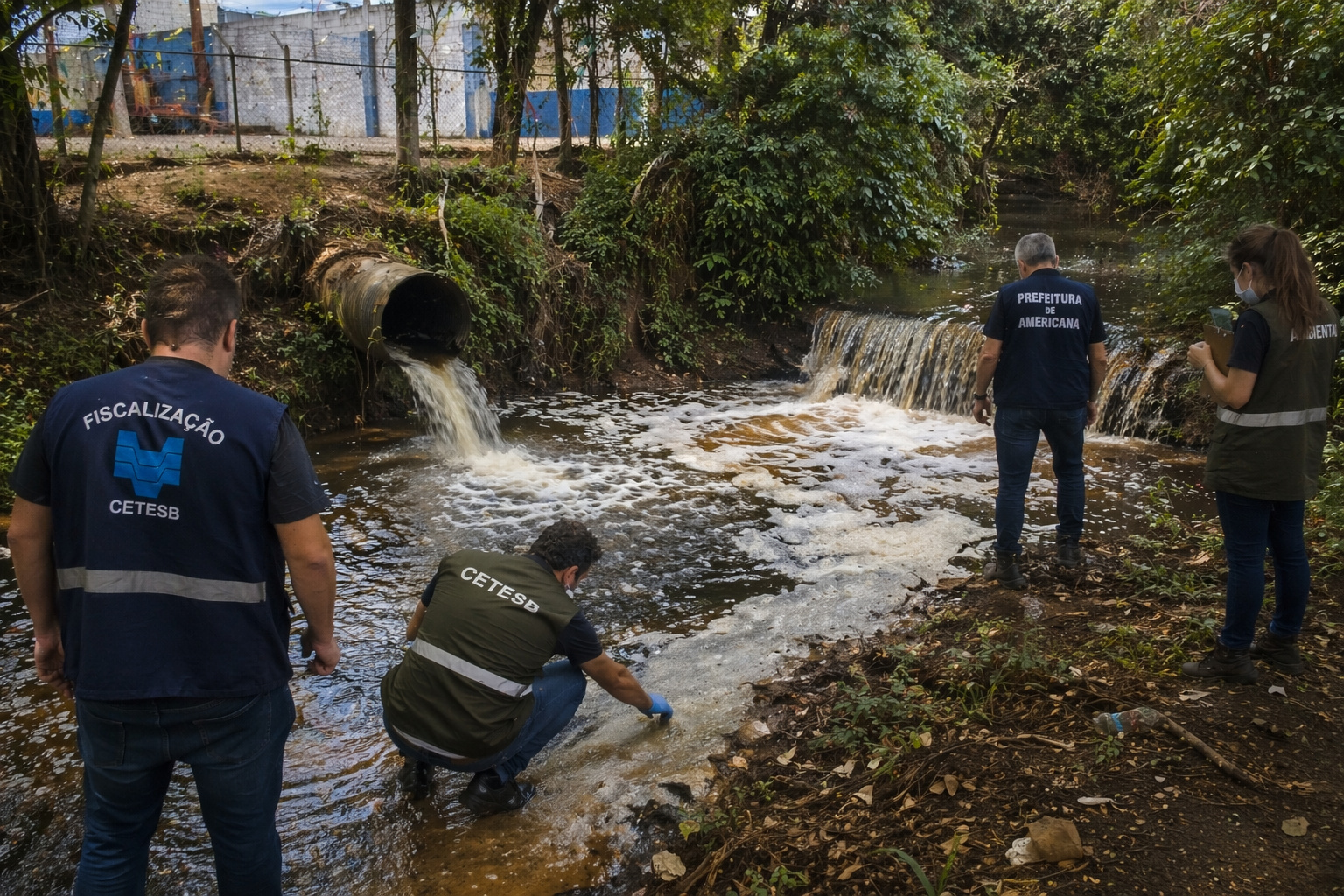
A fine of R$ 115 thousand puts Goodyear at the center of an environmental case in Americana after oil and grease appeared in a stream and the company was forced to act quickly.
-
Lack of workers and an aging population: Japan bets on AI robots in factories, logistics, and infrastructure to keep the economy and essential services active.

-
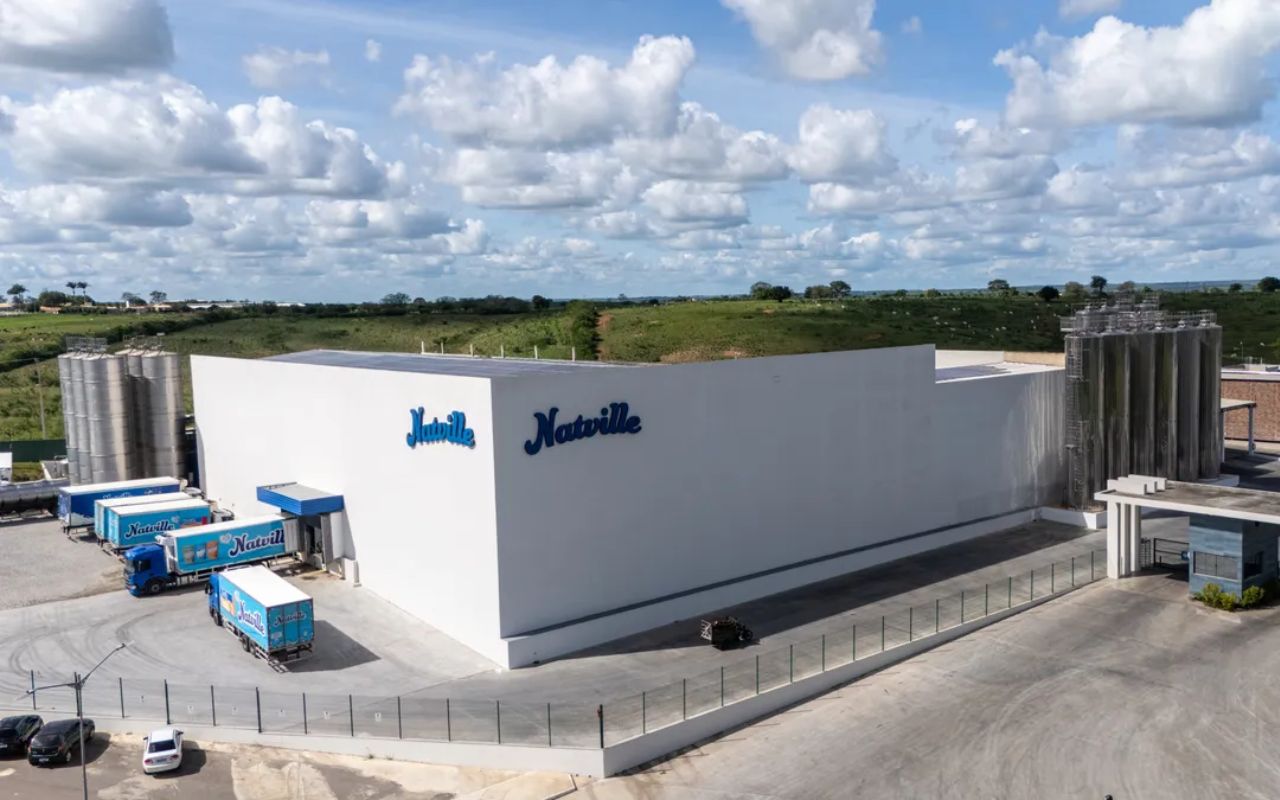
Natville puts R$ 700 million on the table for new factories in the Northeast, generating jobs and boosting the local economy.
-
With 74% of companies facing difficulties in hiring, technicians and engineers in renewable energy are becoming scarce in Brazil and are essential to support the expansion of solar, wind, and green hydrogen projects.

According to information from Reuters and Bloomberg Línea, Unigel faced a series of operational losses that undermined its ability to pay.
The already high debt surpassed R$ 3.8 billion, leading the company to seek emergency agreements with creditors.
The seriousness of the situation led the company to resort to the courts to obtain injunctions to suspend executions and collections for up to 180 days, in an attempt to gain breathing space and restructure its liabilities without resorting to bankruptcy — a process that, according to sources close to management, is still regarded as “a last resort.”
The Weight of a Billion-Dollar Debt
The billion-dollar debt is the epicenter of the crisis. According to the Terra portal, Unigel is trying to renegotiate an agreement that would freeze creditor collections until January 2026, allowing for asset sales and the entry of new investors.
Part of the debt was inherited from previous expansions; another part arose with the cycle of high-interest rates, which increased the cost of financial operations.
For analysts, Unigel’s case is emblematic of a broader problem: the national chemical industry’s dependence on dollarized inputs and the lack of a competitive natural gas policy. Without predictable energy costs, companies in the sector become vulnerable to external shocks and exchange rate volatility. The result is a structural imbalance that affects both profitability and investment capacity.
Betting on the Future — and the Uncertainty of the Present
Despite the critical moment, Unigel tries to show resilience. In an interview with Bloomberg Línea, executives stated that the company is evaluating raising up to US$ 100 million in the market to refinance debts and maintain operations.
The company also keeps its fertilizer plants in Sergipe and Bahia operational, considered strategic for Brazilian agribusiness, especially in a context of external dependence on NPK (nitrogen, phosphorus, and potassium).
Investments in clean energy and green hydrogen, announced in 2023, are also on the radar — although at a slower pace.
The project, initially budgeted at US$ 120 million, aims to produce green hydrogen and ammonia for export, based on renewable sources. If realized, it could reposition Unigel as one of the Latin American pioneers in the segment. But until then, the priority is different: to survive.
Crisis of Confidence and Change of Command
The atmosphere within the company also reflects the pressure. In mid-2025, the then-CEO left the position amidst the restructuring, creating uncertainties about the company’s future.
According to a report from A Santos Advogados, the executive’s departure coincided with a review of strategies and the advancement of negotiations for an extrajudicial recovery plan, aimed at preserving jobs and avoiding mass judicialization of debts.
Currently, Unigel employs thousands of direct and indirect workers, especially in Bahia and Sergipe, and is one of the pillars of the northeastern chemical complex.
If the company fails to maintain operations, the economic impact could affect not only suppliers and carriers but also entire communities that depend on its activity.
Reflection of a Greater Crisis in the National Industry
The situation of Unigel exposes a recurring problem: the fragility of the base industry in Brazil. In the last 15 years, the sector has lost competitiveness against countries with cheaper energy, stable industrial policies, and easier access to credit.
The Brazil cost, resulting from the complex tax burden, bureaucracy, and poor infrastructure — remains an obstacle to the resumption of local production.
For experts consulted by Agência Brasil, Unigel’s case should serve as a warning of the need for structural policies focused on green industrialization, the relief of strategic input burdens, and the resumption of the role of national companies in the high-complexity production cycle.
The loss of major players, such as Unigel, would represent more than a business setback — it would be a blow to Brazil’s ability to compete globally.
What’s at Stake
Unigel is more than a company: it is a symbol of an era when Brazil believed it could be self-sufficient in chemistry and energy. Its destiny now rests in negotiations with banks and international funds.
If it can approve its restructuring plan by early 2026, it will avoid bankruptcy and reorganize its portfolio, focusing efforts on the most profitable segments.
But if the talks fail, the company may follow the same path as other Brazilian giants that collapsed under the weight of debts — a bitter reminder that, in the commodity-rich country, the industry still struggles to survive.









Seja o primeiro a reagir!