





 Portuguese
  English
  Spanish
  5 min of reading
  0 comments



With Investment Confirmed After Three Years of Negotiation, Indian Multinational TCS Will Build a 9,000 m² Complex in Londrina, with LEED Gold Certification, Focused on Artificial Intelligence, Cybersecurity, and ERP, Creating 1,600 Direct Jobs by 2027 and Total Capacity for 5,000 Professionals Across Brazil.
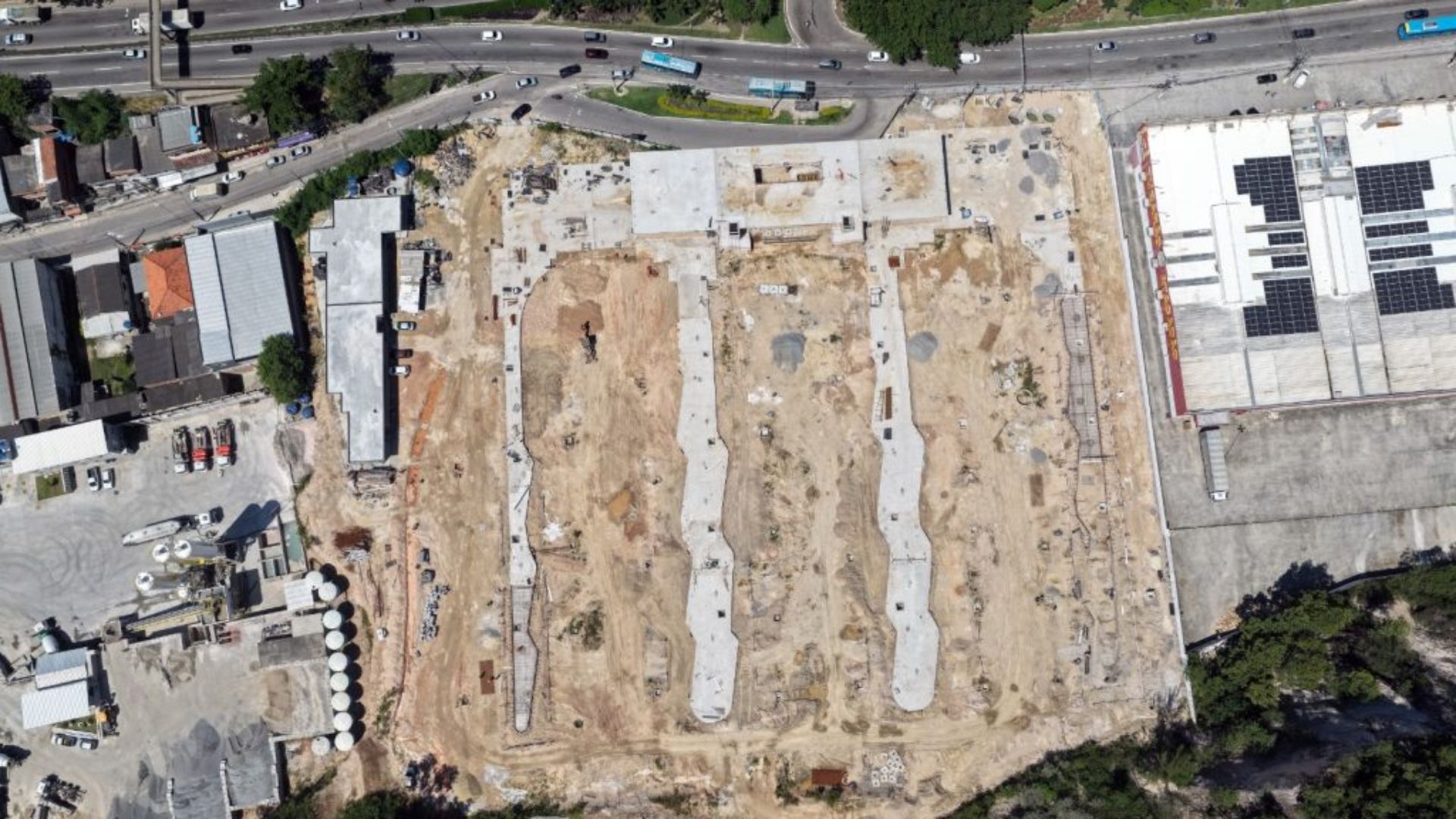
The investment of R$ 200 million announced by Tata Consultancy Services (TCS) in Londrina places Paraná at the center of a new stage of corporate technology in the country. Confirmed on January 27, after three years of negotiations with the state government, the plan includes the construction of a 9,000 m² campus with three facilities, expected to be completed by 2027.
In practice, the decision combines physical expansion, team growth, and strategic repositioning. In addition to the 1,600 direct positions anticipated, the company plans to expand its local operation to up to 5,000 employees, while strengthening its focus on artificial intelligence, cybersecurity, and ERP solutions in a base aimed at Brazil and Latin America.
What the Investment Reveals About TCS’s Strategy in Brazil

When a company with 580,000 employees spread across 55 countries directs an investment of this scale to a city outside the conventional capital axis, the message is clear: there is a bet on scale, continuity, and specialization. TCS has been operating in Brazil for over 20 years and serves more than 200 clients in sectors such as banking, insurance, mining, healthcare, manufacturing, retail, and telecommunications, which require robust operation and continuous delivery capacity.
-
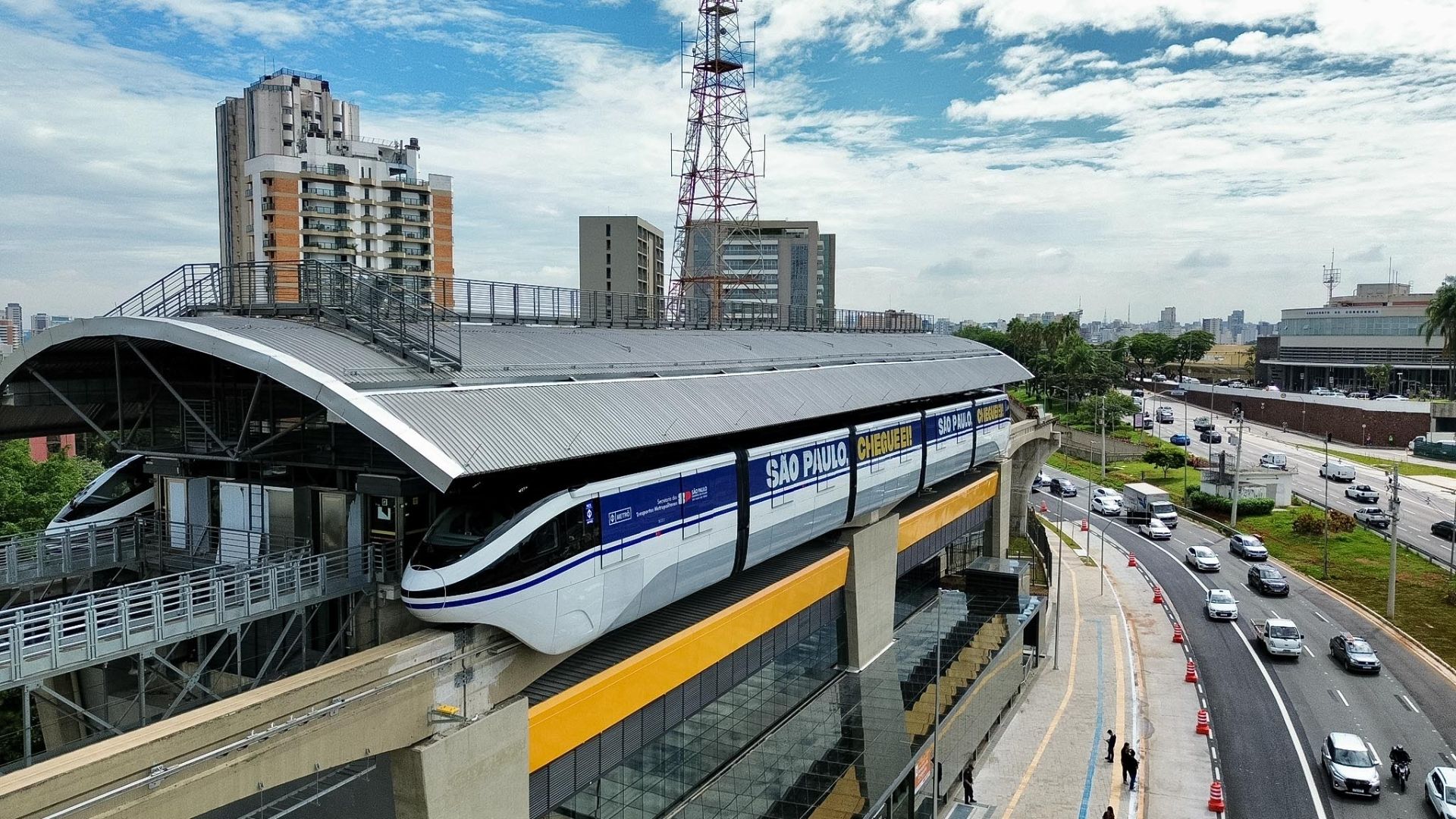
Congonhas receives the monorail promised for the 2014 World Cup after more than a decade of delays and becomes the first airport in Brazil with integrated subway.
-
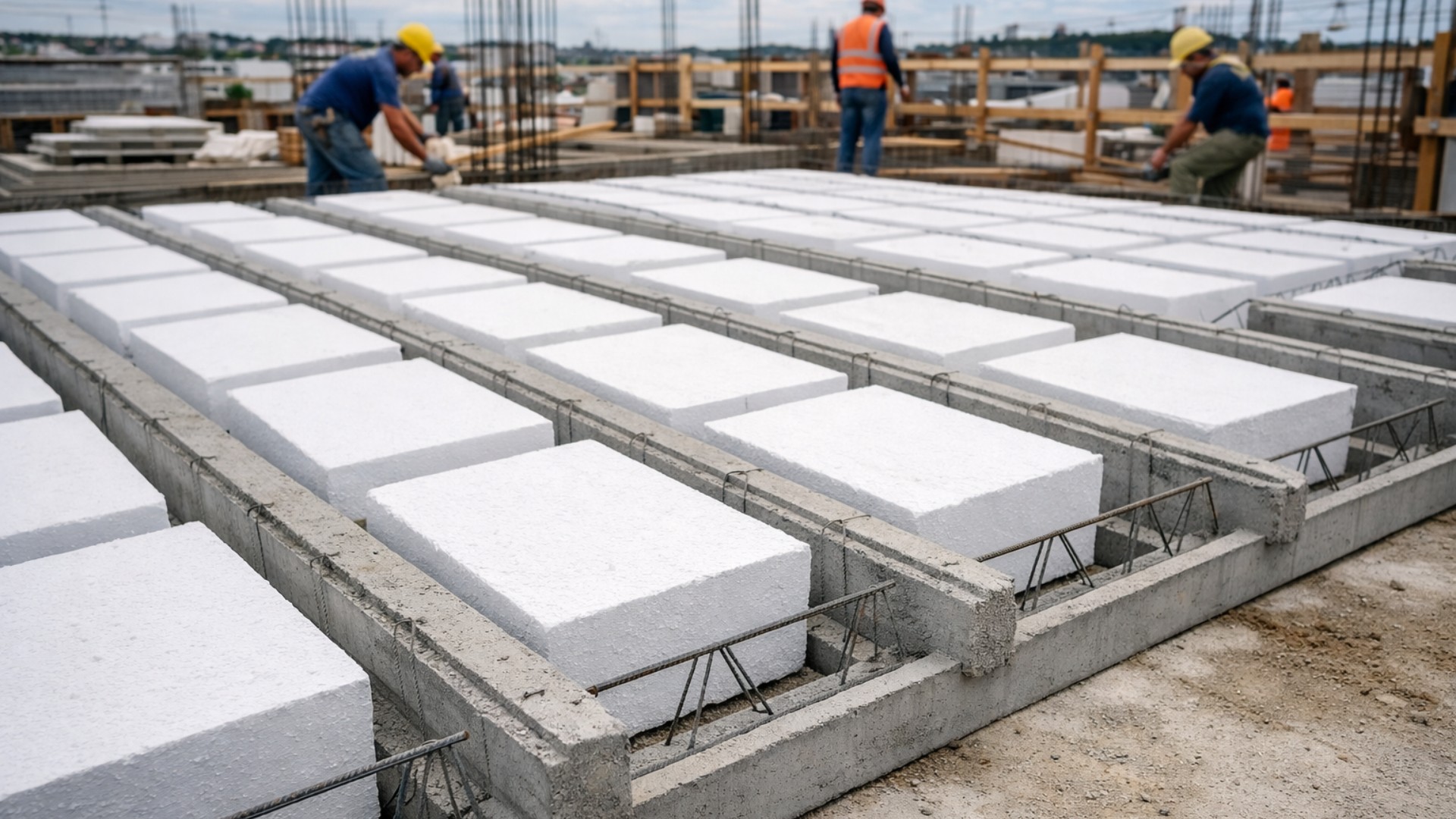
Goodbye, concrete: a new trend in civil construction reduces the weight of the structure by up to 30%, accelerates projects by up to 40%, cuts costs on steel and labor, and improves thermal insulation with EPS.
-
Russian engineers create an innovative propeller blade for aircraft that could completely change the way airplanes and helicopters operate.

-
Couple finishes building PVC chalet on the beach on the last day, with air conditioning and curtains, but discovers the bathroom drain is inverted: water escapes from the drain, risking breaking the floor, and the rush continues before the trip.

This move also responds to a logic of operational maturity. The company already has a presence in Londrina, São Paulo, and Rio de Janeiro and has been expanding its team in Paraná: 2,500 employees in the city, projected to reach 2,900 by May. The new campus, therefore, does not emerge as an isolated bet but as an extension of an ongoing investment, with measurable hiring and infrastructure goals.
9,000 m² Campus: Scale, Productivity, and Delivery Capacity by 2027
The announced project envisions a state-of-the-art complex, with three new facilities and LEED Gold certification, a standard associated with environmental performance and operational efficiency. In high-density IT environments, this type of configuration is likely to impact long-term costs, thermal comfort, operational reliability, and quality of the work routine, which are key elements for talent retention and the performance of technical teams.
There is also an important aspect of capacity. If the local operation reaches 2,900 professionals and includes the 1,600 direct positions anticipated, the total workforce will reach 4,500, near the limit of up to 5,000 employees announced for the new structure. This difference suggests room for additional growth, accommodating new functions and evolving projects as regional demand progresses to and beyond 2027.
Another key point is the temporal horizon. An investment with a defined construction and delivery timeline tends to reduce ambiguity about intent and transform expectation into concrete planning for the job market, suppliers, educational institutions, and the local technology ecosystem.
Why Londrina Becomes a Strategic Piece for Artificial Intelligence
The choice of Londrina is not limited to space availability. The campus is focused explicitly on artificial intelligence, cybersecurity, and ERP, three areas that today concentrate a significant part of digital transformation in medium and large companies. Together, they combine automation, data protection, and business process integration, forming a high-value nucleus for regional and multinational operations.
This design aligns with a broader strategy of TCS in the country. In September 2025, the company opened TCS Pace Port in São Paulo, a research and innovation center in artificial intelligence. With this base already active and the new investment in Paraná, a complementary architecture is created: one front oriented towards innovation and applied research, the other with substantial operational capacity for large-scale execution.
Practically, this can accelerate projects in sectors that already comprise the company’s portfolio in Brazil. Banking, industry, healthcare, and telecom, for instance, require increasingly shorter technology implementation cycles, enhanced security, and interoperability between systems. Concentrating these competencies in a dedicated hub increases delivery predictability and technical depth.
Economic and Technological Effects for Paraná and Brazil
On the economic front, the 1,600 direct jobs by 2027 are the most visible indicator, but not the only one. An investment of this magnitude typically radiates demand for support services, specialized supplier chains, professional training, and public management capacity to accompany the expansion. This does not imply automatic effects: the outcome depends on coordination between the company, public authorities, and educational institutions.
On the technological front, the potential gain lies in the ecosystem’s density. As an operation expands to thousands of professionals, the likelihood of new specialization paths, more complex projects, and knowledge circulation among teams and markets increases. The challenge is to transform volume into sustained quality, with the evolution of competencies and real connection with regional productive needs.
There is also a national competitive dimension. The consolidation of Londrina as a strategic AI hub reinforces the idea that technological growth in Brazil does not need to be restricted to a few traditional centers. If the timeline is met and the occupation of the campus progresses as planned, Paraná can enhance its prominence in high-value-added digital services.
What to Follow from Here on the Progress of This Investment
The upcoming milestones are clear: construction progress, hiring pace, distribution of new functions, and integration between the fronts of AI, cybersecurity, and ERP. As the announcement has already defined the deadline, square footage, capacity, and number of direct positions, it will be possible to measure the degree of plan execution relatively clearly until 2027.
For local professionals and companies, the most relevant signal is the combination of permanence and growth. It is not just about inaugurating a building: it’s about consolidating a base that can sustain ongoing projects, with scale and specialization. In other words, the investment becomes more than just an announcement and turns into a real delivery test for the entire ecosystem.
The TCS announcement brings together concrete elements of transformation: substantial investment, physical expansion, and hiring goals with a focus on critical areas of the digital economy. At the same time, the final impact will depend on consistent execution and the ability to train talent at the speed required by the operation.
In your assessment, what weighs most for this movement to generate lasting results in Londrina: training local professionals, integration with universities, urban infrastructure, or the ability to attract new AI projects? If you work in technology, which job profile is likely to grow first in this scenario?






Seja o primeiro a reagir!