





 Portuguese
  English
  Spanish
  3 min of reading


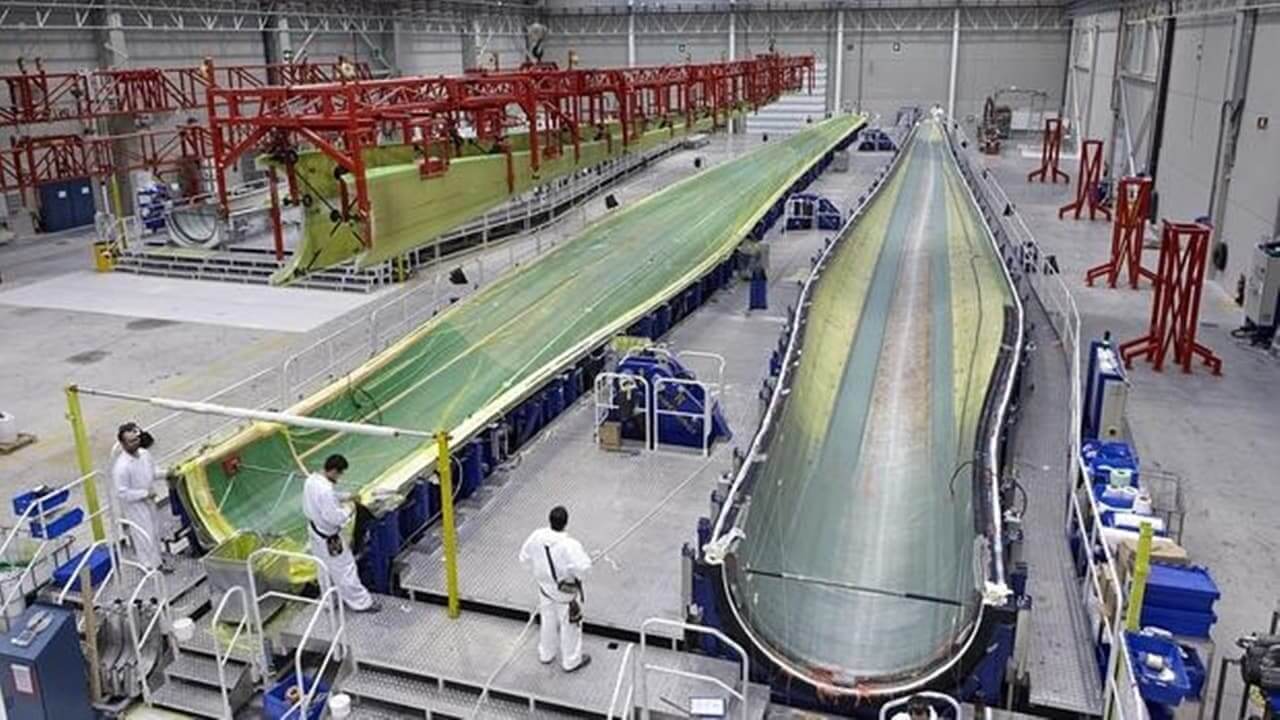
Siemens Energy Reported Losses of More Than €600 Million, While Vestas Reports Operating Loss of €894 Million.
K2 Management believes that unless the relentless drive to reduce the cost of renewable energy is refined, the ambitious targets for wind energy set by European governments will not be met. By consolidating product portfolios and focusing research and development away from simply increasing GT capacity, the turbine manufacturers can begin to mitigate the large losses experienced by companies as they bear the impact of significant inflation in commodity and raw material prices, and the hurdles in development timelines that hinder smooth and consistent order pipelines.
Wind Turbine Manufacturers Siemens and Vestas Report Million-Dollar Losses
Such losses were clearly demonstrated, both by Siemens Gamesa Renewable Energy, which reported losses of more than €600 million in the first half of its fiscal year, and by Vestas, which recorded an operating loss of €894 million in the first quarter of 2022.
“It is clear that there is a fundamental economic imbalance when – in one of the fastest-growing industries in the world, which has enormous growth targets in this decade – its key manufacturer stakeholders are causing such large losses,” said Will Sheard, Director of Analysis and Due Diligence at K2 Management. “This is undoubtedly a multifaceted challenge, exacerbated by the current macroeconomic situation. But the wind industry – and the energy transition in general – can be better served by turbine manufacturers taking their foot off the accelerator when it comes to driving innovation and simply working to provide a small portfolio of core products, in large numbers, to help developers achieve these high-capacity goals. Turbine OEMs have said that an unrelenting decade-long journey to reduce the LCOE of wind is becoming unsustainable. With the LCOE for wind now at a highly competitive point, there is an opportunity for turbine OEMs to scale back their ambitions for newer, increasingly efficient equipment and standardize offshore on machines in the range of 15-16 MW.”
-
New mapping reveals the Brazilian states with the greatest potential for the production and use of green hydrogen in Brazil to lead the global market.

-
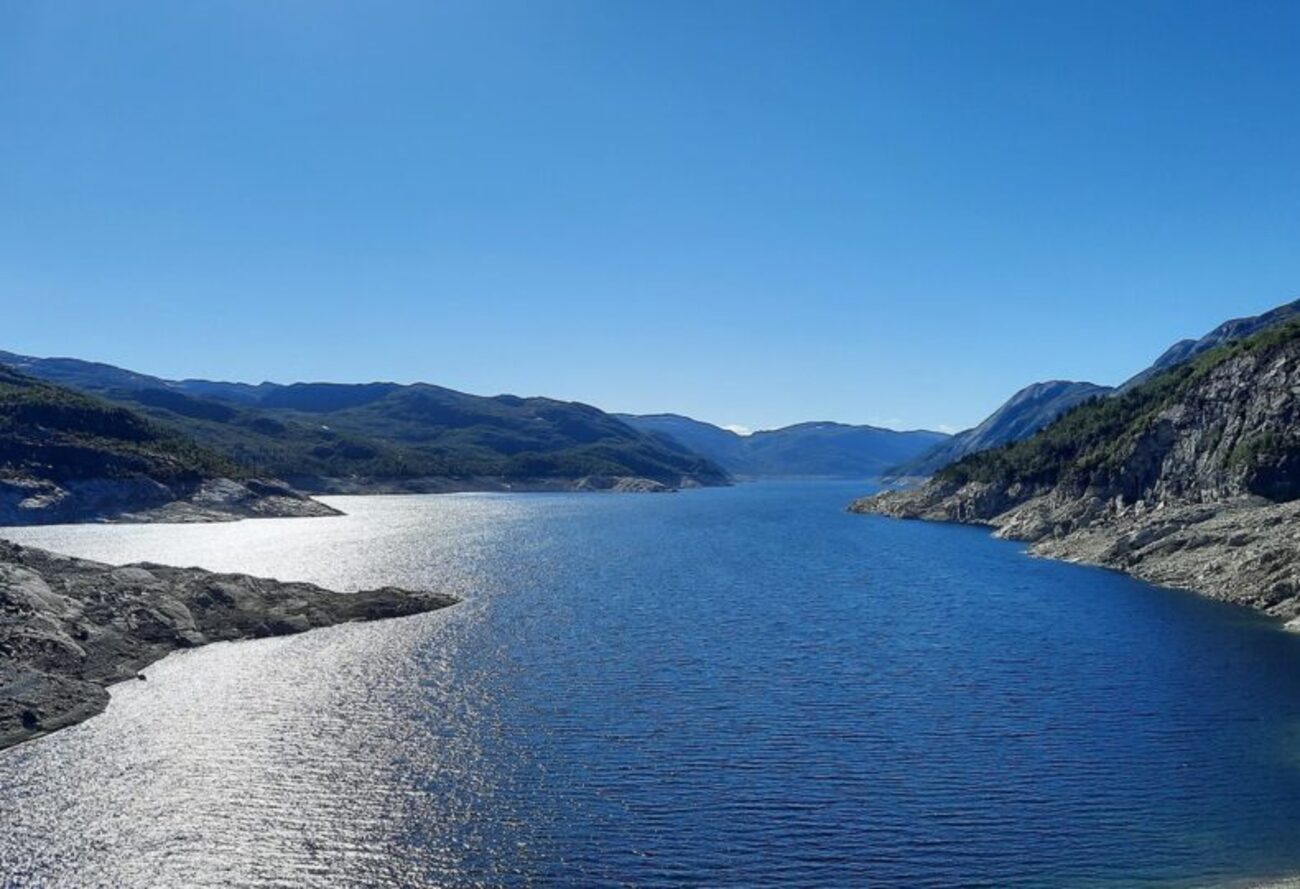
Historical drought and lack of snow in the Norwegian Alps threaten the largest clean energy reserve in Europe and could drive up electricity prices.
-
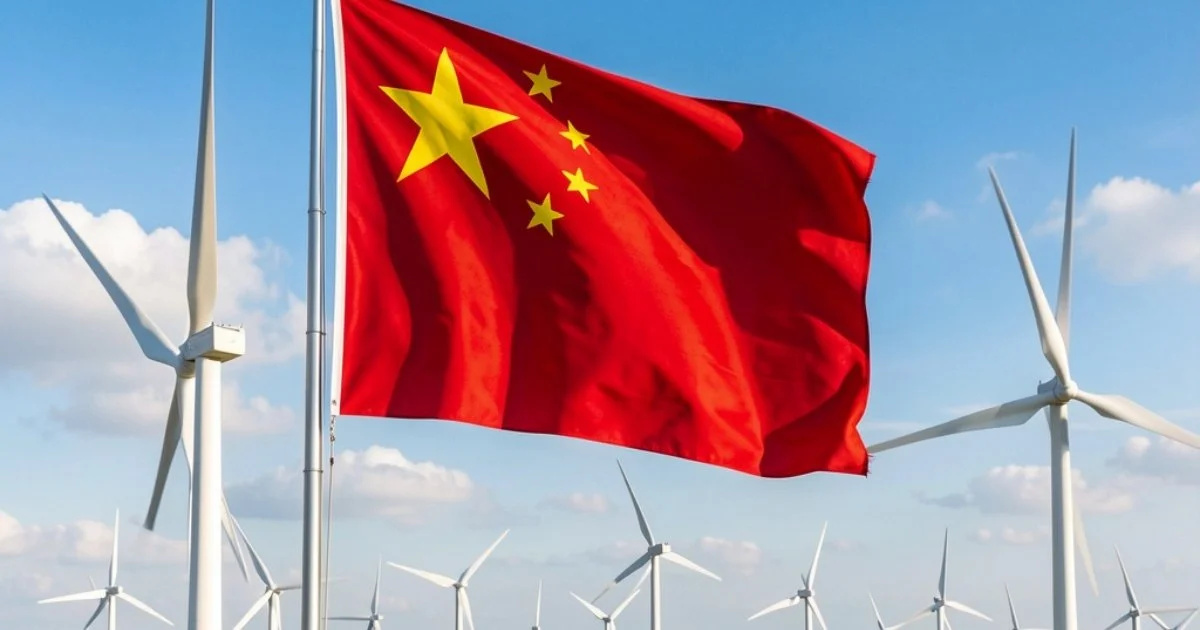
China accelerates offshore wind energy and sets new installed capacity records to lead global decarbonization.
-
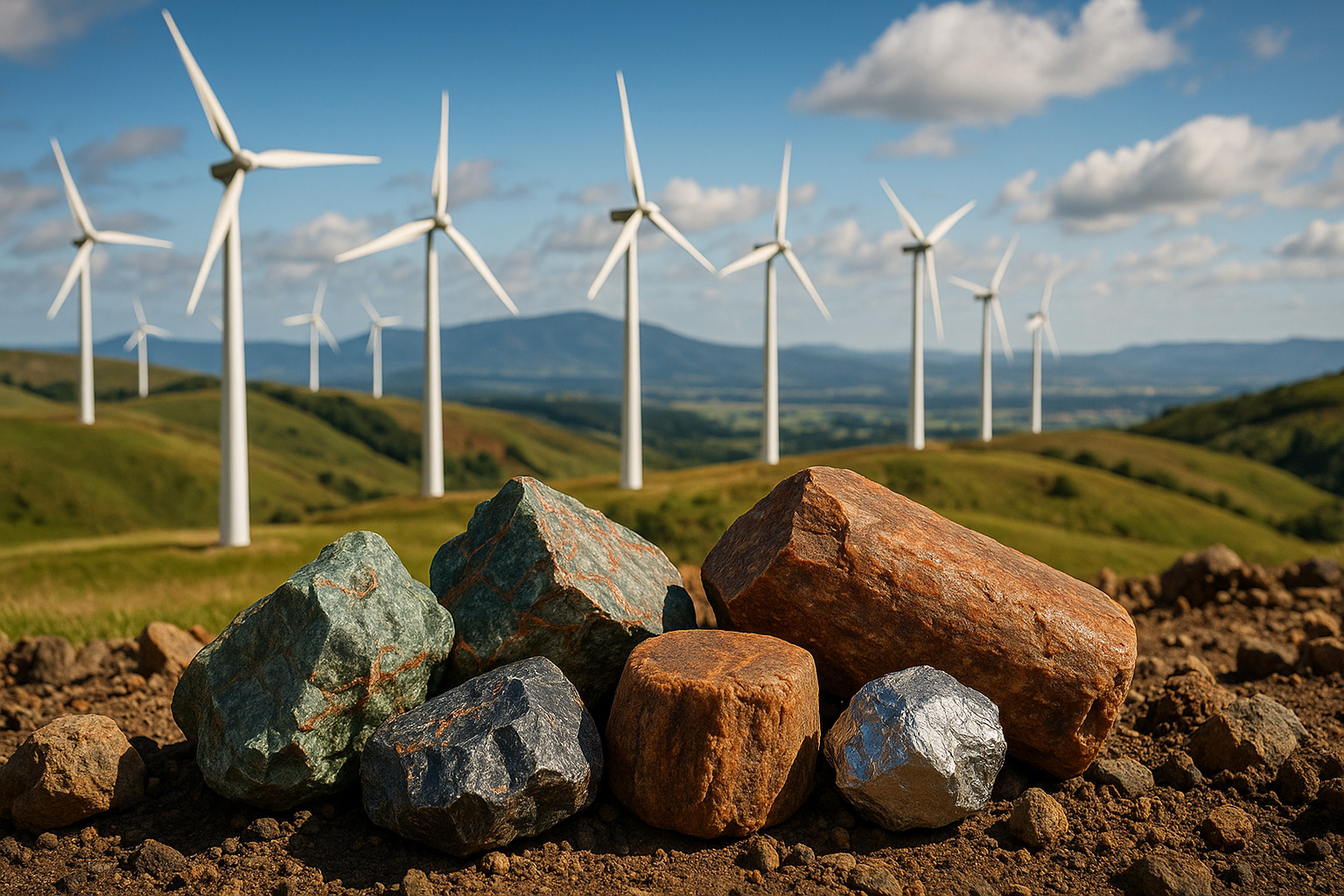
The Brazilian state accelerates industrial competitiveness with a focus on the extraction of strategic minerals to boost the energy transition in Goiás.
Governments Cannot Legislate to Force Our Industry to Focus on Project Delivery
More broadly, the ongoing push for larger turbines may also be contributing to the disruption of more sought-after methods of turbine procurement by developers, as many grapple with the possibility of “playing it safe” and building projects with currently available turbines, or waiting to see if the turbine OEMs launch larger and more efficient machines in the future.
“Governments cannot legislate to force our industry to focus on project delivery – and, in fact, many of their policies are leading us down this current path – so it is up to us, as an industry, to collectively agree on the type of machines that will be available for the development window through 2030,″ Sheard added. “It sounds drastic, but the longevity of our key manufacturing partners may depend on such measures.”






Seja o primeiro a reagir!