





 Portuguese
  English
  Spanish
  5 min of reading
  1 comment


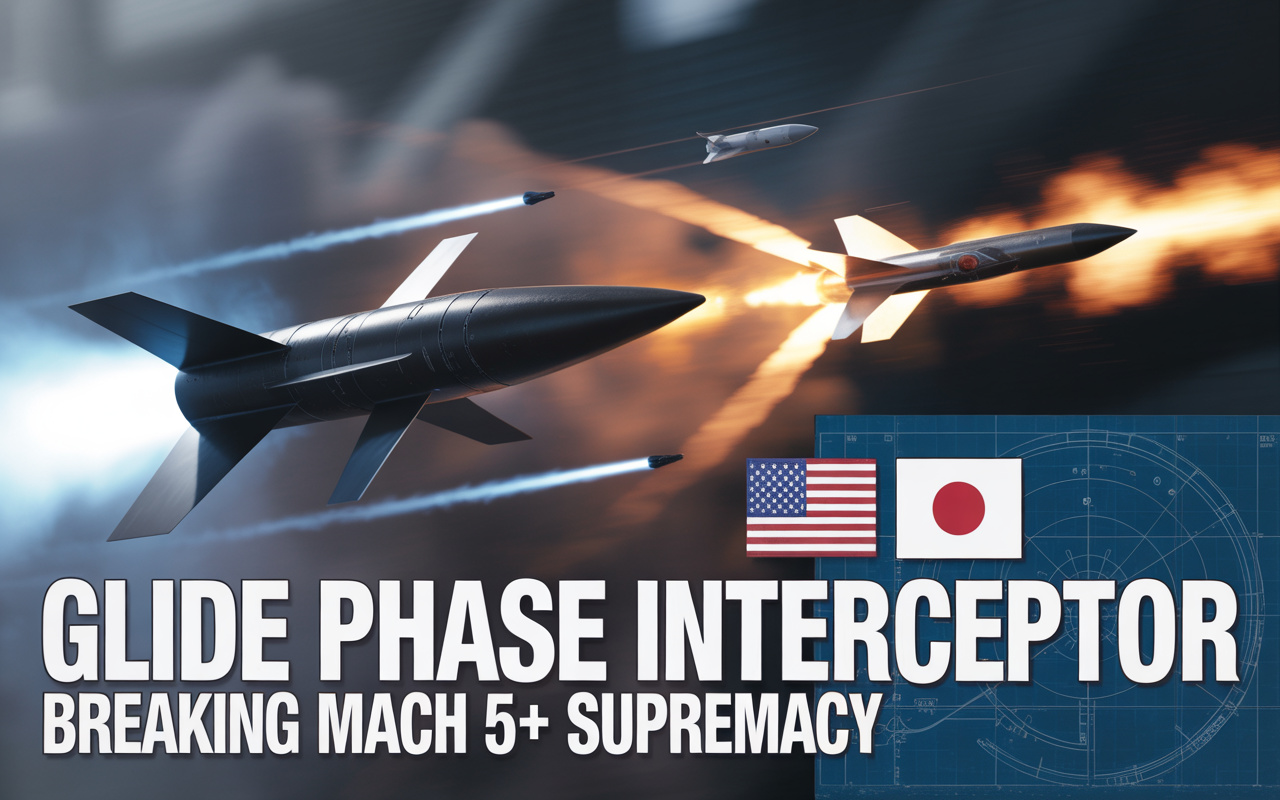


Glide Phase Interceptor Is The First Missile Designed To Intercept Hypersonic Weapons Still In Glide Flight, Attempting To Close The Greatest Gap In Modern Missile Defense.
For decades, missile defense systems have been designed to deal with two main threats: ballistic missiles, which follow predictable trajectories outside the atmosphere, and cruise missiles, which fly low and relatively slowly. The arrival of hypersonic weapons has created an operational void between these two realms.
Hypersonic glide vehicles, such as those developed by major powers, do not follow classic ballistic trajectories and do not behave like cruise missiles either. They separate from the booster rocket at high altitudes and glide within the atmosphere at speeds above Mach 5, performing lateral maneuvers and altitude variations throughout the course. This makes them practically invisible to the mathematical models that support current defenses.
It is precisely at this point that the Glide Phase Interceptor emerges, a project designed to tackle the problem where it is most critical: during the hypersonic glide phase, considered today the most difficult to intercept in the entire missile defense architecture.
-
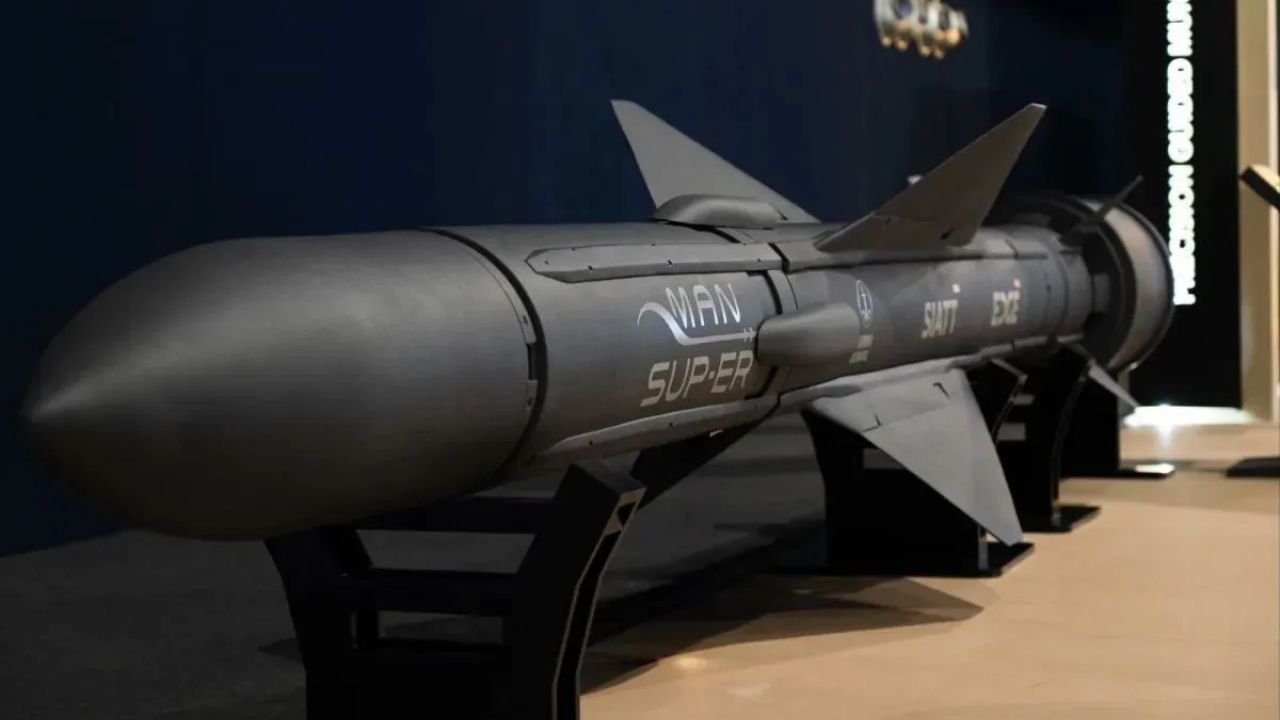
Brazil accelerates the evolution of the MANSUP missile, designing an air-surface version with a range exceeding 200 km, advanced guidance, and precision strike capability against land and naval targets, paving the way for a new generation of national armaments with global potential.
-
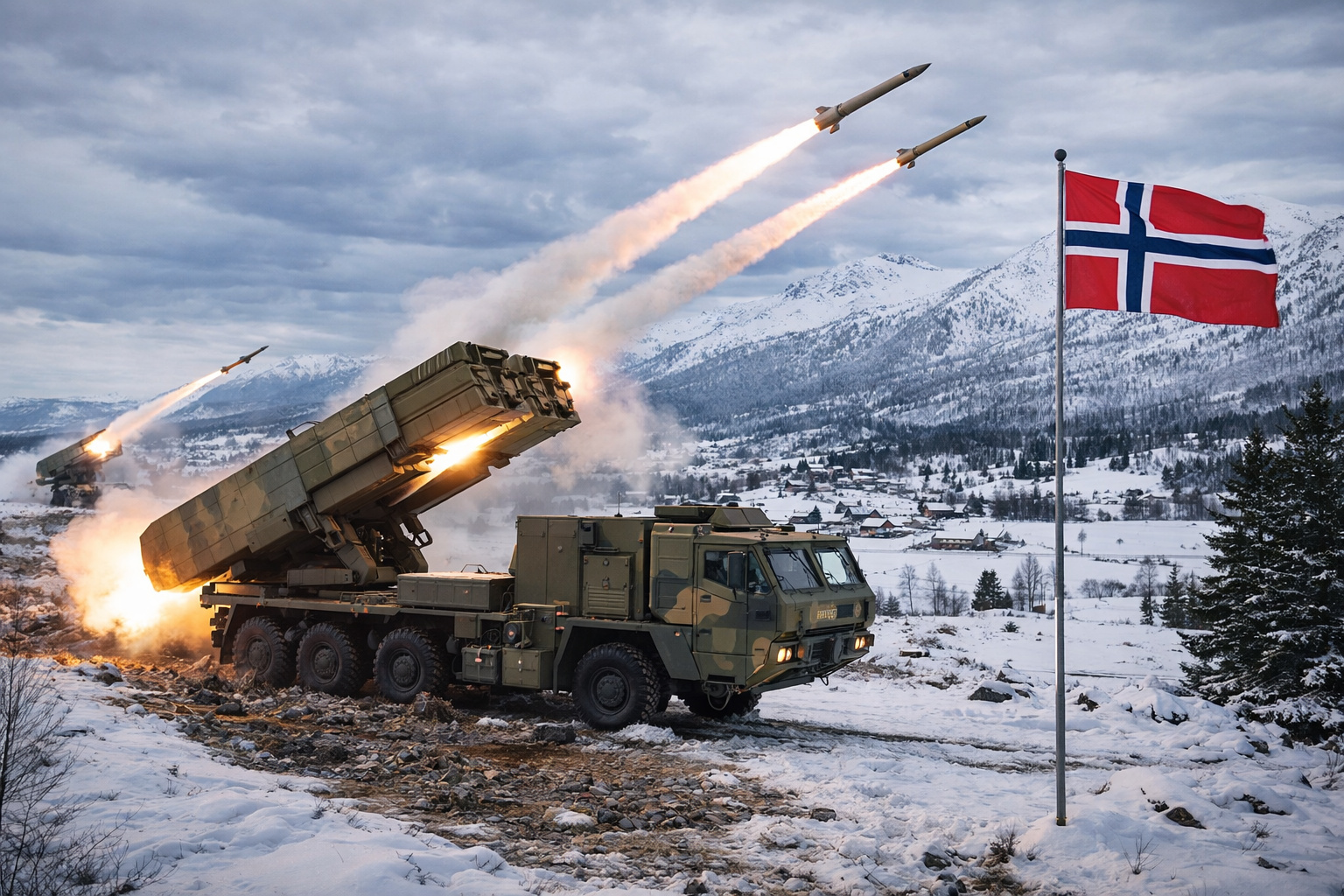
South Korea signs a $922 million deal with Norway, bringing Chunmoo launchers capable of firing guided missiles up to 290 km with an accuracy of 15 meters to Europe and turning the system into a key component of the new global race for precision artillery.
-
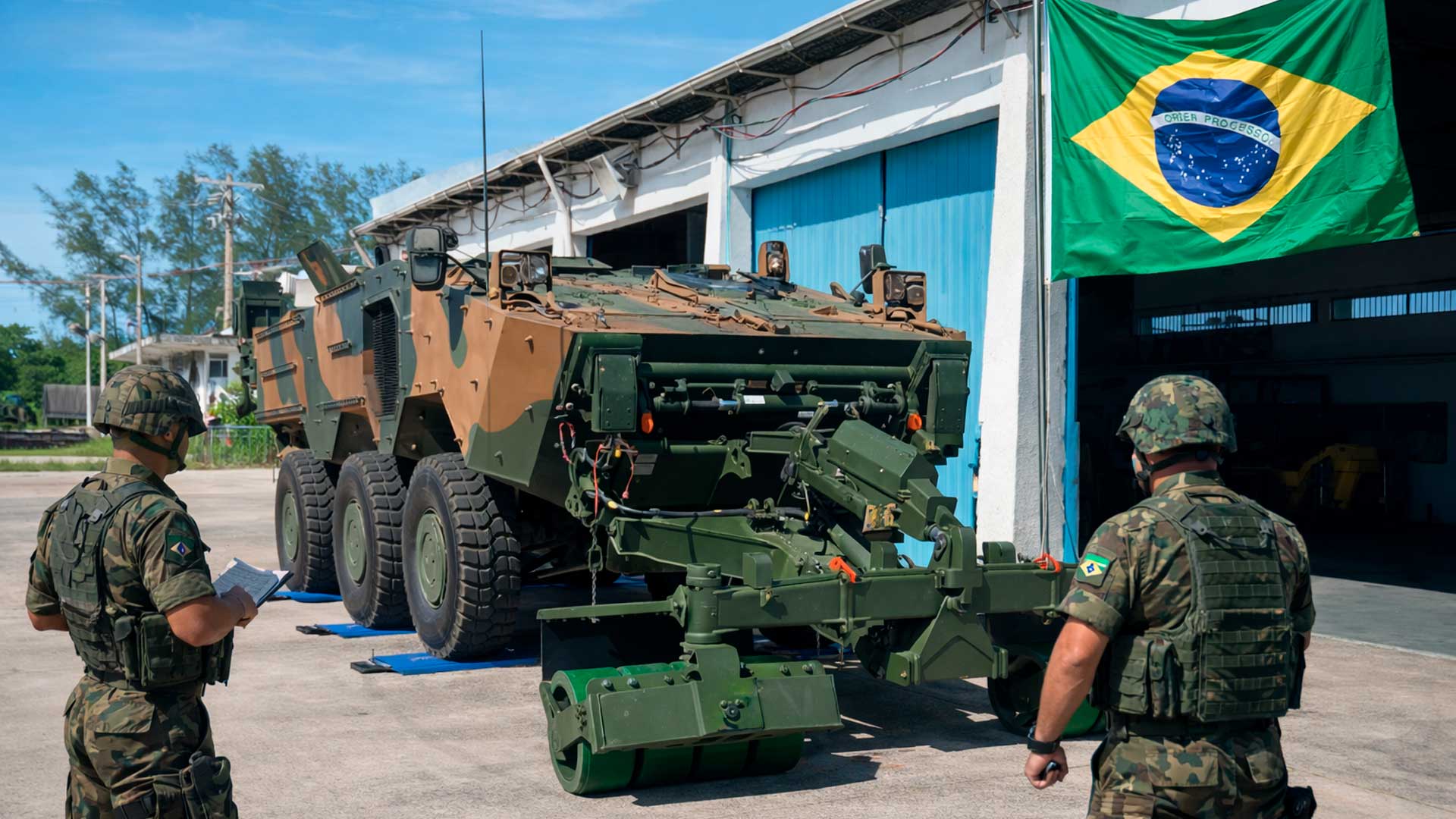
Brazil advances with decisive tests until June, the 6×6 Guarani armored vehicle with engineering equipment enters the most important phase and can enhance the operational capability of the Army.
-
Furnas Airport is handed over to the Navy and becomes a strategic base with complete military operations, attack drones, and international mobilization at Furnas Lake.

What Is The Glide Phase Interceptor And Why Is It Different From Everything That Exists
The Glide Phase Interceptor, known by the acronym GPI, is an interceptor missile specifically designed to target hypersonic vehicles while they are still gliding within the atmosphere, before the terminal attack phase. This approach breaks with the traditional logic of interception, which tries to hit the target during the ballistic ascent or in the final seconds of reentry.
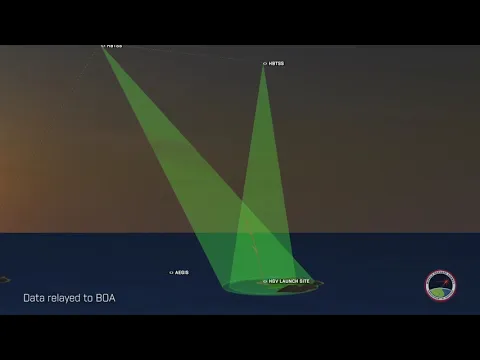

By focusing on the intermediate hypersonic flight phase, the GPI seeks to neutralize the threat when it is still far from the final target, but already out of the effective range of conventional exoatmospheric interceptors. This requires more precise sensors, real-time communication, and an interceptor capable of operating in an extremely hostile environment, with high temperatures, extreme speeds, and unpredictable trajectories.
Why Intercepting In The Glide Phase Is So Difficult
Intercepting a hypersonic vehicle in glide means dealing with a target that moves at more than five times the speed of sound, changes direction during flight, and operates in an altitude range that is not fully covered by any traditional defensive system.
Systems designed for space have difficulty engaging maneuverable atmospheric targets, while conventional air defenses cannot keep up with such high speeds. Additionally, aerodynamic heating creates a plasma layer around the hypersonic vehicle, which can degrade sensors and hinder precise detection.
The GPI was designed to tackle exactly this set of challenges, combining new guidance concepts, propulsion, and integration with distributed sensor networks.
The Technical Architecture Behind The Glide Phase Interceptor
While many details remain classified, public documents and expert analyses indicate that the GPI is expected to employ a high-speed interceptor, possibly with advanced propulsion and guidance systems capable of updating its trajectory in near real-time.
The concept does not rely solely on the missile itself. It is part of a larger architecture that includes early warning satellites, persistent infrared sensors, long-range radars, and command and control systems capable of processing large volumes of data in seconds.
Without this integration, interception in the glide phase would be unfeasible. The GPI is not just a weapon, but the visible link in a much broader technological chain.
The Role Of Cooperation Between The United States And Japan
Japan’s participation in the development of the Glide Phase Interceptor is not coincidental. The country is directly exposed to hypersonic threats in the Indo-Pacific region and has a strategic interest in closing this defensive gap as quickly as possible.
The cooperation involves sharing costs, technology, and operational requirements. For the United States, the project strengthens regional alliances and distributes the financial burden of one of the most complex technological challenges today. For Japan, it represents direct access to a defensive capability that would be difficult to develop in isolation.
This partnership also signals that the GPI is not a laboratory experiment, but a system designed for real integration into existing defense architectures.
Deadlines, Goals, And Political Pressure
The Glide Phase Interceptor is under strong political and strategic pressure to move from concept to reality. Defense officials have set aggressive goals for initial operational capability, with timelines pointing to the end of the 2020s and early 2030s.
There are clear demands for measurable results, such as a minimum number of interceptors available, tests in realistic scenarios, and integration with next-generation space sensors. The message is clear: the hypersonic threat already exists, and the response time is limited.
This level of urgency distinguishes the GPI from many experimental projects of the past that never reached the operational phase.
The Impact Of The GPI On Global Strategic Balance
If the Glide Phase Interceptor delivers on its promises, it could profoundly alter the global strategic balance. Hypersonic weapons have gained prominence precisely by exploiting a vulnerability in existing defenses. A system capable of neutralizing them during the glide phase drastically reduces that advantage.
This does not mean the end of the hypersonic race, but it opens a new stage: the race for hypersonic defense. Countries that currently bank on the invulnerability of these vectors will have to reconsider their strategies, invest in countermeasures, or accelerate technological development even further.
Limits, Risks, And Uncertainties Of The Project
Despite its revolutionary potential, the GPI faces enormous challenges. Interception at hypersonic speeds requires extreme precision, perfect coordination between sensors and interceptors, and reliability in environments that approach known physical limits.
Communication failures, delays of milliseconds, or minimal calculation errors can make interception impossible. Additionally, there are concerns about costs, scalability, and the ability to handle saturated attacks involving multiple hypersonic vehicles simultaneously.
These uncertainties explain why no country has yet been able to operate a fully functional system of this kind.
Why The Glide Phase Interceptor Could Redefine Missile Defense
The Glide Phase Interceptor represents a direct attempt to close the largest gap in modern missile defense. By aiming at the hypersonic glide phase, it attacks the point where the most advanced weapons in the world believe they are secure.
If successful, the GPI not only neutralizes a specific threat but redefines the very concept of strategic defense in a world dominated by extreme speed, continuous maneuvering, and unpredictability. This is why the project is closely monitored by military analysts around the globe and seen as one of the most ambitious bets in defense for the current century.










Es una conjugación exclusiva que tienen muy pocas países dado la complejas y selectivas tecnologías que concurren para el desarrollo de estos sistemas de defensa