





 Portuguese
  English
  Spanish
  3 min of reading
  0 comments


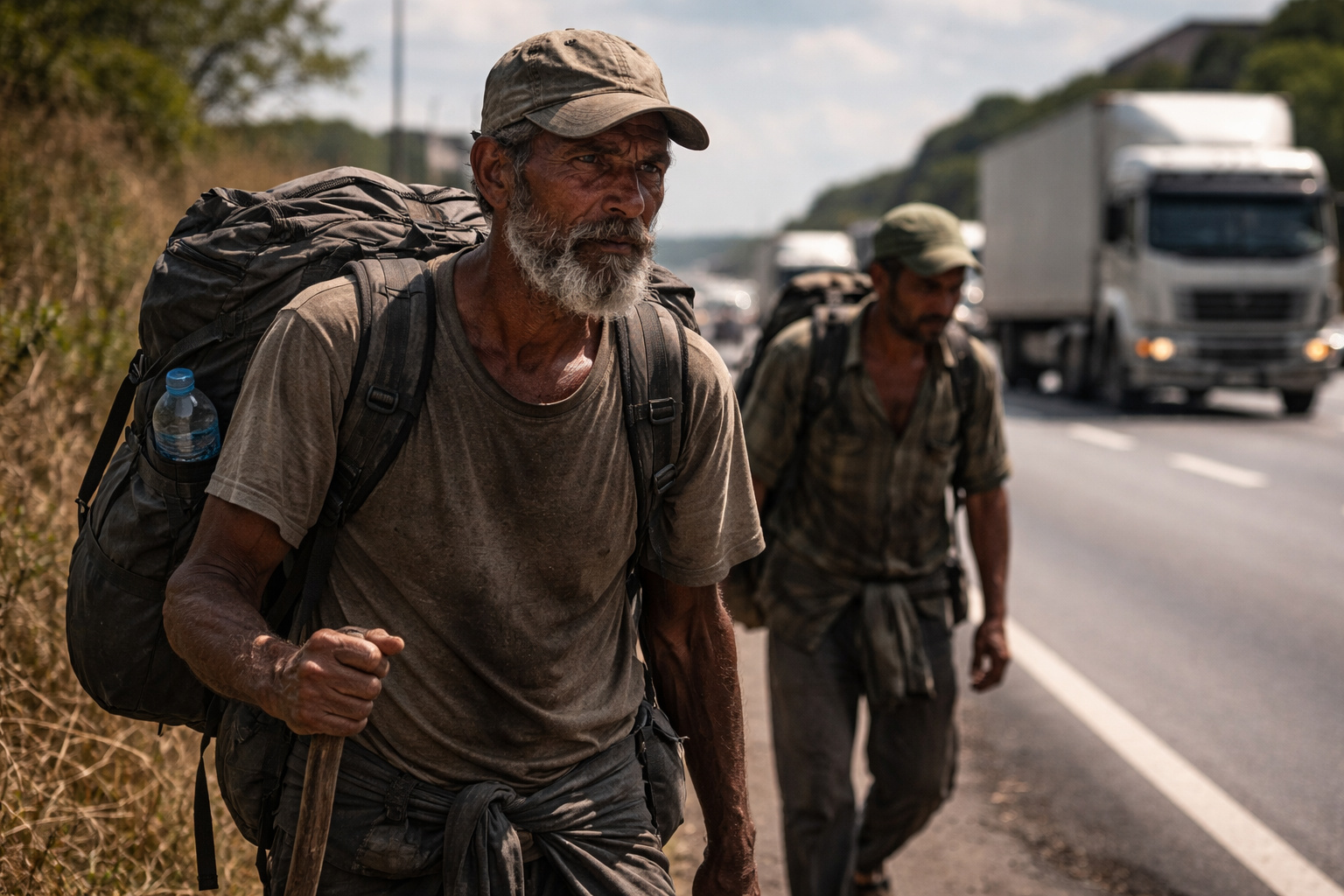
From The Most Remote Places On Earth To The Most Dense Urban Areas In The World, Data Shows How Human Occupation Shapes Infrastructure, Economy And Quality Of Life
The global population has never been distributed evenly. While some regions record less than 1 inhabitant per square kilometer, others exceed 100,000 people in the same area. According to demographic records consolidated over recent decades by national statistical agencies and international surveys, these contrasts define how cities grow, how governments plan infrastructure, and how millions live daily.
First of all, there are territories where silence reigns. At the same time, there are urban centers where every square meter is contested. Between these two extremes, different levels of urbanization reveal specific challenges.
Nearly Empty Territories And Extreme Isolation
First and foremost, Tristan da Cunha stands out, a British territory in the Atlantic. With less than 250 residents and a density of 0.16 inhabitants per km², access is only by ship, on journeys that can take over a week.
-
USA and China compete for Brazil over resources that could be worth trillions — rare earths put the country at the center of a global dispute

-
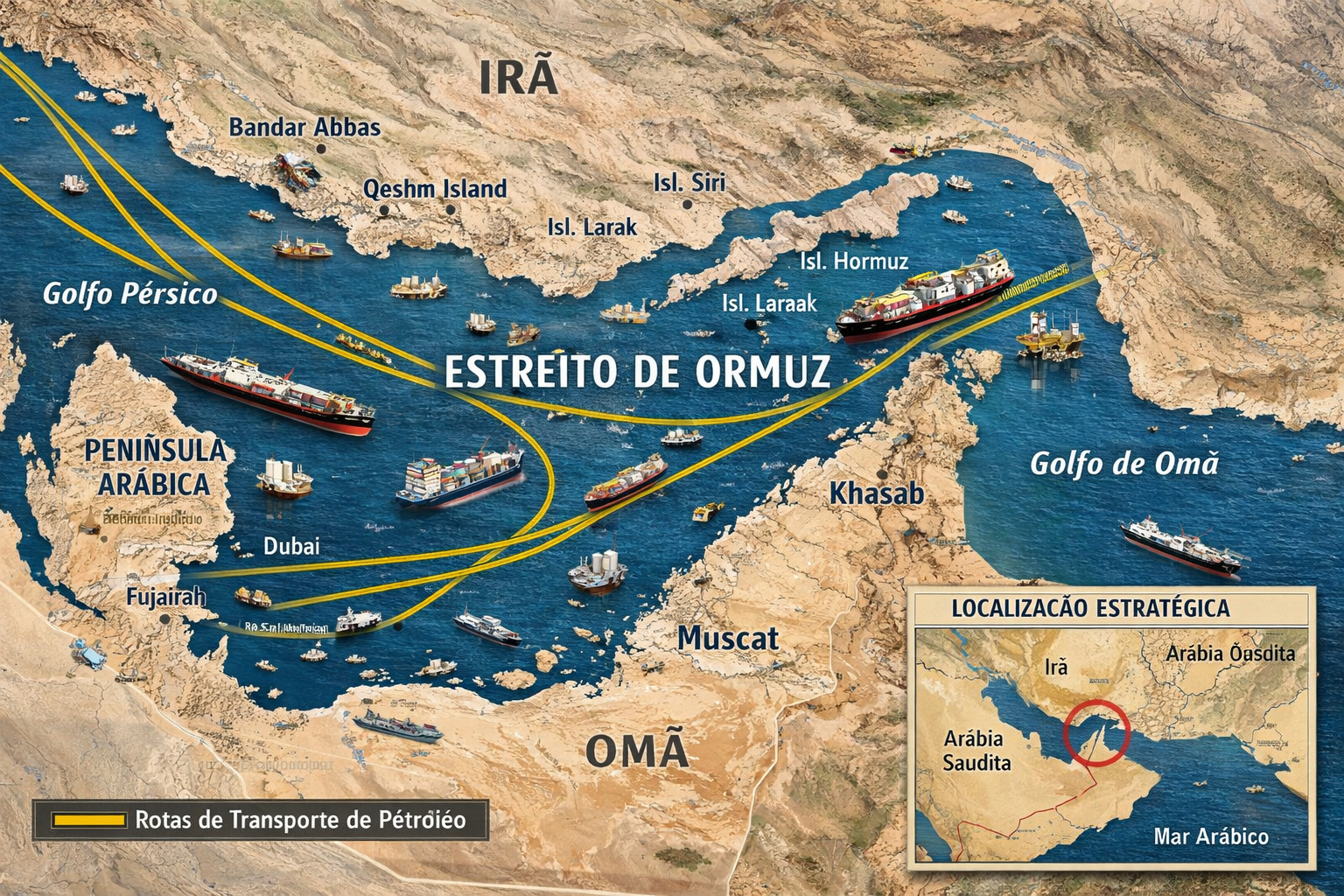
Global summit with over 40 countries pressures Iran for a blockade in the Strait of Hormuz and warns of direct impact on oil, food, and the global economy.
-
Russia has broken the U.S. maritime blockade to send oil to Cuba and is now loading a second ship while Trump says that “Cuba is next” in a possible military action against the island.

-
Spain challenges the USA and closes its airspace for operations against Iran, raising global tension and provoking the threat of a trade rupture.


Next is Mongolia, with about 2 inhabitants per km². While the capital concentrates most of the population, vast steppes and the Gobi Desert remain virtually uninhabited.
Similarly, Greenland has around 0.026 inhabitants per km². Most people live on the coast, while the frozen interior has very little infrastructure.
Low Density With Limited Urbanization
Subsequently, there are sparsely populated yet structured countries. Iceland, with approximately 3.4 inhabitants per km², concentrates residents in Reykjavik, while the rest of the island remains largely uninhabited.
Shortly after, Canada registers about 4 inhabitants per km². A large part of the population lives near the border with the United States, while the frozen north remains nearly empty.
In addition, Australia, with about 3 inhabitants per km², concentrates people on the coast. The interior, known as the Outback, remains virtually untouched.
Balance Between City And Country
Next, some countries have intermediate density. Uruguay, with about 19 inhabitants per km², combines an active capital with a tranquil interior.
Meanwhile, Japan, with an average of 34 inhabitants per km², contrasts dense metropolises with vast rural areas.
Furthermore, France, with around 65 inhabitants per km², balances a busy Paris with traditional agricultural areas.
High National Density And Urban Pressure
Subsequently, populous countries emerge. China, with approximately 153 inhabitants per km², concentrates crowds in large cities, while interior regions are sparsely populated.
Similarly, Germany, with about 233 inhabitants per km², maintains extensive green areas.
The United Kingdom, with around 277 inhabitants per km², balances dense London with preserved countryside.
Finally, India, with about 420 inhabitants per km², shows intense occupation in cities and rural areas.
Urban Overcrowding And Extreme Densities
However, some places reach extreme levels of occupancy. Bangladesh, with about 1,100 inhabitants per km², faces constant urbanization challenges.
In addition, South Korea, with approximately 1,300 inhabitants per km², invests in infrastructure to accommodate its population.
Above all, Singapore, with more than 7,000 inhabitants per km², has become a benchmark for efficient urban planning.
The Historical Limit Of Human Occupation
Finally, the former Kowloon Walled City, demolished in 1993, recorded around 1,200,000 inhabitants per km².
Currently, neighborhoods like Dharavi in Mumbai exceed 350,000 inhabitants per km² in some areas.
Additionally, districts like Tondo in Manila surpass 100,000 inhabitants per km².
In light of this scenario, a central question remains: to what extent can population density grow without compromising quality of life and urban balance?








Seja o primeiro a reagir!