





 Portuguese
  English
  Spanish
  3 min of reading


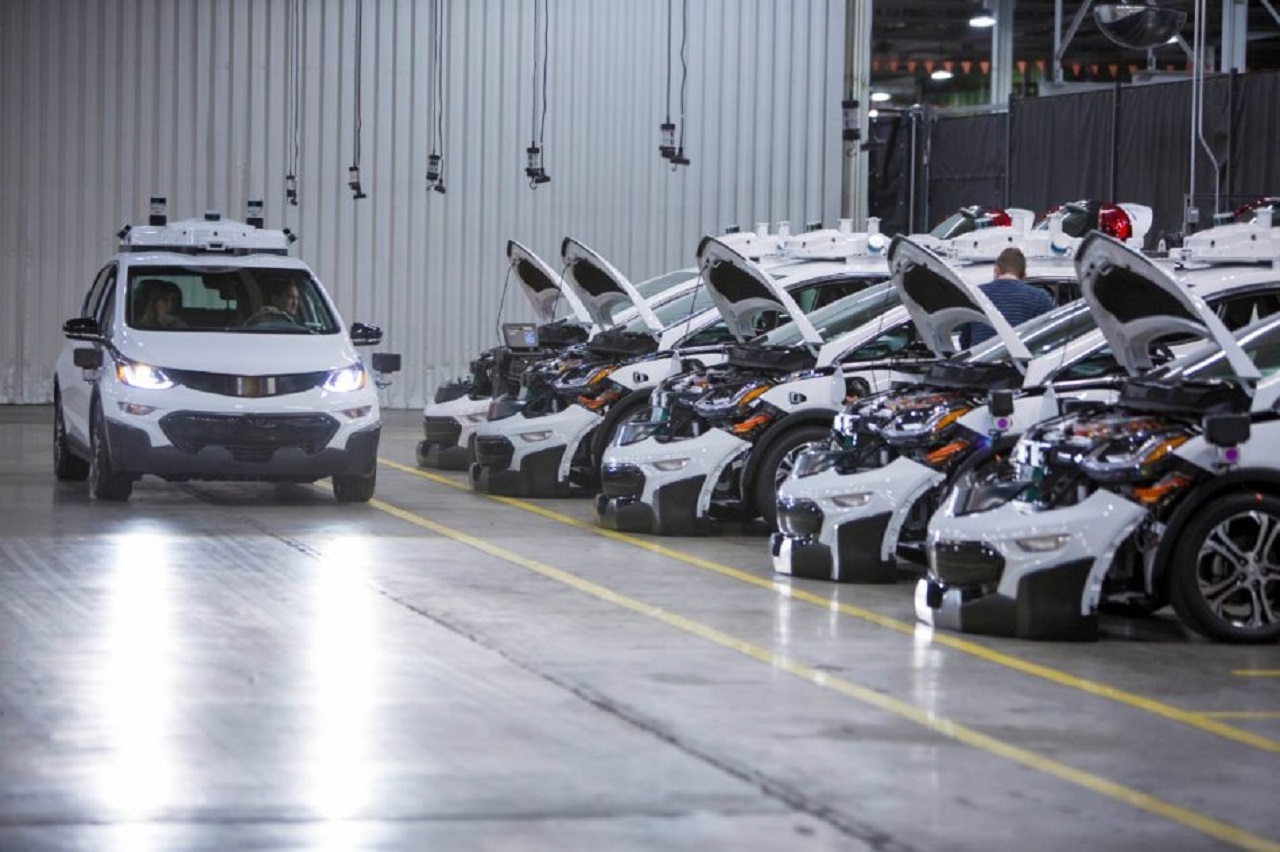
The Brazilian Automotive Market Seems to Be on the Radar of Major Automakers, and the Vice-President of GM Sees the Country’s Potential—Understand in Detail Below.
During a conference of the National Confederation of Industry, the Vice-President of Communication at General Motors (GM) in South America, Marina Willisch, stated that Brazil has the potential to become a hub for electric vehicles. The leader justifies this by asserting that Brazil and its neighboring countries possess one of the largest reserves of lithium, the raw material for electric car batteries.
Related Articles
- General Motors Begins Selling Wuling Nano EV, the Premium Brother of the Cheapest Electric Car in the World, Which Has Managed to Move the Tesla Model 3 from the Top Spot in Sales Rankings and Make the American Automaker Tesla Tremble
- Electric Cars to Power Homes; This Is GM’s Proposal with Its New Bidirectional Charging System
- ‘Electric Cars and Combustion Can Be Bought for the Same Price in the Coming Years,’ Says GM’s Tax Director
- President of General Motors (GM) Declares the End of Tesla’s Golden Age in the Electric Car Market
- To Compete with GM’s Cheapest Electric Car in the World, Chinese Company Launches Dongfeng FengGuang Mini EV Costing Only R$ 26,100
Marina Willisch Highlights the Key Reasons Why Brazil Could Become a Leader in the Electric Car Market
In addition to the nickel factor, as Brazil holds one of the largest reserves of the mineral, the Vice-President of Communication highlights that Brazil also has one of the largest markets in the world for combustion cars.
Despite the recognition from GM’s Vice-President of Communication, Mariana Willisch, Brazil lacks any kind of government incentives regarding electric cars for manufacturers and consumers.
-
Engineers propose a fourth traffic light for intersections – the change promises to affect crossings, queues, and waiting times.

-
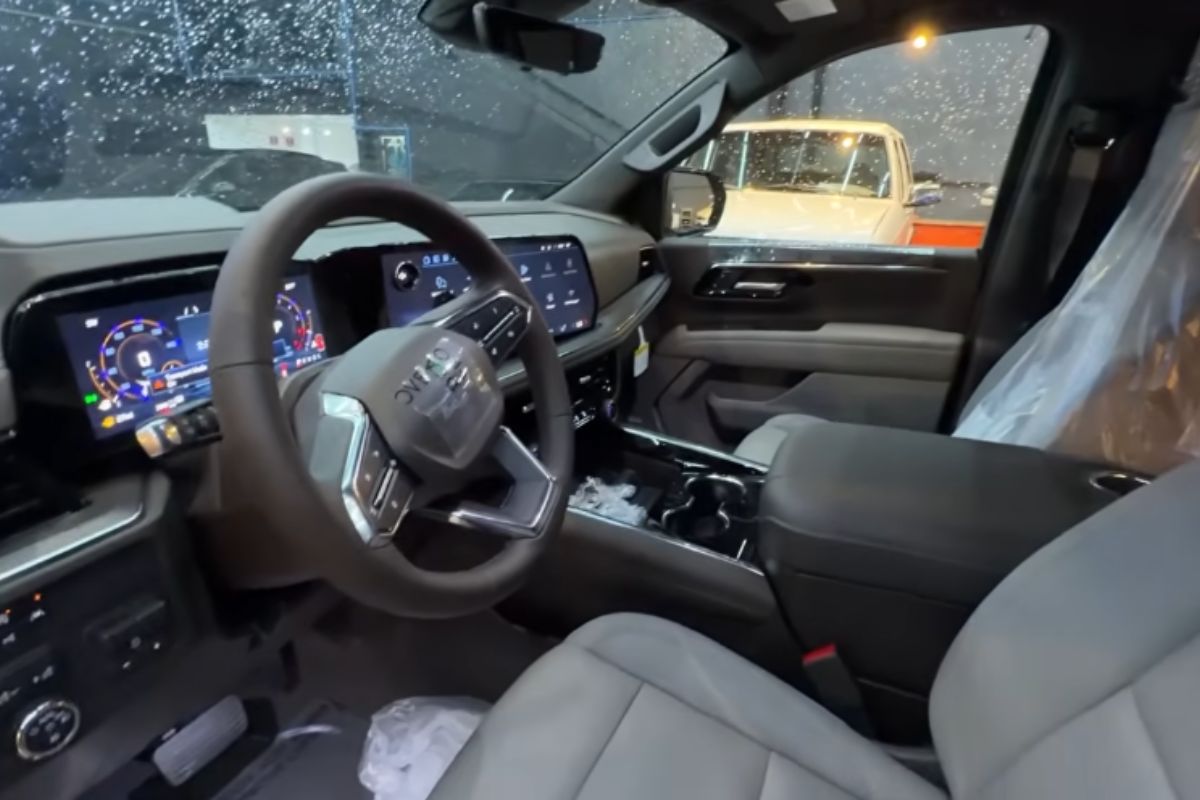
Chevrolet Suburban Z71 lands in Brazil with a V8 engine, off-road design, air suspension, seven seats, and colossal size, a rare version imported for around R$ 1.3 million with luxury and exclusivity.
-
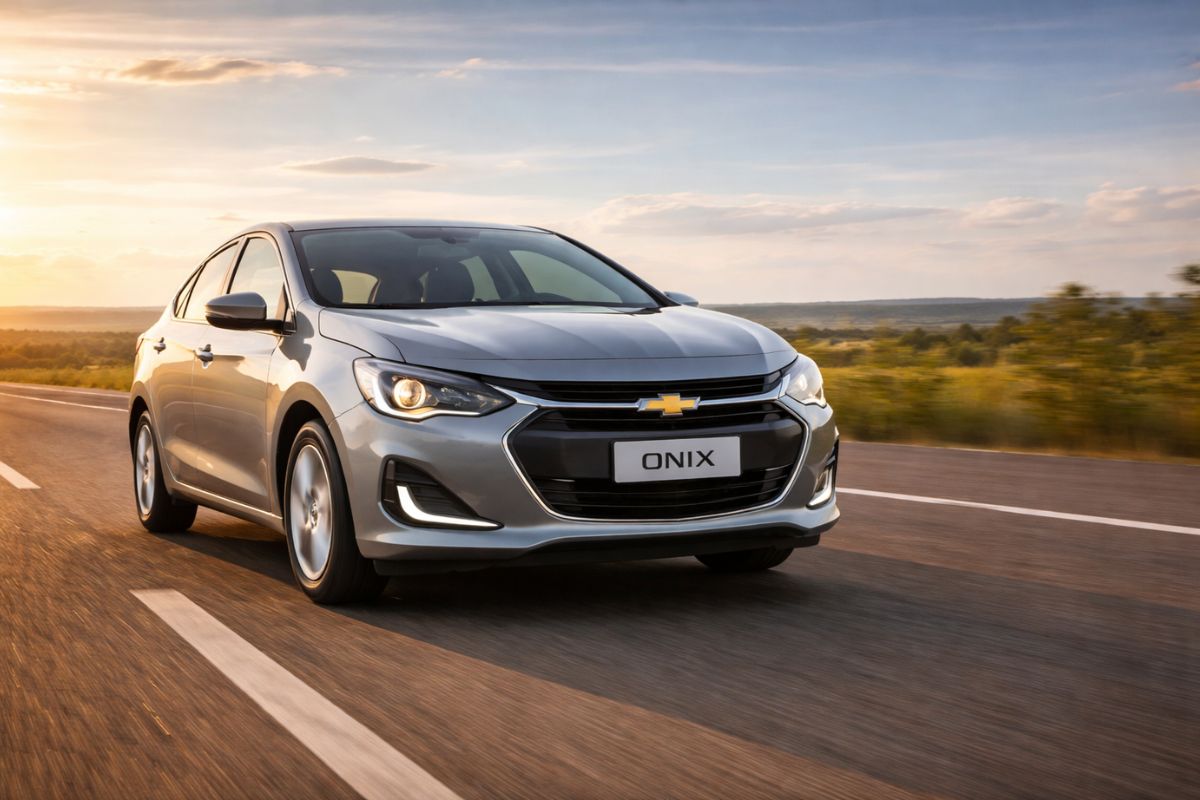
The Chevrolet Onix 1.0 turbo achieves 17.7 km per liter on the highway and ranks among the three most economical cars in Brazil in 2026, alongside two more expensive Toyota hybrids available at dealerships.
-
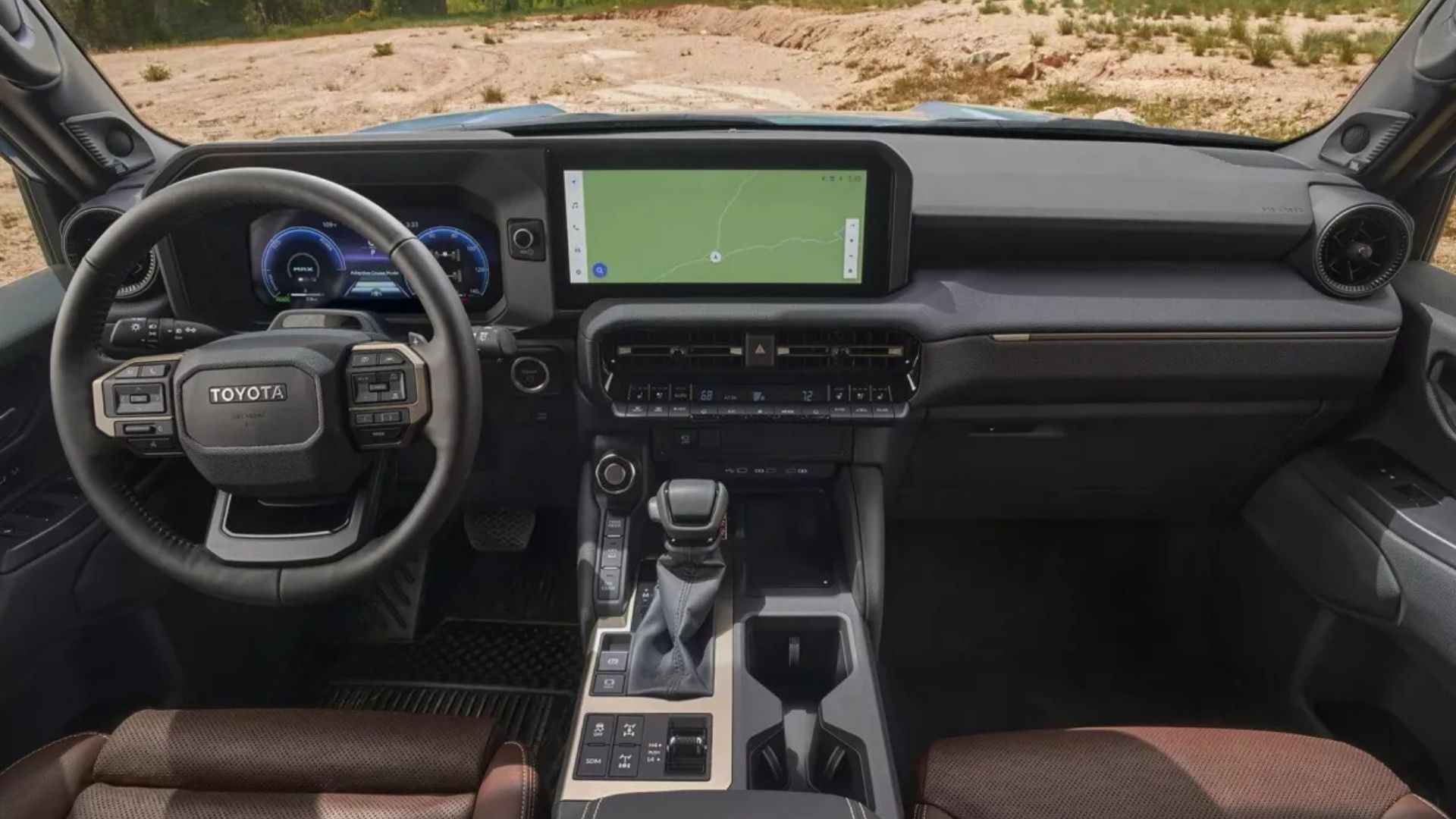
Little sister of the Hilux: Toyota launches Land Cruiser FJ with 4 radical versions, 2.7 engine with 166 hp and 4×4 traction with locking.

Taking small steps, the Brazilian market is expected to be one of the last to achieve total electrification, from the conversion of combustion engines to the offering of more charging stations over long distances so that electric car drivers can undertake longer trips.
GM Resumes Investment Plans in Brazil
Shortly after completing the year 2020, leading the Brazilian market with its Chevrolet brand, General Motors announced that it is resuming its 2020-2024 manufacturing investment plan in Brazil, which had been frozen due to the arrival of the COVID-19 pandemic.
The company confirmed its original investment of 10 billion reais (around US$ 1.87 billion at the current exchange rate) in the state of São Paulo, initially announced in March 2019.
Thus, GM reaffirmed its commitment to manufacturing and business development in Brazil, where it recently revamped a significant portion of its facilities to produce the successful Chevrolet Onix and Tracker, allowing it to strengthen its sales leadership. The investment of R$ 10 billion is dedicated to the development and production of next-generation vehicles at the factories in São Caetano do Sul and São José dos Campos.
GM Leads Sales Ranking in the Brazilian Automotive Industry
GM has positioned itself well in Brazil thanks to the previous investment plan of 13 billion reais, which was used to renew Chevrolet’s most strategic models in the country, including the second generation of Onix and the new Tracker.
Their arrival involved a major renovation of the factories in Gravataí and São Caetano, as well as the inauguration of a new line at the Joinville complex where their engines are manufactured. Therefore, a significant portion of GM’s new investment package in Brazil will be allocated to the São José dos Campos factory, the only vehicle factory of the company that was not modernized in the previous plan.
As GM Authority reported exclusively in February 2019, the factory will receive at least half of the new investment to build the next generation of the Chevrolet S10 and its SUV derivative, scheduled for the 2023 model year.









Seja o primeiro a reagir!