Portuguese
  Spanish


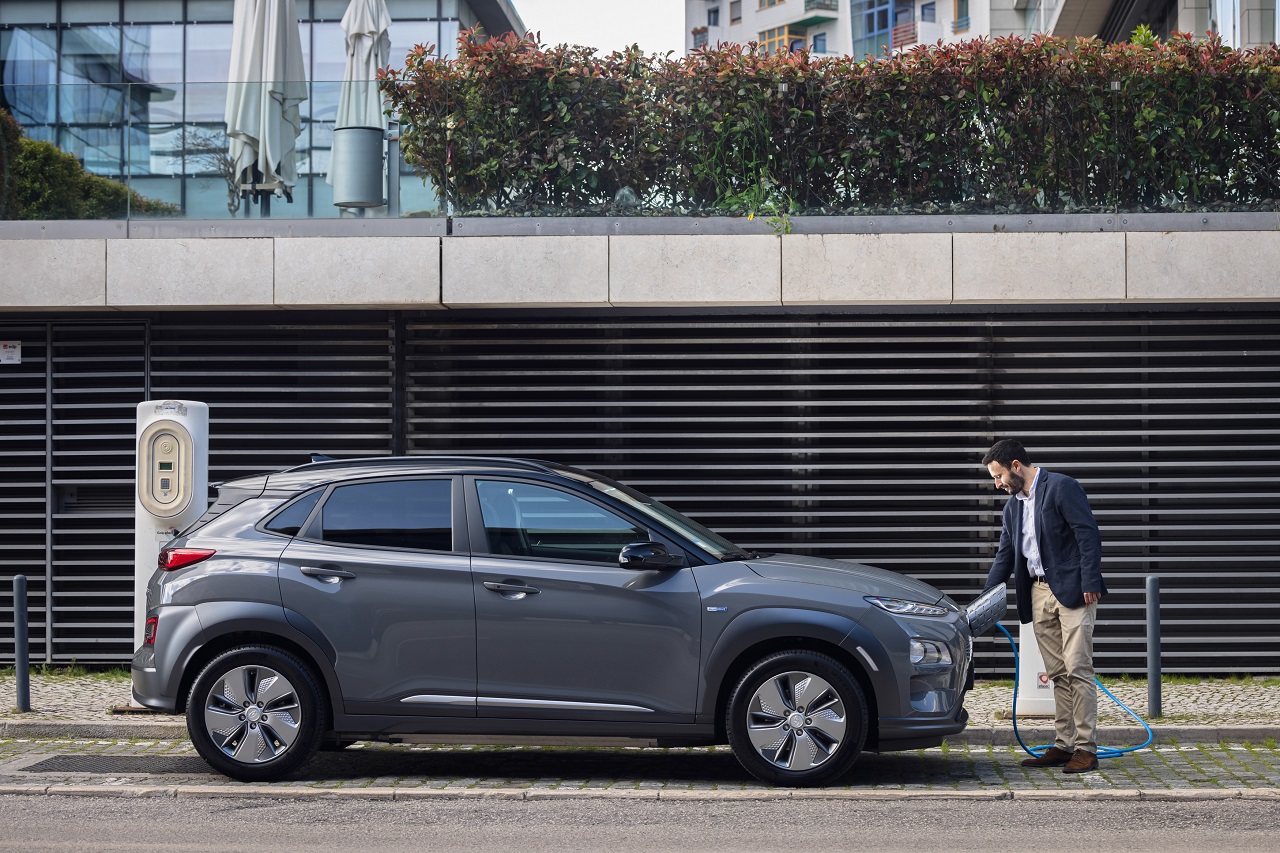

General Motors (GM) Plans To Sell Electric Cars With Bidirectional Charging Capable Of Powering Homes And Electronics During Power Outages Or Grid Maintenance
General Motors (GM) announced a pilot program and a new partnership with Pacific Gas and Electric Co. this Tuesday (8). The intent of the partnership is to use electric cars to power homes in the United States through bidirectional charging. The program will take place in the area where Pacific operates, between central and northern California, and also aims to support the reduction of greenhouse gas emissions in the state.
Read Other Related News
- Surge in Nickel Prices Due to War May Disrupt Electric Car Battery Production
- General Motors (GM) President Declares End of Tesla’s Golden Era In The Electric Car Market
- ‘Electric Cars And Combustion Vehicles Could Be Bought For The Same Price In The Coming Years,’ Says GM Tax Director
- To Compete With GM’s Cheapest Electric Car, Chinese Company Launches Dongfeng FengGuang Mini EV Costing Only R$ 26,100
- GM To Release Kit To Transform Any Combustion Car In The World Into Electric
General Motors Plans To Transform Its Electric Cars Into High-Efficiency Generators
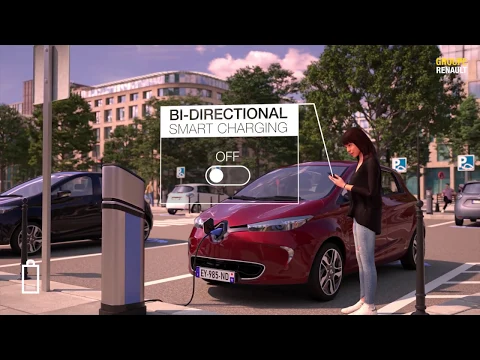

GM’s new electric cars are already capable of supporting bidirectional charging and can generate power for homes, not just receive energy. The idea of General Motors is for its zero-emission models to also function as generators for their owners’ homes, providing energy in case of outages or even during electrical maintenance.
According to PG&E CEO Patti Poppe, the project will not only be a significant advancement for climate resilience and electrical reliability but also another benefit of zero-emission electric cars, which are essential in the fight against climate change and pollution emissions.
-
End of an era in Brazil: beloved sedan by Brazilians is discontinued despite having a 2.0 engine with 151 hp, CVT transmission, 466-liter trunk, and up to 650 km of range.

-
New Law Proposal in Brazil Could Heavily Penalize Drivers: Dangerous Overtaking May Become a Serious Offense with Fines Increased Tenfold and a 12-Month License Suspension; Update on 2026 Progress

-
Electric Revolution: Watts W125 Motorcycle Offers 160 km Range, 90 km/h Speed, and Affordable Price Starting at $3,000
-
General Motors Replaces Over a Thousand Workers with 50 Cobots at Electric Vehicle Plant, UAW Union Criticizes Move Amid Industry’s Automation Push



GM’s Bidirectional Charging Tested In The Laboratory
Some laboratory tests have already been conducted, and now the automaker and the energy company will take electric cars with bidirectional charging to a small group of customers to receive energy from a vehicle when power from the electrical grid stops flowing.
According to Mary Barra, President and CEO of General Motors (GM), the company’s teams are working to scale up the pilot project and bring bidirectional charging technology to its customers as quickly as possible. The companies did not specify which and how many cars will be equipped with the technology for the initial tests, but stated that the project will begin in the northern summer.
It is worth noting that the upcoming electric cars from General Motors, the Silverado EV and the Hummer EV, will have the ability to charge other equipment and even other electric cars.
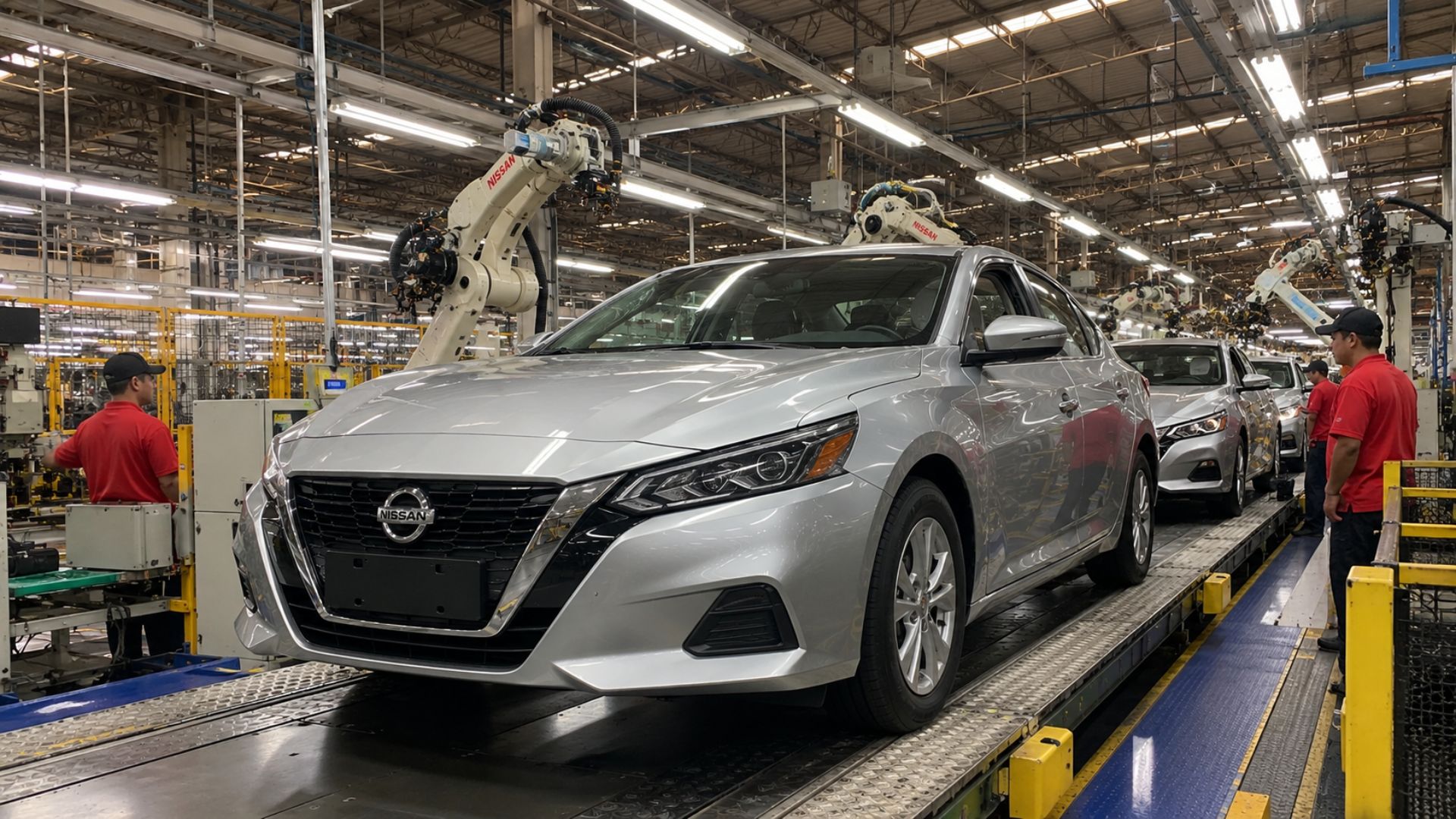
Nissan Introduces Electric Car With Bidirectional Charging
Nissan presented its electric Leaf in SP last year and demonstrated the technology in practice. This happened during the Electric Experience, where a DJ played tunes that energized people with all their equipment connected to a vehicle.
The model was present on-site just to demonstrate more about the technology’s capabilities, which allow electricity to be fed back into the grid via V2G technology or directly to electrical devices with V2X technology.
Therefore, the model served both for storage and for providing energy, like a mobile battery. The technology is capable of making the grid more stable and sustainable, in addition to properly managing the energy supply of owners. It is worth noting that the range and performance of the electric car are not affected since only 30% of the battery’s capacity is used.