





 Portuguese
  English
  Spanish
  4 min of reading
  7 comments


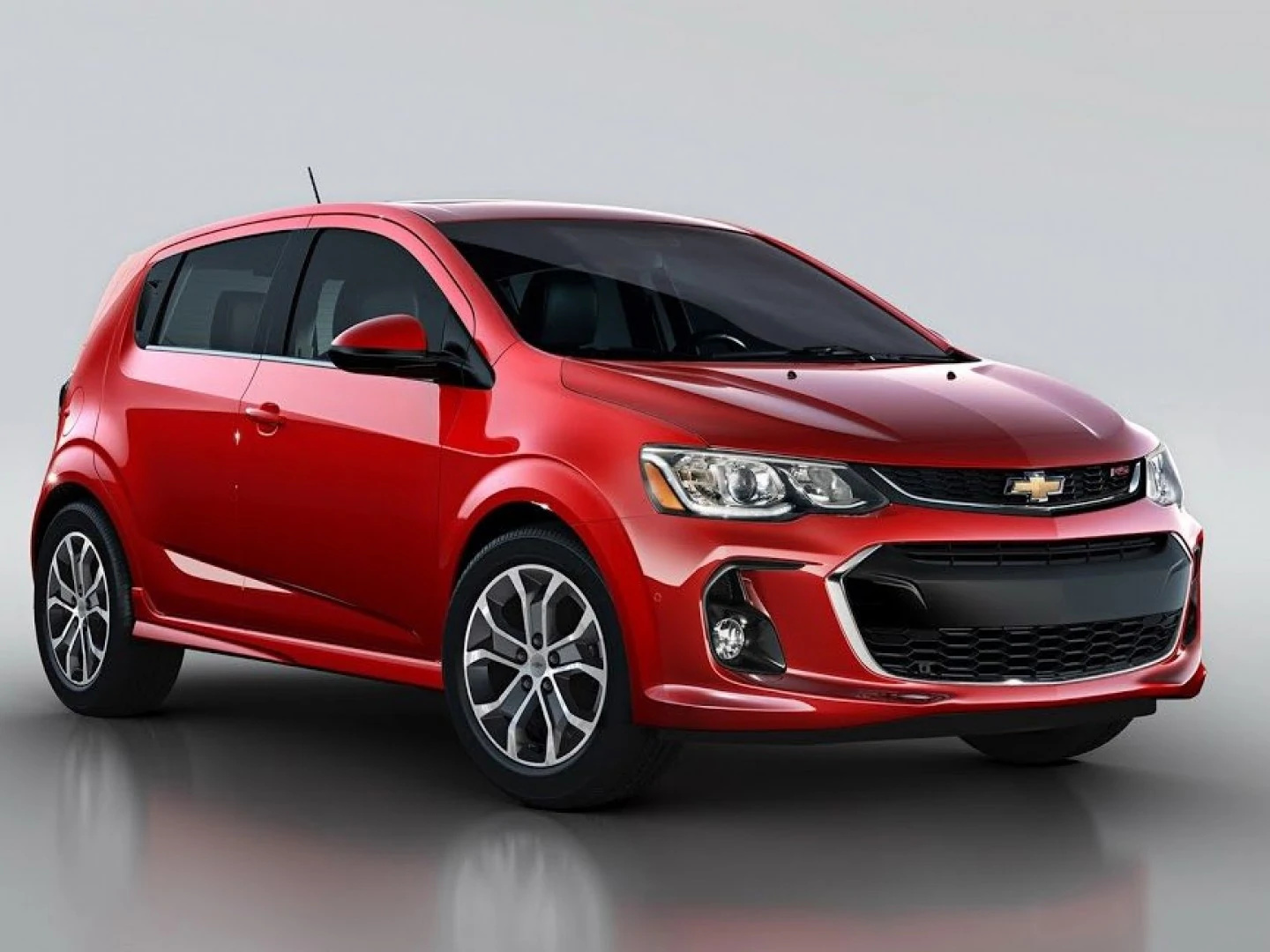


Chevrolet Confirms New Sonic for Brazil in the 2nd Quarter of 2026. Compact SUV Derived from Onix Will Be Produced in Gravataí (RS) and Marks the Brand’s Entry into the Entry-Level Urban SUV Segment.
Chevrolet has officially confirmed that the new Sonic will arrive in Brazil in the second quarter of 2026. The compact SUV derived from the Onix will be produced at the Gravataí factory in Rio Grande do Sul. The launch will take place between April and June, marking the brand’s entry into the entry-level urban SUV segment.
The name Sonic is not new in Brazil. Between 2012 and 2014, Chevrolet sold imported hatch and sedan models under this name positioned above the Onix. Despite good finish and performance, sales were limited, and the model was discontinued. Now the brand is reusing the name in a completely different context aimed at compact SUVs.
National Production in Gravataí with Robots and AI
GM invested R$ 1.2 billion in the modernization of the Gravataí factory, allowing the simultaneous production of two models for the first time. The industrial complex will have nearly 1,000 state-of-the-art robots integrated with intelligent systems. High-precision cameras will be dedicated to quality control and solutions based on Artificial Intelligence.
-
Less than a Tera TSI, up to 710 km of range and charging in 9 minutes: the new BYD Song Ultra expands the Chinese brand’s bet on increasingly faster, more technological, and competitively priced electric SUVs.

-
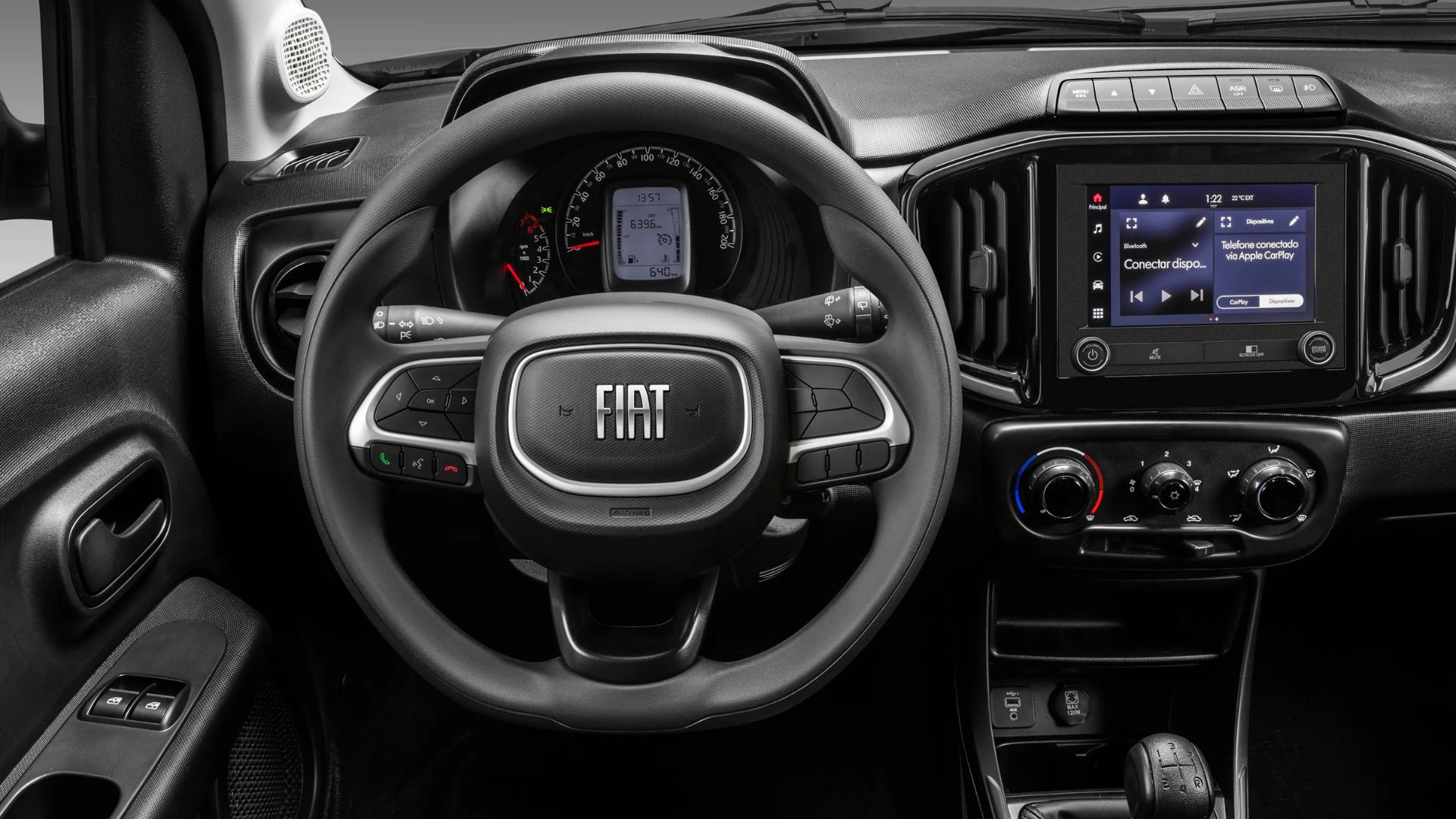
With a 1.0 engine producing 75 hp and costing less than R$ 70,000, Fiat’s car returns to the podium as the cheapest in the country; a temporary promotion for the 2026 Like version reduces the price of the Fiat Mobi.
-
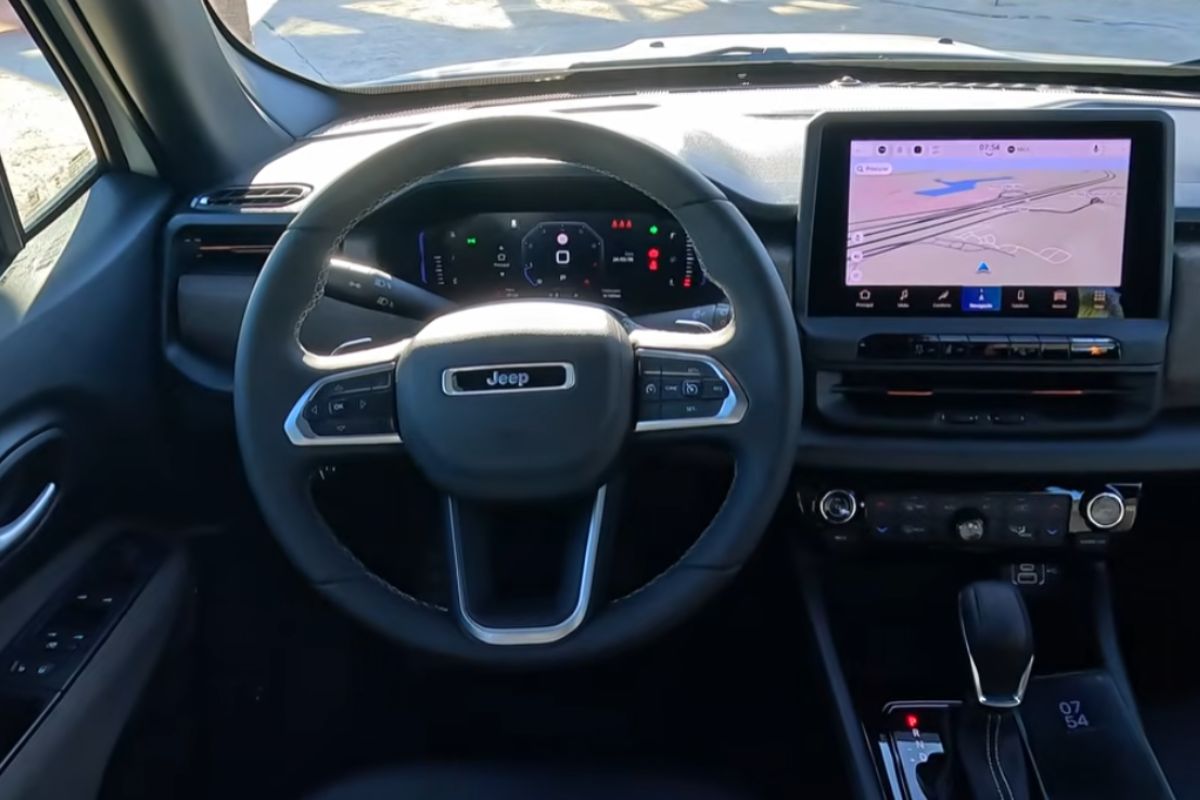
With a mild hybrid system of 48 V, 176 hp and a price of R$ 175,990 in the Sahara version, the new Jeep Renegade changes mostly on the inside, improves slightly in fuel consumption, and remains almost the same car.
-
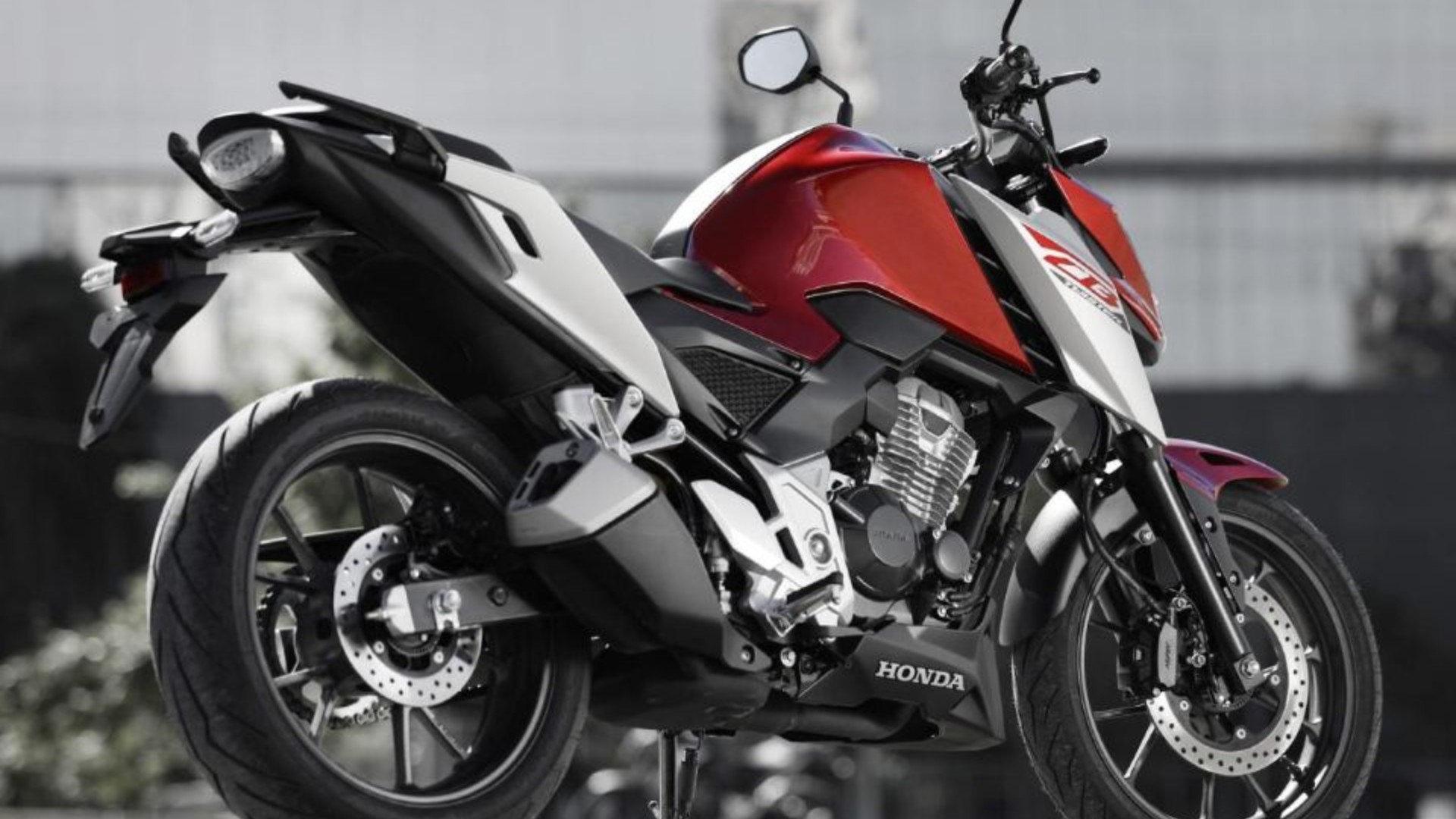
With a 293.5 cm³ engine and a range of up to 400 km with a 14.1-liter tank, the Honda CB 300F Twister 2026 has up to 24.7 hp, an initial price of R$ 25,150, and already exceeds R$ 29,000 in the Fipe Table.

The production of the Onix was paused between January 5 and 16, 2026, to adapt the assembly lines. Adjustments ensure that everything is ready for the Sonic launch. The factory is undergoing updates to accommodate the new model while maintaining the production of the Onix and Onix Plus.
Coupe SUV Derived from the GEM Platform
The Sonic utilizes the Global Emerging Markets (GEM) platform, the same used in the Onix and Onix Plus. This choice reinforces the automaker’s commitment to reducing costs and speeding up development. The model will have a coupe profile with a more pronounced roofline at the rear, a feature still little explored among compact SUVs in the category.


Dimensions are in the range of 4.20 meters in length and about 2.60 meters in wheelbase. The wheelbase is expected to maintain 2.55 meters from the Onix, with a more robust appearance and stance aligned with urban SUV standards. The Sonic will be slightly larger than the hatch while maintaining common components.
The model will retain the platform and doors of the Onix but will feature a redesigned rear to enlarge the trunk, surpassing the hatch’s 303 liters. To reduce costs, the new utility will utilize components already used in the Onix, including parts of the bodywork.
Design Inspired by Equinox and Tracker
The front adopts Chevrolet’s global design language with a dual headlight setup and an elevated hood. The effect aims for “size impression” to appear larger than its actual dimensions. Headlights are divided into two levels, as seen in other products from the brand.
The rear revealed in official teasers showcases sequential LED taillights with lighting signatures inspired by the electric Equinox EV. The dotted signature runs across the trunk lid without direct connection, visually distancing itself from the Onix. This differentiated design is a bet to stand out in the segment.
1.0 Turbo Engine with 115 Horsepower
In terms of mechanics, the Sonic features a 1.0 turbo-flex three-cylinder engine delivering up to 115 hp and 16.8 kgfm of torque. Options for a six-speed manual or automatic transmission are available. Some entry-level versions may adopt a 1.0 naturally aspirated engine with a manual transmission.

More expensive versions come standard with driver assistance systems. Expected features include front collision alert and automatic emergency braking. Technologies currently restricted to higher models from the brand are reaching the entry-level SUV.
A complete safety package with six airbags, ABS brakes with EBD, traction and stability controls. Advanced technology positions the model above direct competition.
Interior with Connectivity and Changes in Finishing
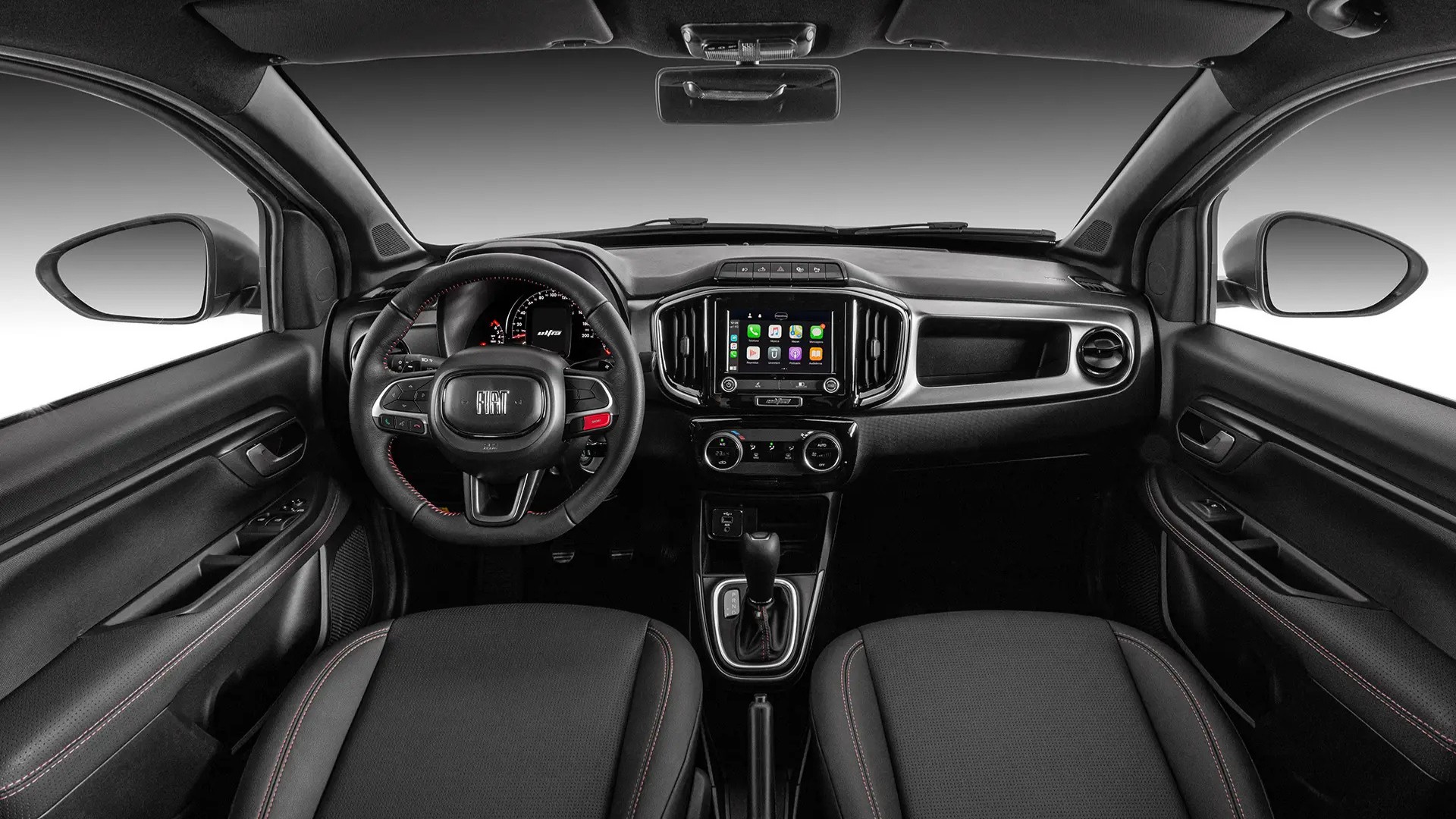
The interior will have changes in finishing but with common components shared with other national models of the brand. Seats will retain the Onix standard with new upholstery on the doors and dashboard. The Sonic is expected to feature additional connectivity and safety features compared to the Onix.
The multimedia system will be compatible with Android Auto and Apple CarPlay, in addition to remote updates. The digital instrument cluster will be a highlight in the top-tier versions, reinforcing the model’s technological proposal.
Positioning Between Onix and Tracker
The Sonic will be positioned between the Onix and the Tracker, occupying the entry-level subcompact SUV segment. Estimated prices range from R$ 100,000 to R$ 150,000, competing with the Fiat Pulse, Volkswagen Tera, Renault Kardian, and Citroën Basalt. The segment has been rapidly growing in Brazil.
The brand’s strategy is to expand its presence in one of the country’s hottest segments. With national production, a differentiated design, and competitive pricing, the Sonic arrives with the mission to become a pillar of the brand in the compact SUV market.
The Sonic is conceived as the natural successor to the Onix, which is expected to be discontinued around 2030. The model aims to maintain the leadership position by volume that Chevrolet has enjoyed in recent years but now in the SUV format, towards which the market is shifting.








A pergunta que não quer calar. Vai ser correia banhado a óleo?
Mesmo motor, mesma correia meu caro Watson.
Já que a GM desaprendeu a fazer motor, tinha q fazer parceria com outras marcas.
Correias fritas