





 Portuguese
  English
  Spanish
 4 min of reading
  0 comments


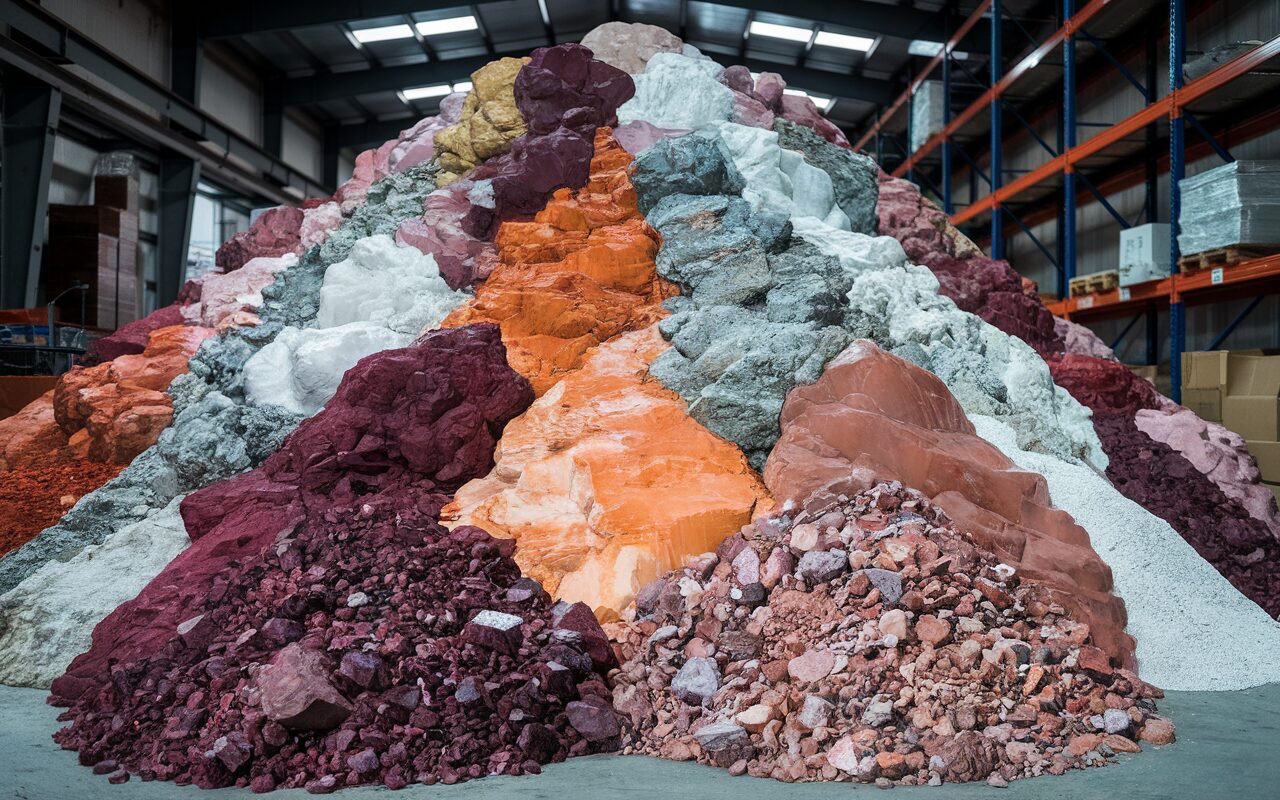
Innovative Project Aims to Boost Rare Earth Mining in Brazil with Circular Mineral Harvesting Technology and an Investment of R$ 2.8 Billion.
Goiás is taking on a strategic position in the international rare earth landscape with the inauguration of a pilot plant by mining company Aclara Resources in Aparecida de Goiânia. The unit will have the capacity to process up to 500 tons of rare earths extracted from the Nova Roma region in the northern part of the state. The project calls for investments of R$ 300 million in this initial phase, with expectations of generating 80 direct and indirect jobs, and is part of a larger R$ 2.8 billion plan aimed at mineral extraction.
Goiás Becomes a Global Hub for Rare Earths with Billion-Dollar Project and Processing of 500 Tons Per Year
The announcement, made on Friday (24), marks a milestone for national mining and positions Goiás as a future center of excellence in rare earths, minerals considered essential for the global technology industry.
-
Historic bankruptcy of Centauro shocks the market, and the century-old company puts more than 500,000 products, machines, and complete infrastructure up for online auction.

-
Brazil extracts 26.3 million tons of ore from what was previously treated as waste, transforming residues into wealth, producing over 3 million tons of sand, and demonstrating how national mining is relearning to generate value.
-
A $3.5 billion megaproject in Latin America pumps desalinated seawater at 1,050 liters per second over 194 km to keep a copper supermine in the Andes operational for another 20 years.
-
New shoe factory in Ceará is expected to create 400 jobs and strengthen the local economy.

Sustainable Process Promises Purity Above 95% in Samples
The industrial plant installed in the Aparecida de Goiânia Business Hub will validate the process patented by Aclara Resources, known as “Circular Mineral Harvesting”. The innovative technique not only allows for the extraction of rare earths with high efficiency but also minimizes environmental impact by reusing up to 95% of the water used in the beneficiation process.

With this method, the mining company intends to produce samples with over 95% purity, a result considered high by international standards. According to the company, the focus is on developing a production model that combines high added value with environmental responsibility.
The CEO of Aclara Resources, Ramón Barúa Costa, highlighted Goiás’s strategic choice: “From the beginning, we found a very conducive business environment, with incredible reception from the state government. Goiás is a fantastic state in terms of geological conditions.”
Goiás at the Center of International Attention
The Vice Governor Daniel Vilela (MDB) attended the inauguration event and classified the project as innovative and transformative. For him, the installation of the plant and the future processing of the 500 tons of extracted rare earths will establish Goiás as one of the world hubs of the sector.
“Goiás will become the central point for rare earth mining worldwide,” Vilela affirmed. The politician also recalled Governor Ronaldo Caiado’s efforts to attract investments and develop the region’s logistical infrastructure.
The Aclara project arises at a strategic moment. Rare earths are the subject of international disputes, especially between the United States and China, and now gain new dimension with U.S. interest in exploring deposits in Ukraine, as part of peace negotiations orchestrated by President Donald Trump.
Technological Applications and Geopolitical Relevance of Rare Earths
Rare earths are crucial for the production of technological products such as headphones, microphones, portable sound systems, batteries, smartphones, and LED and LCD displays. Their use is also indispensable in high-tech military sectors and renewable energy industries.
Currently, Brazil has one of the largest reserves of rare earths in the world, alongside China, but large-scale exploration of these resources is still nascent. The Goiás project, therefore, represents a paradigm shift by promoting the internal production of strategic materials for the new green economy.
Impact on Economic Development in Nova Roma and Aparecida de Goiânia
In addition to transforming the state economy, the exploration of the 500 tons of extracted rare earths promises to directly impact the municipality of Nova Roma. With a current population of about 3,400, the city is expected to receive a series of infrastructure works starting in 2027 to accommodate the arrival of approximately 7,000 workers.
The mayor of Nova Roma, Eleuses Gonzaga, celebrated: “This is a historic moment for our city and for Goiás. Nova Roma will undergo a transformation that will benefit the entire population.”
In Aparecida de Goiânia, Mayor Leandro Vilela emphasized the importance of the pilot plant for local development: “Aparecida feels honored to receive this project that will bring jobs, investments, and strengthen our economy.”
Circular Mineral Harvesting: The Innovation That Sets Goiás Apart in the Market
The differential of Circular Mineral Harvesting, besides the reuse of water, is the significant reduction of solid and liquid waste in the environment. This approach places Goiás at the forefront of sustainable rare earth mining.
The technology also provides a competitive advantage to Brazilian mineral products, as many consuming countries, such as the United States and Europe, are imposing strict environmental requirements for the import of critical inputs.
With the success of the pilot plant in Aparecida de Goiânia, Aclara plans to expand operations for industrial-scale processing, gradually increasing the amount of rare earths beneficiated in Brazil.
With total investments exceeding R$ 3 billion, Aclara Resources places Goiás at the center of a strategic chain that can boost the technological autonomy of the country.
The expectation is that national production of rare earths will supply not only the domestic market but also the international market, reducing dependence on Asian suppliers and strengthening Brazil’s position in the new global technological economy.
The project also signals the strengthening of the Brazilian mineral industry with standards of sustainability, innovation, and job creation, with projections for thousands of new vacancies and encouragement of regional development.





Seja o primeiro a reagir!