





 Portuguese
  English
  Spanish
  4 min of reading
  0 comments



Unanimous Decision of the STF Ensures Income Maintenance, Preserves Labor Rights, and Expands Social Protection for Women Removed from Work by Judicial Protective Measure
In this context, the decision gained national attention because it resolved a historical impasse involving income, security, and dignity.
Thus, the amounts will be temporarily paid by the National Institute of Social Security, ensuring financial stability at a time of extreme vulnerability.
How Payment Works During the Removal
Initially, the removal does not arise from labor incapacity but from risk to the physical or psychological integrity of the victim.
Nevertheless, the STF defined that the benefit should work similarly to sick pay, even without occupational illness.
-
He sold his share for R$ 4 thousand, saw the company become a giant worth R$ 19 trillion, and missed the opportunity of a lifetime.

-
Elon Musk’s Starship megafrocket puts $8 billion at risk, raises alarms in the market, and could affect technology, mining, and space internet startups in the coming years.

-
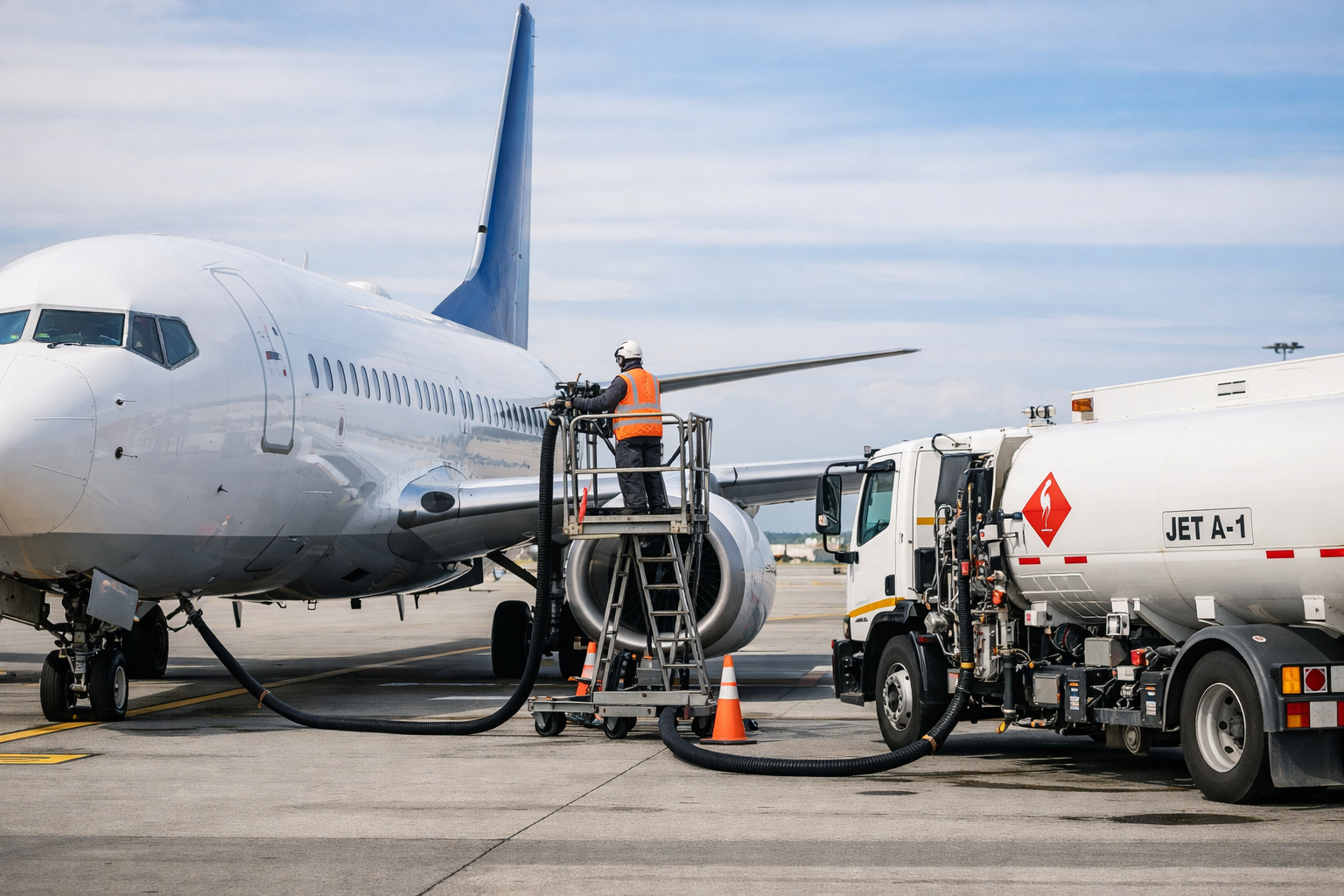
Airfare prices may rise with increasing fuel costs, and the government is considering urgent measures to avoid a direct impact on the wallets of Brazilians.
-
Chocolate prices soar nearly 15% and become a luxury item for Easter 2026, with increases surpassing inflation and changes in Brazilian consumption habits.


In practice, the first 15 days of removal continue to be paid by the employer company.
Immediately after, starting from the 16th day, the INSS takes over the payment of the benefit, with a maximum period of six months.
This model benefits formal workers, self-employed, and individual micro-entrepreneurs (MEIs) who contribute to the social security system.
Thus, the contributory link becomes crucial for the operationalization of the benefit.
Preservation of Labor and Social Security Rights
During the judgment, the rapporteur Minister Flávio Dino emphasized that protection is not limited to the monthly salary.
According to him, the FGTS collection, social security contributions, and the counting of service time must also be maintained.
As a result, the worker no longer suffers from double penalization, avoiding future losses in retirement or employment ties.
Moreover, all the consequences of the employment relationship remain active during the removal.
This interpretation reinforces the understanding that domestic violence causes deep psychological and social impacts, even when it does not result in permanent physical incapacity.
Extended Protection for Women without Formal Ties
In addition to INSS insured workers, the STF also advanced by guaranteeing protection for informal workers.
In these cases, payment does not occur through Social Security but through state budget assistance.
In practice, the amount functions as a temporary wage assistance, ensuring minimal subsistence during the removal.
Thus, women without social security contributions can also count on financial support.
This point was considered essential to correct historical gaps in Brazilian welfare legislation.
Until now, situations of removal due to life-threatening risks were not objectively addressed.
Legal Basis and Context of the Decision
The Maria da Penha Law already provided the right to remove from work for up to six months, without salary loss.
However, the INSS maintained the absence of legal provision to take over the payments.
In light of this conflict, the STF consolidated its understanding in 2024, recognizing that social security legislation did not consider removals motivated by domestic violence.
Even without labor incapacity, the Court acknowledged the psychological and existential traumas caused by such aggression.
According to data from the World Health Organization, in 2013, Brazil ranked fifth among 83 countries with the most homicides of women.
That year, there were 4.8 homicides per 100,000 women, with almost 30% of cases occurring within their own homes.
Social Impact and Future Challenges
With this decision, the STF reinforces the role of the State in the full protection of victims of domestic violence.
At the same time, the model imposes challenges related to management, financing, and oversight of the benefit.
The effectiveness of the measure will depend on the guarantee of rapid access, legal security, and administrative transparency.
Moreover, it will be essential to avoid bureaucratic hurdles that may delay payment in critical moments.
In light of this new scenario, do you believe that the guarantee of income during removal can become a decisive instrument to break cycles of domestic violence in Brazil?






-

-

-

3 pessoas reagiram a isso.