





 Portuguese
  English
  Spanish
  3 min of reading
  1 comment


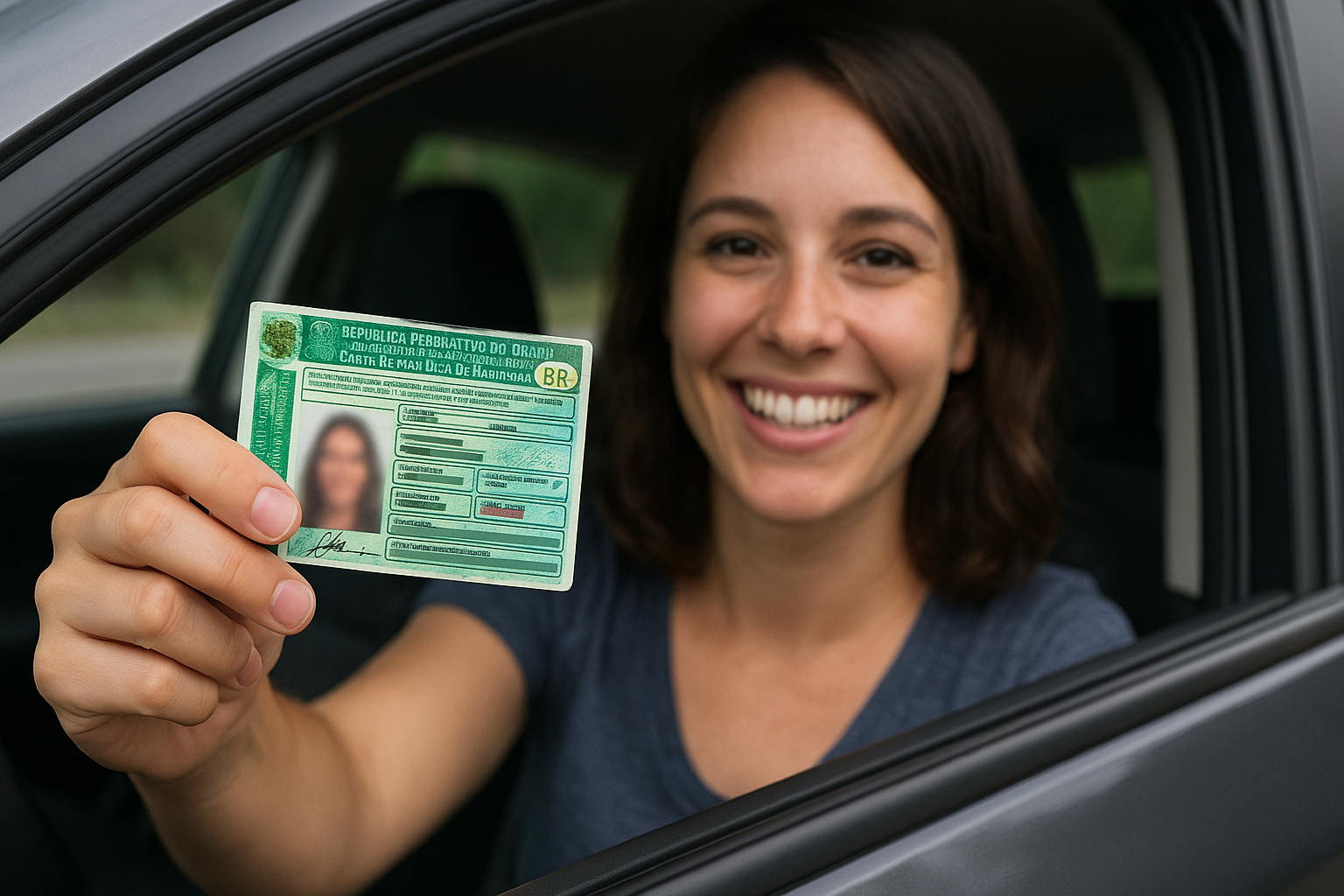

Government Studies Measures to Lower Costs and Reduce Bureaucracy for the Driver’s License, Including Distance Learning for Theoretical Classes and Flexibility in Practices. Understand What Could Change.
Getting the first driver’s license in Brazil is an increasingly challenging task for the population. The average cost to obtain a driver’s license in categories A and B is around R$ 3,000, which can reach R$ 5,000 in some states. For millions of Brazilians, this amount represents almost three minimum wages, making the document inaccessible.
According to the National Traffic Service (Senatran), about 20 million Brazilians drive without a license, a direct reflection of high costs and the bureaucracy of the process. Additionally, official data shows a drop in the issuance of the first driver’s license: from 2.8 million in 2022 to 2.5 million in 2024 — a reduction of 7.5%.
Government Discusses Solutions
With the aim of democratizing access to driving licenses, the Ministry of Transport presented a set of proposals during a public hearing on September 2, which promise to lower costs and expedite the issuance process of the driver’s license.
-
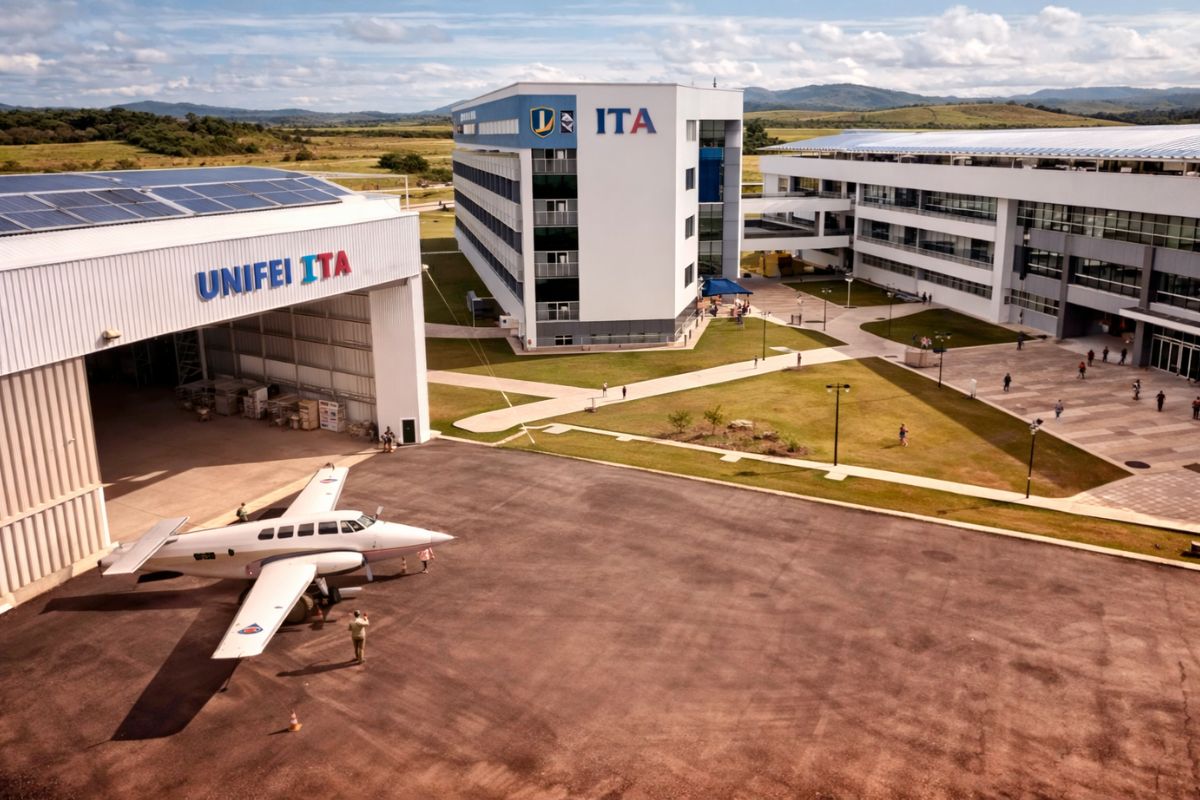
The institute that trained the greatest aerospace engineers in Brazil has just opened its first campus outside São Paulo after 75 years: ITA Ceará will have R$ 445 million, new courses in energy and systems, and classes are expected to start in 2027.
-
Luciano Hang, owner of Havan, goes to Juiz de Fora after the tragedy in February, brings R$ 1 million, hands out R$ 2,000 cards, and donates up to R$ 15,000 to victims in the region.

-
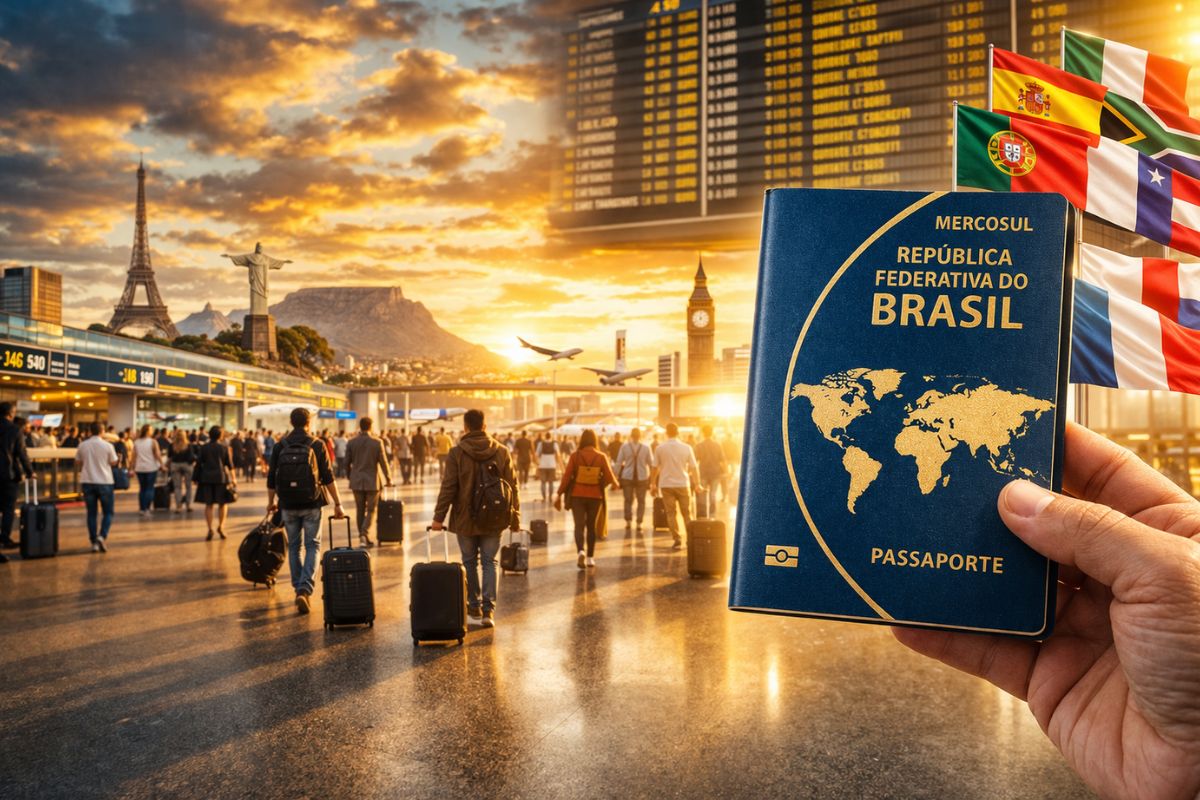
The Brazilian passport allows legal residence in dozens of countries without the need for a prior visa, and most Brazilians are unaware that they can apply for residency directly upon arriving in nations in South America, Africa, and even Europe.
-
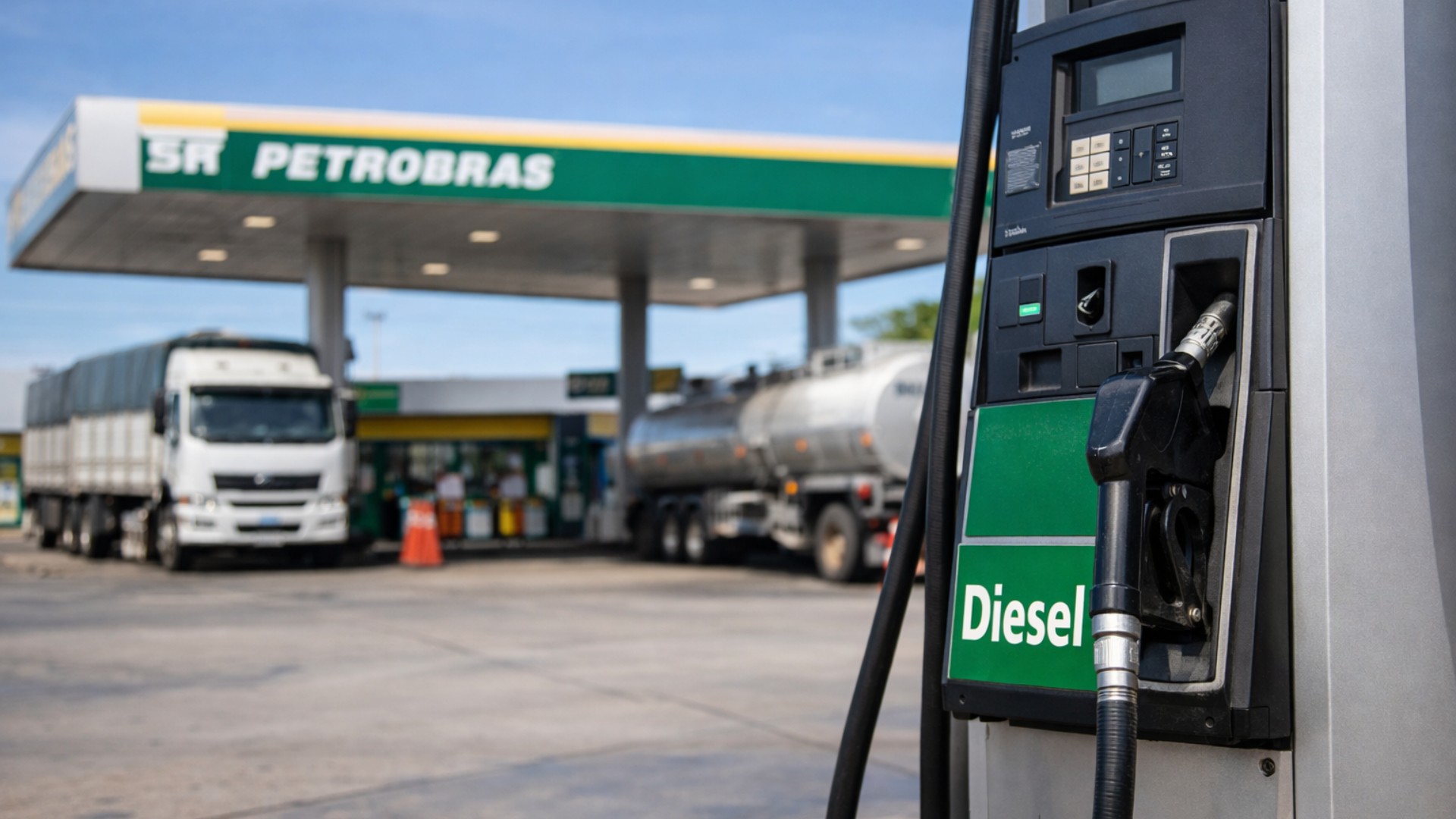
Petrobras sends a message to Brazilian truck drivers after fuel collapse and reveals plan to have 100% domestic diesel.

The measures were presented by National Secretary of Traffic, Adrualdo Catão, and are part of a modernization strategy that seeks to align Brazil with practices already used in other countries.

Distance Learning for Theoretical Classes
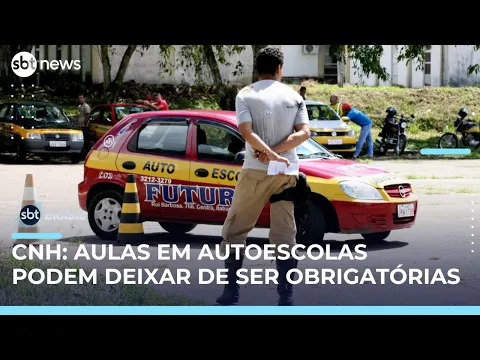
One of the central points of the debate is the adoption of distance learning (EAD) for theoretical classes. Currently, candidates need to attend driving schools in person to fulfill the mandatory hours.
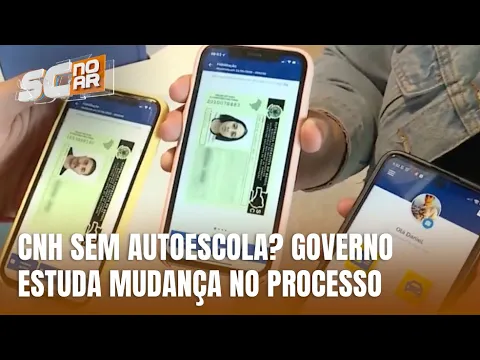
With digitization, it would be possible to attend classes at home, on a phone or computer, reducing travel, operational costs, and even drop-out rates. The proposal is expected to directly impact the final cost of obtaining a license, as it decreases the need for physical infrastructure in driving schools.
Flexibility of Practical Classes
Another proposal under consideration is the flexibility of practical class offerings. Currently, the law requires 20 minimum hours of practice at a driving school, which increases costs.
The new model would allow licensed independent instructors to also offer classes, increasing competition and lowering prices. In addition, the government is considering revising the minimum hours, giving candidates more freedom to decide when they are ready for the practical exam.
This change could also generate jobs and create opportunities for independent professionals who wish to work as licensed instructors.
Public Consultation and Citizen Participation
The Ministry of Transport reported that the proposal will still be submitted to public consultation, allowing citizens, experts, driving schools, and class entities to provide suggestions before the final version of the project.
This openness is seen as essential to ensure that the reform addresses the needs of drivers while also maintaining the commitment to traffic safety.
The Expected Impact
If approved, the measures are expected to have a direct impact on three fronts:
- Economic: Reduction of costs to obtain a driver’s license, making the document more accessible to millions of Brazilians.
- Social: Inclusion of drivers who are currently marginalized for not being able to afford the cost of the license.
- Sectoral: Increase in the number of qualified professionals in areas such as cargo and passenger transport — sectors facing a shortage of workers.
Currently, it is estimated that there is a 65% labor shortage in cargo transport and 55% in passenger transport. The democratization of the driver’s license could help reduce this deficit.
Challenges Ahead
Despite optimism, the project faces challenges. Driving school representatives have already expressed concerns about the adoption of distance learning and the possibility of independent instructors competing directly with training centers.
Another point is the need to ensure that the flexibility does not compromise the quality of driver training, an essential factor for maintaining road safety and reducing accidents.









Eu acho que tá muito caro porque pelo menos nos Estados Unidos fazer uma habilitação lá poucos dias recebe aqui tem tanta coisa que você paga e sai um absurdo