





 Portuguese
  English
  Spanish
  3 min of reading
  0 comments



Income Tax Exemption Benefits Armed Forces Military Personnel and Integrates Package with Salary Increase and Expansion of the Defense Budget.
Starting in January, more than half of the Brazilian Armed Forces military personnel will no longer pay Income Tax.
The change comes after the expansion of the Income Tax Exemption for those earning up to R$ 5,000 monthly, sanctioned in November by president Luiz Inácio Lula da Silva.
The measure applies nationwide, benefits active military personnel and pensioners, reduces the impact on family budgets, and at the same time, serves as a signal from the government to the category, which will also receive a salary increase starting next year.
-
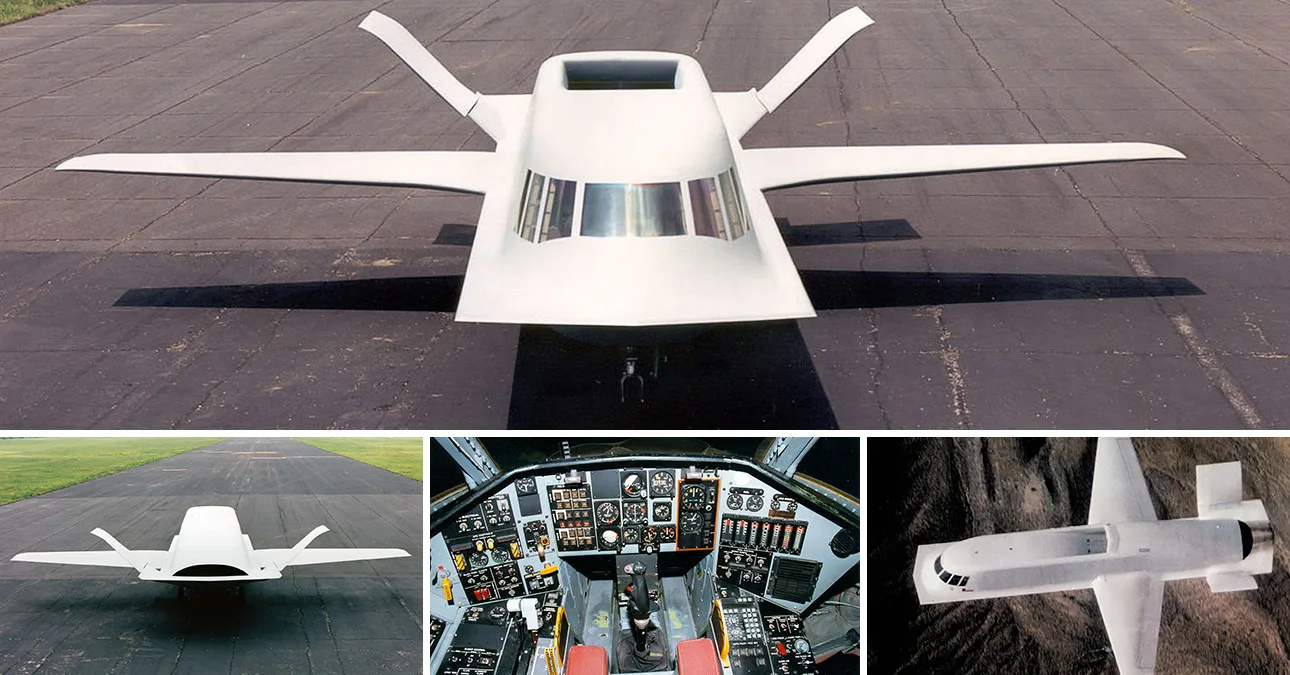
With a length of 17.7 meters, a wingspan of 14.7 meters, and more than 130 test flights, the secret aircraft “invisible whale” Tacit Blue used a completely curved shape to reduce its radar signature even while operating active sensors and proved that it was possible to detect targets without being seen, paving the way directly for the stealth bomber B-2.
-
F-20 Tiger Shark: the light fighter that could rival the F-16, it was to be the successor to the F-5 and cost less, but it died due to politics, without support from the U.S., after 1 billion invested.

-
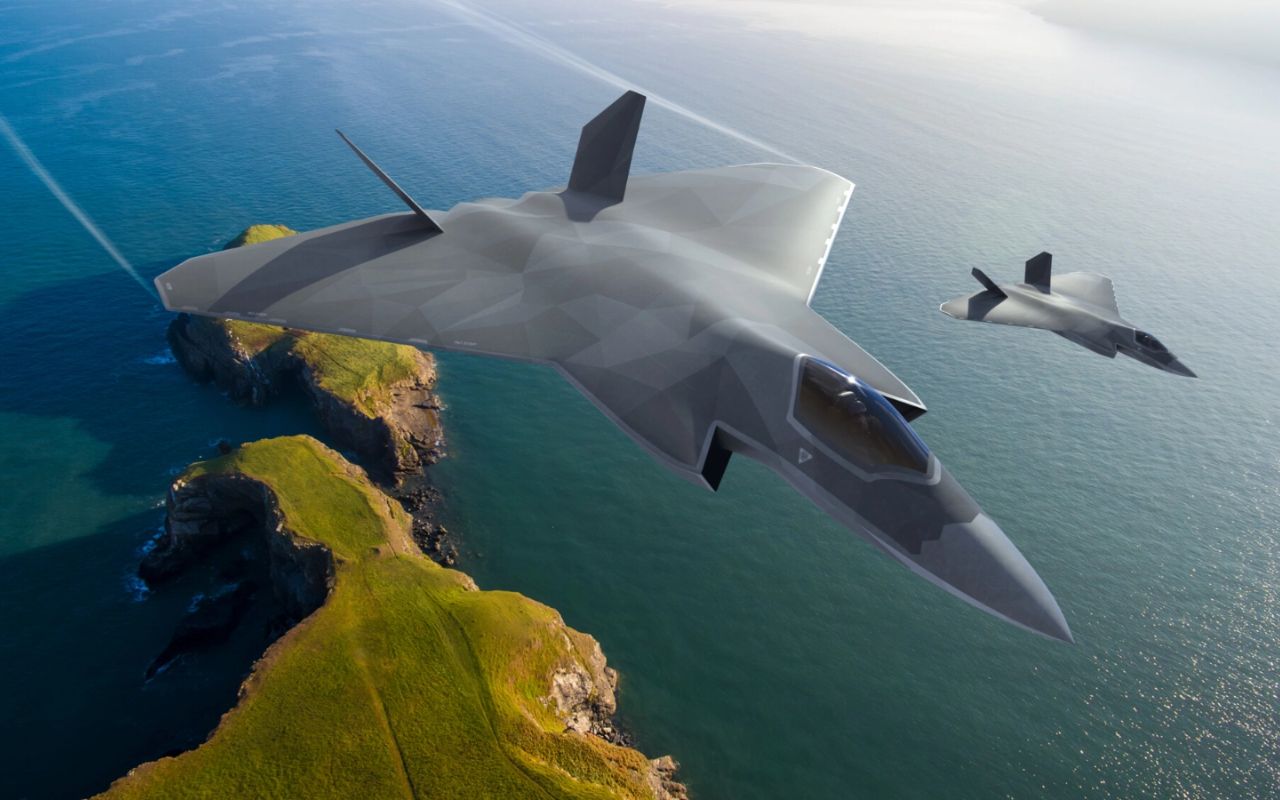
£686 million military project unites Europe and Asia to create one of the world’s most advanced fighter jets.
-
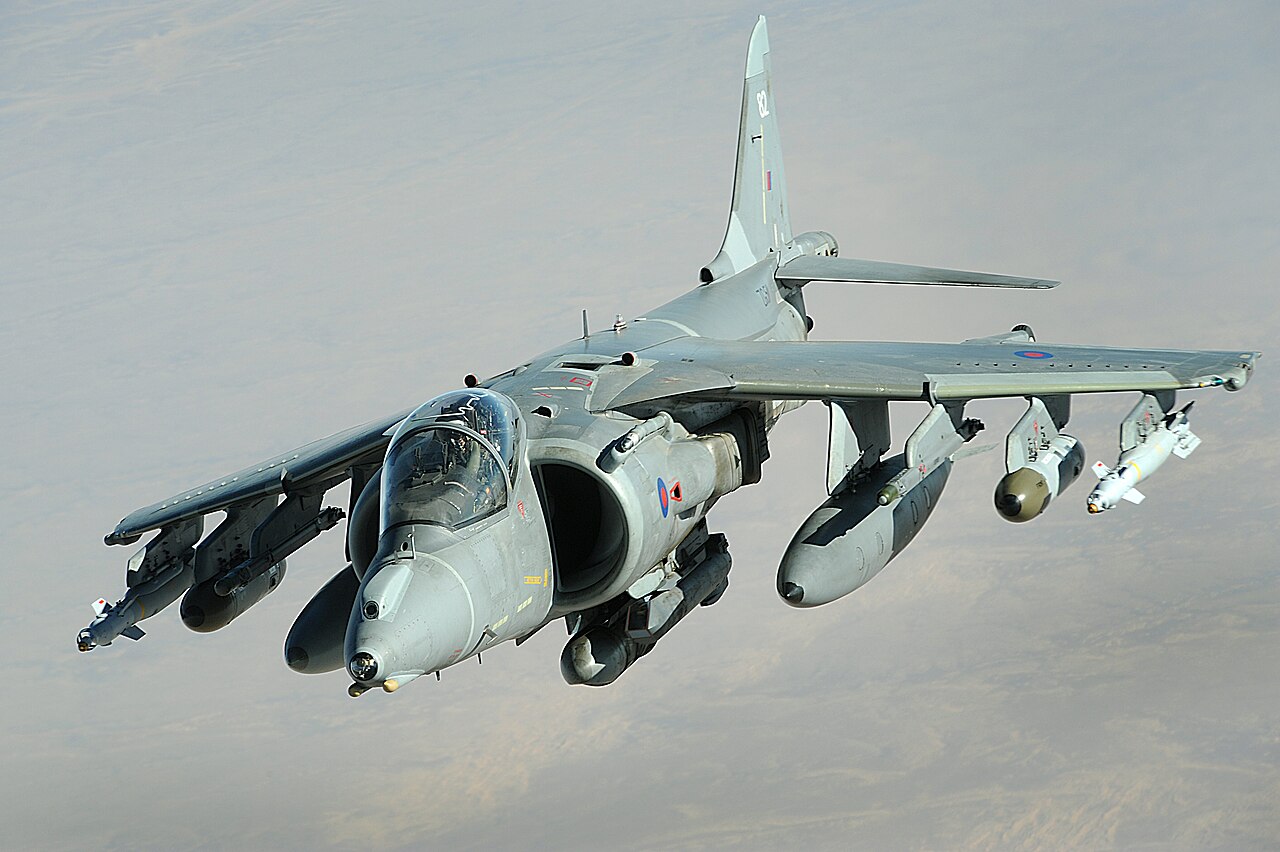
Capable of slowing down from 925 km/h to almost zero in seconds using the thrust of its jets, the Harrier performs the VIFF maneuver, causing enemy fighters to overshoot the target without reaction. This extreme test even threw the pilot against the cockpit due to the brutal deceleration.
Income Tax Exemption Covers Most of the Troops
According to a survey by CNN Brasil, based on data from the Transparency Portal, about 192,000 military personnel from the Navy, Army, and Air Force earn up to R$ 5,000 per month.
This group represents 54.97% of the total force, meaning that more than half of the active troops will stop contributing to Income Tax.
Additionally, approximately 96,000 military pensioners will also fall under the exemption threshold.
Therefore, the Income Tax Exemption solidifies as one of the most relevant fiscal measures for military personnel in the Armed Forces in recent years.
Direct Impact on Military Personnel’s Wallet
The annual savings for beneficiaries can range between R$ 184.28 and R$ 4,067.57, depending on the number of dependents and allowed deductions.
Though the amounts are not uniform, the financial relief tends to be significant, especially for lower-ranked military personnel.
Thus, the measure helps to partially restore the purchasing power of the category, which has been pressured by inflation in recent years.
Additionally, the benefit reduces internal dissatisfaction, at a time when the troops have been demanding more significant gains.
Salary Increase Takes Effect in January
The new fiscal scenario complements the salary increase already approved for military personnel.
The total adjustment has been set at 9%, divided into two installments.
The first part is set to be paid starting in April 2025.
The second part is scheduled for January of next year, coinciding with the commencement of the new Income Tax Exemption.
Although the percentage was below initial expectations, the combination of the adjustment and tax exemption alleviates the accumulated losses.
Defense Budget Gains New Momentum
In addition to individual benefits, the federal government has also expanded the defense budget.
A recent supplementary law allows for up to R$ 30 billion to be excluded from the fiscal framework for strategic investments in the sector.
As a result, the Brazilian Army plans to double the funds allocated to military modernization and reorganize its portfolio of priority projects.
The initiative reinforces the government’s commitment to the operational capacity of the Armed Forces.
Military Modernization Enters a New Phase
According to CNN Brasil, the Army expects to raise annual investments from a range of R$ 1.2 billion to R$ 1.4 billion to about R$ 3 billion per year from 2026 to 2031, within the Growth Acceleration Program.
This six-year cycle is seen as a “window of opportunity” to accelerate strategic projects, such as the Sisfron (Integrated Border Monitoring System), essential in combating drug trafficking and smuggling.
Meanwhile, the Brazilian Navy is advancing in its submarine program, and the Brazilian Air Force is working on acquiring new aircraft, enhancing military modernization across all fronts.
Set of Measures Strengthens the Armed Forces
In summary, the combination of Income Tax Exemption, salary increase, expansion of the defense budget, and investments in military modernization represents a structural change in the relationship between the government and military personnel in the Armed Forces.
The measures address both the troops’ base and long-term strategic demands, reinforcing the operational capacity of the country and reducing internal tensions within the Forces.










Seja o primeiro a reagir!