





 Portuguese
  English
  Spanish
 5 min of reading
  1 comment


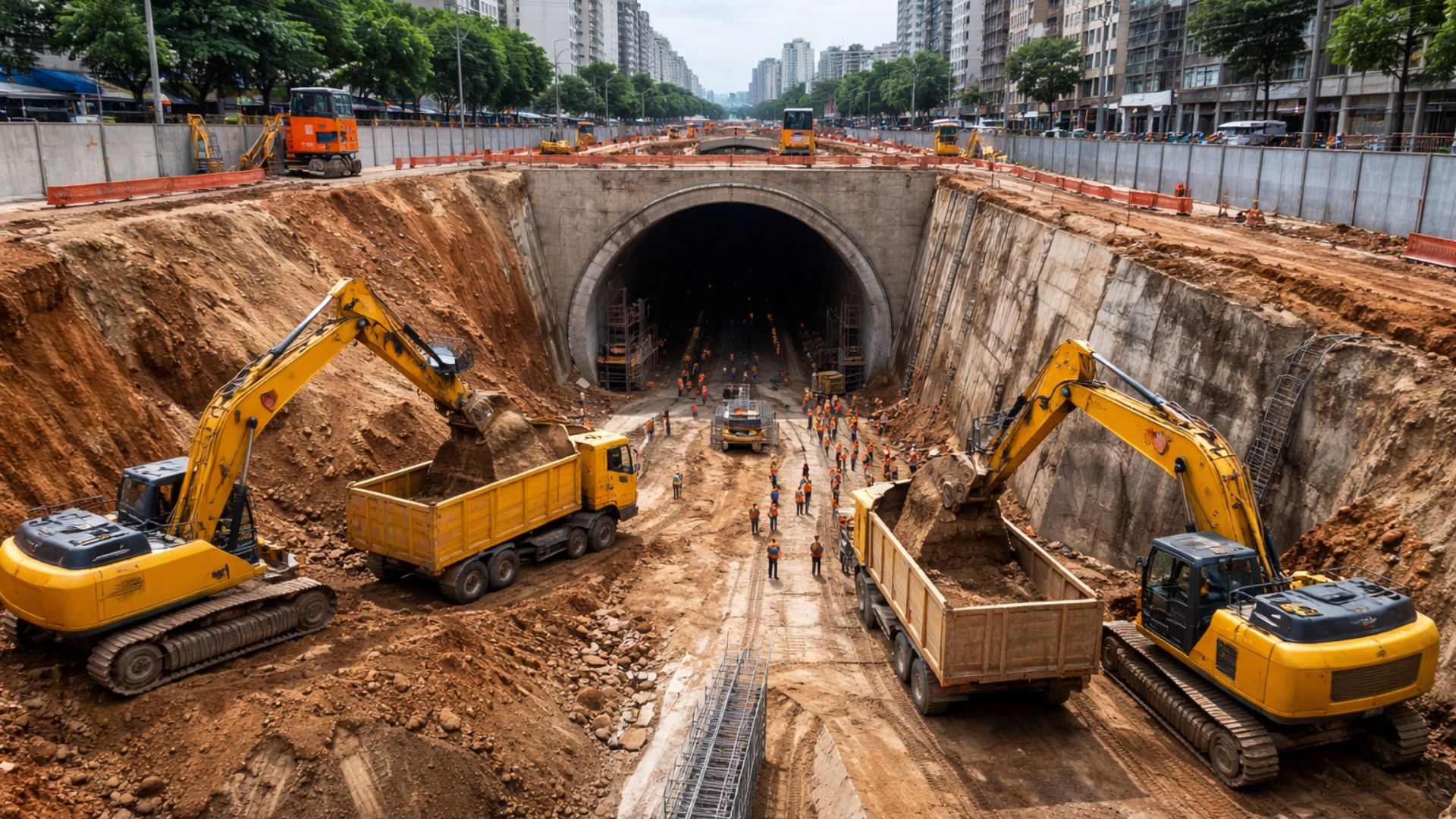


R$ 622 Million Project Puts Old Road Project Back on the Agenda in South São Paulo, Surrounded by Promises of Traffic Improvement, Urban Impact Doubts, and Residents’ Pressure for Clearer Answers on Removals, Drainage, and Real Effects of the Intervention.
The São Paulo City Hall opened the financial proposal of R$ 622 million presented by the Expresso Sena Madureira-Klabin Consortium to resume the construction of tunnels that are expected to connect Avenida Sena Madureira to Avenida Doutor Ricardo Jafet in the southern part of the capital.
According to the municipal administration, the project could benefit over 800 thousand people per day, but so far, the offer is still under analysis before final approval.
The project is treated by the municipal government as a strategic intervention for the region’s road system, in an area that concentrates movements between neighborhoods such as Vila Mariana, Ipiranga, Saúde, Itaim Bibi, and Morumbi.
-
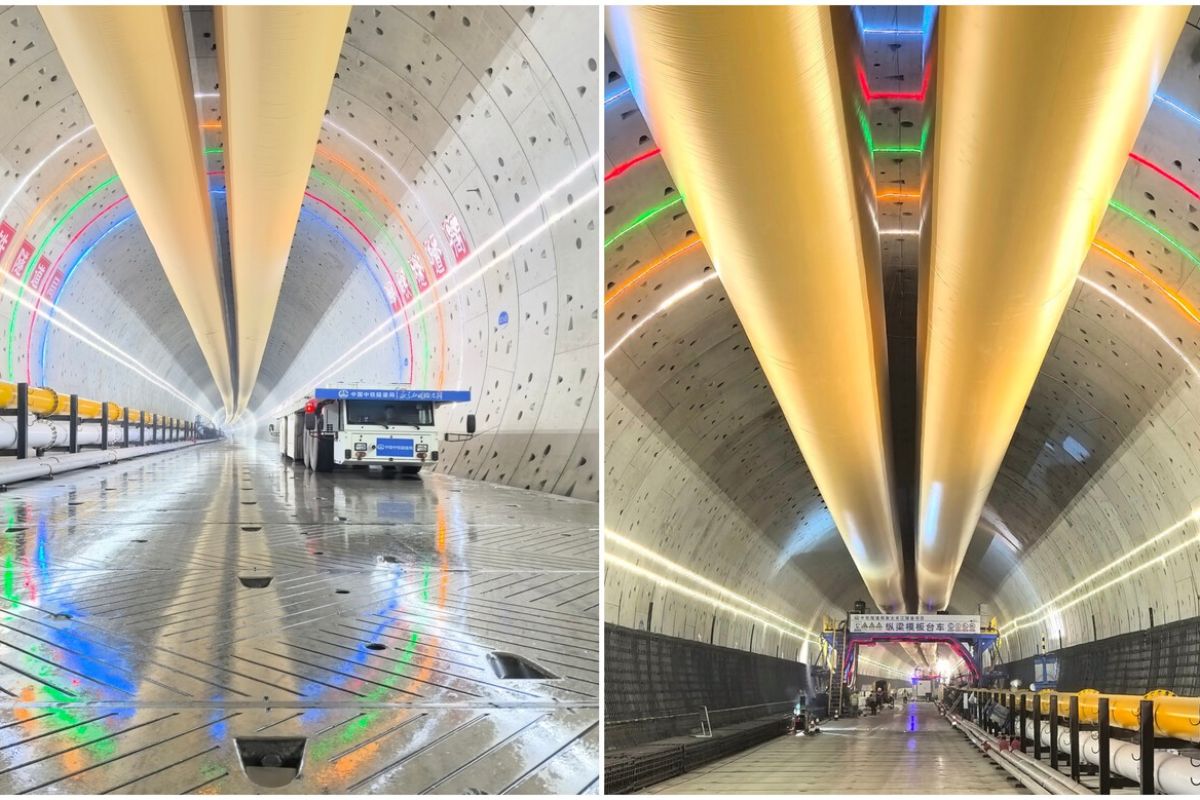
China completes the most critical section under the Yangtze River with the intelligent tunneling machine Linghang, excavating 11.32 continuous kilometers at depths of up to 89 meters and transforming the Chongming-Taicang tunnel into a landmark that redefines the scale of high-speed rail engineering in the 21st century.
-
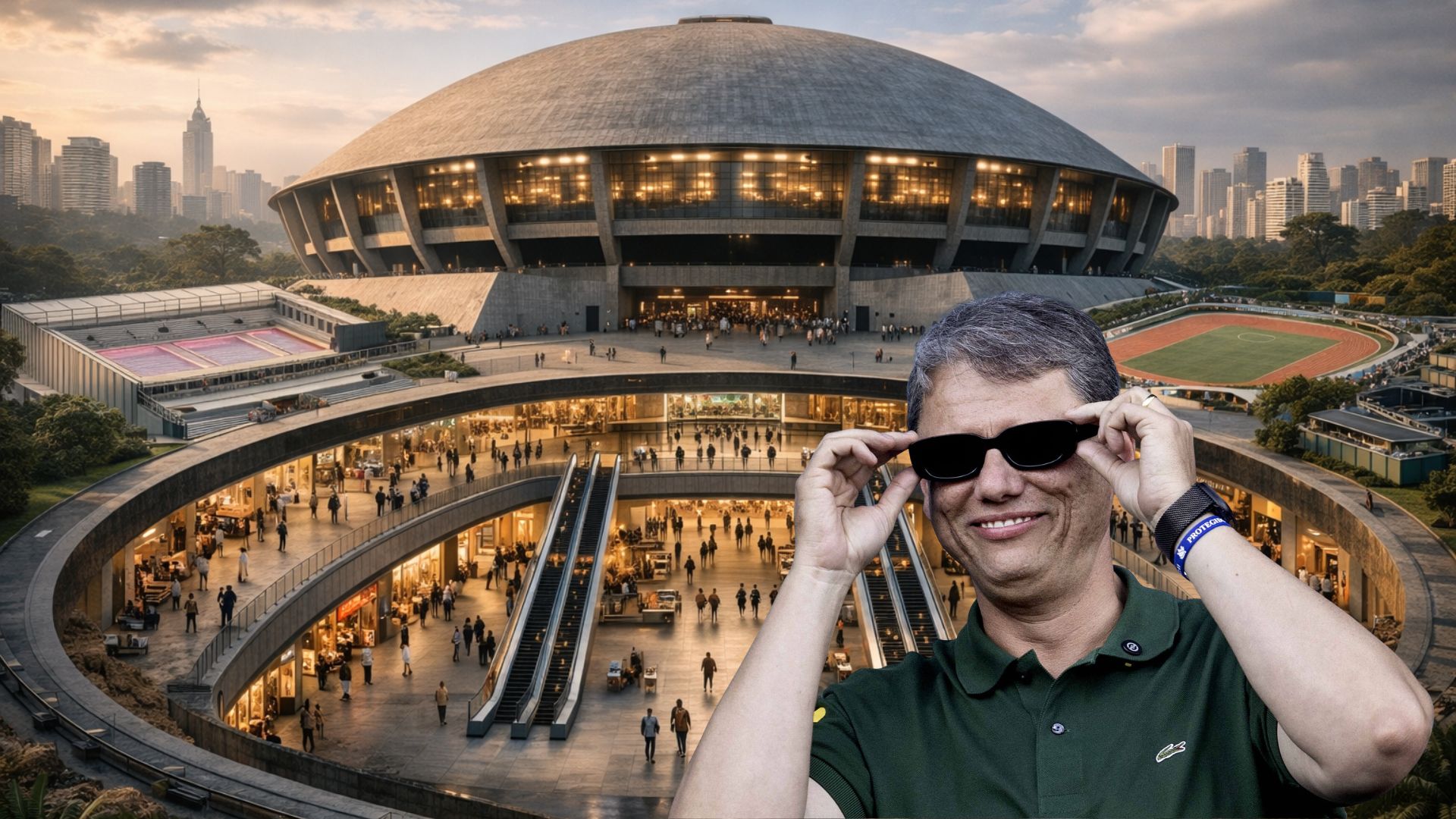
The government of São Paulo surprises South America with a plan to transform the famous Ibirapuera with underground shops, air conditioning, and a 25-year concession in a billion-dollar project that expands the audience, alters a protected area, and provokes an immediate reaction.
-
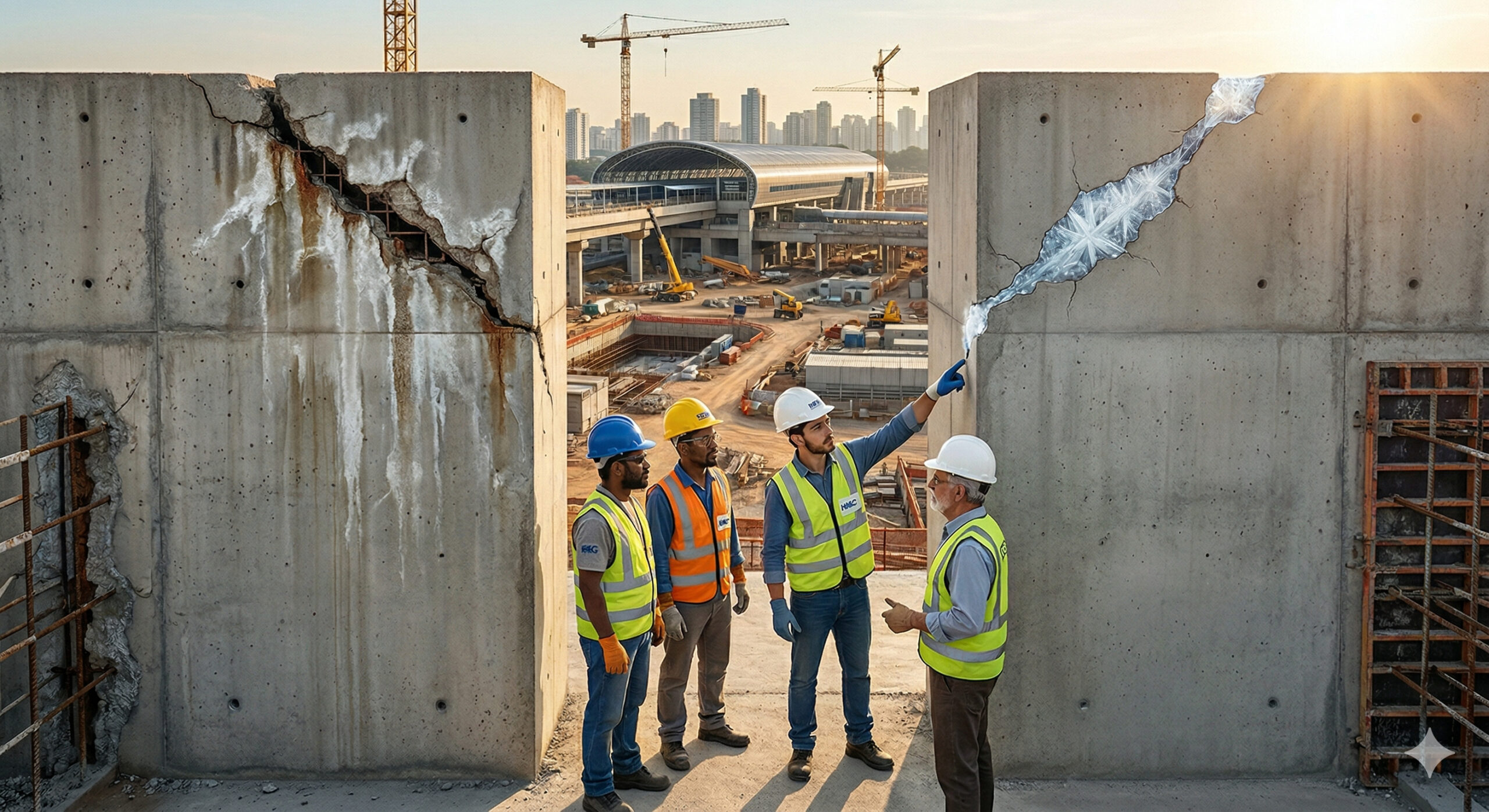
With a lifespan of up to 60 years and a cost up to 30% higher than conventional concrete, self-healing concrete is already being used in Brazil to eliminate leaks, reduce maintenance, and is changing the real cost of construction projects.
-
Engineered wood CLT challenges steel and concrete and promises construction that is up to 2x faster with a lower environmental impact in modern civil engineering.

The new bidding process advanced after the opening of the envelope from the only participant in the competition, held on March 3, 2026, and the expectation communicated by the city hall was to announce in the following days whether the proposal would be accepted.
Sena Madureira Tunnel and Connection with Ricardo Jafet
The original design of the project envisions two tunnels of about 1.6 kilometers each, with an underground connection between the Vila Mariana area and the Ricardo Jafet axis.
One of them would start from Rua Botucatu to Rua Mairinque.
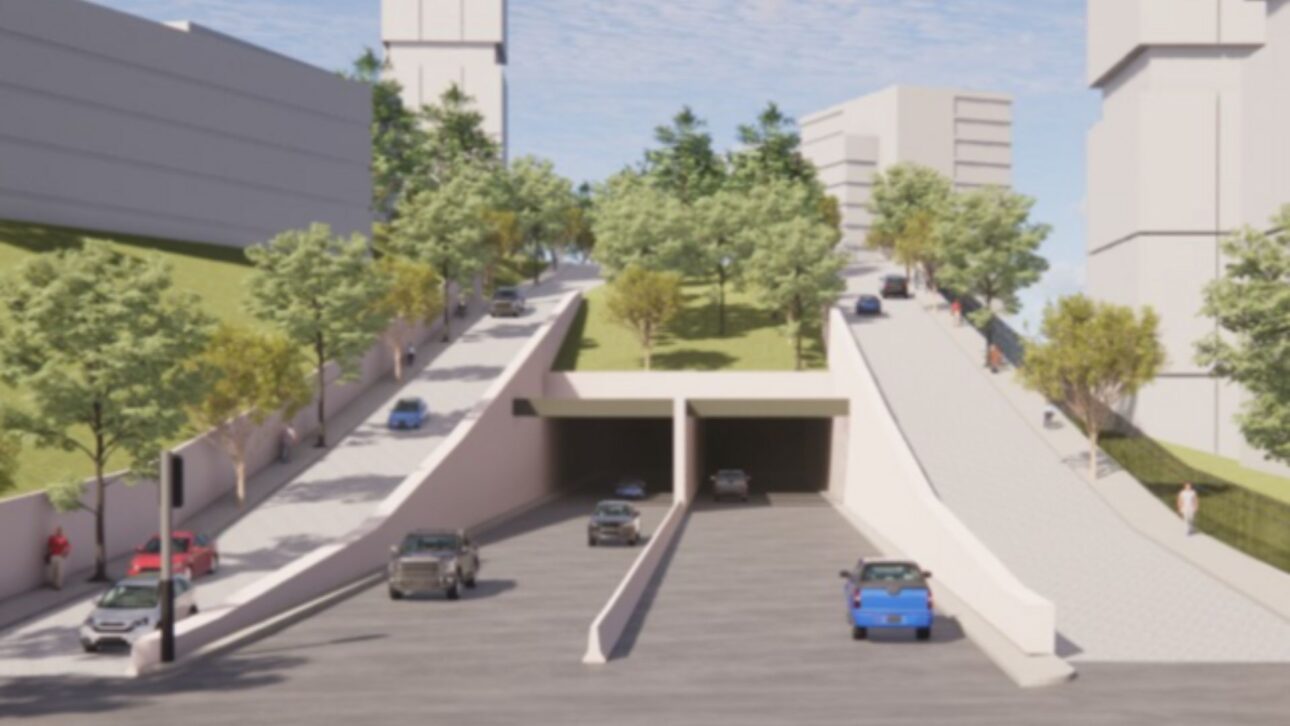
The other would go under Rua Domingos de Morais to Rua Embuaçu, near the avenue that gives access to important road corridors of the city.
In the official justification presented in public consultation, the city hall claims that the project aims to improve mobility, reorganize access, and reduce bottlenecks in a high-traffic area.
The material provided by the municipality also claims that the intervention could serve 800 thousand people per day, a number used as the main argument for resuming the project.
However, execution depends on administrative and legal steps.
Although the financial proposal has been known, the contract was not finalized at the time of the most recent data release.
This is because the public authority was still analyzing whether the value presented by the consortium was compatible with the parameters adopted by the administration for the project.
Old Project, Revised Contract, and New Bidding in São Paulo
The intervention did not start now.
The Sena Madureira tunnel is a project discussed for decades and has returned to the municipal government’s agenda after a previous attempt at implementation.
Part of the construction had already begun, but the contract linked to the previous phase was terminated after inquiries from the São Paulo Public Ministry and criticism regarding the regularity of the process.
The municipal administration then began to argue that it had conducted new studies and adjustments to the project design before launching another bid.
This redesign was presented in public hearings and open consultations by the city hall in 2025, when the administration claimed that the new version would reduce impacts and increase socio-environmental benefits compared to the previous model.
Among the changes reported, the city hall indicated that it reduced the extent of entrance and exit areas, decreasing the number of trees affected compared to the previous proposal.
The new material also began to foresee transplanting tree specimens and urban requalification in the immediate vicinity of the project, points used by the municipality to advocate for the resumption of the intervention.
Traffic Impacts and Doubts About Urban Mobility
From a traffic perspective, the municipal administration presents the tunnel as a solution to improve flow in one of the busiest axes of the South Zone.
The connection between Sena Madureira and Ricardo Jafet is seen by the municipal government as a way to reduce bottlenecks at signalized intersections and facilitate access between the Vila Mariana area and corridors towards Ipiranga and the Immigrant Highway.

However, the promise has not settled the controversy.
Residents, urban planners, and entities that monitored public hearings claim that the city hall prioritizes the circulation of cars without publicly and thoroughly demonstrating why the project would be the best alternative for the stretch.
In recent discussions, criticism also arose regarding the project’s adherence to urban mobility guidelines and the space allocated for public transport, cyclists, and pedestrians.
These questions gained traction because the tunnel returned to the agenda surrounded by old disputes.
The project has been the subject of environmental, urban, and legal battles, and three actions mentioned in reports from 2025 were still discussing aspects of the intervention, including licensing and impacts arising from execution.
The city hall, for its part, maintains that the new design updated the studies and preserves more trees than the previous configuration.
Residents, Removals, and Fear of Flooding in the Region
The greatest resistance to the project comes from communities that may be directly affected.
Reports published in 2025 indicated that over 200 families from the Sousa Ramos and Coronel Luís Alves communities were within the project’s impact radius, without a fully detailed definition about resettlement at the time the new project was presented to the population.
In public hearings, residents reported insecurity about the future of their homes and demanded from the city hall clear answers regarding compensation, housing assistance, and permanence in the region.
The administration stated that the first option would be to compensate those affected, and in case of refusal, offer permanent housing assistance, including the possibility of units in Sacomã.
Even so, the lack of a detailed timeline and individualized definition kept tension high around the project.
Aside from the risk of removals, the situation of the Coronel Luís Alves community exposed another layer of the problem.
Residents have reported recurrent flooding episodes during storms, with water entering homes and causing material damage.
This scenario has reinforced fears that a large-scale project, without sufficient clarifications regarding drainage and impact mitigation, could increase the vulnerability of those already living in sensitive situations in the affected area.
Tunnel Bidding Still Under Review by the City Hall
With the proposal of R$ 622 million now known, the next step is the administrative analysis of the offer and the completion of the formal phases of the bidding.
Only after that can the city hall confirm the contract and authorize the effective advance of the works.
As of now, the most recent scenario is one of project under evaluation, and not of a venture definitively released for full execution.
The case, therefore, remains divided between the promise of road gains and the pressure for clearer answers about urban, environmental, and housing impacts.
While the city hall insists on the importance of the underground connection between Sena Madureira and Ricardo Jafet, residents and experts continue to demand transparency regarding the costs, the true effectiveness of the intervention, and the fate of families living in the affected area.







É fundamental esse túnel, a partir das 14:00 hs. O trânsito na 23 de maio começar a travar por conta do excesso de veículos que seguem pela Sena Madureira, isso esse povinho **** que nem árvores tem nas casinhas onde moram, vem se intrometer com as poucas árvores ruins que tem no canteiro ridiculamente 1
largo.