





 English
  Francês
  Alemão
  Italiano
  Japonês
  Norueguês
  Portuguese
  Spanish
  5 min of reading
  0 comments


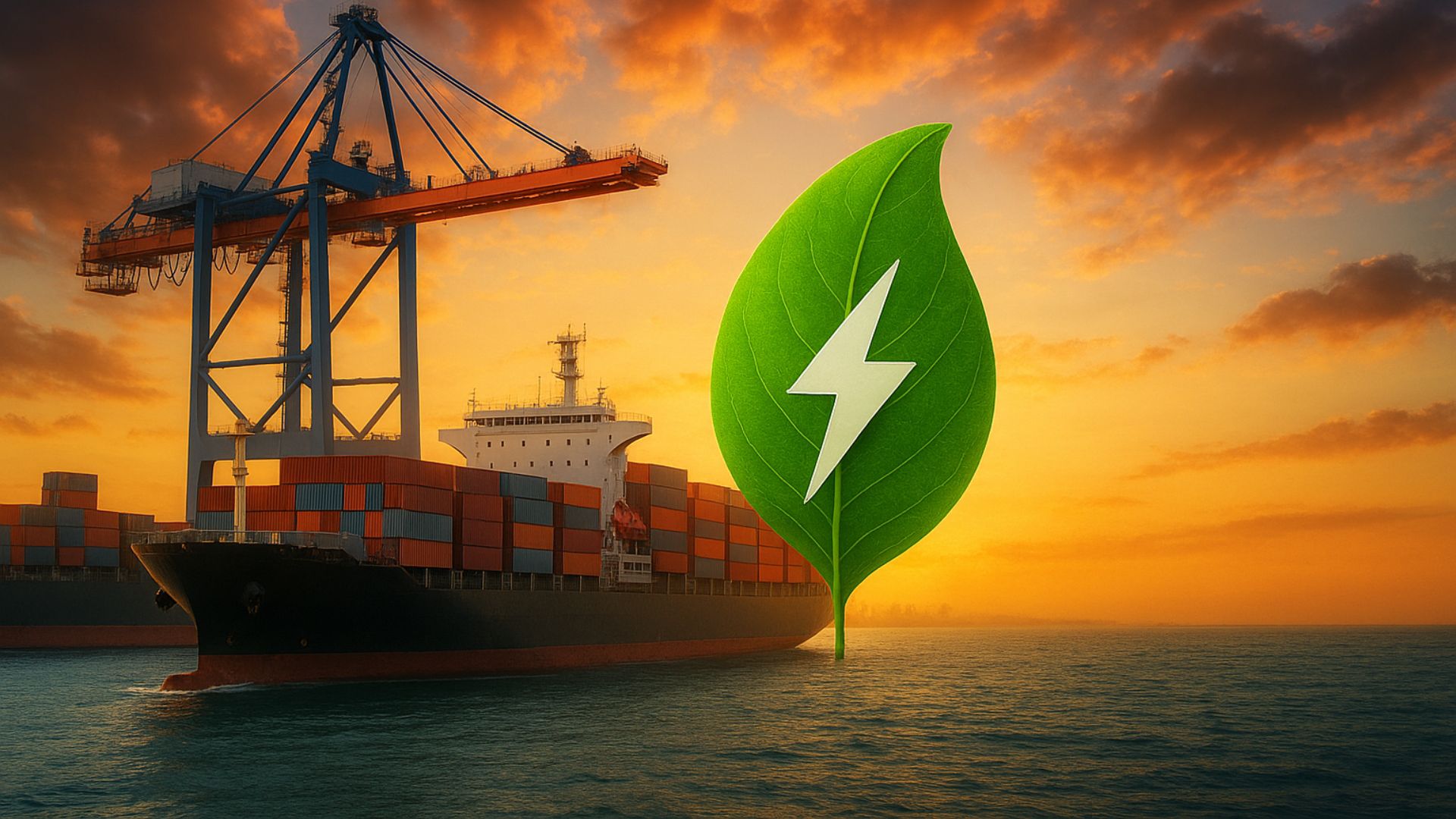
The Federal Government Launches Guidelines to Accelerate the Decarbonization of the Maritime Sector, with Actions Aimed at Modernizing Ports and Ships, Incentives for Sustainability, and Advances in the Energy Transition in the Country
On December 11, 2025, the Federal Government officially announced the creation of two national programs aimed at the decarbonization of ports and ships, establishing essential guidelines to reduce emissions and accelerate the energy transition in the Brazilian maritime sector. The measure, published by decree, consolidates the PND-Portos and the PND-Navigation, both structured by the Ministry of Ports and Airports (MPor) in partnership with various segments of the sector.
Guidelines for Decarbonizing Ports and Ships
According to a report published by Agência Eixos, since the first announcement, the government has emphasized that the programs were conceived collaboratively with different sector segments, reinforcing the commitment to broad, transparent, and data-driven policies. The ministry emphasized that decarbonization requires cooperation and integrated planning.
The PND-Portos and PND-Navigation were created to establish progressive goals and practical guidance for mitigating emissions. Both focus on transforming the operation of ports and ships, ensuring that the country advances towards sustainability and strengthens the energy transition in the maritime sector.
-
With earth, bamboo, straw, and lime mortar, a specialist builds a house for just over $460 and draws attention for its cost being much lower than traditional construction.

-
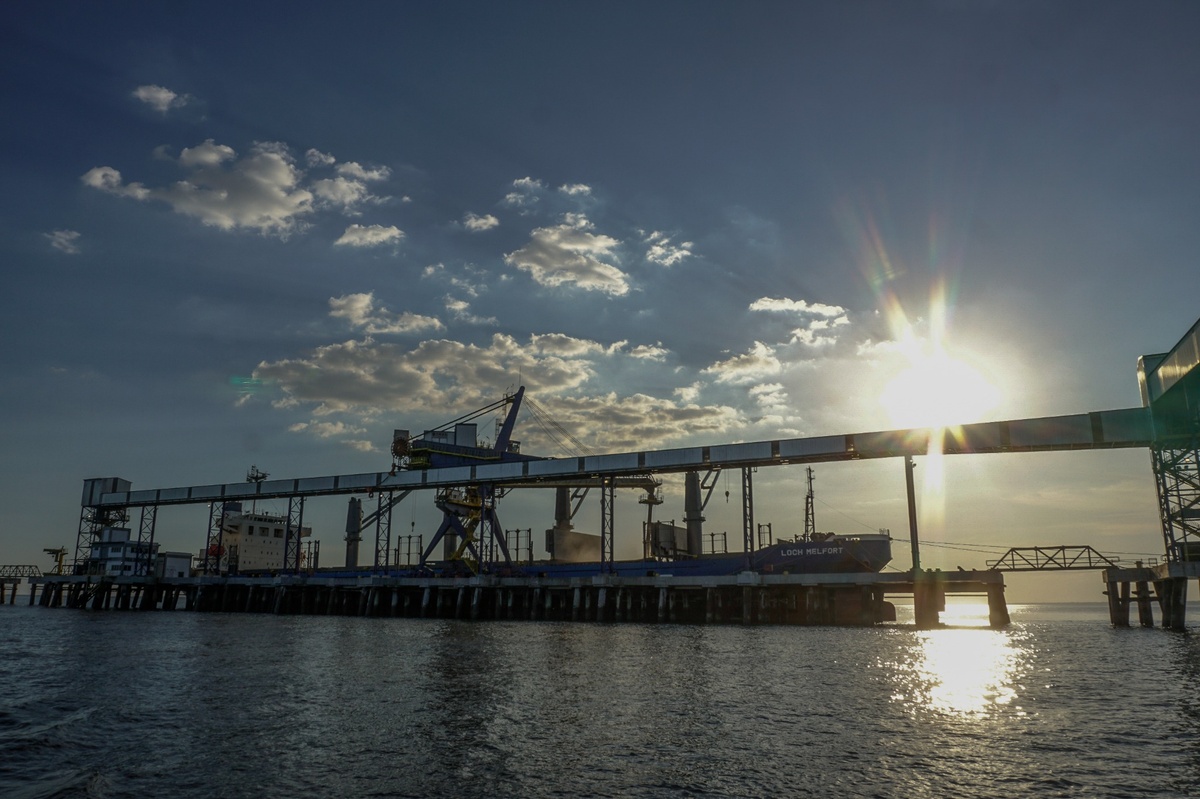
Private ports increased by 14.1% in January 2026 and lead port activity with 66% of the cargo, driven by oil, agribusiness, and exports.
-
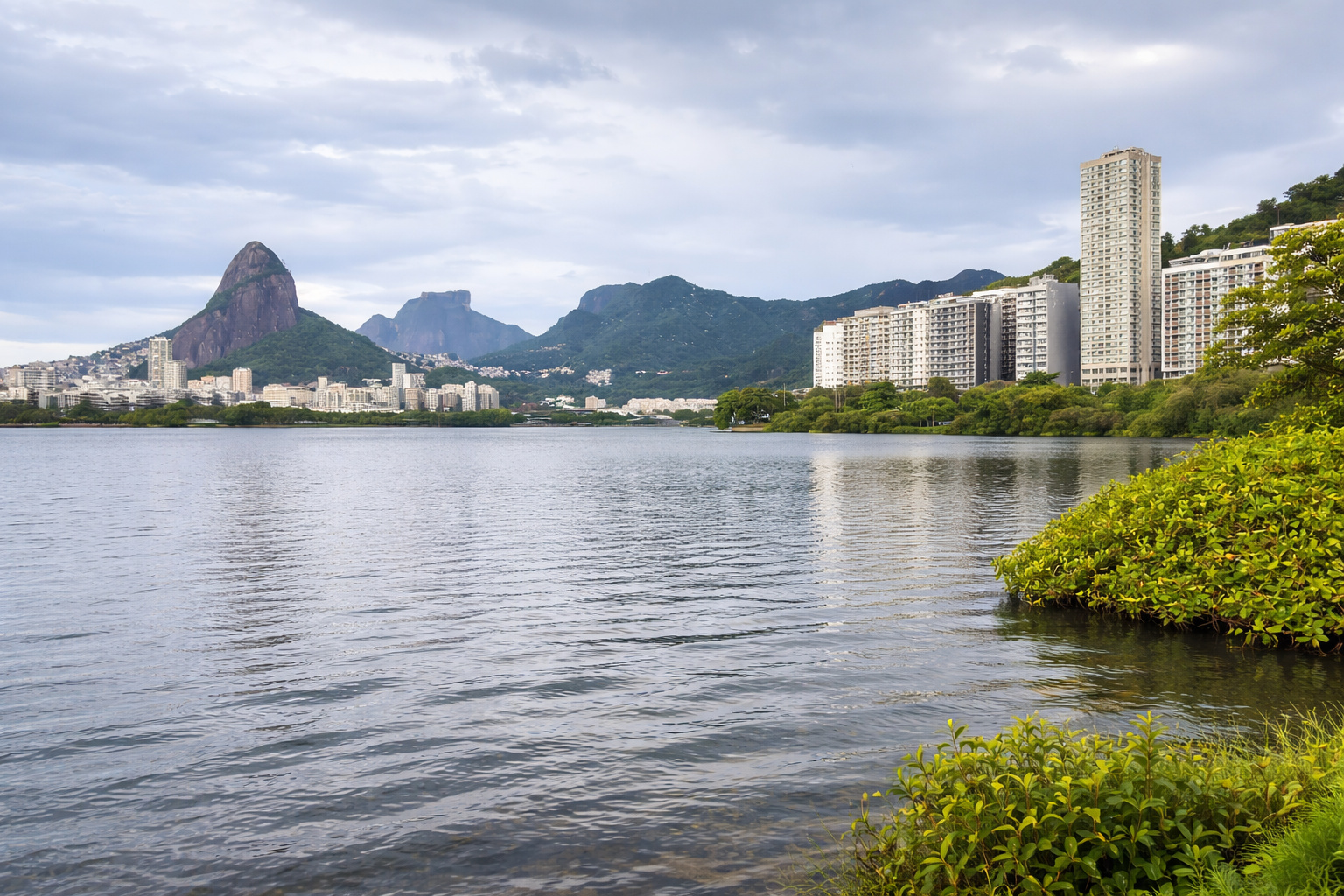
Rodrigo de Freitas Lagoon advances in environmental recovery with sanitation, elimination of irregular sewage, and the resumption of water sports in Rio de Janeiro.
-
Sustainable housing gains strength with a nationally awarded project in Campo Grande, highlighting innovative solutions that combine sustainability, urban integration, and efficiency in the use of natural resources.


Among the proposed measures are the implementation of clean technologies, increasing operational efficiency, promoting low-carbon fuels, and creating new incentive mechanisms. The decree also establishes that the secretariats of Ports and of Waterways and Navigation will have 365 days to publish the structural documents for the programs.
Although this is just the first step, this initial definition creates a necessary regulatory framework to align the country with global trends in sustainable maritime transport. The requirement for clear goals and periodic review reinforces the credibility of the initiative.
Reduction of Emissions in Ports and Ships According to Antaq
Recent data from the National Agency for Waterway Transportation (Antaq) show that the Brazilian maritime sector has already begun to make progress in emissions control. Between 2021 and 2023, there was a decrease of 7.68% in cabotage and inland navigation, dropping from 2.99 million tons of CO₂ to 2.76 MtCO₂.
Although the number still represents just the beginning of the journey, experts believe that this movement demonstrates the sector’s potential for transformation. With the new programs from the Federal Government, it is expected that mitigation initiatives will become more consistent, especially since the plans reinforce commitments to energy efficiency, sustainability, and technological innovation in ports and ships.
According to Antaq, Brazilian ports have already begun to adopt new solutions, such as hydrogen hubs, green corridors, and incentive systems for clean vessels. However, these advances now need to be integrated into robust national policies to create a lasting impact.
Growth of Movement Challenging Sustainability in the Maritime Sector
The advancement of decarbonization occurs while Brazilian ports operate with record volumes. According to projections from MPor, 2025 is expected to exceed the volume recorded in 2022 by 150 million tons, highlighting the strong national logistics growth.
Between January and October 2025, Brazil handled:
- Approximately 830 million tons in exports and imports;
- 190.8 million tons in cabotage;
- 115.4 million tons in inland waterways.
With this growth, the need to align economic expansion and sustainability becomes even more critical. The maritime sector remains strategic but requires planning that allows for emission reductions without compromising competitiveness.
Thus, the PND-Portos and PND-Navigation programs emerge precisely to balance these factors, providing technical and policy guidelines to modernize ports and ships, encourage clean practices, and reinforce the energy transition in one of the country’s most relevant sectors.
Challenges in the Policy for Sustainable Fuels for Ports and Ships
Although the decree represents an important advancement, one of the most anticipated topics by the market has yet to be included in the document: the national policy for sustainable maritime fuels. This policy is the responsibility of the Ministry of Mines and Energy (MME) and is still under development.
According to data from Agência Eixos, the technical report from the MME was completed in October but has not been published due to uncertainties in the international scenario, especially regarding the debate on emissions taxation in global maritime transport. The expectation is that, after adjustments, the policy will be incorporated into the Future Fuel program, with voting potentially occurring by 2026.
The integration of this policy with the newly created programs will be essential to broaden sustainability, ensure predictability for the private sector, and allow ports and ships to adapt their operations with regulatory security. Additionally, alignment will strengthen Brazil’s position in international discussions about the energy transition in the maritime sector.
Monitoring and Transparency as Pillars of the Federal Government
The decree stipulates that the proposed goals and actions must be constantly monitored, disclosed, and updated. This commitment from the Federal Government to climate governance ensures greater reliability to the programs and allows investors and port operators to track the evolution of indicators.
The process of continuous review is essential not only to ensure compliance with guidelines but also to adjust the programs based on technological advancements and international requirements. Furthermore, it reinforces the need for ports and ships to adopt operational standards aligned with sustainability, strengthening the role of the energy transition in national development.
Strategic Importance for the Future of the Brazilian Maritime Sector
The announcement of the PND-Portos and PND-Navigation represents a decisive movement to reposition Brazil in the global logistics and sustainable energy scenario. As international maritime transport accelerates its own decarbonization agenda, countries that anticipate this transformation tend to attract more investments, increase competitiveness, and reduce economic risks.
In the national context, the programs can modernize structures, encourage innovation, strengthen low-carbon practices, and ensure that ports and ships in Brazil keep pace with global climate requirements. This advancement will be crucial to consolidating sustainability and driving the energy transition throughout the maritime sector, preparing the country for future challenges.









Seja o primeiro a reagir!