





 Portuguese
  English
  Spanish
  2 min of reading
  0 comments


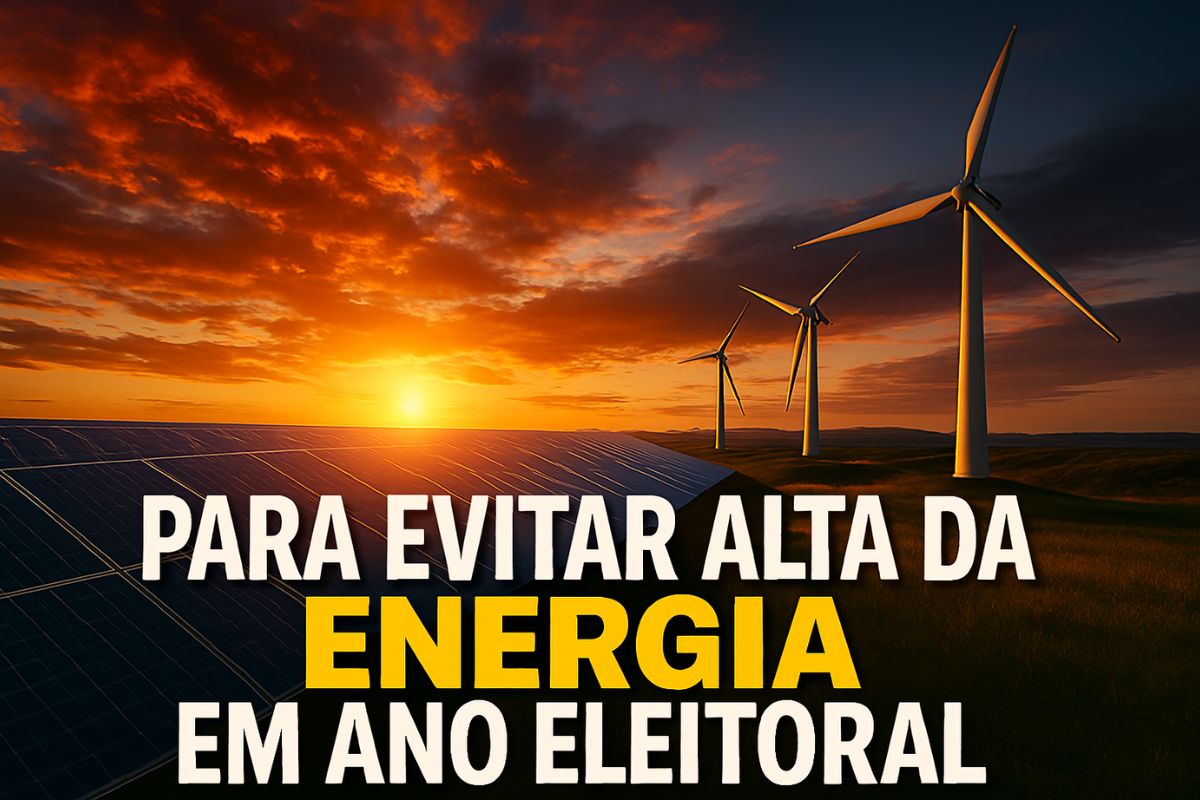
To Ensure Energy Prices in an Election Year, Government Aims to Reduce Cuts in Solar and Wind Plants. Measure Could Relieve Consumers’ Burden and Benefit the Northeast.
With the risk of electricity bills weighing on Brazilians in 2025, the government has decided to act. The strategy? Use more clean energy. The proposal is simple and smart: reduce the cuts imposed on wind and solar plants, mainly in the North and Northeast, to increase supply and stabilize tariffs.
The measure comes amid an election year and is likely to please consumers and the renewable sector. In January, about 10% of the energy generated from these sources was simply cut due to technical issues. Now, the idea is to harness this potential instead of wasting it.
Why Cut Renewable Energy?
Yes, this happens. Even with the sun shining and strong winds blowing, solar and wind plants do not always deliver all the energy they produce. This is because the Brazilian electricity system has technical limitations, such as bottlenecks in the transmission network or imbalances in supply and demand.
-
With over 1 million bottles per year and 1.2 million vines, winter wines are advancing and gaining a strategic laboratory worth R$ 3.4 million in the Midwest.

-
Elderly individuals aged 65 or older who have never contributed to the INSS can receive R$ 1,621 per month in 2026 without having paid any contributions in their lifetime: learn how the benefit works that already supports nearly 7 million Brazilians.

-
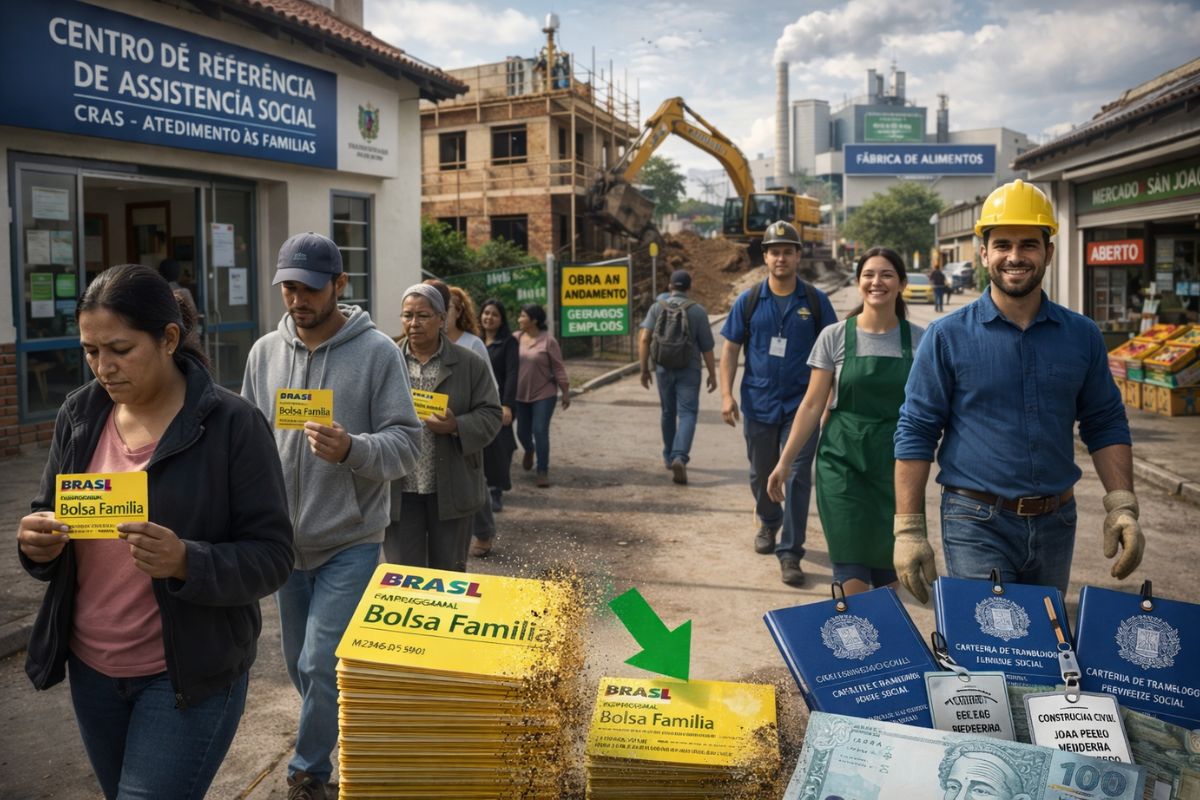
The gaucho city reduced the number of Bolsa Família beneficiaries by almost 40% in just a year and a half with active outreach that connects each registered person directly to job vacancies in Bento Gonçalves in Rio Grande do Sul.
-
The bluest city in Brazil has just gained a new floating bridge for the free crossing between the island and the mainland, connecting residents and visitors to the historic center of São Francisco do Sul every day of the week.


Just in 2024, over 8,000 MW of renewable capacity remained idle due to lack of flow — enough energy to supply millions of homes. The government wants to change this scenario by adjusting the rules to allow more energy to reach the final consumer.
Cleaner and Cheaper Energy
With the easing of restrictions, solar and wind energy generation is expected to increase, reducing the need to activate thermal plants — expensive and polluting. And this directly impacts the tariff.
Today, subsidies in the electricity sector already exceed R$ 40 billion, an amount that ends up on consumers’ bills. The idea is that, with more renewable energy flowing through the system, operational costs will decrease and help contain the increase in electricity bills.
The Northeast at the Center of Transformation
The North and Northeast regions are the largest producers of solar and wind energy in the country. Ceará, Rio Grande do Norte, Bahia, and Piauí are already leading renewable generation, with plants operating all day — or nearly so.
With the measure, these regions gain even more prominence in the Brazilian energy matrix. And consumers also benefit: more production, more supply, and, hopefully, lower tariffs.
The Sector Supports, but Demands Infrastructure
Companies in the renewable sector celebrated the initiative but remind us that infrastructure is still lacking. For energy to reach where it’s needed, the country must invest in new transmission lines, especially in areas where generation grows faster than the capacity to transport it.








Seja o primeiro a reagir!