Portuguese
  Spanish


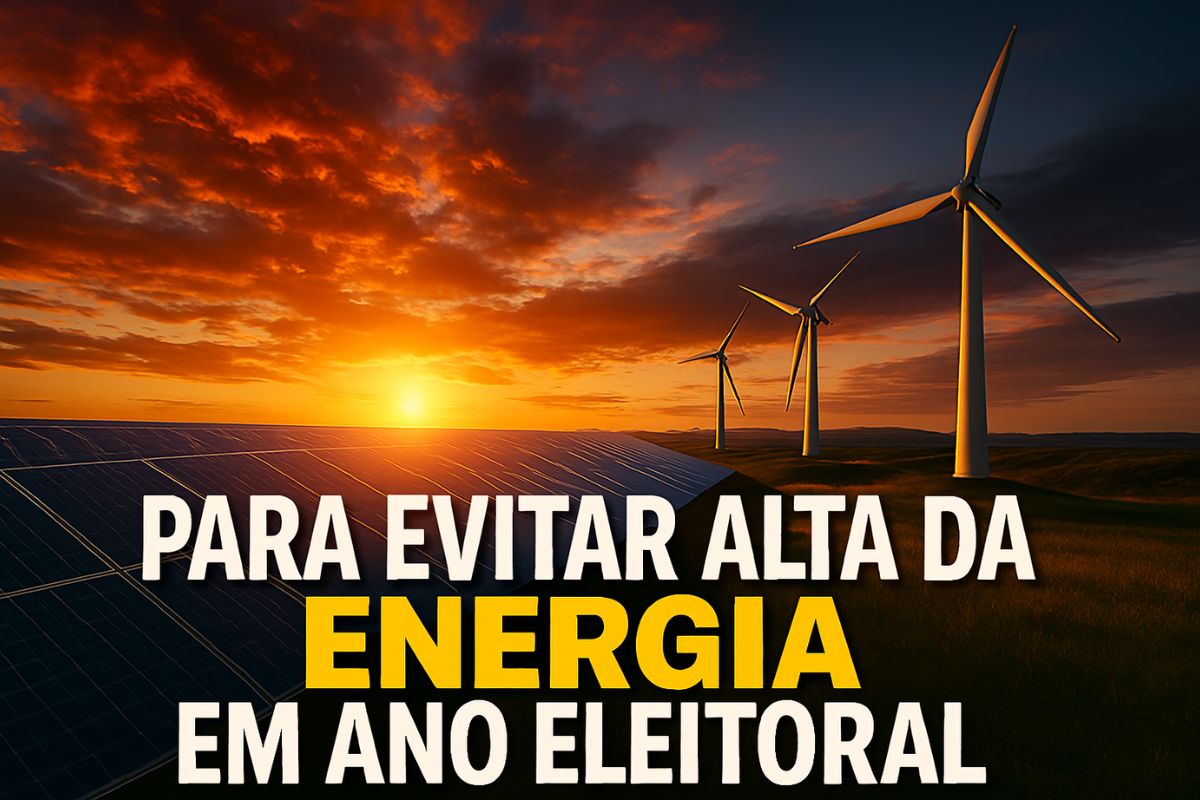

To Ensure Energy Prices in an Election Year, Government Aims to Reduce Cuts in Solar and Wind Plants. Measure Could Relieve Consumers’ Burden and Benefit the Northeast.
With the risk of electricity bills weighing on Brazilians in 2025, the government has decided to act. The strategy? Use more clean energy. The proposal is simple and smart: reduce the cuts imposed on wind and solar plants, mainly in the North and Northeast, to increase supply and stabilize tariffs.
The measure comes amid an election year and is likely to please consumers and the renewable sector. In January, about 10% of the energy generated from these sources was simply cut due to technical issues. Now, the idea is to harness this potential instead of wasting it.
Why Cut Renewable Energy?
Yes, this happens. Even with the sun shining and strong winds blowing, solar and wind plants do not always deliver all the energy they produce. This is because the Brazilian electricity system has technical limitations, such as bottlenecks in the transmission network or imbalances in supply and demand.
-
Major Appliance Manufacturer Closes Factory in Argentina, Shifts Production to Brazil, and Restructures in Latin America with Mexico Closure, Investing Up to $165 Million

-
China to Revive $3.6 Billion Mega-Dam Project in Myanmar, Stalled Since 2011, Promising 6 GW Capacity and Completion in Eight Years

-
Foreign Company Wins Auction for Brazil’s First Immersed Tunnel, a $1.3 Billion Project with $14 Million Contract Under Federal Investigation

-
China’s Century Megaproject Wows the World: Massive Water Transfer Network Moves Water from Wet South to Arid North, with Ambitious Plans in the Tibetan Plateau Involving Giant Tunnels at Altitudes up to 4,000 Meters



Just in 2024, over 8,000 MW of renewable capacity remained idle due to lack of flow — enough energy to supply millions of homes. The government wants to change this scenario by adjusting the rules to allow more energy to reach the final consumer.
Cleaner and Cheaper Energy
With the easing of restrictions, solar and wind energy generation is expected to increase, reducing the need to activate thermal plants — expensive and polluting. And this directly impacts the tariff.
Today, subsidies in the electricity sector already exceed R$ 40 billion, an amount that ends up on consumers’ bills. The idea is that, with more renewable energy flowing through the system, operational costs will decrease and help contain the increase in electricity bills.
The Northeast at the Center of Transformation
The North and Northeast regions are the largest producers of solar and wind energy in the country. Ceará, Rio Grande do Norte, Bahia, and Piauí are already leading renewable generation, with plants operating all day — or nearly so.
With the measure, these regions gain even more prominence in the Brazilian energy matrix. And consumers also benefit: more production, more supply, and, hopefully, lower tariffs.
The Sector Supports, but Demands Infrastructure
Companies in the renewable sector celebrated the initiative but remind us that infrastructure is still lacking. For energy to reach where it’s needed, the country must invest in new transmission lines, especially in areas where generation grows faster than the capacity to transport it.