





 Portuguese
  English
  Spanish
  5 min of reading
  1 comment


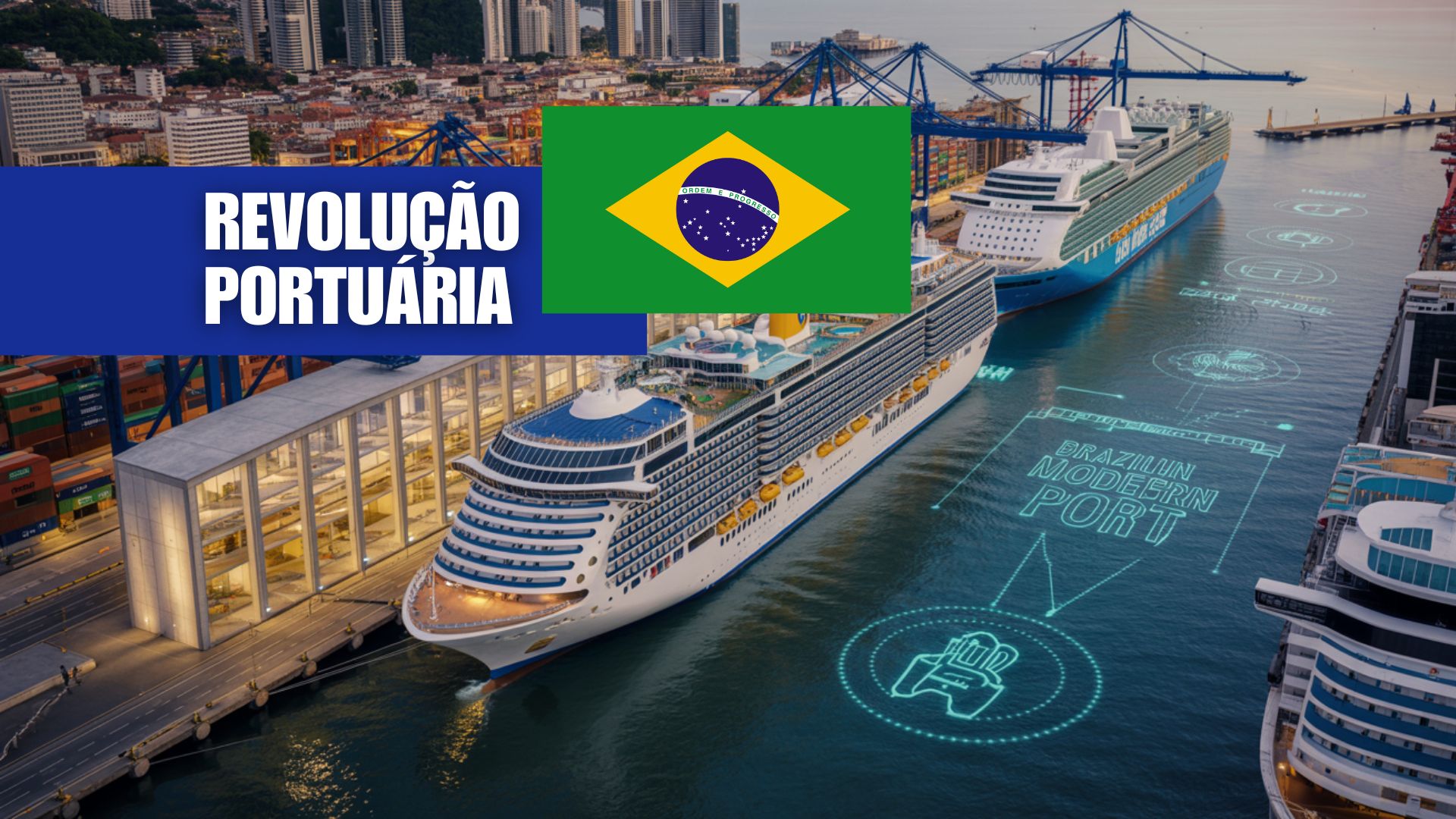


Government Announces Billion-Dollar Investments to Modernize Ports with New Terminals, Auctions in the Northeast, and Biometric Boarding, in a Package that Includes Improvements in Santos, Paranaguá, and Outeiro, as Well as Digital Integration with Federal Agencies.
The Ministry of Ports and Airports detailed, this Friday (12/9), a plan to inject around R$ 1 billion into the expansion and modernization of passenger terminals in ports across the country.
The initiative combines new auctions in the Northeast, a large-scale project in Santos, and the adoption of biometric boarding starting in October, focusing on efficiency gains and attracting cruise ships.
Auctions in the Northeast to Increase Cruise Capacity
The most immediate portfolio involves the terminals of Maceió and Recife.
-
“No one will make us change the Pix,” says Lula after the US report.

-
Lula responds directly to Trump and says that Pix is from Brazil and will not change under pressure from anyone, after a report from the United States pointed out the Brazilian payment system as an American trade barrier.

-
Amazon has just announced a new fee on all deliveries, and your online purchases will become more expensive starting April 17, including for those buying from the United States here in Brazil.

-
He sold his share for R$ 4 thousand, saw the company become a giant worth R$ 19 trillion, and missed the opportunity of a lifetime.


According to the government, the auction for the passenger terminal in Maceió is scheduled for October 22, at B3 in São Paulo.
The concession contract stipulates a term of 25 years and an estimated investment of R$ 3.7 million, aiming to adapt the port to accommodate vessels of up to 300 meters in length.
In the case of Recife, the bidding remains scheduled for 2025, subject to approval by the Federal Court of Accounts.
The National Secretary of Ports, Alex Ávila, stated that the team awaits the TCU’s approval to define the date: “Our expectation is to have the release (…) so we can also set the date,” he said.
The outline of these two processes takes into account integration with Salvador and Fortaleza, forming a cruise circuit in the Northeast.
The evaluation of the ministry is that the coordinated infrastructure offering will facilitate route planning by companies, directly impacting regional tourism flows.
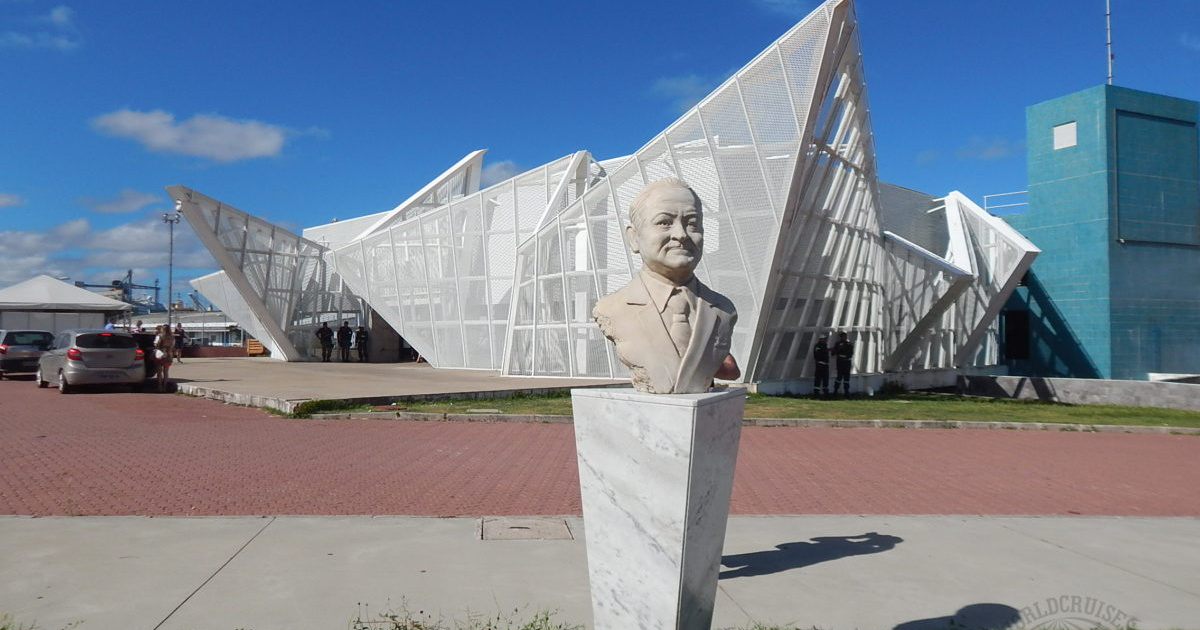
New Terminal in Santos Tied to Tecon 10
The Port of Santos appears as a modernization hub in the Southeast.
The expansion of the passenger terminal was linked to the auction of the container terminal Tecon 10, scheduled for December.
As a contractual counterpart, the winner must invest over R$ 800 million in the construction of a new terminal at Parque Valongo, connected to the historic center.
The proposal aims to enhance the boarding and disembarking experience, as well as improve the relationship between the port and the city, with more efficient access and urban integration.
According to the Ministry, the bet on Santos considers the position of the complex as the country’s main port hub and the trend towards larger cruise ships.
The expansion of berths and support areas, combined with digital processes, aims to reduce waiting times and make the destination more competitive in cruise lines’ calendars.
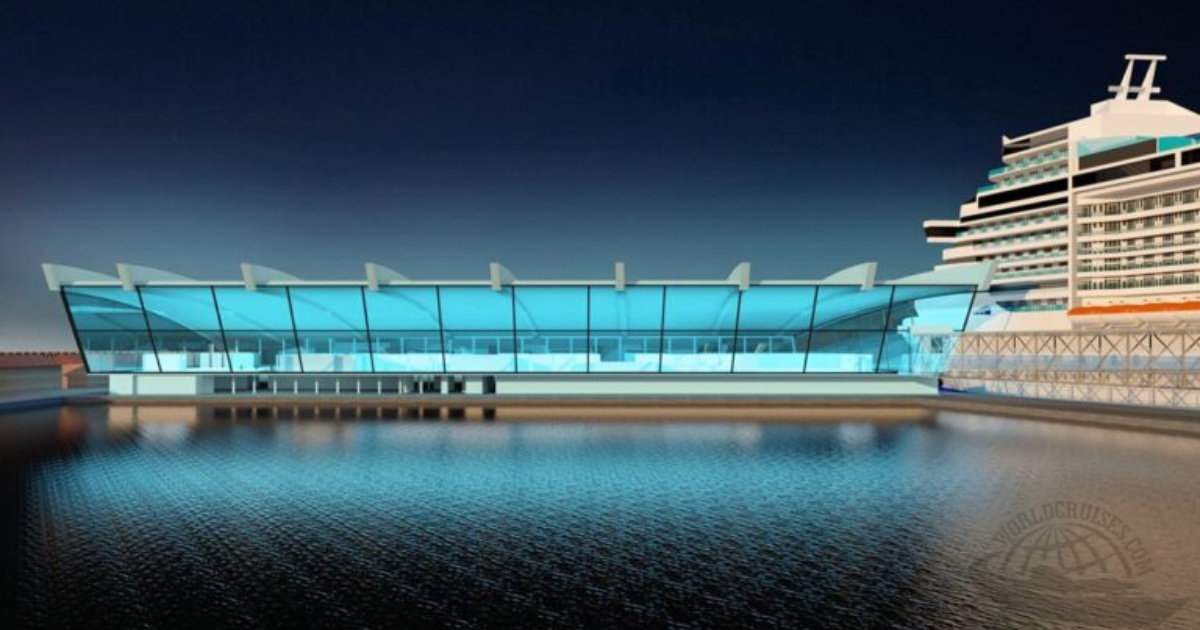
Projects and Studies in the South and North
While the auctions in the Northeast and the São Paulo project follow defined paths, other fronts remain under analysis.
In Paranaguá (PR), there is an expectation for the implementation of a new passenger terminal, currently in the study phase, with support from the state government.
The local objective is to diversify the port’s vocation, traditionally linked to grains and containers, and capture part of the projected growth of the cruise season.
In Outeiro (PA), the modernization of the terminal has been accelerated to accommodate ships during the COP-30, which will take place in Belém in November.
The undertaking receives around R$ 180 million and has been designed for the temporary increase in demand that usually accompanies major multilateral events, in addition to leaving a legacy of infrastructure for regular operations in the metropolitan region.
Maritime Tourism as an Economic Vector
The government sees the cruise industry as a vector to boost national tourism and diversify local economies.
The minister Silvio Costa Filho stated that the preparation of the passenger terminal auctions aims to “improve port infrastructure and promote maritime tourism in Brazil.”
The expectation with the investments is to create conditions to receive more ships, increase visitor movement and better distribute the flows beyond the major capitals.
The strategy also relies on connections with cultural and historical attractions.
In Santos, the location of the new terminal at Parque Valongo aims to bring tourists closer to urban heritage, encouraging longer stays and higher average spending in the city.
In Maceió and Recife, integration with airports and service networks is considered crucial to meet peak demand during stops.
Biometrics Digitizes Boarding from October
Starting in October, cruise companies will have access to a facial recognition tool to expedite boarding.
The solution, based on the Paperless Port (PSP) system, will allow for early check-in and integrate information with Anvisa, Federal Police, and Navy, reducing manual checks and increasing security levels.
The ministry estimates that it will serve over 800,000 passengers per year, with operational gains especially on days of passenger changes.
In addition to biometric boarding, the PSP centralizes authorizations and documents that previously circulated in a fragmented manner.
Digitalization reduces rework, standardizes procedures among different terminals, and facilitates audits by state agencies.
In the medium term, the ministry bets that operational predictability will weigh heavily in the routing of cruise lines, which calibrate stops according to port capacity.
Deadlines, Investments, and Next Steps
With Maceió already on the B3 schedule and Recife awaiting the TCU, the government indicates that the bidding stage for the Northeast will be concluded in sequence.
In Santos, the trigger for the new terminal is at the conclusion of Tecon 10 in December, whose modeling includes investment counterparties.
Paranaguá and Outeiro follow distinct procedures: the former is in studies for the construction of a terminal dedicated to passengers; the latter has ongoing modernization works to accommodate ships during the COP-30.
In the budget cut, the total of initiatives reaches around R$ 1 billion, combining concession values, counterparts, and public investments in technology.
The detailing by project varies according to the notices and authorizations of the control agencies.
The ministry’s guidance is to seek contractual solutions that ensure maintenance, equipment upgrades, and service standards compatible with the sector’s growth.
As the processes advance, coordination with states and municipalities is seen as essential to facilitate access, security, local traffic, and tourist services.
The preparation of cities for peak movement includes signage, workforce training, and integration with public transport, measures considered essential to transform short calls into measurable economic impact.


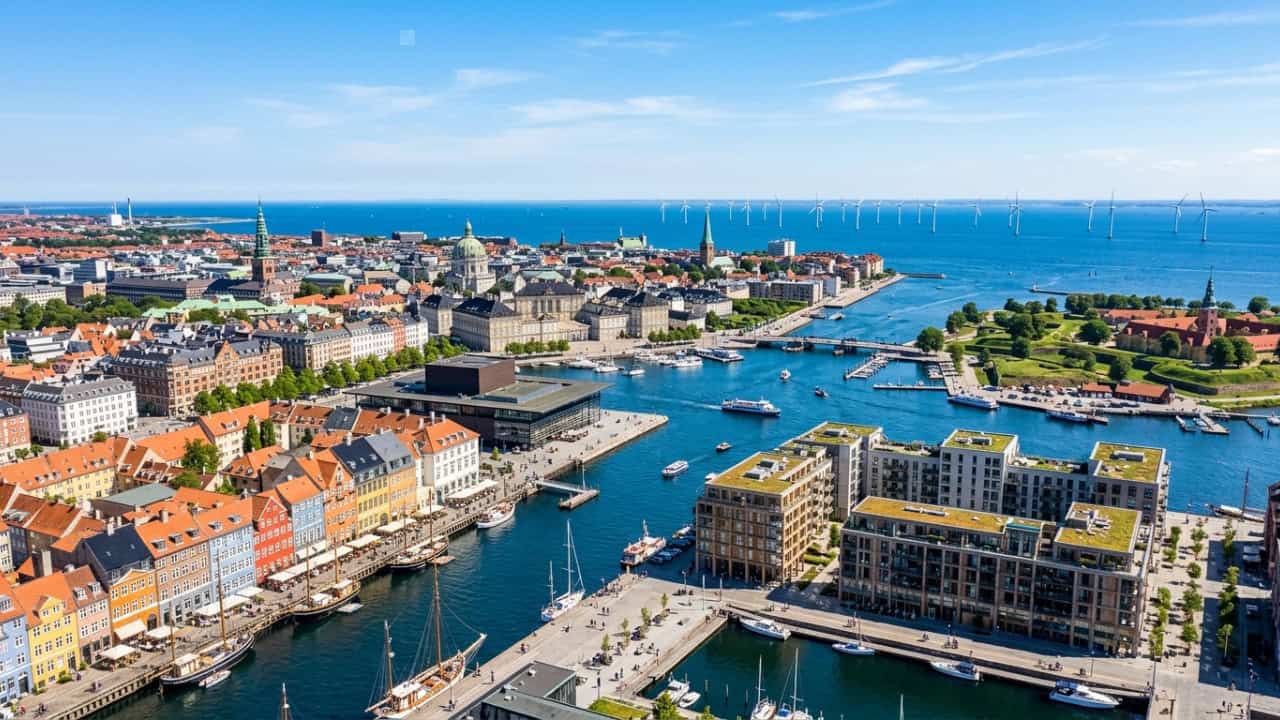




Turista internacional quer conhecer o Rio de Janeiro e não Santos. Não adianta reformar portos e não mudar a legislação em diversos pontos. Um deles a famigerada obrigação de contratar tripulantes brasileiros. Se não mudar, as melhores companhias vão continuar longe daqui.