





 Portuguese
  English
  Spanish
  5 min of reading
  1 comment


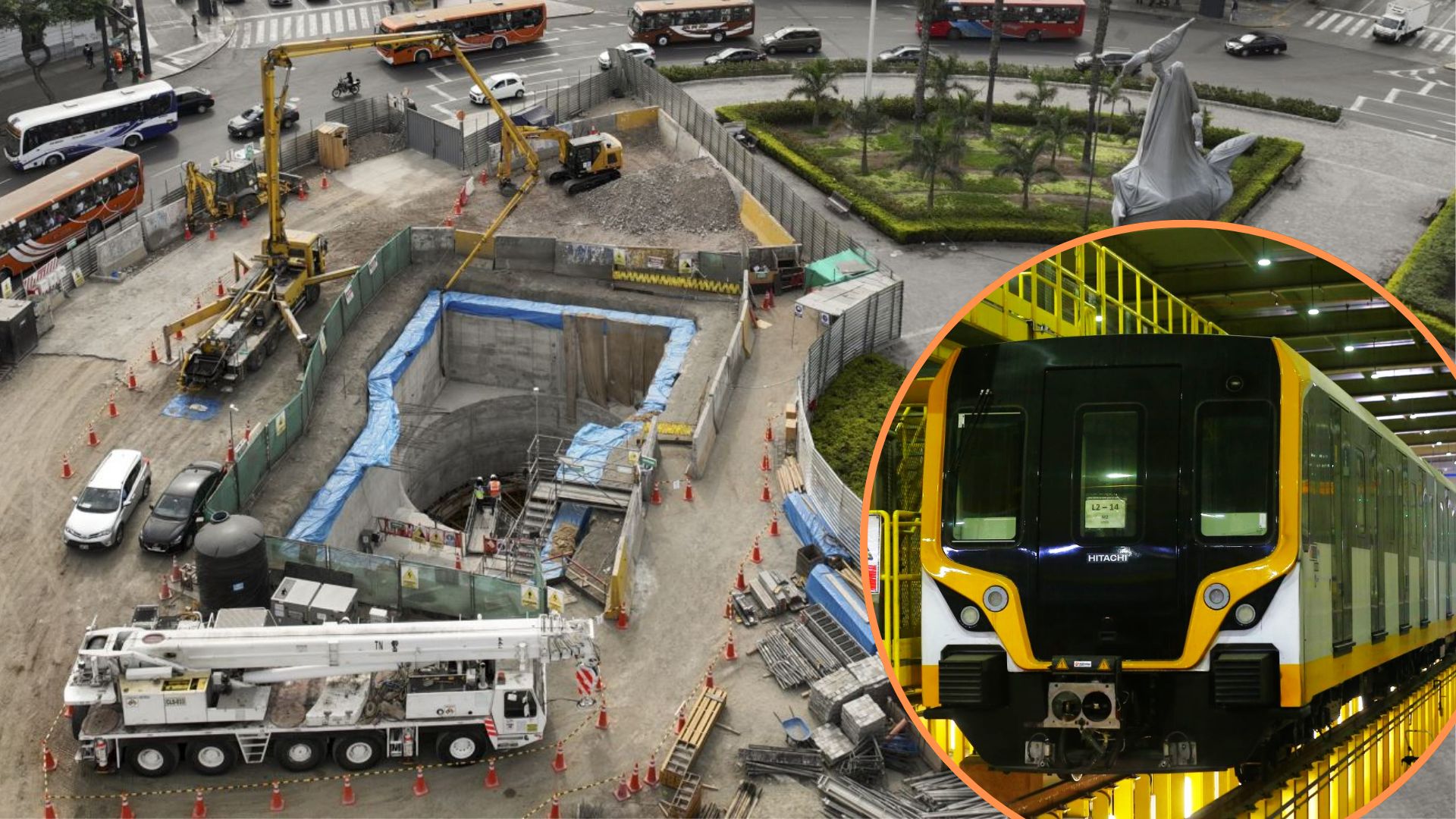


The Underground Mega Project in Lima Enters Its Most Decisive Phase After More Than a Decade of Construction, With Accelerated Progress in Tunnels, Tracks, and Automated Systems. Expansion of Line 2 Brings Closer to a New Operational Phase and Reinforces Peru’s Billion-Dollar Bet to Transform Urban Mobility Between Ate and Callao.
The Line 2 of the Lima and Callao Metro has entered a decisive phase after more than ten years of construction, with simultaneous advances in operational and civil fronts that have repositioned the project among the most relevant urban initiatives in South America.
The Peruvian regulator Ositrán reported on February 26, 2026, that stage 1B, consisting of 16 stations between Plaza Bolognesi and Municipalidad de Ate, has achieved 85% of the requirements necessary to begin operations, while the Ministry of Transport and Communications of Peru recorded, in January, 99% advancement in civil works in the western section of this phase.
The new milestone was reached after the opening of the first segment with passengers, which marked the debut of the first underground train in operation in the country.
-
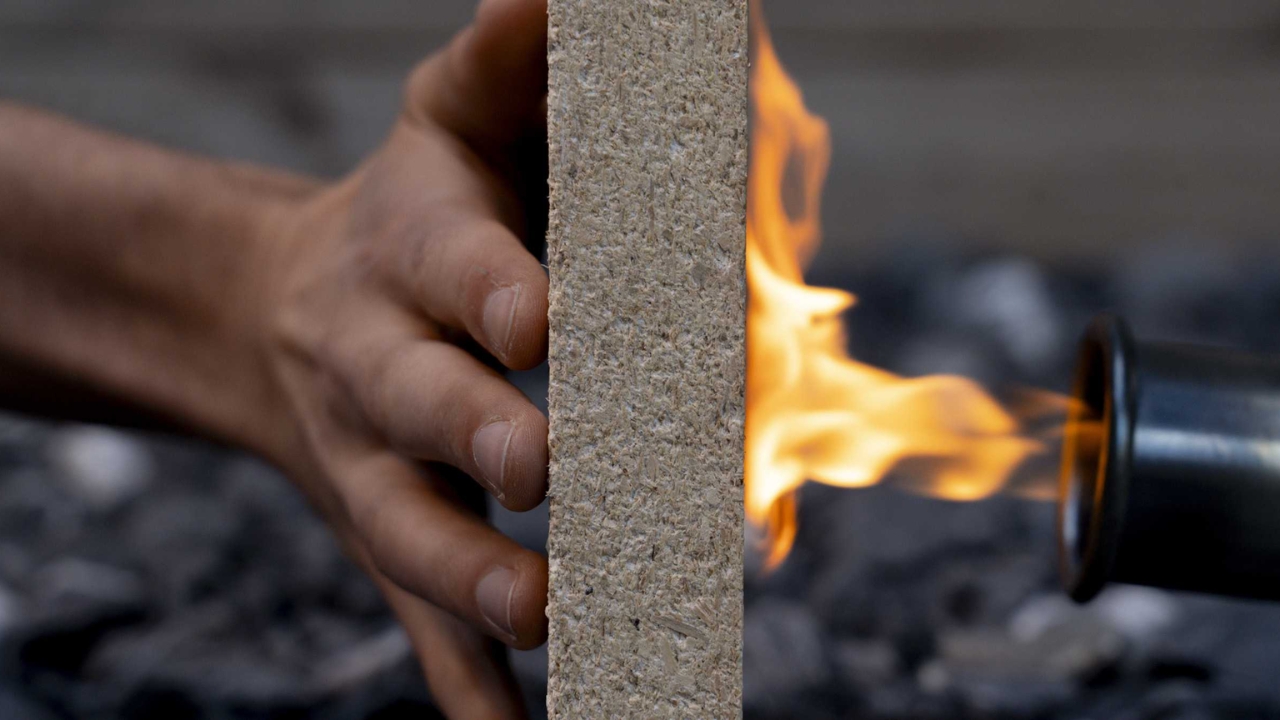
Scientists transform sawdust into fire-resistant panels, stabilize the compound with an enzyme extracted from watermelon seeds, and turn waste into promising material for construction.
-
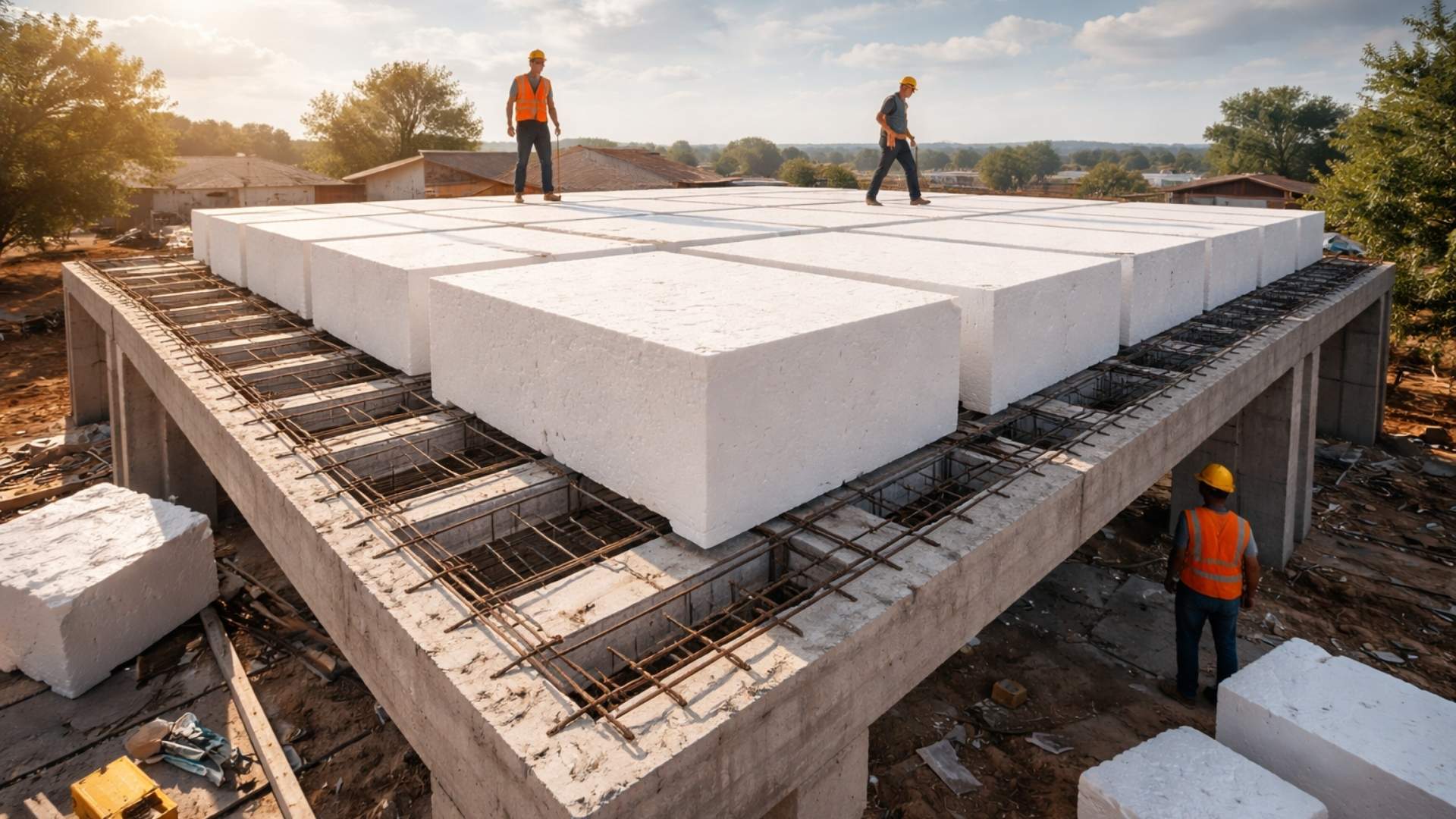
Forget concrete: architects are replacing tons of concrete with giant blocks of expanded polystyrene to build the roofs of houses and reduce structural weight by up to 50%, cut costs, improve thermal insulation, and speed up construction.
-
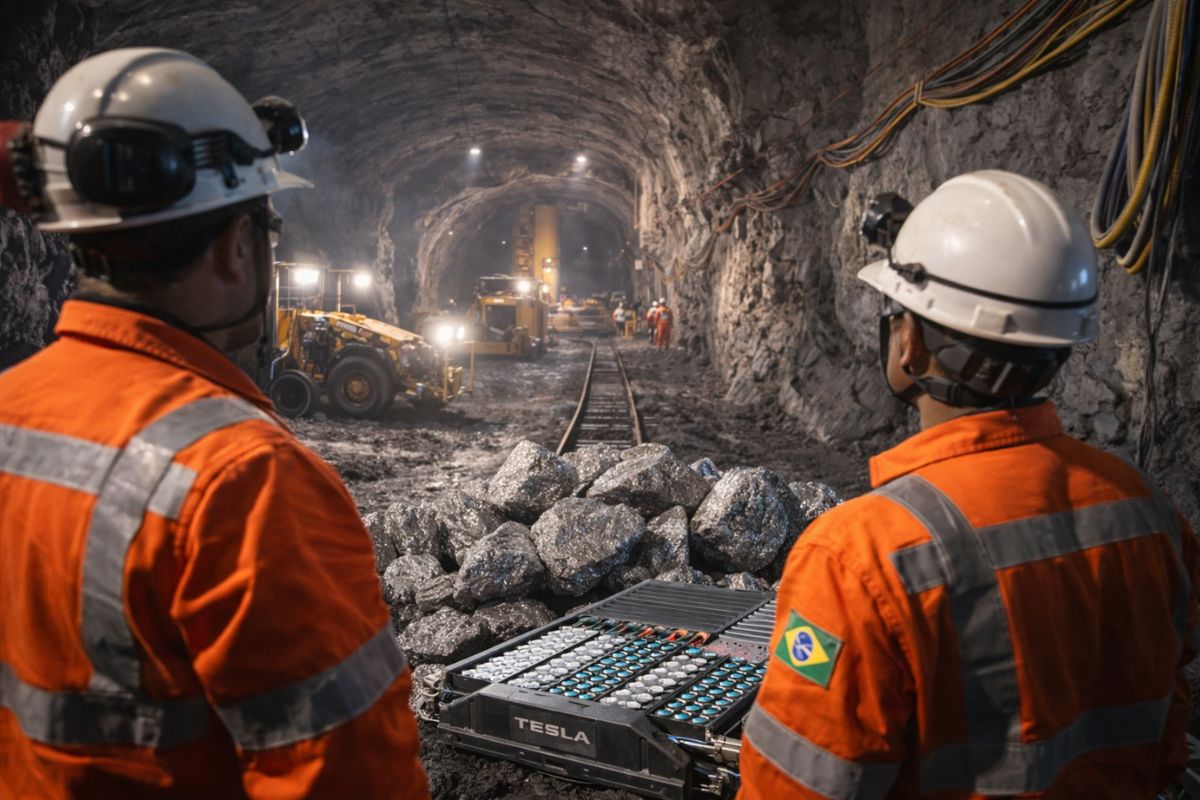
The Brazilian state enters the center of the global race for critical minerals by starting the construction of the largest underground nickel mine in Latin America, a mineral essential for electric car batteries that the entire world is competing for at this moment.
-
New CCR concrete paving technology promises roads up to 3x more durable, less maintenance, and cost reduction in Brazil.

On December 21, 2023, operations began for stage 1A, with five stations between Mercado Santa Anita and Evitamiento, in an initial stretch of just over four kilometers that served as a basis for the expansion of the remaining line.
Progress of Work and Structure Already Completed of Line 2
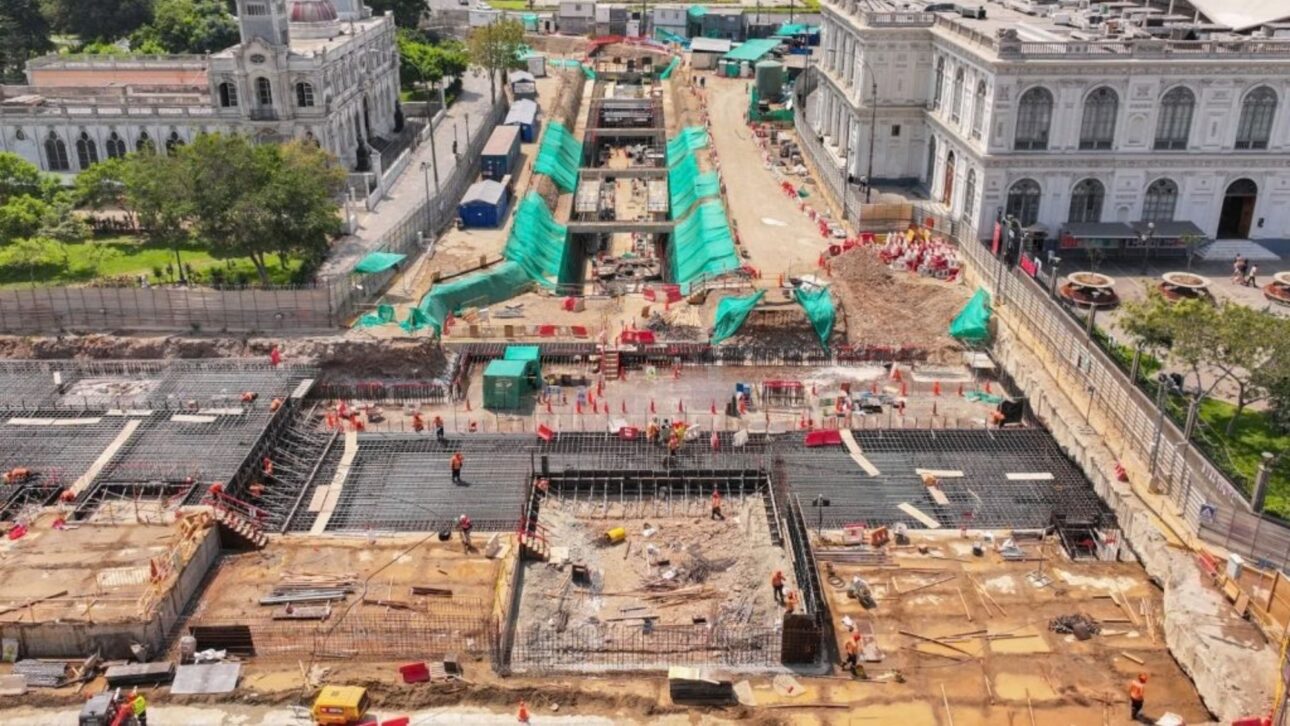
At the most recent stage, the focus of the authorities has been on stage 1B because it represents the next concrete expansion of the service.
According to Ositrán, the connecting tunnels and the train running surface in this section have already reached 100% implementation, and the most sensitive pending items are concentrated on electrical systems, non-railway installations at the stations, and thousands of tests linked to system automation.
The Ministry of Transport detailed, on January 22, 2026, that the installation of the railway superstructure of stage 1B has been completed on the west side, between Plaza Bolognesi and San Juan de Dios.
In this part of the work, progress reached about 99% in civil works and 80% in architecture and public space reconstruction, while the three stations on the east side have already been declared completed by the ministry.
The same front includes tracks, switches, fastenings, sleepers, and other components essential for the regular operation of trains.
For the Peruvian government, the current phase is less visible on the surface but more demanding from a technical standpoint, as it depends on the integration of infrastructure, energy, signaling, and operational safety before the commercial release of the expanded section.
Billion-Dollar Project Redefines Mobility in Lima
The financial dimension helps explain why the project remains at the center of the Peruvian public agenda.
Corporate documents from FCC, one of the companies in the consortium involved in the project, indicate a budget of €4.9 billion for Lines 2 and 4, while the business plan presented to Ositrán reports a construction cost of US$ 4.531 billion, excluding VAT, for the concession.
The project’s concession contract was signed on April 28, 2014, a milestone that has been used as a reference to measure accumulated delays and execution complexity.

Since then, the project has undergone contractual revisions, schedule adaptations, and interventions in a dense urban fabric, requiring land expropriations, roadway relocations, and coordination with already installed networks under some of the busiest avenues in the Peruvian capital.
In the structure planned by the government, Line 2 will have 27 kilometers along the east-west axis of Lima and Callao and will be complemented by an 8-kilometer branch connected to Line 4.
The project is treated by the authorities as the first underground and 100% automated metro in Peru, with GoA4 technology, an operation standard without an onboard operator that brings the system closer to the most advanced models in international use.
Stage 1B Becomes a Key Point for Metro Expansion
The stage 1B has come to be seen as the main operational turning point of the project because it significantly expands the already available network and brings the line closer to the complete corridor between Ate and Callao.
Ositrán itself has recognized, however, that the interconnection with Line 1 on Avenida 28 de Julio remains a bottleneck in the schedule, which is why the regulator proposed an indirect interconnection to accelerate the commencement of operations of the new segment.
This technical and operational dispute illustrates why the percentage advancement of the work does not automatically translate into immediate public opening.
Although heavy engineering is nearing completion in several segments, the release depends on integrated testing, certifications, system adjustments, and determination of the connection method with the existing network, a phase that typically consumes significant time in high-complexity metro-rail projects.
The recent history of stage 1A reinforces this pattern.
After the opening in December 2023, the government extended the trial run into 2024 and solidified the first segment as an operational showcase for the project.
In August 2025, the Ministry of Transport reported that Line 2 had already surpassed 24 million trips, with a daily average of about 63,000 trips in the segment in operation.
Expected Impact on Travel Between Ate and Callao
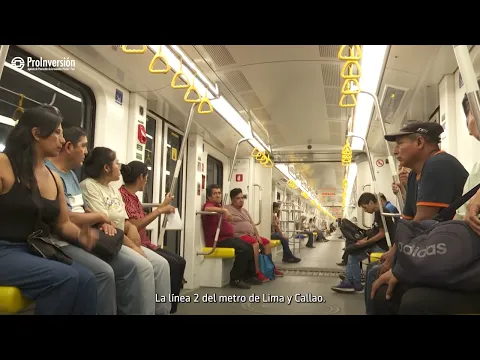
The urban relevance of Line 2 is directly linked to the travel time between populous areas of eastern Lima and the port area of Callao.
Information released by ATU and MTC indicates that when the system is complete, the trip between Ate and Callao will take about 45 minutes, compared to between two and a half and almost three hours by conventional means, depending on the consulted official source.
This time gain is what sustains the project as a structural response to one of the historical bottlenecks of the Peruvian capital, more than the symbolic value of building an automated underground metro.
In a city marked by long commutes, the concrete promise is to reduce dependence on saturated road transport and reorganize mobility in an axis that concentrates housing, employment, and goods circulation.
The project also continued to advance in excavation and underground structures throughout 2025.
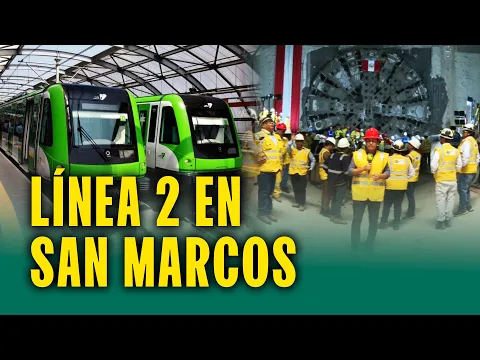
Reports from the Peruvian public press noted the arrival of the tunneling machine Delia at new stations and the continuation of tunneling fronts in central segments of Lima, in a process that combines deep drilling, lining assembly, and station preparation for the future incorporation of railway systems.
By including the continuation of Line 2 among the sector budget axes for 2026, the Peruvian government reinforced that the project remains at the core of the national transport strategy.
With stage 1A in operation, stage 1B advancing in tests, and civil engineering practically completed in decisive parts of the western section, the Lima metro approaches a point where the challenge is no longer just to construct, but to transform accumulated work into expanded and stable operation for the population.







Eu olhando isso pensei o seguinte porque não fazer como Japão mas como solução mais definitiva usar o tatuzão para as águas das chuvas desaguar mais rápido e lar as água mais abaixo dos rios e assim impedir o transbordamento dentro das cidades e no trecho final de fof preciso conforme necessidalargar as água onde existe reservatórios de abastecimento da cidade que falta água e eventualmente ficam secos e a água suja sempre precisa de tratamento para uso doméstico então aproveita para encher reservatórios se não tiver nível favorável façam como japoneses usaram bombas de vazão extremamente grandes para evitar alagamentos em qualquer chuva se não tiver engeniros para calcular isso chamem este velho de nível universitário para verificar os desníveis até o reservatório onde juntam água para ser tratada se quiserem por favor falem comigo que explico melhor a ideia do projeto começa pelas costas de níveis dentro da cidade no centro dos alagamentos até o reservatório de abastecimento e coleta de águas para uso doméstico