





 English
  Francês
  Alemão
  Italiano
  Japonês
  Norueguês
  Portuguese
  Spanish
  2 min of reading


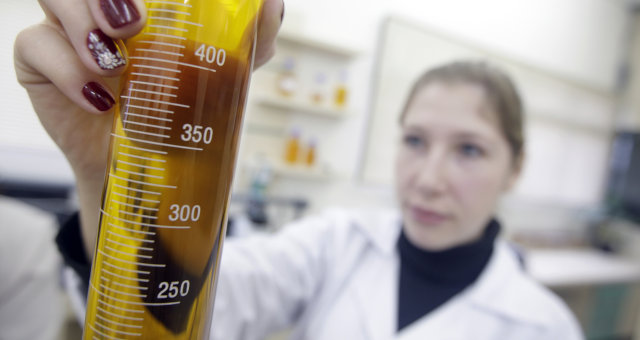
Germany Tests Ammonia to Obtain Green Fuel. Action Is Part of Europe’s Plan to Reduce Emissions to Zero
The German government is studying the use of ammonia and methanol as a way to supply hydrogen to the industry as clean fuel. The government plans to invest €9 billion in development. This is part of Europe’s largest economic plan to reduce its emissions to zero by 2050.
Check Out Other News of the Day:
- Fire at Hydroelectric Plant Operated by Chinese Group in MS Recorded on Video and Scares People
- Seventy Thousand Jobs in Pernambuco: Sugarcane — A Major Ally for the State’s Economy to Face the Crisis Caused by Coronavirus
- After Elections in the USA, China’s Economy Will Grow up to 8.2% in 2021, According to the IMF and World Bank
The government funded a feasibility study to evaluate hydrogen transportation methods and focused on the two chemical components as possible solutions.
Stefan Kaufmann, a member of the German Parliament responsible for coordinating the use of green hydrogen in Germany, says that “Safe and economical transportation options are crucial to establish a global hydrogen economy. “We have the advantage of being able to leverage an existing global infrastructure that has been in use for decades.”
-
Unemployment rises again to 5.8% at the beginning of 2026, raising alarms about the end of temporary positions and its impact on the Brazilian job market.

-
Document organization can cut invisible costs in small businesses, a simple step that prevents waste, rework, and losses in daily operations.

-
Chinese giant worth nearly R$ 4 billion that manufactures cables for electric cars, solar energy, and robotics wants to open a factory in SC.

-
Many employers do not know, but the law guarantees domestic workers a 25% increase in salary during trips, 50% for overtime, 20% for night shifts, and 17 additional benefits that can lead to labor lawsuits if not paid.


The government’s plan is to invest €9 billion to develop hydrogen for use as green fuels, such as steel and glass, which require temperatures above 1,000 degrees Celsius. Currently, polluting fossil fuels, such as coal and natural gas, power these processes.
Having hydrogen as an option brings its own challenges. It is difficult to transport a large number of the lighter components because their density is so low that they require bulky containers or need to be condensed for efficient transport.
Another option is ammonia – a compound formed from one nitrogen atom and three hydrogen atoms. Hydrogen can be converted into liquid ammonia and vice versa, making it transportable around the planet.
Ammonia with a hydrogen weight content of 17.6% is the cheapest way to transport hydrogen on board. Currently, the compound is produced in factories powered by fossil fuels and is a key component of agricultural fertilizers.






Seja o primeiro a reagir!