Portuguese
  Spanish


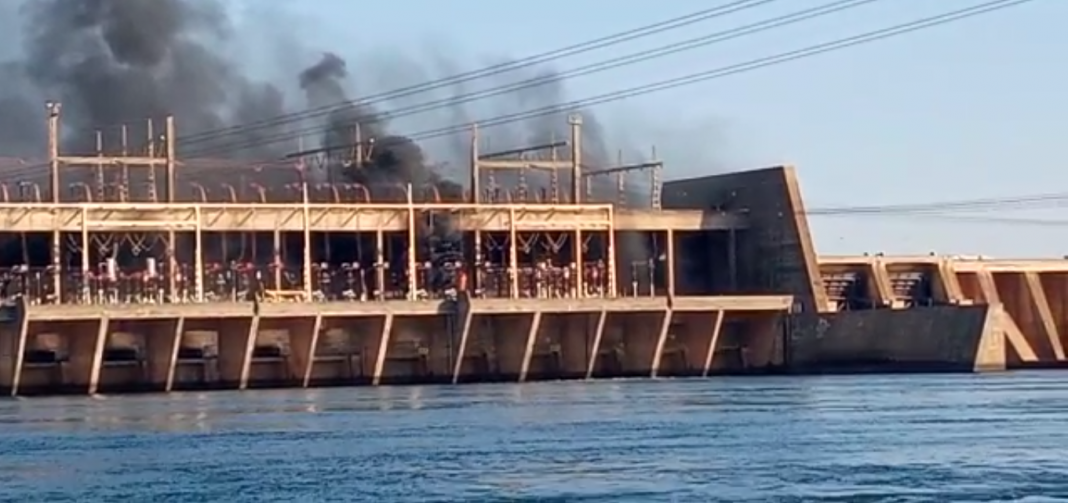

According to the Official Note from CTG, the Fire that Occurred in a Equipment Was of Low Proportion, There Were No Injuries or Fatalities at the Plant
This morning (06), a thick smoke curtain could be seen at the Jupiá plant, managed by the Chinese group China Three Gorges Corporation (CTG), in the municipality of Três Lagoas, Mato Grosso do Sul. Some residents and fishermen recorded the event on video for the Perfil News portal. Check it out below:

According to CTG, the fire began in a piece of equipment at the plant but has already been controlled. There were no health damages to the workers who were in operation. Since the operational incident was of small proportions, the power supply will also not be affected. Here is the official note from CTG’s press office to Click Petróleo e Gás.
“CTG Brazil confirms the occurrence of a fire in a piece of equipment at the Jupiá Hydroelectric Plant, this morning (06/11). This is an incident without victims. The company took immediate measures for containment, and the fire was controlled in a short time. There was no environmental damage, and the causes of the incident are being investigated. The operation of the plant continues normally, without hindrance to energy generation.”
-
Small Farm in Brazil’s Minas Gerais Produces 403 Liters of Milk Daily, Sets Benchmark for Rural Producers

-
Man Revives 1930s Abandoned Trout Farm, Learns from Scratch, and Earns $1.1 Million Annually Selling Fish to Michelin-Starred Restaurants

-
Brazil to Issue “Panda Bonds” in China, Aiming to Raise Up to 5 Billion Yuan at Lower Interest Rates Than Dollar Debt
-
NATO Faces Internal Tensions as U.S. Pushes for Increased Defense Spending, Targeting 5% of GDP by 2035, with Warnings for Countries Near 2% Level


Institutional CTG – The Engenheiro Souza Dias Hydroelectric Plant (Jupiá) was built with entirely Brazilian technology and completed in 1974.
It is located on the Paraná River, between the cities of Andradina and Castilho (SP) and Três Lagoas (MS). Its concession was acquired by CTG Brazil in a bidding process by the Ministry of Mines and Energy, conducted in November 2015. Together with the Ilha Solteira Plant, it makes up the sixth largest hydroelectric complex in the world. The plant also has a lock, which allows navigation and inter-waterway integration between the Paraná and Tietê rivers.
See More Images Post-Control of the Fire