





 Portuguese
  English
  Spanish
 3 min of reading


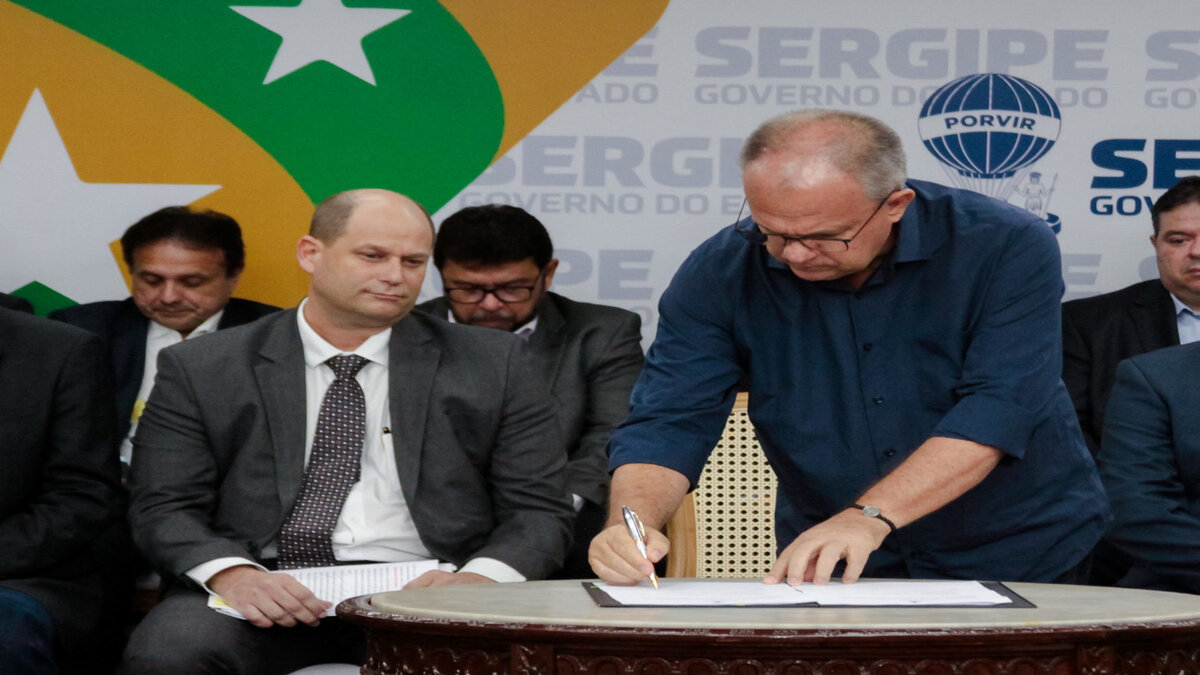
Aiming to Increase Competitiveness in the State and Diversify Fuel Prices, the Government of the State of Sergipe Presented to the ANP a Proposal for the Creation of a Short-Distance Tariff for the Transport of Natural Gas in the Region.
On last Wednesday, (06/22), the Government of Sergipe presented to the National Agency of Petroleum, Natural Gas and Biofuels (ANP) a new proposal to revitalize the market of natural gas in the region. This involves the creation of a Short-Distance Tariff for the transport of the fuel in the state, as a way to attract new companies in this segment and make the commercialization of natural gas increasingly competitive in the region.
ANP Receives Proposal from the Government of Sergipe for the Creation of a Short-Distance Tariff on the Transport of Natural Gas in the State
The government of the state of Sergipe is increasingly looking to make the fuel market in the region grow, and recently joined with the ANP to present the proposal for developing a Short-Distance Tariff on the transport of natural gas in the region.
This is yet another strategy from the state government to make the fuel market more competitive and attract new investments, thus ensuring economic growth.
-
Petrobras confirms that it will reimburse amounts to distributors and return the price difference from the gas auction following a regulatory decision.

-
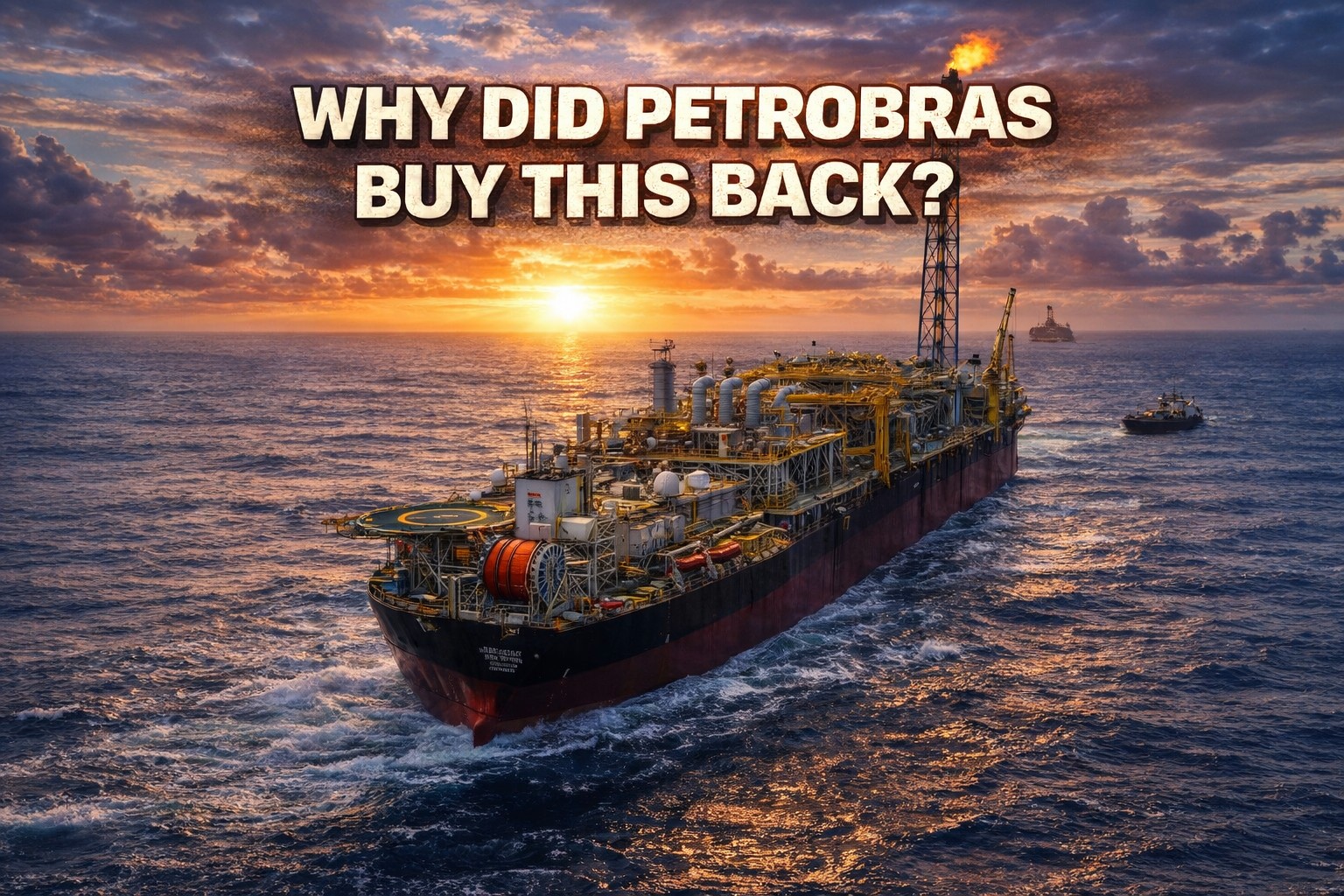
Petrobras buys back fields for billions — what no one is talking about regarding this decision and how it could impact jobs and oil in Brazil.
-
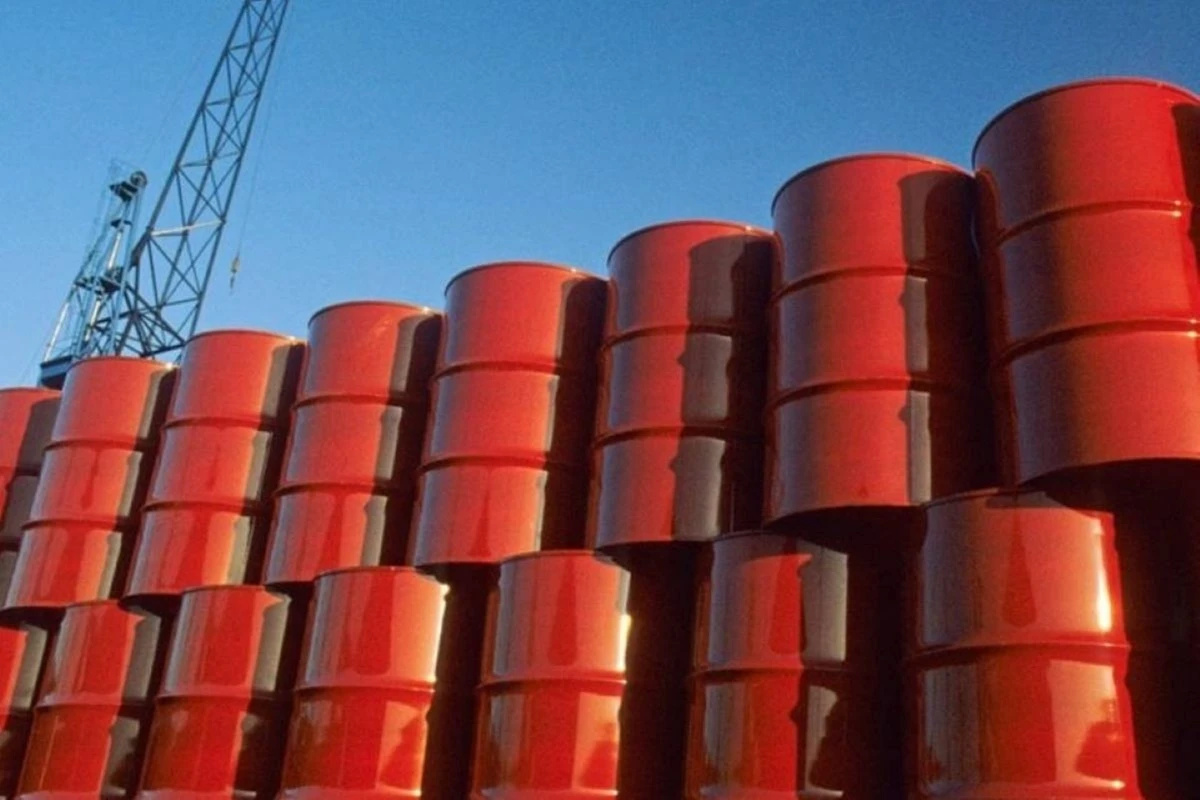
New escalation of tensions and oil crisis in the Middle East forces world powers to accelerate energy transition plans.
-
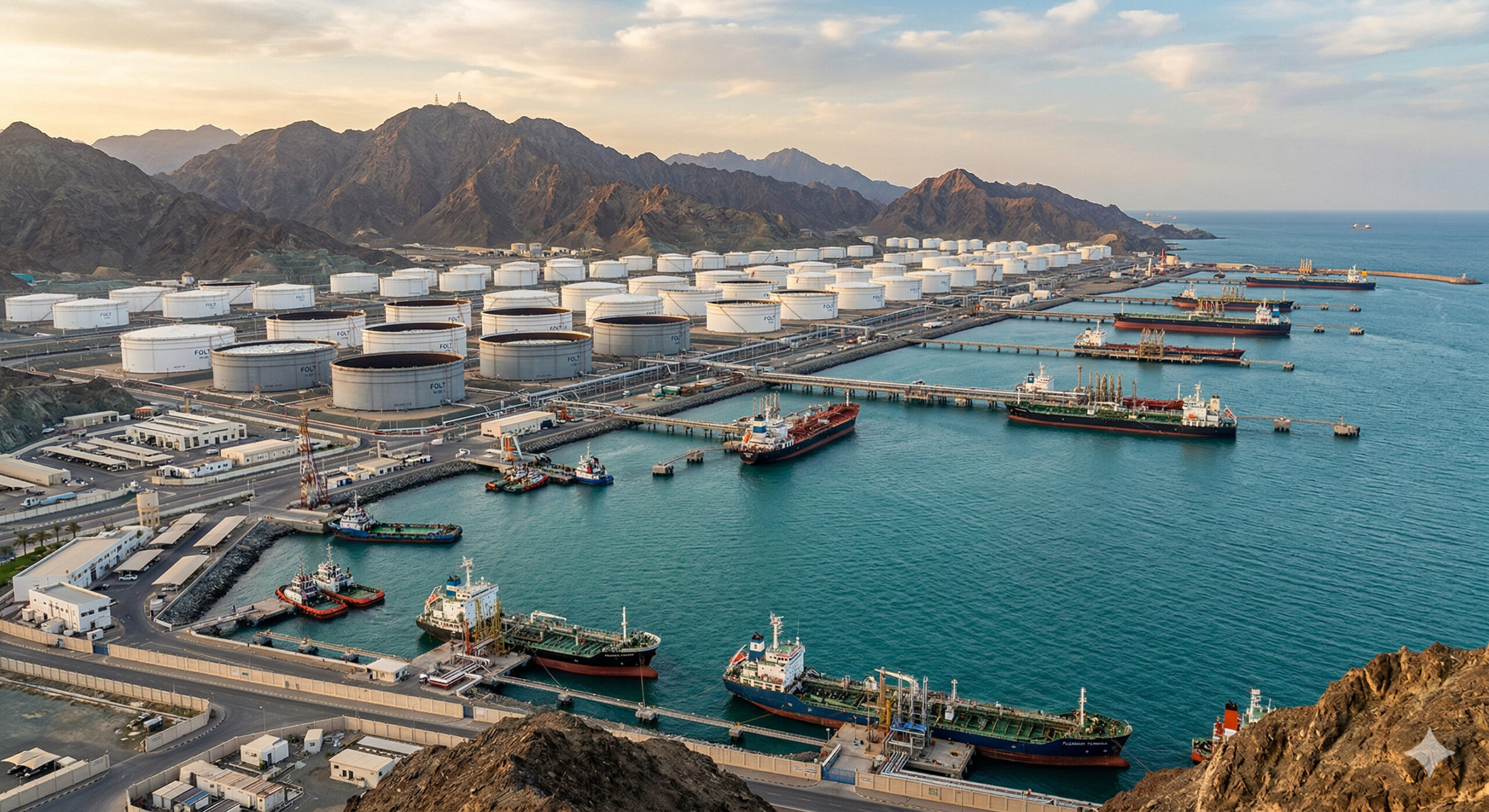
Giant reservoirs with a capacity of 18 million cubic meters have turned Fujairah into one of the largest energy vaults on the planet. This facility, located outside the Strait of Hormuz, stores oil on a colossal scale and has become a silent piece that supports the global flow of fuels.
Additionally, the proposal for the creation of the Short-Distance Tariff in the state of Sergipe determines that it will be applied only to the transport of natural gas injected into the network from a Natural Gas Processing Unit (UPGN) or liquefied natural gas (LNG) terminal located in the state itself or for consumption in the region.
In this way, the government of Sergipe seeks to bring back the reindustrialization process of the state and make the fuel market in the region even more diversified.
However, the main challenge pointed out by both the state authority and the ANP is the need for investments so that the creation of the Short-Distance Tariff on the transport of natural gas can take place safely. This is because adequate infrastructure is necessary for the movement of this product and, above all, safety in supplying the fuel.
But, when applied correctly, the tariff can significantly contribute to reducing transport costs and, at the same time, encourage the consolidation of investments in the central gas pipeline network of the region.
Creation of the Short-Distance Tariff for the Transport of Natural Gas in Sergipe Can Bring Significant Economic Benefits to the State
The main objective of the state of Sergipe with the announcement of the proposal for the creation of the Short-Distance Tariff for the transport of natural gas, presented to the ANP, is to enable economic growth over the coming years.
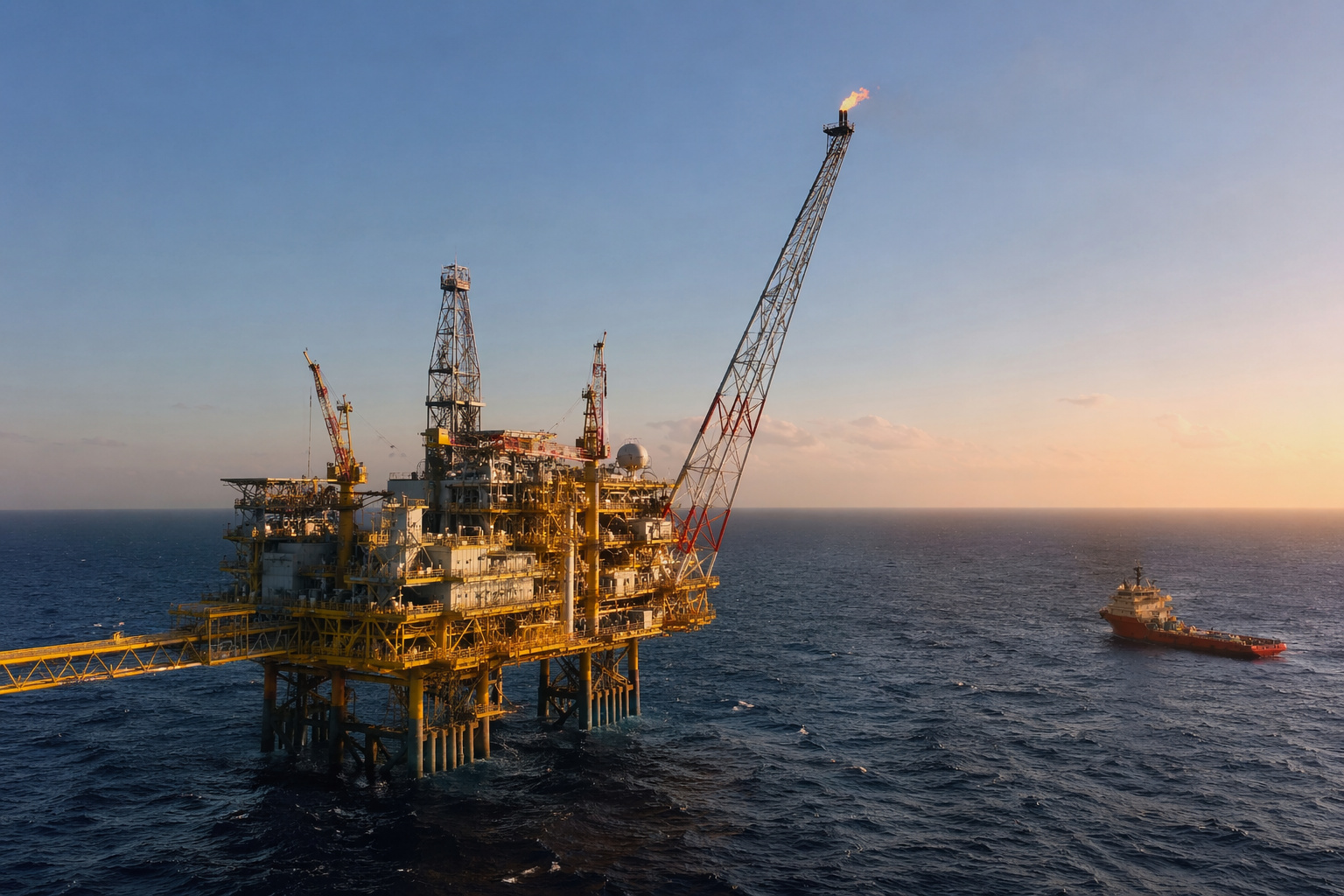
This is because, with the tariff, the government hopes to attract new carriers and consequently expand the supply in this market. This could happen either by monetizing the national natural resources from offshore via UPGN or by ensuring supply flexibility through LNG terminals.
Thus, the price of natural gas in the state could be revitalized, since, with the arrival of new companies in this whole process of transport and commercialization, the competitiveness of the domestic market would grow considerably.
And in the state, this measure will help expand the natural gas hub (suppliers) and the fertilizer hub (consumers), which will be fundamental for the socioeconomic development of the region.
Therefore, the Short-Distance Tariff will allow new carriers receiving gas at the LNG terminal to transport the fuel through the central network itself, without the need for new pipeline construction, contributing to an even greater attraction of investments in this market, without major impacts on the transportation infrastructure in the region.







Seja o primeiro a reagir!