





 Portuguese
  English
  Spanish
 5 min of reading
  0 comments


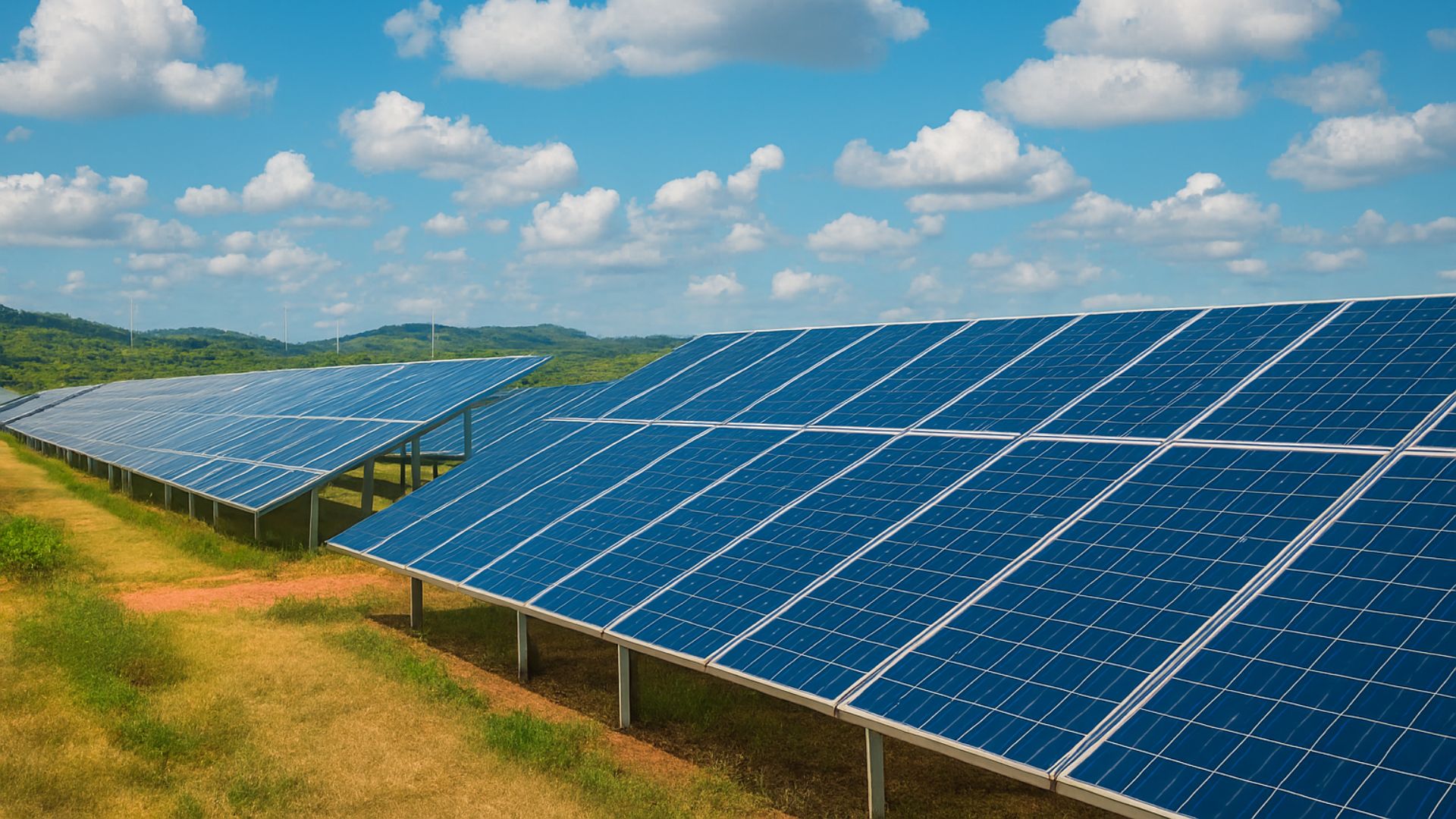
The Government of RN Concentrates the Management of State Solar Plants, Strengthening Clean Energy Projects and Promoting Sustainability in the Solar Energy Sector Throughout the State
On September 24, 2025, the Government of RN officially announced a structural change in the management of state solar plants.
Through Decree No. 34.926/2025, signed by Governor Fátima Bezerra, the management, monitoring, maintenance, and improvement of solar energy units were transferred to the State Secretariat for Economic Development, Science, Technology, and Innovation (Sedec).
The measure aims to consolidate a strategic program focused on clean energy and sustainability, reinforcing the state’s leadership in the national energy transition.
-
Europe records strong euro economy with solar energy in March and sparks curiosity about which country leads growth that redefines the energy market and reduces costs.
-
Piauí reaches a historic milestone in energy transition: State records nearly 160,000 households powered by solar energy and leads growth in the Northeast.
-
Argentina debuts its first 100% solar-powered highway and transforms an entire road into a showcase of clean energy.

-
Minas Gerais reaches a historic record and surpasses the power of Itaipu, but network costs generate debate: Understand why solar energy in MG impacts the electricity bill of those without panels.
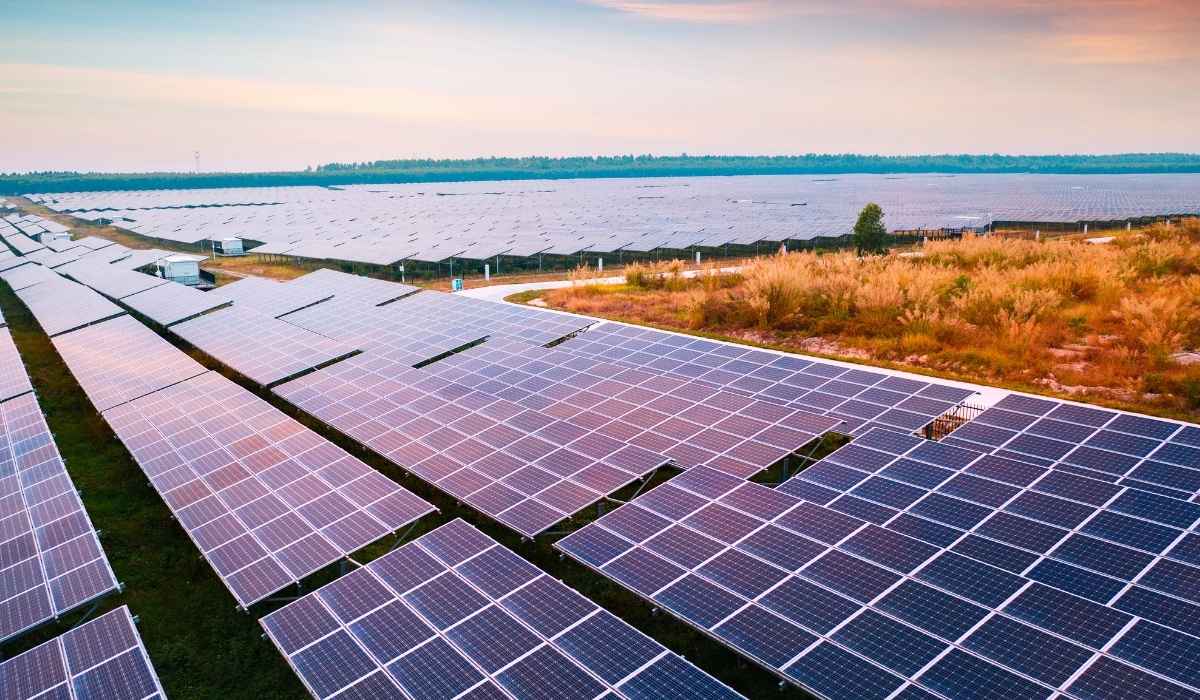

Centralization of the Management of Solar Plants by the Government of RN
The Government of RN’s decision to centralize the management of solar plants in Sedec represents an advance in the coordination of public policies focused on clean energy.
The decree covers all photovoltaic plants connected to the state executive branch, classified under the distributed generation modality and participating in the energy credit compensation system, as provided in Federal Law No. 14.300/2022.
The official text highlights that Sedec will take full responsibility for the state’s solar generation systems, encompassing activities related to oversight, contractual management, and implementation of operational improvements.
Strengthening the Energy Efficiency Program
The measure strengthens the Energy Efficiency Program of RN, which will now be fully managed by Sedec. This includes the management of existing contracts and supervision of solar plant equipment, such as photovoltaic panels, inverters, mounting structures, electrical cables, protection panels, and monitoring systems.
The decree highlights that resources allocated for the maintenance and improvement of the plants will be for exclusive application and will be linked to a specific budget allocation of Sedec.
This dedicated budget structure allows for greater control and predictability in the management of the systems, as well as facilitating resource mobilization from financial institutions and international organizations focused on promoting clean energy.
Government of RN Seeks Leadership in Solar Energy
Rio Grande do Norte is already one of the national highlights in wind and solar energy generation. According to data from the National Electric Energy Agency (ANEEL), the state has more than 6 GW of installed capacity in renewable sources as of September 2025.
The centralization of the management of solar plants is another step towards consolidating a sustainable and efficient model. Sedec, by taking on this responsibility, can integrate actions of technological innovation, economic development, and environmental preservation.
Moreover, the state has average solar irradiation levels exceeding 5.5 kWh/m² per day, according to the Brazilian Solar Energy Atlas from INPE, making it highly competitive for investments in solar energy.
Operational Challenges and Integration Between Public Bodies
Despite the advances, the change requires attention to the integration between the agencies that already operate photovoltaic systems. The decree stipulates that each entity must provide Sedec with all technical documents, permits, access passwords, calculation records, and invoices related to the solar plants.
The legal text clarifies that there will be no transfer of ownership of the systems, which will remain linked to the respective agency where they are installed.
This approach ensures operational autonomy for the institutions while promoting standardization and centralized control, essential for the expansion of clean energy in the state.
Sedec Assumes a Leading Role in Sustainability Policy
With the new assignment, Sedec takes on a strategic role in conducting sustainability and energy innovation policies. The secretariat will need to designate specific units or coordinations to execute the assignments, ensuring efficiency in the management of solar systems.
Additionally, Sedec may establish partnerships with universities, research centers, and companies in the sector to foster technological development projects and professional training. This collaboration is fundamental to consolidate RN as a hub of innovation in solar energy.
Solar Energy as a Vector for Regional Development
Solar energy has become one of the main alternatives for diversifying the Brazilian energy matrix. In RN, the solar radiation potential is high, favoring the installation of photovoltaic systems in urban and rural areas.
According to the Ministry of Mines and Energy, Brazil surpassed 32 GW of installed capacity in solar energy by August 2025, with RN accounting for a significant share of this total. The centralization of the management of solar plants may further accelerate this regional growth.
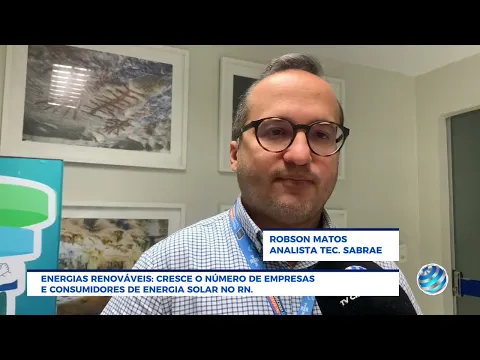

Economic and Environmental Benefits of the New Structure
The centralization of the management of solar plants can generate significant benefits:
- Reduction of operational costs with unified maintenance and monitoring.
- Greater control over energy performance of the installed systems.
- Ease of implementing technological improvements and updating equipment.
- Strengthening of the state sustainability policy, with clear goals and efficiency indicators.
These factors contribute to consolidating RN as a national reference in solar energy and sustainability.
Transparency, Social Participation, and Innovation in Clean Energy
Another relevant point is the possibility of expanding civil society participation in the oversight and monitoring of public policies. Sedec could provide digital platforms for monitoring solar systems, promoting transparency and social engagement.
Additionally, the centralization allows for greater budget predictability, facilitating the mobilization of resources from financial institutions and international organizations focused on promoting clean energy.
Impacts of the Government of RN Decision
The decision of the Government of RN to transfer the management of solar plants to Sedec marks a significant advance in state energy policy.
By centralizing administration, the state strengthens its capacity for planning, control, and innovation, aligning itself with the best international practices in sustainability and energy transition.
With technical potential, institutional structure, and a natural inclination towards renewable sources, RN positions itself as a leader in building a more just, efficient, and environmentally responsible energy future.







Seja o primeiro a reagir!