





 English
  Francês
  Alemão
  Italiano
  Japonês
  Norueguês
  Portuguese
  Spanish
  3 min of reading


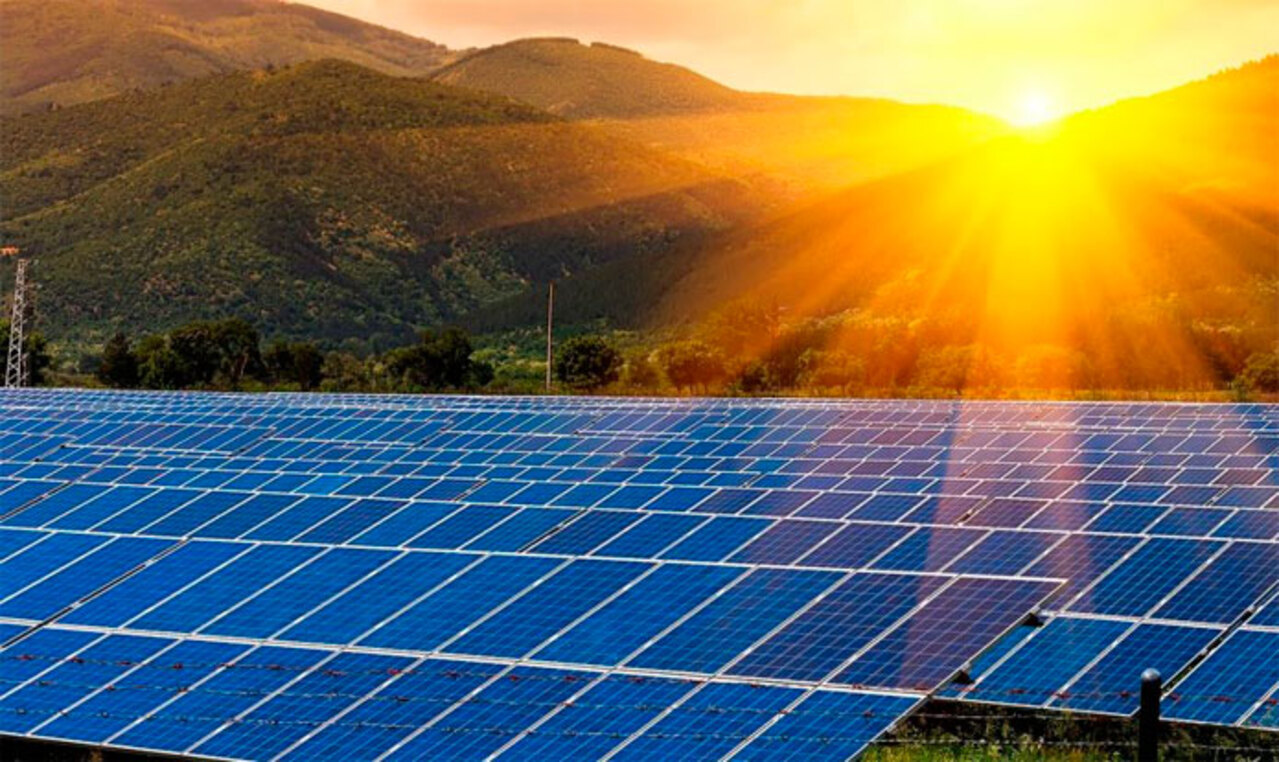
Solar Energy To Be Taxed By The Federal Government Together With Aneel
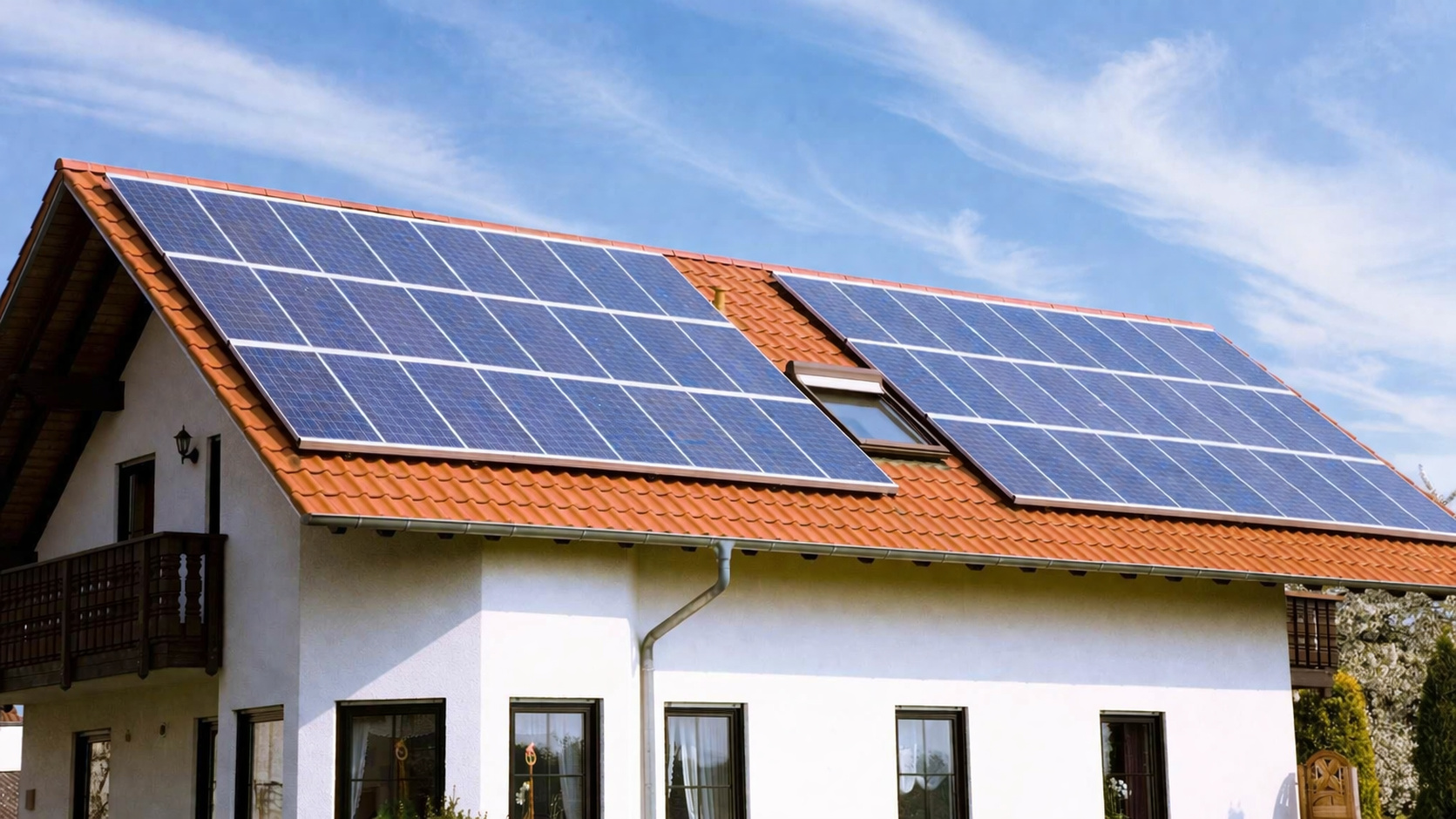
Solar energy became a topic for the Federal Government and Aneel last week. The government is reacting to the possibility of the National Electric Energy Agency (Aneel) changing the rules for consumers who have, for example, solar panels at home and face the risk of taxation. The changes have been referred to by the president himself as a kind of “tax on the Sun”.
Read Also
Aneel And Federal Government Anticipate Changes In Solar Energy Resolutions
– I talked to Rodrigo Maia and Davi Alcolumbre about the solar energy taxation proposed by ANEEL. The President of the Chamber will put a bill to vote, urgently, PROHIBITING THE TAXATION of solar energy. The same will be done by the President of the Senate. Case closed. Good morning to all!
— Jair M. Bolsonaro (@jairbolsonaro) January 6, 2020
ARTICLE CONTINUES BELOWSee also
Rio Grande do Sul accelerates energy transition: State invests in renewable technologies and consolidates decarbonization strategies and pathways to attract billions in new industrial investments.

With 160,000 m² of collectors, an area larger than 20 football fields, Silkeborg, in Denmark, hosts a solar thermal plant that heats 19,500 homes and could become the largest solar heating plant in the world.

A study reveals the expansion of renewable energy procurement in Brazil and shows how companies are taking advantage of opportunities to reduce expenses, ensure energy efficiency, and strengthen strategic environmental commitments.

Mato Grosso do Sul excels in the sugar-energy sector: the state reaches a milestone of 22 operating mills and accelerates the production of clean energy in MS with a focus on sustainability.

A proposal for change by the Federal Government and Aneel in the regulatory resolution on solar energy 482 of 2012 from the National Electric Energy Agency (Aneel) has generated controversy in the productive sector. This is because the agency wants to withdraw some benefits from those who generated their own energy, claiming that there are costs, unlike when the measure was implemented.
On the other hand, many companies and rural producers who began to invest in this type of solar energy claim that the taxation generates legal uncertainty, as Aneel promised predictability for 25 years and the investments were long-term.
Aneel, in an interview with the Gazeta do Povo website, states that it has technical reasons to propose the charging of fees on distributed generation. This modality was allowed through a resolution from Aneel itself, published in 2012. With it, Brazilians began to have the possibility to generate their own electric energy, usually from renewable sources like the Sun.
Current Solar Energy Resolution
Drafted in 2012, the agency’s measure states that the consumer or rural producer can both consume and inject into the distribution network the electric energy produced by them.
This difference between what they consume and what they produce in excess turns into credit and can be used for the deduction of one or more electricity bills of the same holder.
Furthermore, the Federal Government’s proposal offers benefits to incentivize the self-production of electric energy, such as the exemption from the payment of tariffs for using the electric grid and also from the payment of other components of the electricity bill.
The complete resolution can be accessed at this link.
In contrast, these incentives offered to those who produce their own energy are charged to all consumers, including ‘regular’ users who receive energy only from the distributor.








Seja o primeiro a reagir!