Portuguese
  Spanish


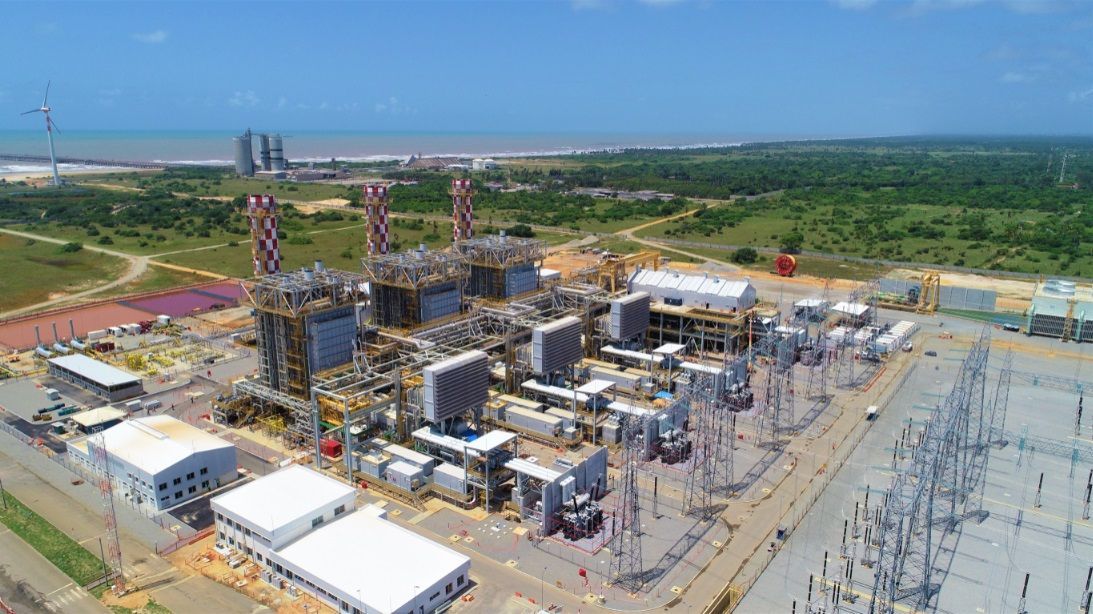

The National Electric Energy Agency (Aneel) approved the commercial operation of four generating units of the Porto de Sergipe I Thermoelectric Plant on March 21. The plant is located in the coastal municipality of Barra dos Coqueiros, the largest in Latin America in its segment. Petrobras will import Liquefied Petroleum Gas (LPG) due to “temporary shortage” caused by high demand from families
Also Read
- Oil and Gas Contracts in Macaé by Engeman Demand Offshore Positions
- Job Vacancies in Industry for Forklift and Machine Operators Today
- Electrician, Crane Operator, Cook, and More Job Vacancies for Offshore Work at DOF Subsea
According to Aneel, three of the released units each have a capacity of 332.724 megawatts (MW). The other generating unit, with a capacity of 517.470 MW, was approved to operate with a limited output of 445.022 MW.
-
OPEC+ Boosts Oil Supply by 188,000 Barrels per Day in July 2026, Leading to Price Drop from $112 to $89 per Barrel in Under Two Months

-
TotalEnergies Signs 20-Year Deal to Purchase 2 Million Tons of LNG from Alaska, Boosting Project Viability
-
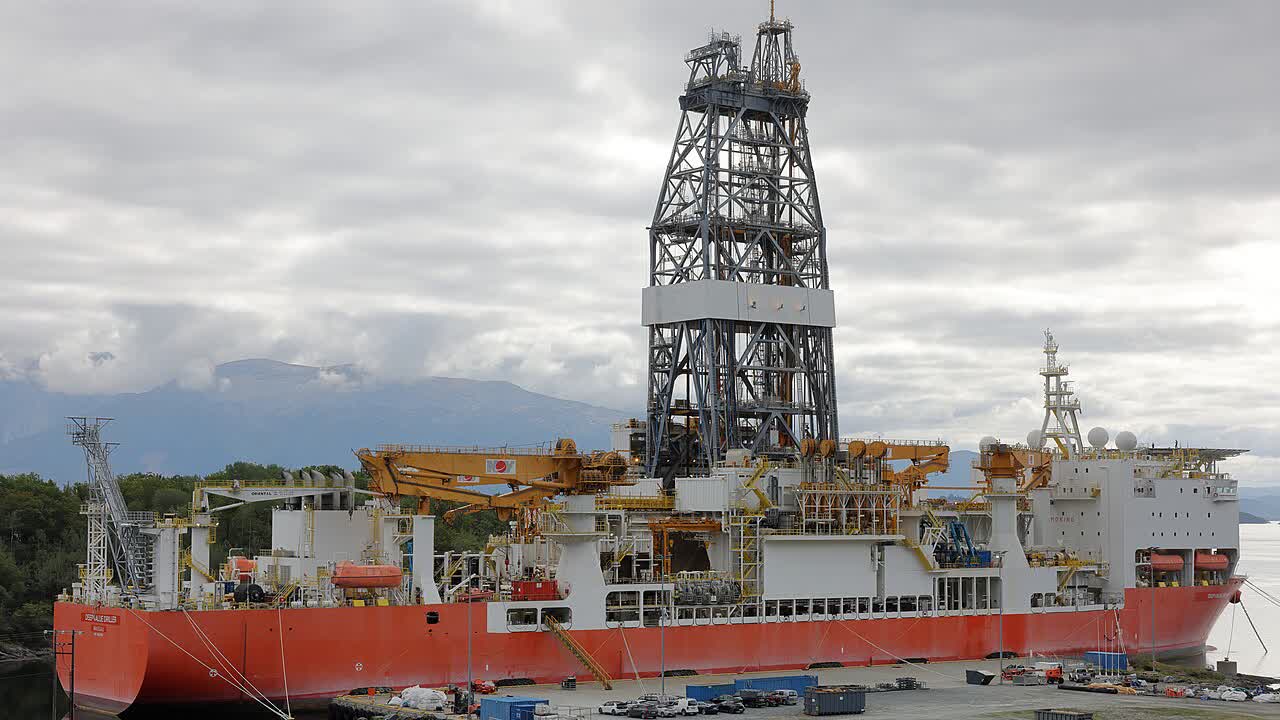
Turkey Deploys Çağrı Bey Drilling Ship to Explore New Oil Frontier Off Somalia’s Coast
-
Golden Pass LNG Ships First Liquefied Gas Cargo from the U.S., Completing $10 Billion QatarEnergy and ExxonMobil Investment

The plant, powered by natural gas, becomes the largest thermoelectric plant in operation in the country, with an awarded capacity of 1,515.63 megawatts.
The thermoelectric plant belongs to Centrais Elétricas de Sergipe (Celse), a company formed by Ebrasil and Golar Power, and will generate and market electricity from gas and steam generating units.
The Project
The Celse project is the first to integrate the use of LNG for energy in Brazil and includes an LNG regasification terminal and a floating storage unit (FSRU) with a storage capacity of 170,000 m³ and the ability to regasify up to 21 million m³ of natural gas per day.
With an investment of R$ 6 billion, the Sergipe plant could meet 15% of the electricity demand in the Northeast, thanks to its generating units capable of producing 1,551 MW. The annual revenue, minus projected operating costs, is estimated at R$ 1.1 billion. The projected revenues over the life of the project, without inflation adjustment, are expected to total R$ 27.5 billion.